Red Peony Root (Chi Shao)
Chi Shao
PAEONIAERADIX RUBRA
Nature and flavorBitter, slightly cold; meridian tropism: liver
Meridians enteredLiver
Dosage6-12 g
Reference market price¥24 / kgBozhou market · spec 山赤芍 · 东北 · snapshot 2026-11-21
Red Peony Root is a key herb for clearing heat and cooling the blood while invigorating blood and relieving pain.
Source药物来源
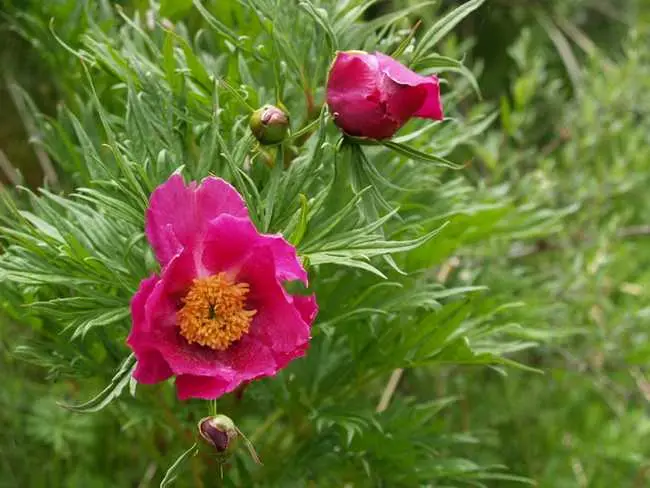
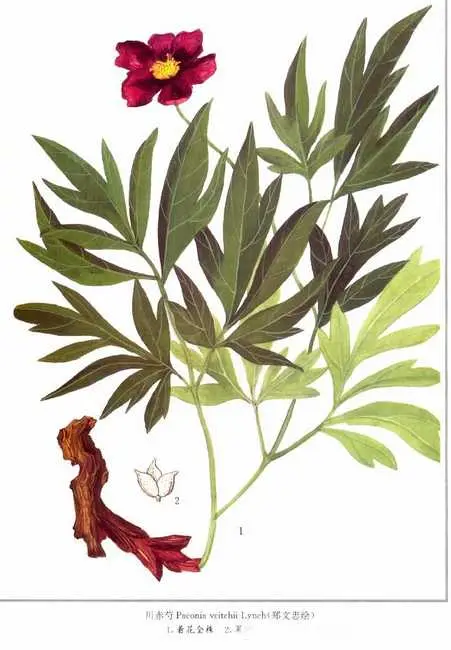
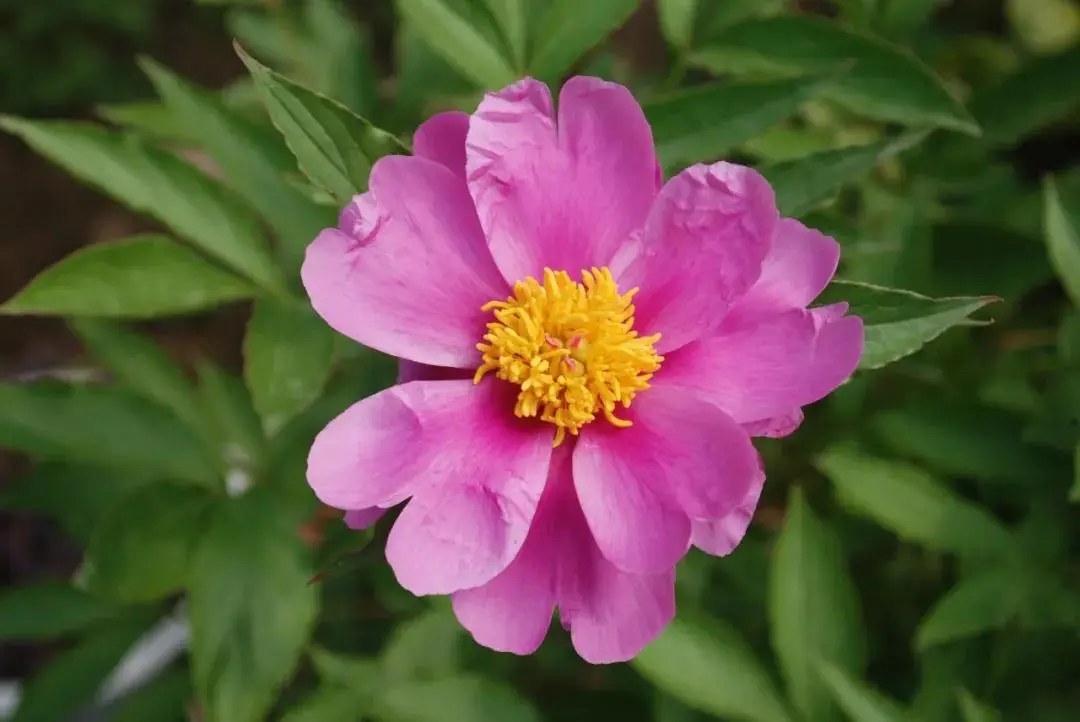
The dried root of Paeonia lactiflora Pall. or Paeonia veitchii Lynch (family Ranunculaceae). Name origin: Red peony is a type of peony; peony was first recorded in the Shen Nong Ben Cao Jing as a middle-grade herb. Tao Hongjing first distinguished red and white peony, noting that the white, large roots from Baishan, Jiangshan and Maoshan were best, while red peony was smaller and more draining.
Identification性状特征
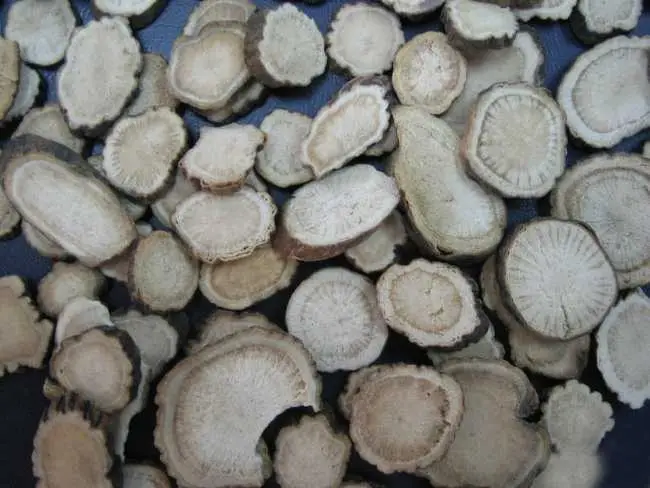
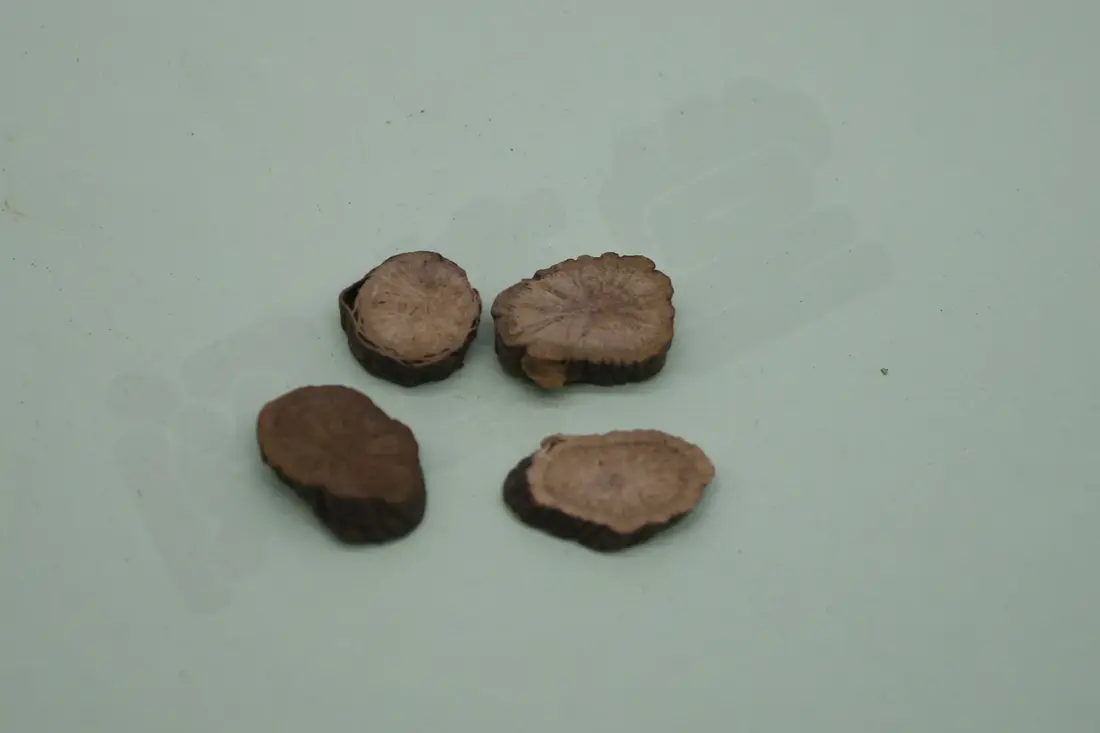
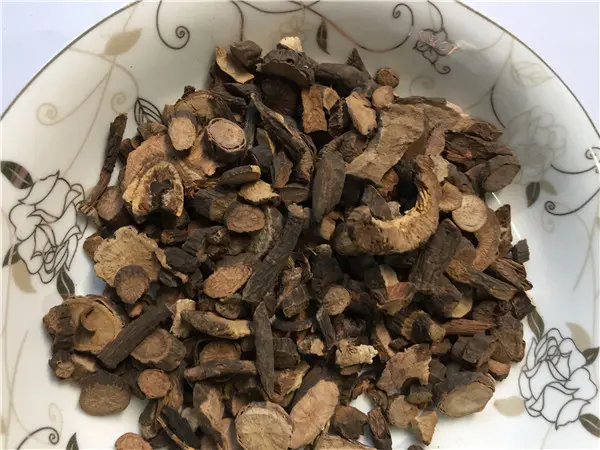
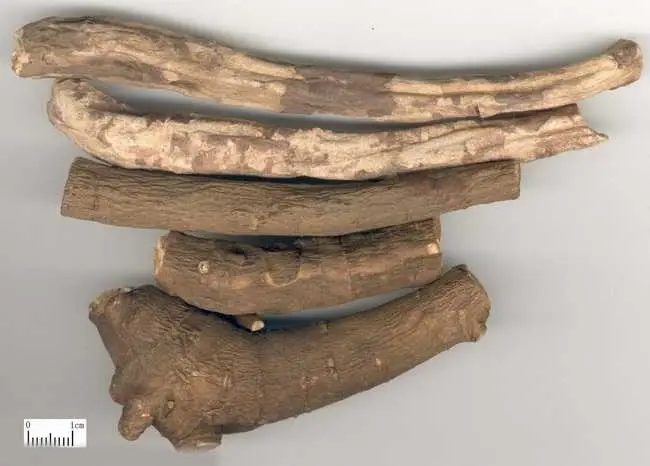
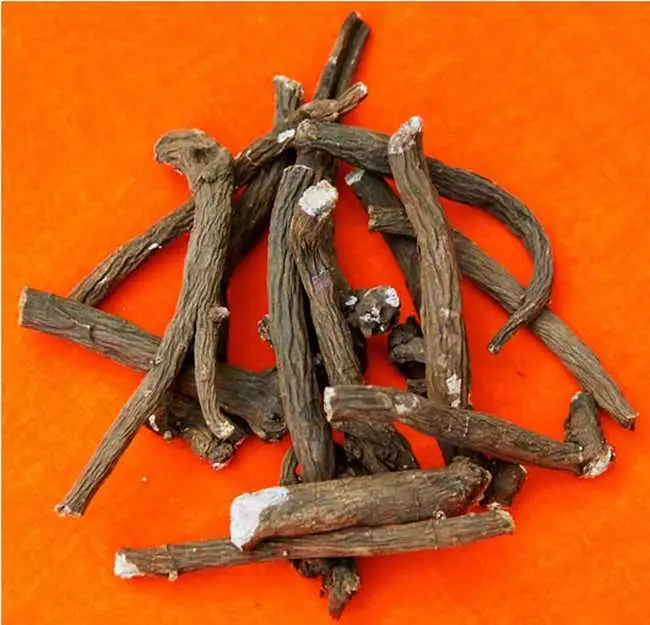
Cylindrical, slightly curved, 5-40 cm long, 0.5-3 cm in diameter. Surface brownish, rough, with longitudinal grooves and wrinkles, rootlet scars and transversely elongated lenticel-like protrusions; bark sometimes exfoliating. Hard and brittle, easily broken; fracture pinkish-white or pink, bark narrow, wood with obvious radial texture, sometimes fissured. Slight fragrant odor; taste slightly bitter, sour and astringent.
Properties and actions性味与功效
ActionsClear heat and cool the blood · Invigorate blood and relieve pain
IndicationsUsed for heat entering the nutrient and blood levels, skin eruptions due to warm-toxin, hematemesis and epistaxis, red swollen painful eyes, hypochondriac pain due to liver qi stagnation, amenorrhea and dysmenorrhea, abdominal pain from abdominal masses, traumatic injuries, and carbuncles, swellings and sores.
CautionContraindicated in deficiency-cold of the spleen and stomach; use with caution during pregnancy.
Processing炮制
Raw Red Peony RootRemove impurities, separate by size, wash, soften thoroughly, cut into thick slices, and dry.
Modern research现代药理
Antimicrobial effectRed peony root inhibits various cocci, bacilli, some pathogenic fungi, and viruses such as Jingke-68 and herpes virus.
Improves cardiopulmonary functionRed peony root dilates coronary arteries, increases coronary blood flow, and protects against acute myocardial ischemia in mice. It dilates pulmonary vessels, increases cardiac output, and prevents and treats experimental pulmonary hypertension in rabbits.
Anti-respiratory distress syndromeIn oleic acid-induced acute lung injury, red peony root significantly reduces pulmonary vascular resistance and pulmonary artery pressure, and improves cardiac function and pulmonary/blood oxygenation.
Inhibits platelet aggregation and thrombosisRed peony root inhibits platelet aggregation and has antithrombotic effects.
Effect on blood glucoseOral red peony decoction temporarily raises blood glucose in rabbits, peaking at 0.5-1 hour, then decreasing and normalizing by 5-6 hours. Intravenous paeoniflorin significantly lowers blood glucose and plasma glucose levels in hyperglycemic mice.
Classical records历代本草
The Shen Nong Ben Cao Jing records red peony as bitter and neutral, used for abdominal pain, blood bi, and masses. The Bencao Gangmu notes that white peony tonifies the spleen while red peony disperses pathogens and moves stagnation in the blood. The Bencao Mengquan states that red peony drains heat and reduces swelling, while white peony harmonizes blood and relieves dysentery.《神农本草经》:气味苦平无毒,主治邪气腹痛,除血痹,破坚积寒热,疝瘕止痛,利小便,益气。
《本草纲目》:白芍益脾,能于土中泻木。赤芍散邪,能行血中之滞。《日华》言:赤补气,白治血,久审矣。产后肝血已虚,不可更泻,故禁之。酸寒之药多矣,何独避芍药耶?以此。
止下痢腹痛后重。
同白术补脾。同川芎泻肝。同人参补气。同当归补血。以酒炒补阴。同甘草上腹痛。同黄连止泻痢。同防风发痘疹。同姜枣温经散湿。
昔人言洛阳牡丹、杨州芍药甲天下。根之赤白,随花之色也。今人多生用,惟避中寒者以酒炒,入女人血药以醋炒。
《本草蒙筌》:芍药 味苦、酸,气平、微寒。气薄味厚,可升可降,阴中之阳。有小毒。反藜芦,恶硝斛。芒硝、石斛。畏硝石、鳖甲、小蓟,使乌药、没药、雷丸。入手太阴肺经。及足太阴脾脏。赤白因异,制治亦殊。赤芍药色应南方,能泻能散,生用正宜;白芍药色应西方,能补能收,酒炒才妙。若补阴,酒浸日曝,勿见火。赤利小便去热,消痈肿破积坚,主火盛眼疼要药;白和血脉缓中,固腠理止泻痢,为血虚腹痛捷方。已后数条,惟白可用,得甘草炙为辅佐,兼主治寒热腹疼。热加黄芩,寒加肉桂。与白术同用补脾,与参芪同用益气,与川芎同用泻肝。凡妇人产后诸病,切忌煎尝,因其酸寒,恐伐生发之性故也。倘不得已要用,桂酒肉桂煎酒。渍炒少加。血虚寒人,亦禁莫服。经云:冬月减芍药,以避中寒,则可征矣。
谟按:芍药何入手足太阴也?盖酸涩者为上,为收敛停湿之剂故尔。虽主手足太阴,终不离于收降之体。又至血海而入九地之下,直抵于足厥阴焉。气味酸收,又何利小便也?盖肾主大小二便,用此益阴滋湿,故小便得通。仲景治伤寒每多用者,抑非以其主寒热利小便乎?一说:芍药本非通利之药,因其能停诸湿而益津液,故小便自利,于义亦通。又何谓缓中也?盖损其肝者缓其中,即调血止痛之谓。丹溪云:芍药惟止血虚腹痛。然诸痛并宜辛散。引仅酸收,故致血调,血调则痛自止,岂非谓缓中耶?
《本草图经》:仲景治伤寒多用芍药,以其主寒热、利小便故也。
Folklore本草传说
Legend has it that the famous physician Hua Tuo planted a peony given by a friend but found no medicinal use for it, so he ignored it. One night he dreamt of a woman in red crying outside his window; waking, he saw only the red-flowered peony swaying in the wind. His wife suggested that the peony spirit was displeased with his neglect. Hua Tuo then learned from Auntie Zheng at the village that peony root could be processed into white peony (for menorrhagia and metrorrhagia) and red peony (for amenorrhea and injuries). He later studied white peony deeply and realized it stops bleeding by nourishing the blood, not by direct hemostasis.
Culinary use民间药膳
Safflower and Angelica WineSafflower 100 g, Angelica sinensis 50 g, Red Peony Root 50 g, Cinnamon bark 50 g, 40% edible alcohol as needed.
Grind the herbs into coarse powder and macerate in 1000 ml of 40% edible alcohol. Take 10-20 ml 3-4 times daily. The residue can be re-macerated with additional alcohol for 3-5 days, filtered, and made up to 10000 ml with alcohol. Also for external application on unbroken bruises and sprains.
Invigorates blood and removes stasis, warms meridians and unblocks collaterals. Suitable for traumatic injuries, and abdominal pain due to blood stasis and amenorrhea.
Cultivation and authentication栽培与鉴别
1 cultivation notes and 7 authentication articles exist for this herb. They are long-form field material and are published in Chinese only.
Read them in Chinese →