Galla Chinensis (Wu Bei Zi)
Wu Bei Zi
GALLA CHINENSIS
Nature and flavorSour, astringent, cold; enters the Lung, Large Intestine, and Kidney meridians.
Meridians enteredLung, Large Intestine, Kidney
Dosage3–6 g; appropriate amount for external use.
Reference market price¥62 / kgBozhou market · spec 肚倍 · 贵州 · snapshot 2026-11-21
Galla Chinensis, known as Wu Bei Zi, is an astringent medicinal gall used to stabilize the lungs, intestines, and fluids.
Source药物来源
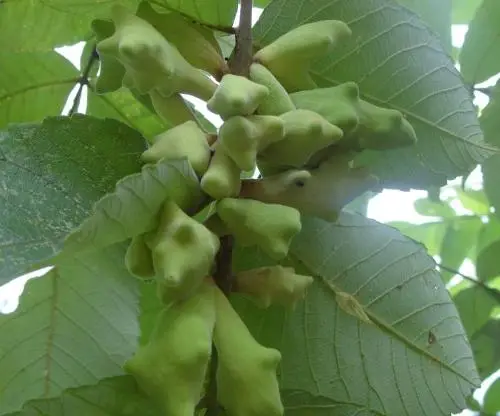
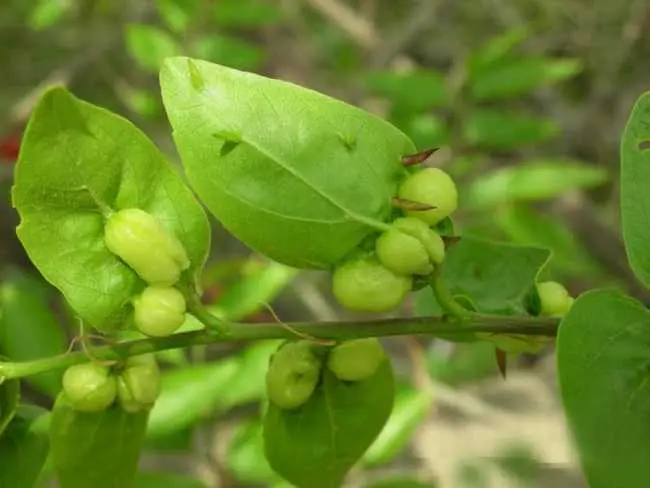
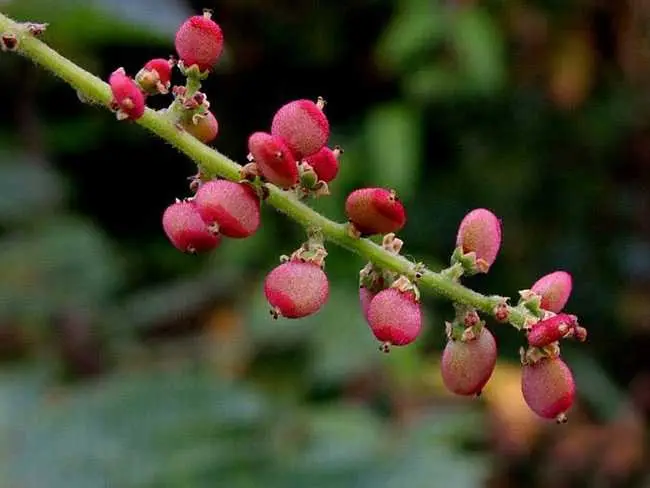
This product is the gall on the leaves of Rhus chinensis Mill., Rhus potaninii Maxim., or Rhus punjabensis Stew. var. sinica (Diels) Rehd. et Wils. (Anacardiaceae), mainly formed by the parasitism of the aphid Melaphis chinensis (Bell) Baker.
Identification性状特征
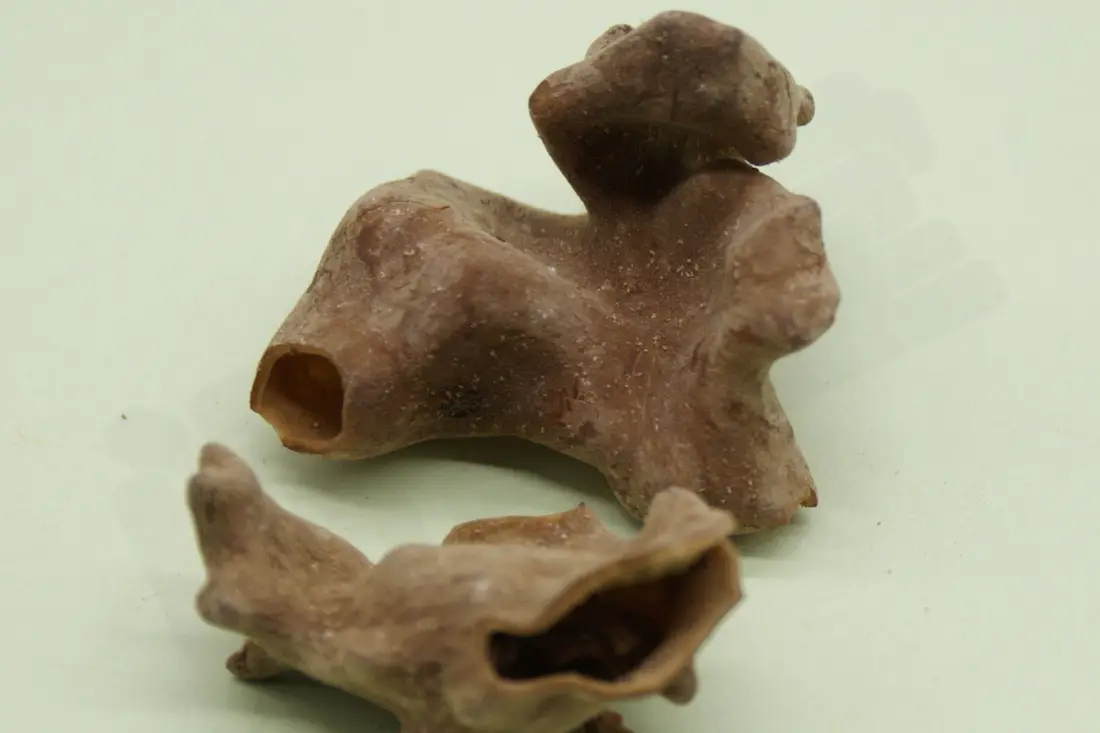
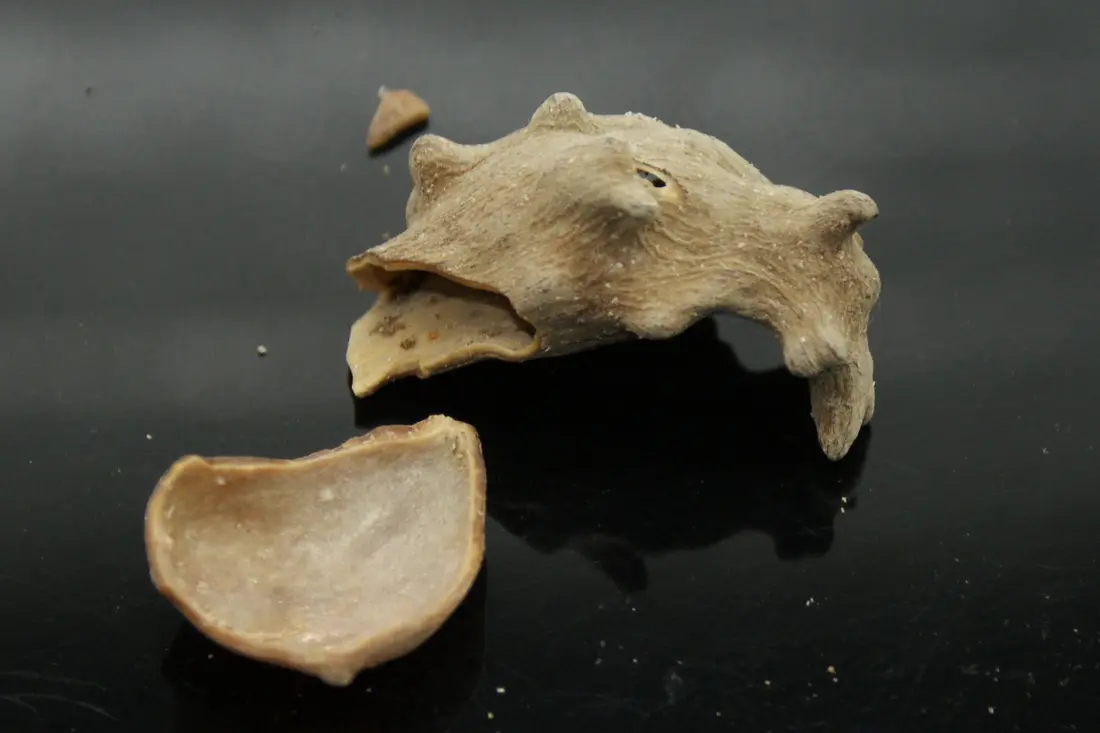
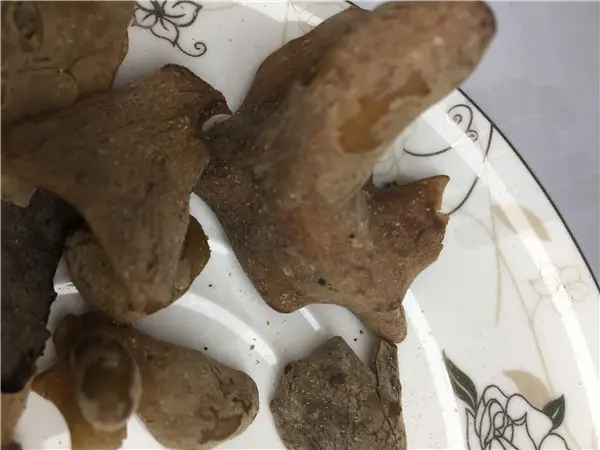
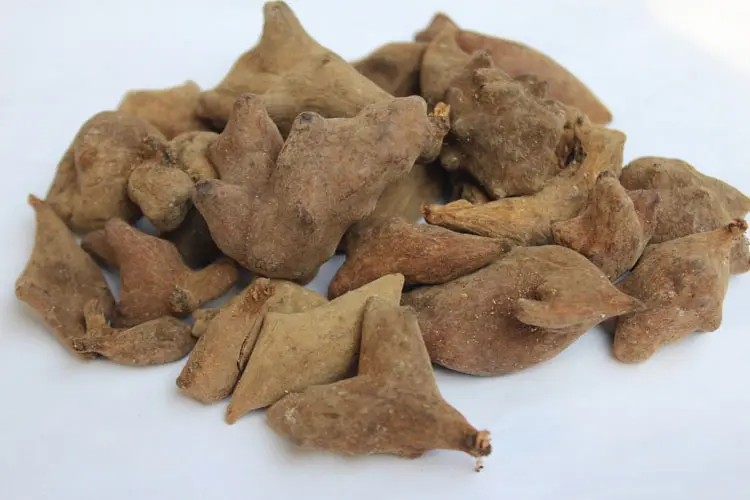
Dubei: oblong or spindle-shaped sac, 2.5–9 cm long, 1.5–4 cm in diameter. Surface grayish-brown or grayish-brown, slightly hairy. Hard and brittle, easily broken, fracture horny, lustrous, wall 0.2–0.3 cm thick, inner wall smooth, with dark brown dead aphids and gray powdery excrement. Odor distinctive, taste astringent.
Jiaobei: rhomboid, with irregular obtuse-angled branches, hairs more obvious, wall thinner.
Properties and actions性味与功效
ActionsAstringe the lung and descend fire · Astringe the intestines and stop diarrhea · Astringe sweat, stop bleeding, absorb dampness, and heal sores
IndicationsUsed for chronic cough due to lung deficiency, cough with phlegm due to lung heat, chronic diarrhea and dysentery, spontaneous sweating and night sweating, wasting-thirst, hematochezia and hemorrhoidal bleeding, traumatic bleeding, carbuncles, swellings, boils and sores, and skin maceration with dampness.
Dosage3–6 g. Appropriate amount for external use.
CautionContraindicated in cough due to externally contracted wind-cold, diarrhea and dysentery not due to intestinal deficiency and prolapse, and cough due to excess lung fire. For patients with deficiency-cold of the spleen and stomach, use with caution.
Processing炮制
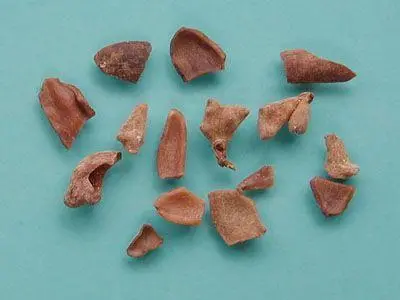
Crude drugCrack open and remove impurities.
Modern research现代药理
Antibacterial effectGalla Chinensis has an antibacterial effect; the main antibacterial component is in the cortex, while the decoction of the core has no antibacterial effect.
Astringent and hemostatic effectIt precipitates proteins, thereby achieving hemostasis; it also coagulates glandular cell proteins, dries wounds, significantly reduces gastric juice and acid secretion, and has a marked effect on bleeding from gastric ulcers.
Antitumor effectGalla Chinensis has an antitumor effect.
Cardiovascular effectThe flavonoids in Galla Chinensis can increase coronary blood flow and have a protective effect on acute myocardial ischemia induced by pituitrin in rats.
Detoxifying effectGalla Chinensis can resolve alkaloid poisoning and can also act as a chemical antidote.
Antifertility effectGalla Chinensis has an antifertility effect.
Classical records历代本草
The Bencao Jingshu (Materia Medica Commentary) explains that Galla Chinensis is sour, bitter, and astringent, with a neutral nature, and enters the Lung and Large Intestine meridians; it is used externally for dental and skin disorders and internally for diarrhea and bleeding. It warns that because of its strong astringent nature, it is contraindicated in cough due to wind-cold, diarrhea not due to deficiency, and cough due to excess lung fire.《本草经疏》:五倍子得木气而兼金水之性,其味苦酸涩,气平无毒。气薄味厚,敛也,阴也。入手太阴、足阳明经。《本经》主齿宣疳匿,风湿癣疮,及小儿面鼻疳疮者,皆从外治,取其苦能杀虫,酸平能敛浮热,性燥能主风湿疮痒脓水。五痔下血者,大肠积热也,大肠与肺为表里,肺得敛肃则大肠亦自清宁也。藏器:疗肠虚泄利。日华子主生津液,消酒毒。时珍谓其敛肺降火,化痰饮,止咳嗽,消渴,盗汗,敛溃疮,金疮,收脱肛,子肠坠下者。悉假其入肺清金,收敛固脱之功耳。
简误:五倍子,性燥急而专收敛,咳嗽由于风寒外触者忌之。泻痢非肠虚脱者忌之。咳嗽由于肺火实者忌之。若误服之,反致壅塞喘满,以其酸敛太骤,火气无从泄越故耳。
《本草蒙筌》:五倍子一名文蛤味苦、酸,气平。属金与水。无毒。疗齿宣疳,及小儿面鼻疳疮;治风癣痒瘙,并大人五痔下血。煎汤洗眼目,消赤肿止疼。研末染髭须,变皓白成黑。专为收敛之剂,又禁泻痢肠虚。解消渴生津,却顽痰去热。
《本草拾遗》:治肠虚泄痢,熟汤服。
《本草经疏》:五倍子得木气而兼金水之性,其味苦酸涩,气平无毒。气薄味厚,敛也,阴也。入手太阴、足阳明经。《本经》主齿宣疳匿,风湿癣疮,及小儿面鼻疳疮者,皆从外治,取其苦能杀虫,酸平能敛浮热,性燥能主风湿疮痒脓水。五痔下血者,大肠积热也,大肠与肺为表里,肺得敛肃则大肠亦自清宁也。藏器:疗肠虚泄利。日华子主生津液,消酒毒。时珍谓其敛肺降火,化痰饮,止咳嗽,消渴,盗汗,敛溃疮,金疮,收脱肛,子肠坠下者。悉假其入肺清金,收敛固脱之功耳。
简误:五倍子,性燥急而专收敛,咳嗽由于风寒外触者忌之。泻痢非肠虚脱者忌之。咳嗽由于肺火实者忌之。若误服之,反致壅塞喘满,以其酸敛太骤,火气无从泄越故耳。
《药性解》:味苦酸,性平,无毒,入大肠经。主齿宣疳匿、风癣疥痒、肠风五痔及小儿面鼻口耳疳疮,明目生津,止泻涩精。噙口中治口疮,善收顽痰,解诸热毒。百药煎即五倍造成,主肺胀喘咳,噙化能敛而降之。
按:五倍酸苦之性,专涩大肠,其收敛甚捷,泻痢初起者,未宜入剂。
Folklore本草传说
Before the Ming dynasty, Galla Chinensis was mistakenly thought to be a plant. Li Shizhen corrected this, noting that it is actually an insect gall formed by aphids on the leaves of Rhus chinensis and related species. The galls are classified by shape into Jiaobei and Dubei, with Dubei being the highest quality. In ancient Japan, Galla Chinensis was used with iron solution to dye teeth black in a custom called 'ohaguro.' In China, it was processed into 'Baiyaojian' for various medicinal uses. It was historically confused with the marine clam 'Wenge,' but later corrected.
Culinary use民间药膳
Huangdan Wubeizi WaterHuangdan 12g, Kufan 12g, Mingfan 12g, Wubeizi 15g, Baibu 15g, Xionghuang 6g, Baizhi 6g, Baixianpi 6g, Liuhuang 6g, Zhusha 3g, Qingfen 3g, Shechuangzi 9g, Baifuzi 9g, Baifengxianhua 9g, aged rice vinegar 1500ml.
Grind each into powder. Boil the aged rice vinegar in an iron pot, add Huangdan and stir well with chopsticks. Then add the fine powders of Wubeizi, Baibu, Shechuangzi, Baifuzi, Baizhi, Baixianpi, Baifengxianhua, etc., and stir well. Then slowly add the remaining 6 powdered herbs including Kufan, stir well, and remove from heat.
For all types of tinea, goose-web wind (hand dermatitis), and onychomycosis.
Cultivation and authentication栽培与鉴别
6 cultivation notes and 5 authentication articles exist for this herb. They are long-form field material and are published in Chinese only.
Read them in Chinese →