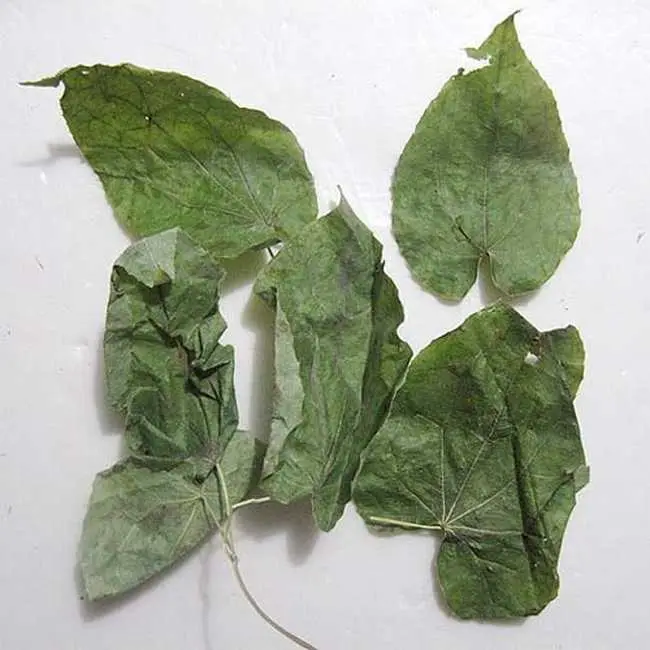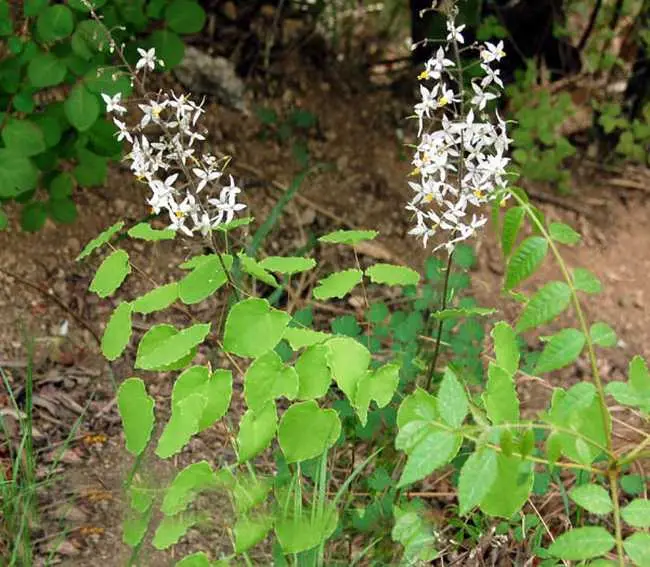
Epimedium leaf (Yin Yang Huo)Materia Medica

Epimedium leaf (Yin Yang Huo)

Yin Yang Huo
EPIMEDII FOLIUM
Nature and flavorPungent, sweet, warm; enters Liver and Kidney meridians.
Meridians enteredLiver, Kidney
Dosage6–10 g
Reference market price¥118 / kgBozhou market · spec common grade · 甘肃 · snapshot 2026-11-21

Epimedium leaf is a warming kidney-yang tonic used for impotence, weak sinews, and wind-damp pain.

Source药物来源

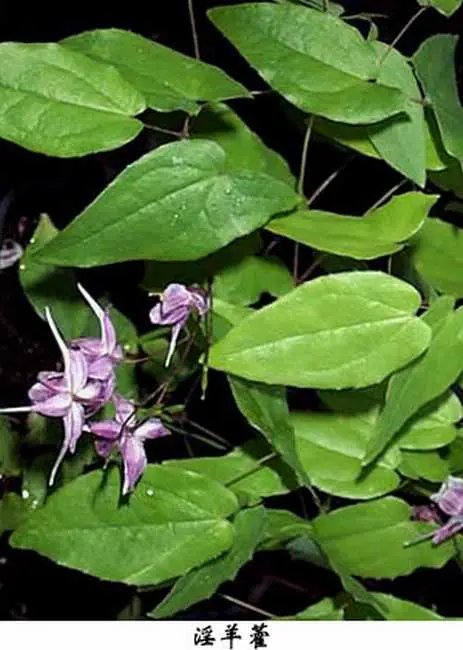
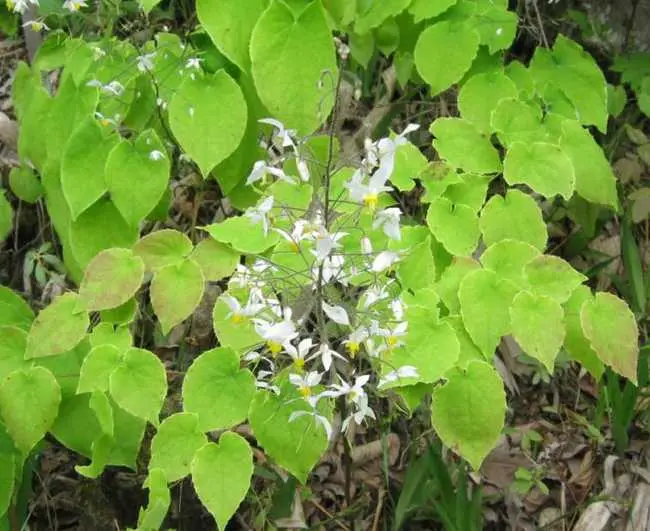
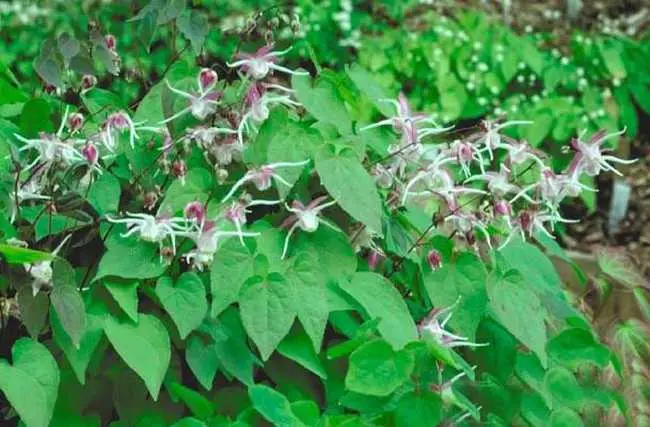
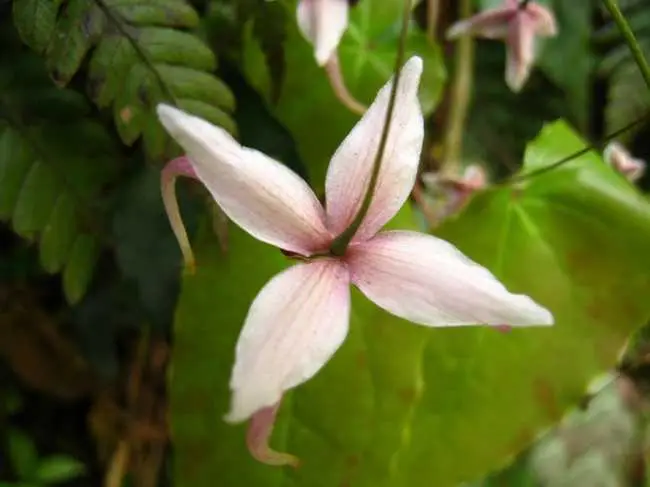
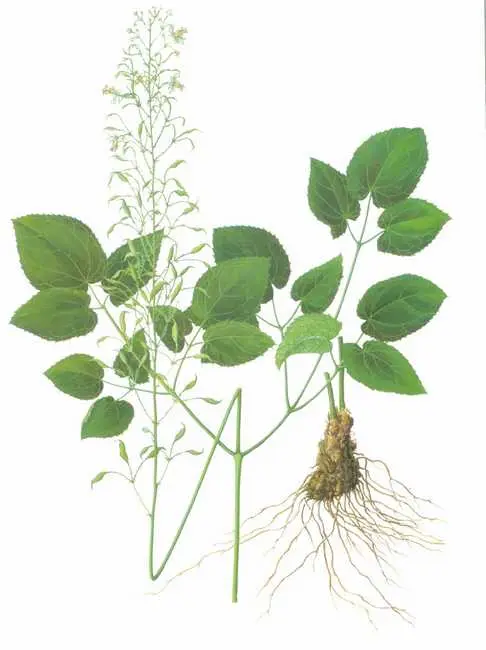
Dried leaves of Epimedium brevicornu Maxim., Epimedium sagittatum (Sieb. et Zucc.) Maxim., Epimedium pubescens Maxim., or Epimedium koreanum Nakai (Berberidaceae).

Identification性状特征

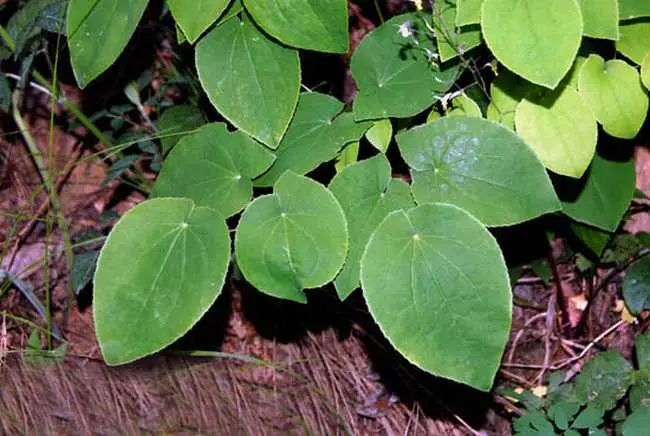
Yin Yang Huo: trifoliolate; leaflets ovate, 3–8 cm long, 2–6 cm wide; apex slightly acute, terminal leaflet base cordate, lateral leaflets smaller, oblique-cordate, outer side larger and auriculate, margin with yellow spinous serrations. Upper surface yellow-green, lower surface gray-green, 7–9 main veins, sparse fine hairs at base, fine veins raised on both surfaces, reticulate veins distinct; petiolules 1–5 cm. Leaves subcoriaceous. Odor slight; taste slightly bitter. Arrow-leaf Epimedium: trifoliolate; leaflets oblong-ovate to ovate-lanceolate, 4–12 cm long, 2.5–5 cm wide; apex acuminate, lateral leaflet bases markedly oblique, outer side sagittate. Lower surface sparsely covered with short appressed hairs or nearly glabrous. Leaves coriaceous. Pubescent Epimedium: lower surface and petioles densely covered with villous hairs. Korean Epimedium: leaflets larger, 4–10 cm long, 3.5–7 cm wide, apex long-acuminate. Leaves thinner.

Properties and actions性味与功效
Actions
Tonify kidney yang · Strengthen sinews and bones · Dispel wind-damp
Indications
For deficiency of kidney yang, impotence and seminal emission, weak sinews and bones, wind-damp arthralgia, numbness and contracture.
Dosage
6–10 g.
Caution
Use with caution in cases of yin deficiency with heat signs; avoid in deficiency-cold of the spleen and stomach.
Processing炮制
Epimedium leaf (raw)
Remove impurities and twigs, take leaves, spray with water, soften slightly, cut into shreds, and dry.
Epimedium leaf (fried with sheep fat)
Melt sheep fat in a pan, add clean epimedium shreds, stir-fry over gentle heat until slightly yellow and uniformly glossy, remove and cool. Use 20 kg sheep fat per 100 kg epimedium shreds.
Modern research现代药理
Gonadotropin-like effect
Epimedium has a gonadotropin-like effect; it lowers plasma middle molecules and raises sulfhydryl groups in yang-deficient mice, enhances secretion of the hypothalamic-pituitary-gonadal axis, adrenal cortex axis, and thymus axis.
Immunomodulation
Epimedium has a bidirectional regulatory effect on the immune system.
Cardiovascular protection
Epimedium increases coronary blood flow and protects against myocardial ischemia induced by pituitrin in rats.
Anti-hypoxia and blood pressure
Epimedium improves hypoxia tolerance, slows heart rate, blocks adrenergic receptors, lowers peripheral vascular resistance, resists ventricular fibrillation, dilates blood vessels, inhibits vascular smooth muscle contraction, and has a hypotensive effect.
Blood viscosity
Epimedium inhibits platelet aggregation, reduces erythrocyte aggregation, and lowers whole blood viscosity.
Bone growth
Epimedium promotes nucleic acid synthesis and has a promoting effect on bone growth.
CNS inhibition
Epimedium has a central inhibitory effect.
Anti-aging and hypoglycemic
Epimedium has anti-aging, anti-fatigue, and anti-hypoxia effects, and significantly lowers blood glucose.
Classical records历代本草
The Shennong Bencao Jing records it as pungent and cold, treating impotence, lower body pain, and promoting urination. The Bencao Gangmu notes it as sweet and fragrant, warm, benefiting essence and qi, suitable for those with true yang deficiency.
《神农本草经》:味辛,寒。主治阴痿,绝伤,茎中痛,利小便,益气力,强志。 《本草纲目》:仙灵脾、千两金、放杖、刚前,皆言其功力也。 淫羊藿,味甘气香,性温不寒,能益精气,乃手足阳明、三焦、命门药也。真阳不足者宜之。 《本草蒙筌》:淫羊藿即仙灵脾,味辛,气寒。无毒。羊食贪合,故此著名。治男子绝阳不兴,治女人绝阴不产。却老景昏耄,除中年健忘。益骨坚筋,增力增志。久服有损,明载《本经》。 《开宝本草》:味辛,寒,无毒。坚筋骨,消瘰疬,赤痈,下部有疮洗出虫。丈夫久服,令人有子。 《名医别录》:无毒。主坚筋骨,消瘰疬,赤雍,下部有疮,洗出虫。丈夫久服,令人无子。
Folklore本草传说

According to legend, Tao Hongjing, a famous physician of the Southern and Northern Dynasties, learned from a shepherd that a wild grass with leaves like apricot leaves, when eaten by rams, caused frequent and prolonged erections. He investigated and confirmed its yang-strengthening effect, naming it 'Yin Yang Huo' because sheep eating it became sexually excited.
Audio and video语音与视频
Narration · Chinese · 7:34
Latin name · pronunciation
Narration and video are shared by all language versions and are in Chinese; the images and footage themselves are language-independent.
Photographs药材图片
Epimedium leaf (Yin Yang Huo)
Cultivation and authentication栽培与鉴别

2 cultivation notes and 1 authentication articles exist for this herb. They are long-form field material and are published in Chinese only.

Read them in Chinese →

Compiled from public Chinese materia medica sources for study and reference. Not medical advice.
Chinese version · All herbs