Sophora flower (Huai Hua)
Sophora flower is a traditional Chinese herb used to stop bleeding and clear heat, derived from the dried flowers and buds of Sophora japonica.
The dried flowers and flower buds of the legume plant Sophora japonica L. (family Fabaceae). [Audio explanation: Yangzhou University, Qin Mengmeng]
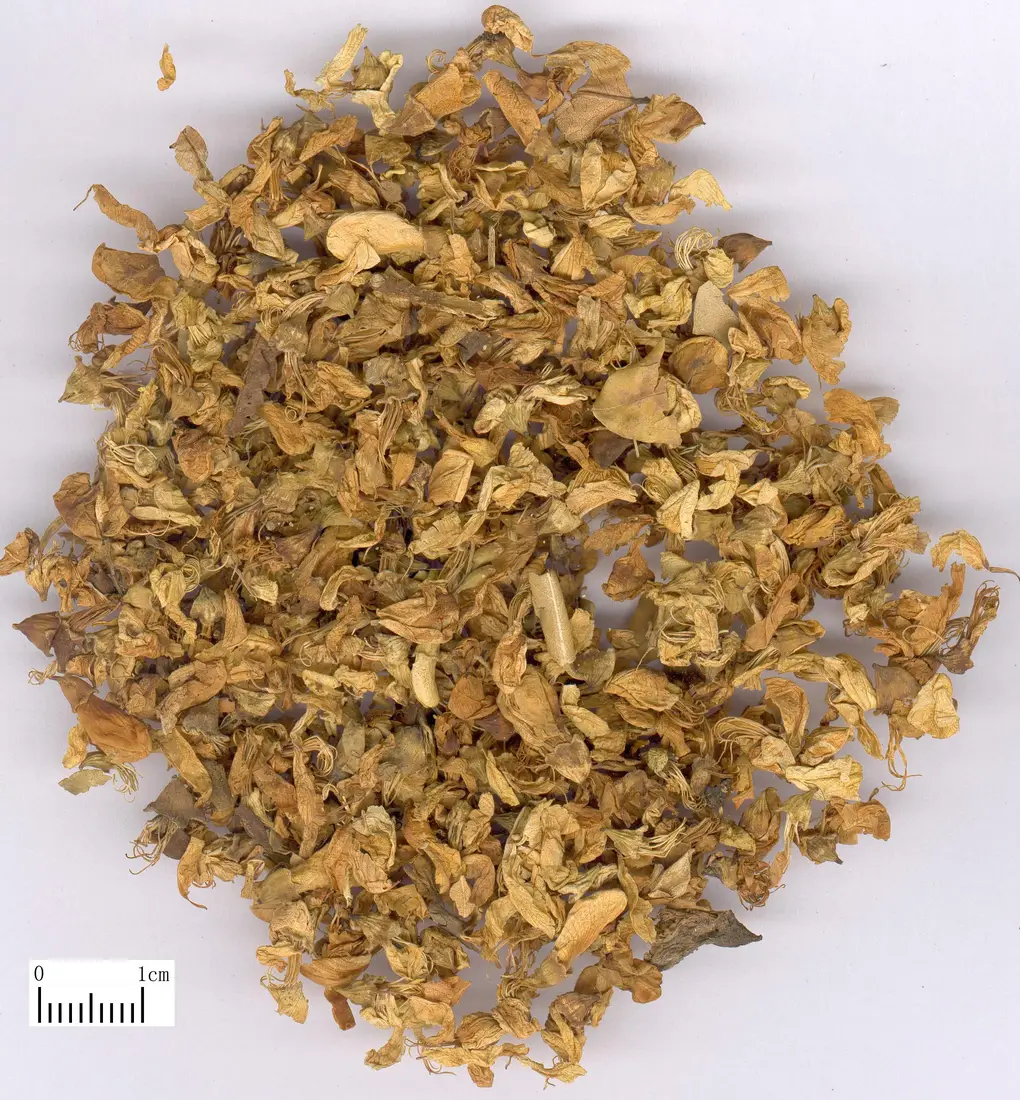
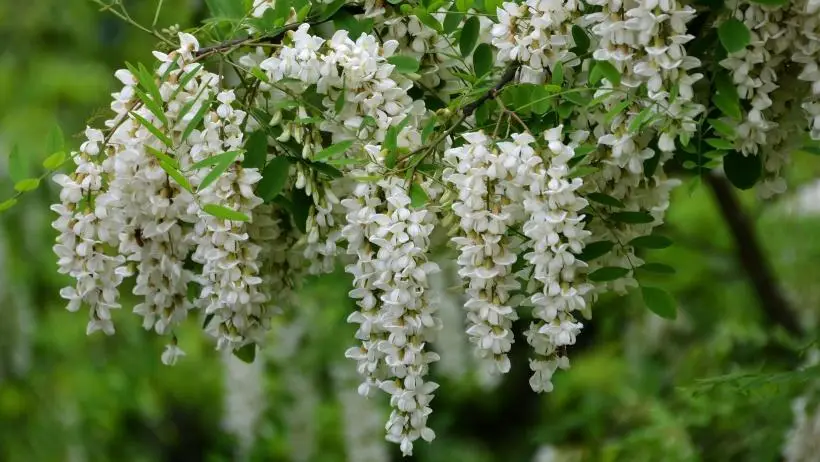
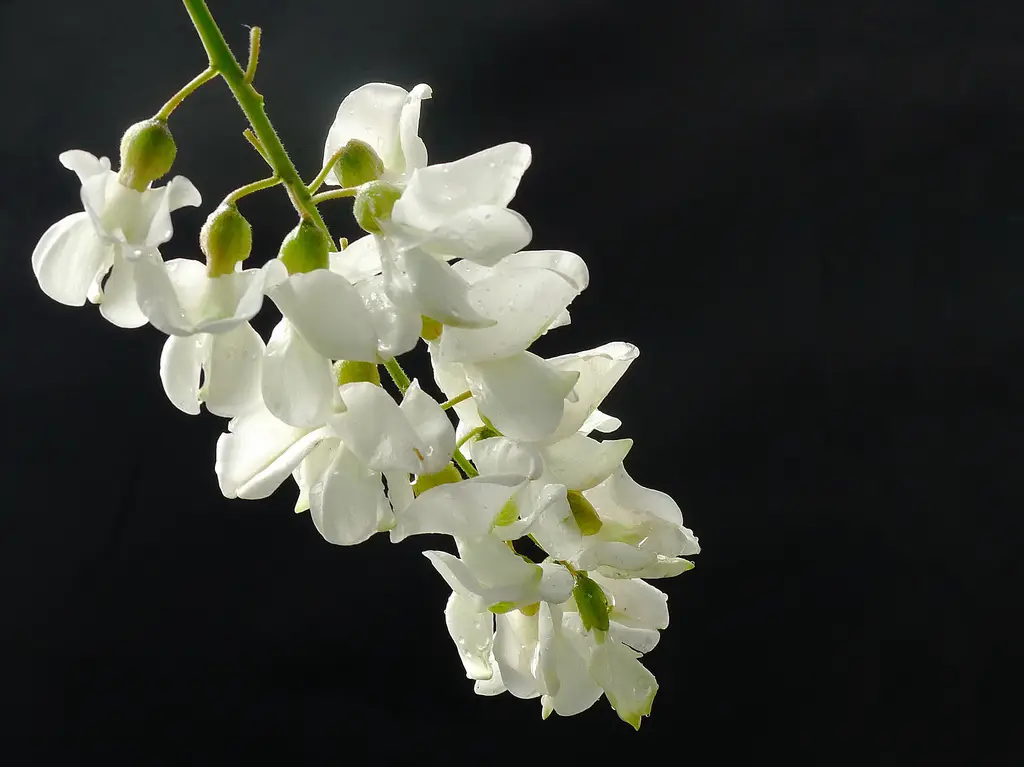
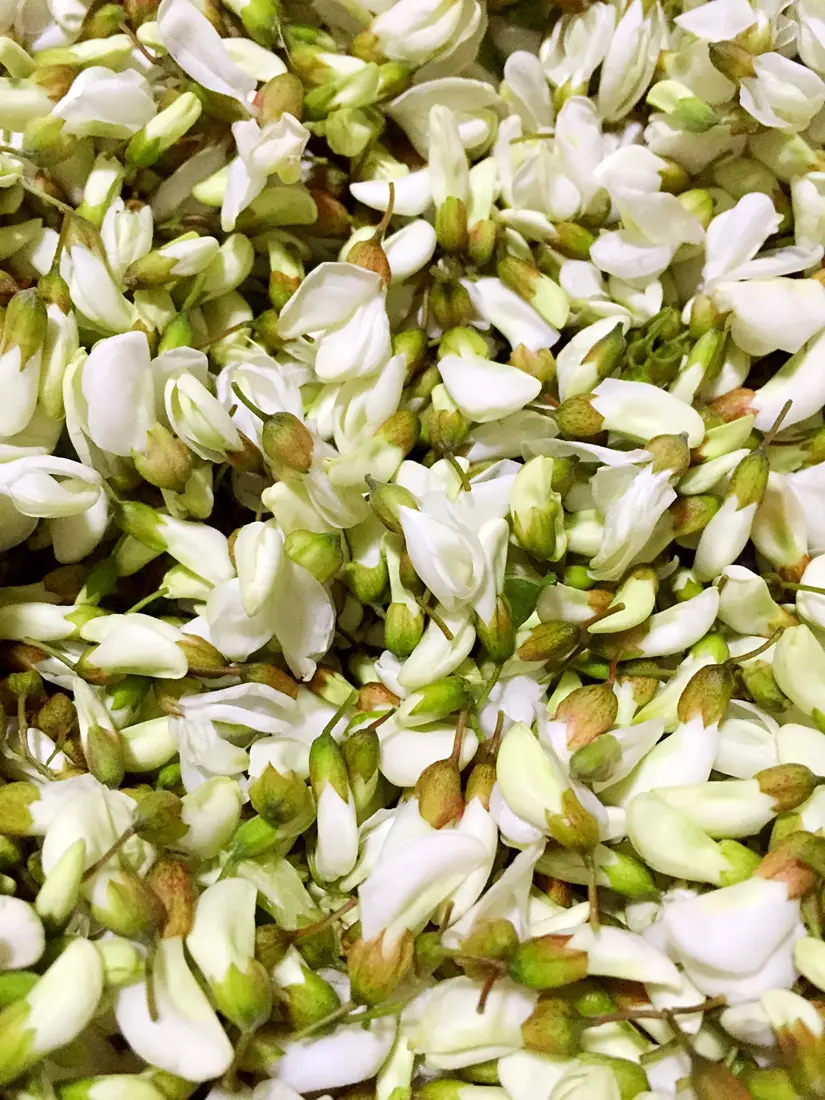
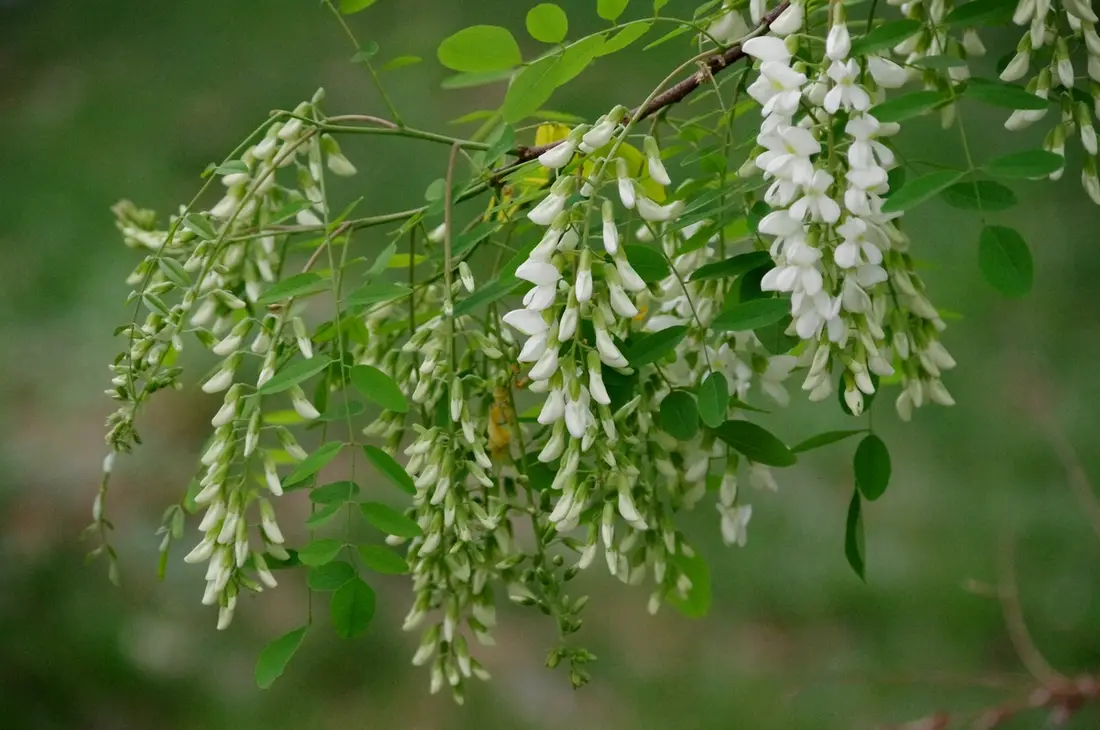
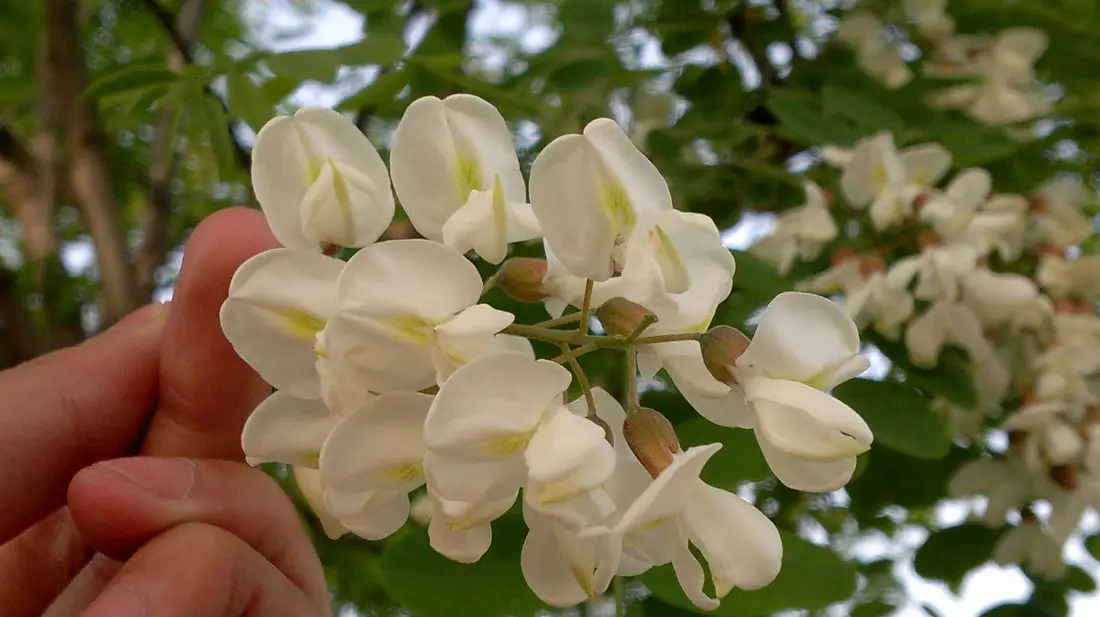
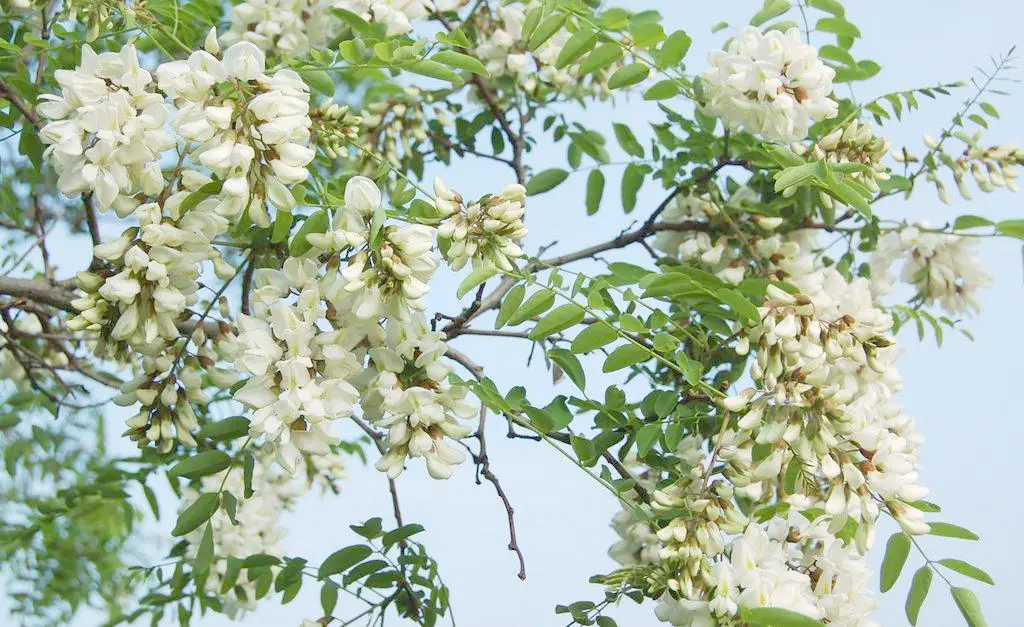
Sophora Flower: shriveled and curled, petals mostly scattered. When intact, calyx bell-shaped, yellow-green, apex with 5 shallow lobes; petals 5, yellow or yellowish-white, one larger, nearly circular, apex slightly concave, the other four oblong. Stamens 10, of which 9 are united at the base, filaments slender. Pistil cylindrical, curved. Light in weight. Odor slight, taste slightly bitter. Sophora Bud: ovate or elliptical, 2–6 mm long, about 2 mm in diameter. Several longitudinal lines on the lower part of the calyx. Above the calyx are yellow-white unopened petals. Pedicel small. Light in weight, crumbles when rubbed. Odor slight, taste slightly bitter and astringent.
The Yanzi Chunqiu records that Duke Jing of Qi loved sophora trees and decreed that harming them was punishable. When a man damaged a tree while drunk, his daughter appealed to Yanzi, arguing that punishing her father for a tree would make neighboring states think the duke valued trees over people. Moved, the duke abolished the law and freed the prisoner. The idiom 'Nanke Yimeng' (A Dream in Nanke) also involves a sophora tree: a man dreamt of being a governor for twenty years and woke to find the dream had occurred within a hollow in an ancient sophora tree.
1 cultivation notes and 1 authentication articles exist for this herb. They are long-form field material and are published in Chinese only.
Chinese version · All herbs