Tree Peony Root Bark (Mu Dan Pi)
Mu Dan Pi
MOUTAN CORTEX
Nature and flavorBitter, pungent, slightly cold. Enters the heart, liver, and kidney meridians.
Meridians enteredHeart, liver, kidney
Dosage6-12 g
Reference market price¥42 / kgBozhou market · spec 黑皮大统 · 安徽 · snapshot 2026-11-21
Tree Peony Root Bark is a key herb for clearing heat and cooling the blood, and for invigorating blood to resolve stasis.
Source药物来源
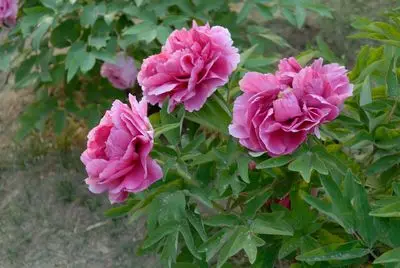
The dried root bark of Paeonia suffruticosa Andr. (Ranunculaceae).
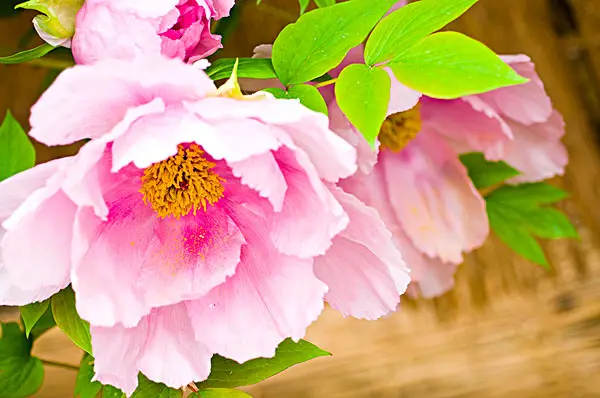
Name origin: The name comes from the fact that the root bark is used medicinally; 'Mu Dan' means 'male peony', as the plant is considered the king of flowers (Bencao Gangmu).
Identification性状特征
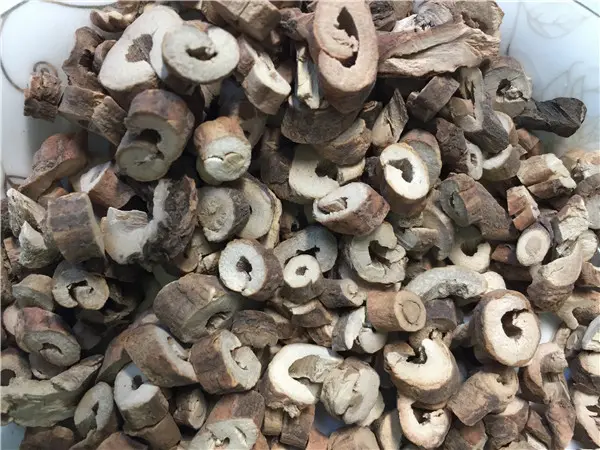
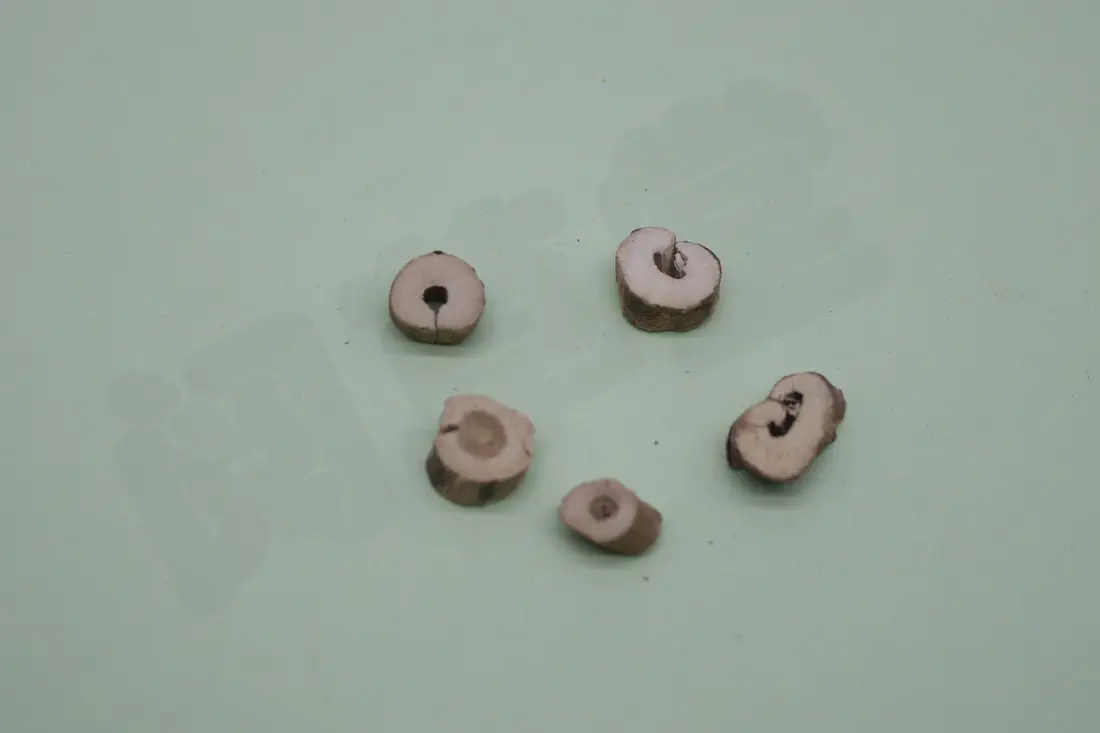
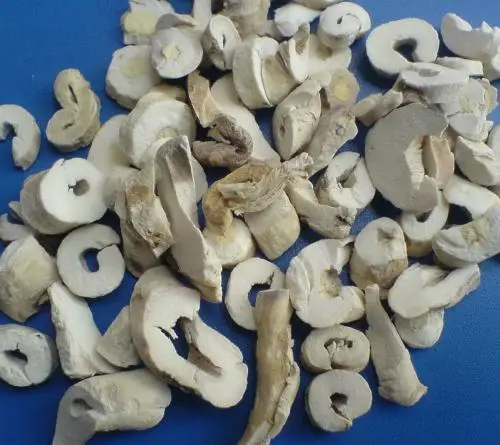
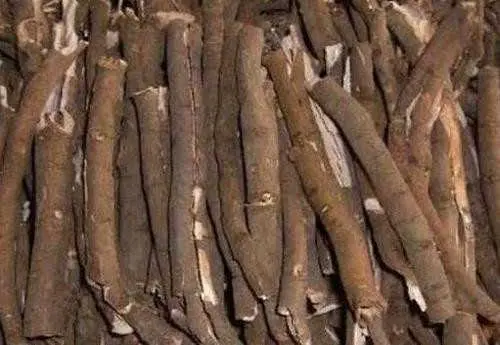
Lian Dan Pi: cylindrical or semi-cylindrical, with longitudinal cracks, slightly curled inward or open, 5-20 cm long, 0.5-1.2 cm in diameter, 0.1-0.4 cm thick. Outer surface grayish-brown or yellowish-brown, with numerous transverse lenticel-like protrusions and fine rootlet scars; pink where the cork has fallen off. Inner surface pale grayish-yellow or light brown, with obvious fine longitudinal striations and often shining crystals. Texture hard and brittle, easily broken, fracture relatively flat, pale pink, powdery. Odor aromatic; taste slightly bitter and astringent.
Gua Dan Pi: Outer surface has scraper marks, reddish-brown or pale grayish-yellow, sometimes with grayish-brown spotted remnants of outer bark.
Properties and actions性味与功效
ActionsClear heat and cool the blood · Invigorate blood and resolve stasis
IndicationsUsed for heat entering the nutrient and blood levels, warm toxin with skin eruptions, hematemesis and epistaxis, night fever with coolness in the morning, bone-steaming fever without sweating, amenorrhea and dysmenorrhea, traumatic injuries, and carbuncles, swellings, and sores.
Dosage6-12 g. Decoct and take orally.
CautionUse with caution in patients with deficiency-cold of the spleen and stomach or yin deficiency with heat, as the herb is slightly cold.
Processing炮制
Mu Dan PiQuickly wash, soften, slice thinly, and sun-dry.
Wine-processed Mu DanMix clean Mu Dan Pi with wine, stir-fry over gentle heat until the wine is absorbed and the color changes, then remove and air-dry.
Mu Dan Pi CharcoalStir-fry clean Mu Dan Pi over strong heat until the outside is black and the inside is charred brown, extinguish sparks, remove, and cool.
Modern research现代药理
Central nervous systemMu Dan Pi has an inhibitory effect on the central nervous system. Paeonol has antipyretic, hypothermic, analgesic, sedative, and anticonvulsant effects.
Anti-inflammatoryMu Dan Pi has anti-inflammatory effects.
AntibacterialMu Dan Pi decoction and peony leaf decoction inhibit various cocci and bacilli.
Immune functionMu Dan Pi, paeonol, and paeoniflorin promote carbon clearance in mice, increase Kupffer cells in the liver and macrophages in the spleen; the decoction increases hemolytic plaque-forming cells in mouse spleen and counteracts the inhibitory effects of cortisone and cyclophosphamide on thymus weight, lymphocyte transformation rate, and natural killer cell activity.
Other effectsMu Dan Pi also has anticancer, free radical scavenging, and hemolysis-inhibiting effects.
Classical records历代本草
Shennong Bencao Jing records its use for cold-heat, wind-stroke, convulsions, epilepsy, and blood stasis. Bencao Gangmu highlights its ability to treat latent fire in the blood level of the hand and foot shaoyin and jueyin meridians, and notes that it is superior to Huang Bo for treating ministerial fire.《神农本草经》:味辛,寒。主治寒热,中风,契从,痉,惊痫,邪气,除徵坚,瘀血留舍肠胃,安五脏,治痈疮。
《本草纲目》:牡丹皮治手、足少阴,厥阴四经血分伏火。盖伏火即阴火也,阴火即相火也。古方惟以此治相火,故仲景肾气丸用之。后人乃专以黄柏治相火,不知牡丹之功更胜也。此乃千载秘奥,人所不知,今为拈出。
赤花者利,白花者补,人亦罕悟,宜分别之。
和血生血凉血,治血中伏火,除烦热。
《本草蒙筌》:味辛、苦,气寒。阴中微阳。无毒。经入足肾少阴,及手厥阴包络。忌葫蒜,畏菟丝。凉骨蒸不遗,止吐衄必用。除癥坚瘀血留舍于肠胃中,散冷热血气攻作于生产后。仍主神志不足,更调经水欠匀。治风痫定搐止惊,疗痈肿排脓住痛。
谟按:牡牝乃天地称,牡则为群花首。花为阴成实,叶为阳发生。丹系赤色象离,阴中之火能泻。故丹溪云:地骨皮治有汗骨蒸,牡丹皮治无汗骨蒸。盖有见于此尔。《本经》又云:主神志不足。神不足,手少阴也;志不足,足少阴也。张仲景八味丸用者,又非主于斯乎。
《开宝本草》:除时气,头痛,客热,五劳,劳气,头腰痛,风噤,癫疾。
《名医别录》:味苦,微寒,无毒。主除时气,头痛,客热,五劳,劳气,头腰痛,风噤,癫疾。
Folklore本草传说
Long ago, a couple in Mangshan, Luoyang, saved a parrot from an eagle. The parrot brought them a magic herb, and they had a son named Yingge. When a plague struck, Yingge sought a cure. An immortal told him to grind a stone into a key to open the Queen Mother's pool and steal golden pills. Yingge took the pills but scattered them over Mangshan to save the villagers. The pills grew into a beautiful flower, which people called 'Mu Dan' (mother's pill), later becoming 'Mu Dan' (peony).
Cultivation and authentication栽培与鉴别
4 cultivation notes and 5 authentication articles exist for this herb. They are long-form field material and are published in Chinese only.
Read them in Chinese →