Pulsatilla Root (Bai Tou Weng)
Bai Tou Weng
PULSATILLAE RADIX
Nature and flavorBitter, cold. Enters the Stomach and Large Intestine meridians.
Meridians enteredStomach, Large Intestine
Dosage9–15 g
Reference market price¥120 / kgBozhou market · spec common grade · 黑龙江 · snapshot 2026-11-21
Pulsatilla Root is a bitter, cold herb used to clear heat and resolve toxicity, cool the blood, and stop dysentery.
Source药物来源
The dried root of Pulsatilla chinensis (Bge.) Regel (Ranunculaceae).
Identification性状特征
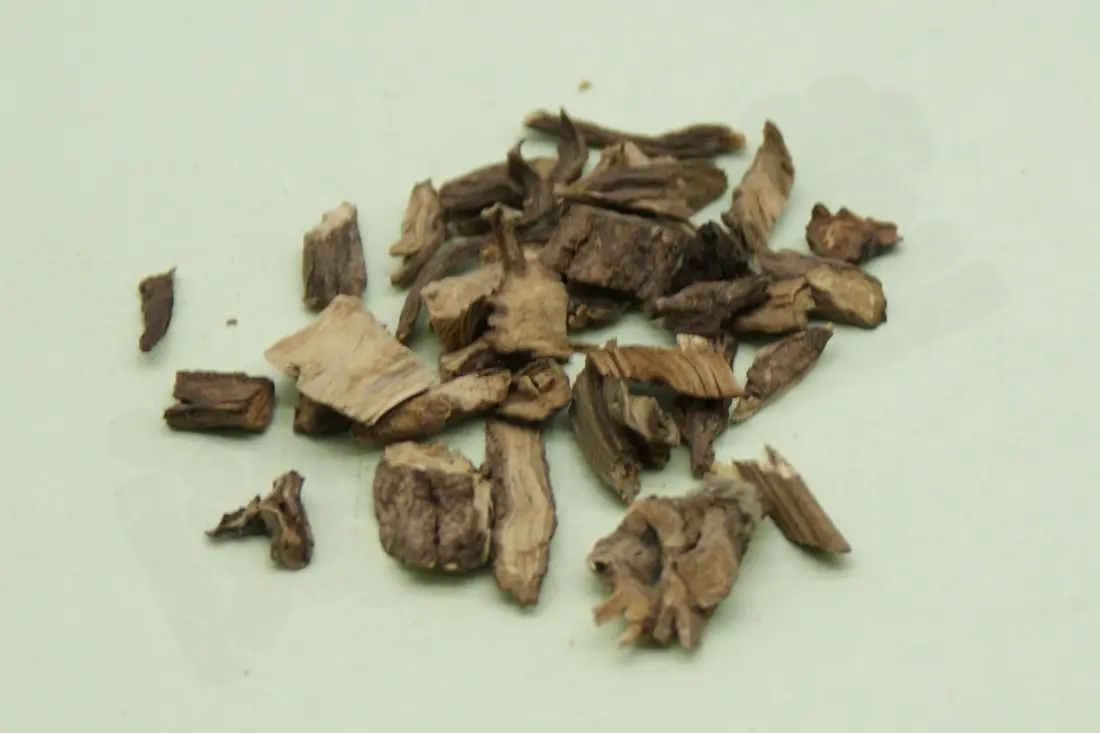
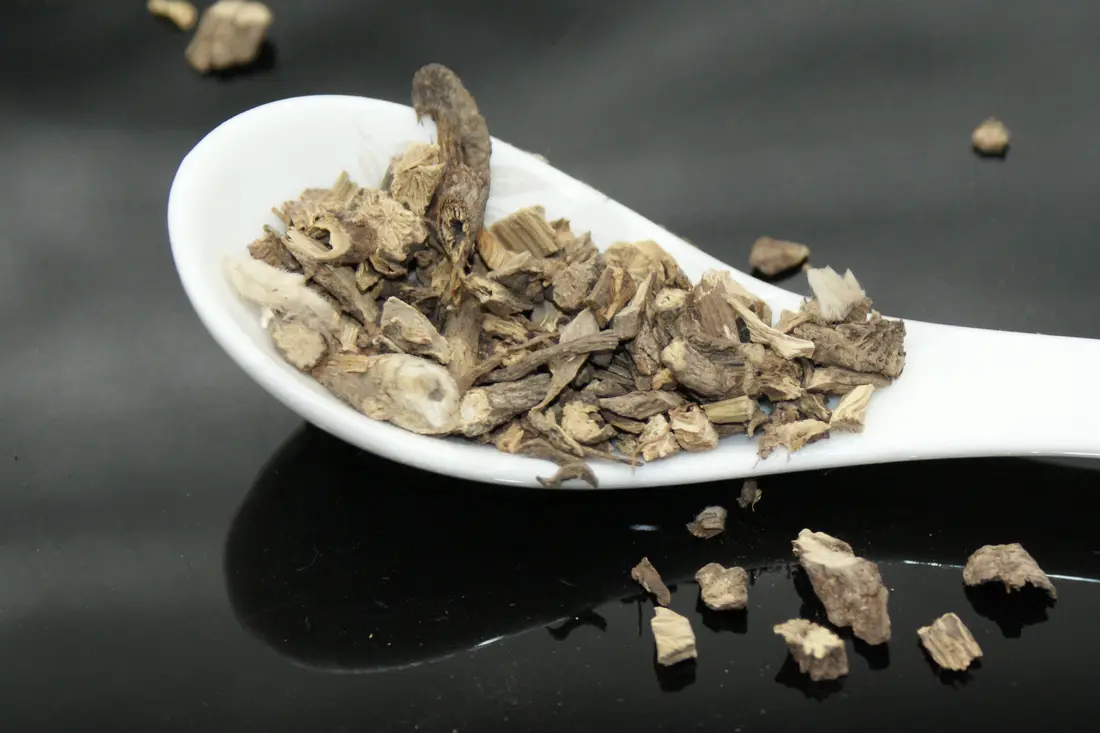
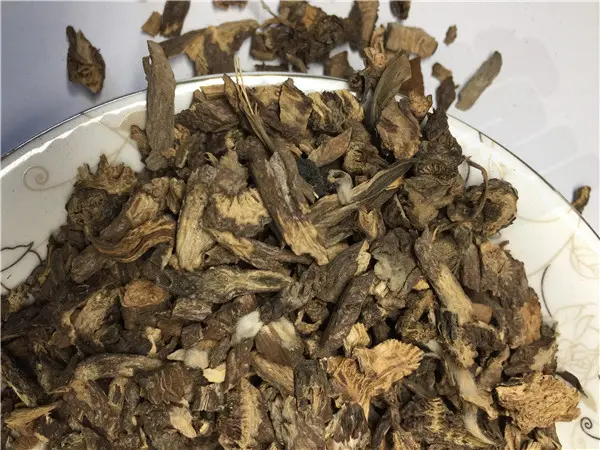
Subcylindrical or conical, slightly twisted, 6–20 cm long, 0.5–2 cm in diameter. Surface yellowish-brown or brownish, with irregular longitudinal wrinkles or grooves; the bark often falls off, revealing yellowish wood; some have reticulate cracks or fissures, and near the root head there are often decayed cavities. The root head is slightly swollen with white hairs; some show sheath-like leaf base remnants. Hard and brittle; fracture shows yellowish-white or pale yellowish-brown bark and pale yellow wood. Odor slight; taste slightly bitter and astringent.
Properties and actions性味与功效
ActionsClear heat and resolve toxicity · Cool the blood and stop dysentery
IndicationsUsed for bloody dysentery due to heat-toxin, genital itching and leukorrhea.
CautionCaution in cases of deficiency-cold of the spleen and stomach.
Processing炮制
Raw Pulsatilla RootRemove impurities, wash, soften thoroughly, slice thinly, and dry.
Modern research现代药理
Antiparasitic effectIn vitro, the decoction at 1:40 completely inhibits the growth of amoeba, and pulsatilla saponins at 1:200 also completely inhibit the protozoa. It also has a marked killing effect on Trichomonas vaginalis.
Antibacterial and antiviral effectsIt inhibits various cocci and bacilli; the aqueous extract significantly inhibits influenza virus PR8 infection in mice.
Anticancer effectPulsatilla saponin A3 has anticancer activity.
Other effectsPulsatilla saponins have strong spermicidal activity; the ethanol extract has sedative, analgesic, and antispasmodic effects.
Classical records历代本草
The Shennong Bencao Jing records it as bitter, warm, non-toxic, mainly for malaria, mania, abdominal masses, and stopping bleeding. The Bencao Mengquan notes its use for dysentery due to red toxicity and its name origin from white hairs resembling an old man.《神农本草经》:味苦,温,无毒。主治温疟,狂易寒热,癥瘕积聚,瘿气,逐血,止痛,治金创。
《本草蒙筌》:味苦,气温。可升可降,阴中阳也。无毒。一云味甘、苦。有小毒。近根底处,白茸寸余,状类老翁,名由此得。主温疟阳狂寒热,治癥瘕积聚腹疼。逐血愈金疮,驱风暖腰膝。消瘰疬,散瘿瘤。小儿头秃膻腥及鼻血衄神效,男子阴疝偏肿并百节骨痛殊功。牙齿痛亦除,赤毒痢必用。
《名医别录》:有毒。主治鼻衄。
《本草图经》:俗医合补下药,甚验,亦冲人。
《本草分经》:苦,寒。入胃、大肠血分,坚肾凉血泻热。
Folklore本草传说
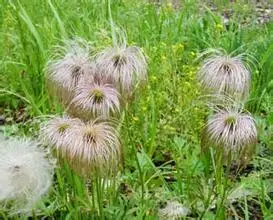
Long ago, a young man named Abao suffered from severe abdominal pain. He met a white-haired old man who pointed to a grassy plant with white hairs and told him its root was medicine. Abao dug it, boiled it, and recovered after drinking it for three days. The old man said he wanted to pass the secret formula to the world through Abao. Later, Abao used it to treat villagers' abdominal pain. The old man never reappeared, and Abao named the herb 'Bai Tou Weng' (white-haired old man) in his honor.
Cultivation and authentication栽培与鉴别
3 cultivation notes and 7 authentication articles exist for this herb. They are long-form field material and are published in Chinese only.
Read them in Chinese →