Calamina
Lu Gan Shi
CALAMINA
Nature and flavorSweet, neutral; enters the Liver and Spleen meridians.
Meridians enteredLiver, Spleen
DosageTopical use, appropriate amount.
Reference market price¥39 / kgBozhou market · spec common grade · 湖南 · snapshot 2026-11-21
Calamina is a mineral remedy used externally in traditional Chinese medicine for eye and skin conditions.
Source药物来源
This product is a carbonate mineral of the smithsonite family, calcite group.
Identification性状特征
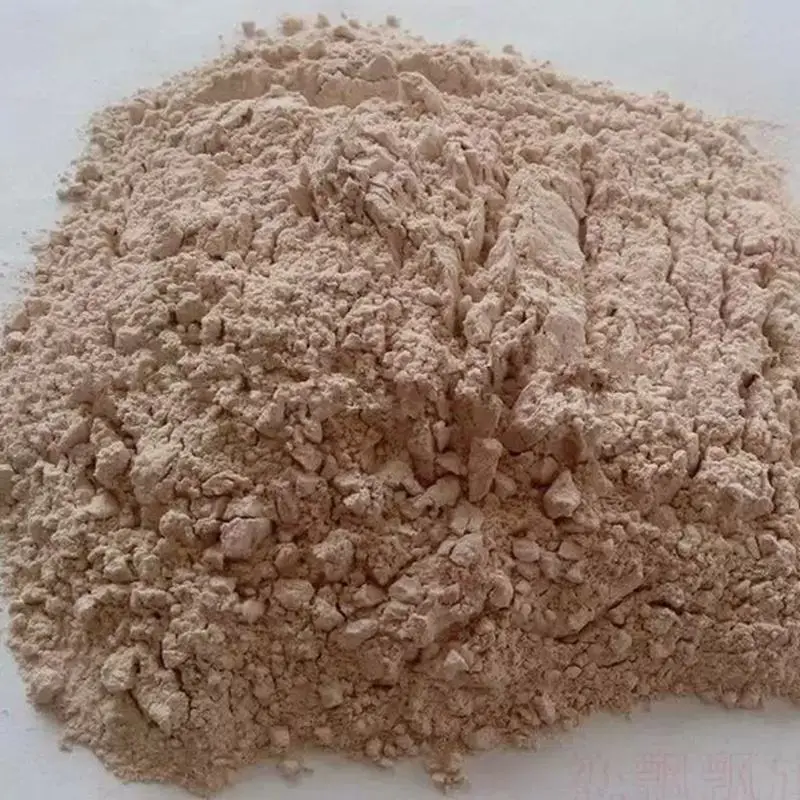
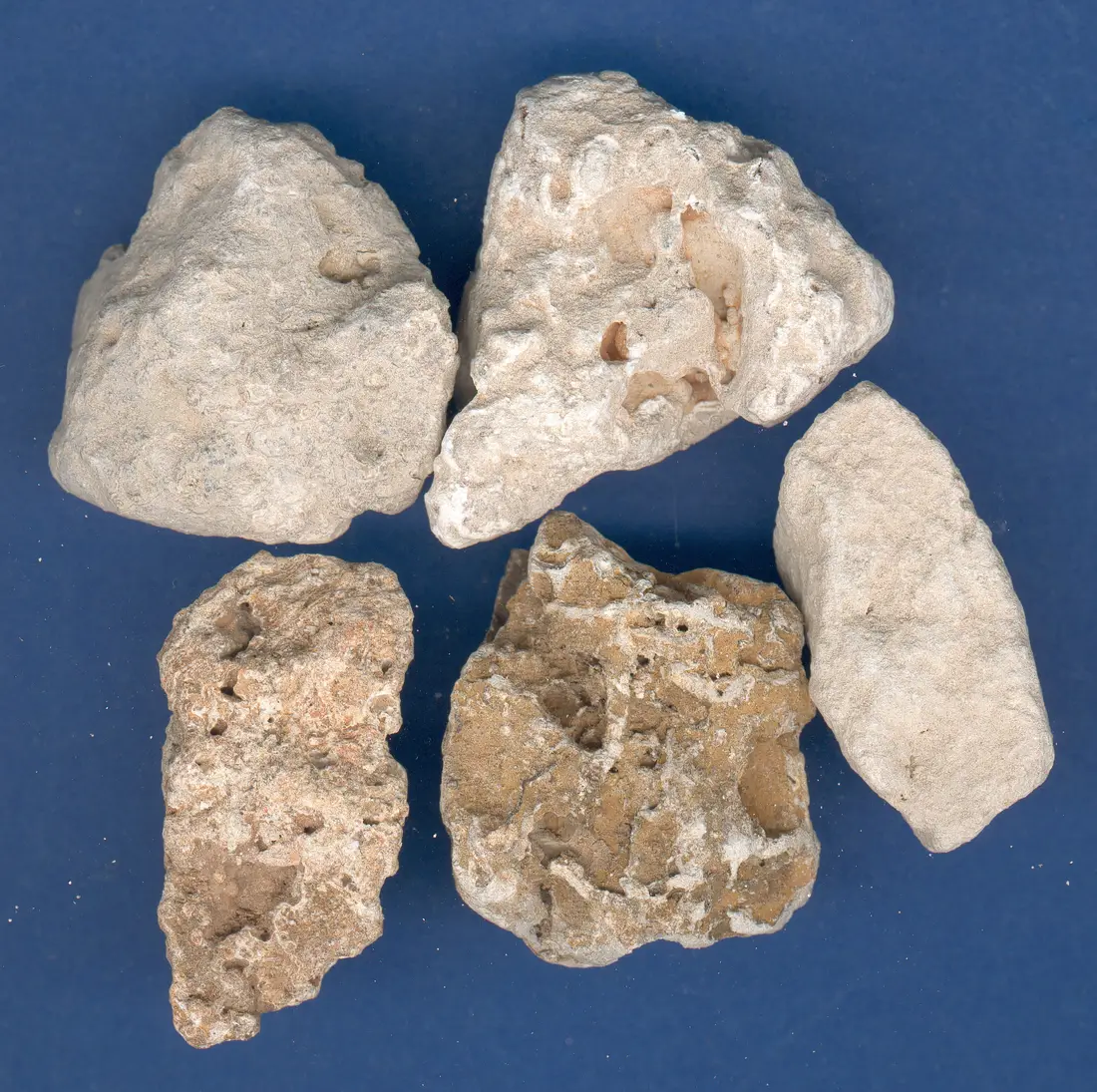
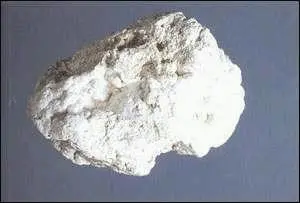
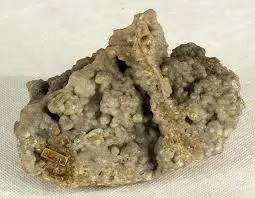
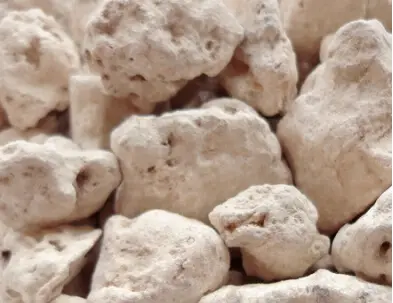
The product is a blocky aggregate, irregular in shape, grayish-white or pale red, with a powdery surface, lusterless, uneven, porous, resembling a honeycomb. Light in weight, easily broken. Slight odor, slightly astringent taste.
Properties and actions性味与功效
Actions
clear heat and resolve toxicity, brighten the eyes and remove corneal opacity · astringe dampness and relieve itching, and promote healing of sores
Indications
Used for red, swollen and painful eyes; red and eroded eyelid margins; corneal opacity covering the pupil; pterygium; non-healing ulcers with copious pus; and weeping, itchy skin lesions.
Dosage
For external use, appropriate amount.
Caution
For external use only. Do not take orally. Use with caution in cases of spleen and stomach deficiency-cold.
Processing炮制
Calamina
Take the raw medicinal material, remove impurities, and crush.
Calcined Calamina
Take clean Calamina, place in a fire-resistant container, heat with strong fire until thoroughly red, remove, immediately immerse in water, stir, and decant the supernatant. Repeat the calcination and quenching of the residue 3–4 times until no longer suspendable. Combine the supernatants, allow to stand, decant the clear water, and dry. (Clinical application: mostly used externally in ophthalmology; requires extremely fine powder, usually after calcination and quenching, further processed by water levigation. For processed Calamina, use the fine powder obtained after water levigation.)
Finished product traits
Calamina is irregular fragments, grayish-white or pale red, uneven, porous like honeycomb, powdery. Light, fragile, slightly astringent. Calcined Calamina is white or grayish-white fine powder, light and loose. Processed Calamina is yellow or deep yellow fine powder, light and loose, bitter.
Processing effects
Neutral nature, sweet flavor. Enters Liver and Heart meridians. Generally not used raw; mostly for external application. After calcination, quenching, and water levigation, the texture is pure and fine, suitable for ophthalmological and external use. Used for red, swollen and painful eyes, red and eroded eyelid margins, corneal opacity and pterygium, non-healing ulcers, copious pus, eczema, and skin itching.
Modern research现代药理
Astringent, antiseptic, and protective
Calamina can astringe, antiseptic, and protect wounds.
Antibacterial effect
Calamina has a certain antibacterial effect.
Classical records历代本草
The Bencao Gangmu records that Calamina stops bleeding, reduces swelling and toxicity, promotes tissue regeneration, brightens the eyes, removes corneal opacity, and dries dampness. The Bencao Jingshu notes its sweet and warm nature invigorates blood vessels, disperses swelling and pain, and with its astringent property, it can adhere to and remove corneal opacities.
《本草纲目》:止血,消肿毒,生肌,明目,去翳退赤,收湿除烂,同龙脑点治目中一切诸病。
《本草经疏》:炉甘石,受金气而结。味应甘辛,气温无毒,其性带涩。经曰:荣气不从,逆于肉里,乃生痈肿。甘温能通畅血脉,则肿痛散,血自止,肌肉生也。又目得血而能视,风热上壅则目为赤烂浮翳。甘入脾而益血,辛温能散风热,性涩则能粘物,故同除翳药点目翳,及治目中一切病也。
《本草求真》:[批]活血脉,散风热。
炉甘石专入胃。甘辛而涩,气温无毒,其性专入阴明胃。盖五味惟甘为补,惟温为畅,是能通和血脉,故肿毒得此则消,而血自能克止,肌亦自克能生也。辛温能散风热,性涩能沾翳膜,故凡目翳得此,即能拨云也。《宣明方》,炉甘石、青矾、朴硝等分为末,每用一字,沸汤化,湿洗、日三次。有用此治下疳阴湿,并齿疏陷物者,亦此义耳。炉甘石火煅醋淬五次,一两,孩儿茶三钱,为末,麻油调敷立愈。又《集玄方》,因齿疏陷,用炉甘石煅,寒水石等分为末,每用少许擦牙,忌用铜刷,久久自密。时珍常用甘石煅飞、海螵蛸、硼砂,等分为细末,朱砂依分减半,同入点诸目病皆妙。
《得配本草》:甘,温。阳明经药也。受金银之气,故治目疾为要药。时珍常用炉甘石煅淬,海螵蛸、硼砂各一两,为细末,以点诸目病,甚妙。入朱砂五钱,则性不粘。
得枯矾、胭脂、麝香,吹聤耳出汁;得真蚌粉,扑阴汗湿痒。配孩儿茶,搽下疳阴疮;配青黛、冰片,搽下疳。
凡用炉甘石,以炭火煅红,童便淬;或黄连煎水淬七次,洗净研粉,水飞过,晒干用。
《景岳全书》:味甘涩,性温。能止血消肿毒,生肌敛疮口,去目中翳膜赤肿,收湿烂。同龙脑点,治目中一切诸病。
Audio and video语音与视频
Narration · Chinese · 7:34
Latin name · pronunciation
Photographs药材图片
Cultivation and authentication栽培与鉴别
0 cultivation notes and 1 authentication articles exist for this herb. They are long-form field material and are published in Chinese only.
Compiled from public Chinese materia medica sources for study and reference. Not medical advice.
Chinese version · All herbs
Chinese version · All herbs