Zi Wan (Aster root and rhizome)
Zi Wan
ASTERIS RADIX ET RHIZOMA
Nature and flavorPungent, bitter, warm. Enters the lung meridian.
Meridians enteredLung
Dosage5–10 g
Reference market price¥14 / kgBozhou market · spec common grade · 河北 · snapshot 2026-11-21
Zi Wan is a traditional Chinese herb used to moisten the lung, resolve phlegm and relieve cough.
Source药物来源
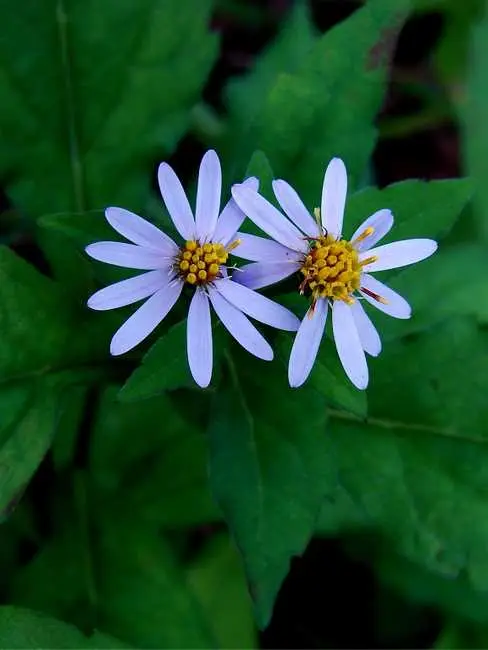
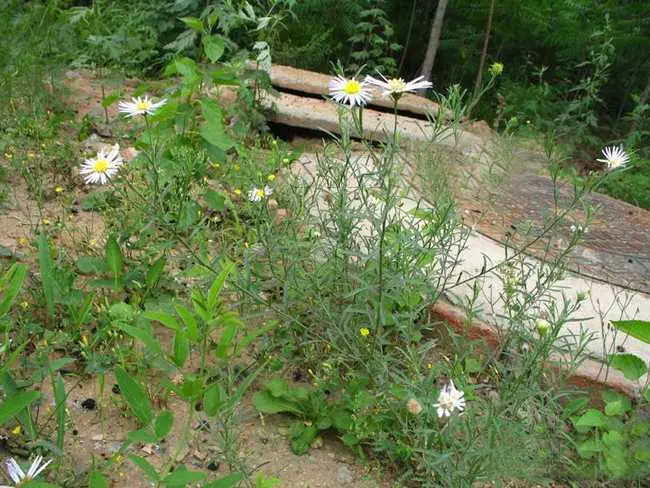
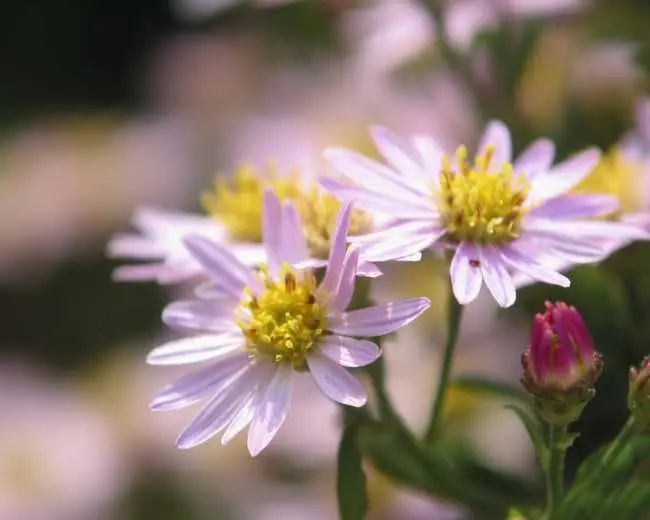
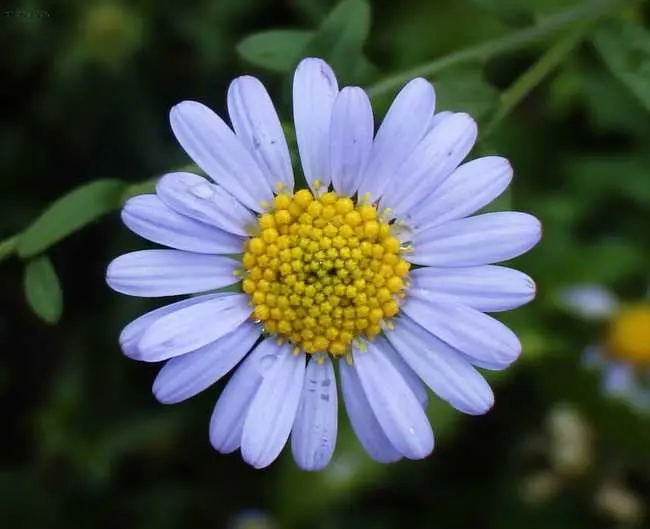
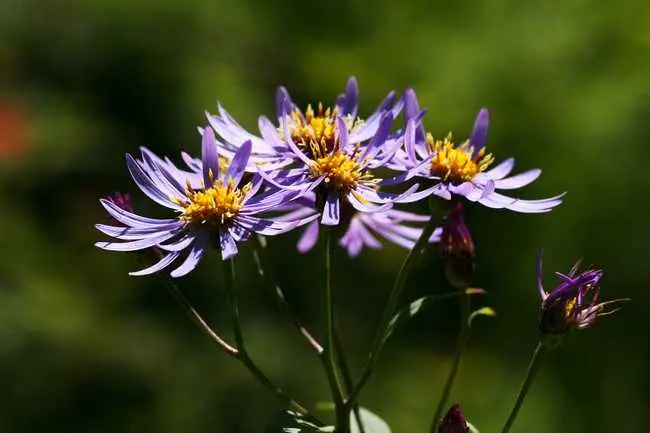
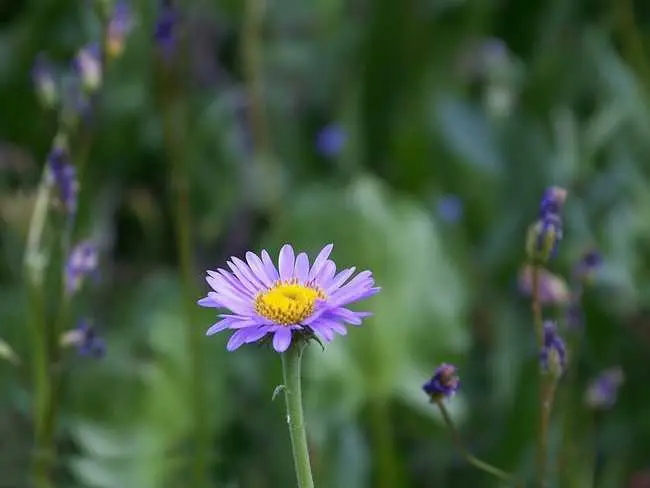
The dried root and rhizome of Aster tataricus L.f. (family Asteraceae).
Identification性状特征
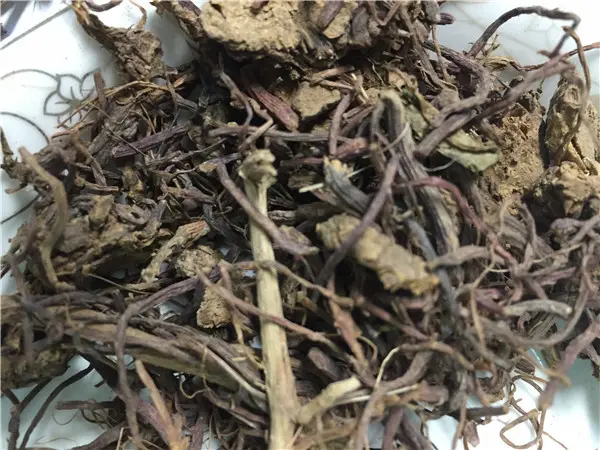
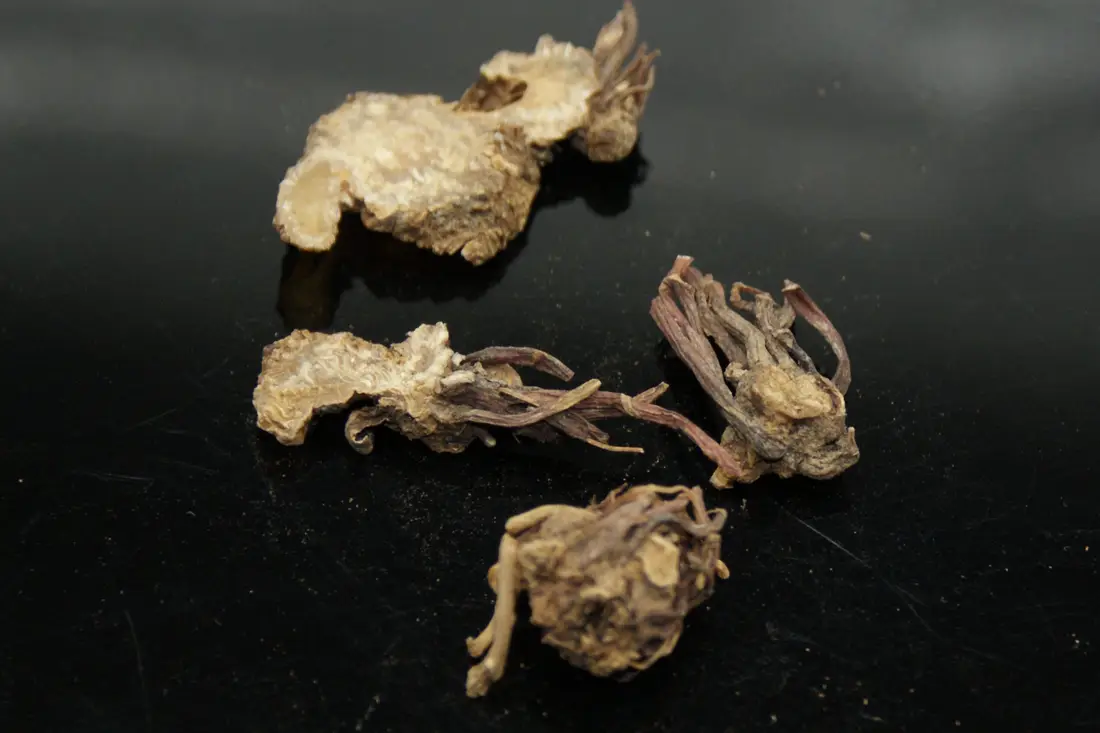
Rhizome irregular, lumpy, variable in size, with remnants of stems and leaves at the top; texture slightly hard. Many fine roots clustered on the rhizome, 3–15 cm long, 0.1–0.3 cm in diameter, often braided. Surface purplish-red or grayish-red, with longitudinal wrinkles; texture relatively flexible. Slight aromatic odor; taste sweet and slightly bitter.
Properties and actions性味与功效
Actions
Moisten the lung and direct qi downward · Resolve phlegm and relieve cough
Indications
Used for cough and asthma with profuse phlegm, acute and chronic cough, and cough with hemoptysis due to consumptive disease.
Dosage
5–10 g.
Caution
Use with caution in cases of yin deficiency or when there is no phlegm retention.
Processing炮制
Zi Wan (raw)
Remove residual stems and impurities, wash, soften briefly, slice thickly, and dry.
Honey-fried Zi Wan
Mix clean Zi Wan slices with refined honey diluted in boiling water, allow to absorb, then stir-fry over gentle heat until brown and non-sticky. Use 25 kg honey per 100 kg slices.
Modern research现代药理
Antitussive and expectorant effects
Zi Wan has cough-suppressing and phlegm-resolving actions.
Antibacterial and antiviral effects
It inhibits Staphylococcus aureus, various bacilli, pathogenic dermatophytes, and influenza virus to varying degrees.
Diuretic effect
Its active constituent quercetin promotes urination.
Antitumor and hemolytic effects
Zi Wan has shown antitumor activity and also hemolytic properties.
Classical records历代本草
The Shennong Bencao Jing records Zi Wan as bitter and warm, mainly treating cough with qi rising, and calming the five viscera. The Bencao Gangmu calls it a key herb for lung diseases and warns against adulteration.
《神农本草经》:味苦,温。主治咳逆上气,胸中寒热结气,去蛊毒、萎蹶,安五脏。
《本草纲目》:紫菀,肺病要药。今人多以车前、旋复根伪之。肺本自亡津液,又服走津液药,为害滋甚,不可不慎。
《本草蒙筌》:味苦、辛,气温。无毒。忌雷丸、远志,恶瞿麦、天雄。畏茵陈蒿,使款冬蕊。主咳逆痰喘,肺痿吐脓;治小儿惊痫,寒热结气。虚劳不足能补蛊毒痿躄堪驱。仍佐百部款冬,研末姜梅汤下。共治久嗽,立建神功。款冬蕊各一两,百部五钱为末,每服三钱。生姜乌梅汤送下食后及临卧时各一服。
《开宝本草》:味苦、辛,温,无毒。疗咳唾脓血,止喘悸,五劳体虚,补不足,小儿惊痫。
《名医别录》:味辛,无毒。主治咳唾脓血,止喘悸,五劳体虚,补不足,小儿惊痫。
Audio and video语音与视频
Narration · Chinese · 7:34
Latin name · pronunciation
Photographs药材图片
Cultivation and authentication栽培与鉴别
5 cultivation notes and 4 authentication articles exist for this herb. They are long-form field material and are published in Chinese only.
Compiled from public Chinese materia medica sources for study and reference. Not medical advice.
Chinese version · All herbs
Chinese version · All herbs