Mint (Bo He)Materia Medica

Mint (Bo He)

Bo He
MENTHAE HAPLOCALYCIS HERBA
Nature and flavorPungent, cool; enters the Lung and Liver meridians.
Meridians enteredLung, Liver
Dosage3–6 g, added near the end of decoction.
Reference market price¥5 / kgBozhou market · spec 全棵 · 江苏 · snapshot 2026-11-21

Mint is a classic herb for wind-heat colds, sore throat, and skin eruptions.

Source药物来源

Dried aerial parts of Mentha haplocalyx Briq. (Lamiaceae).

Identification性状特征

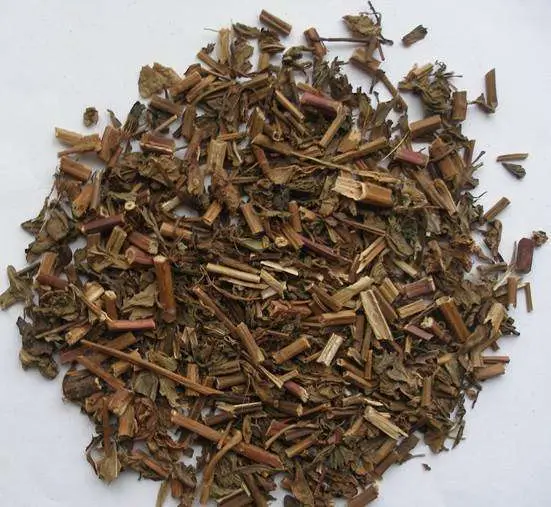
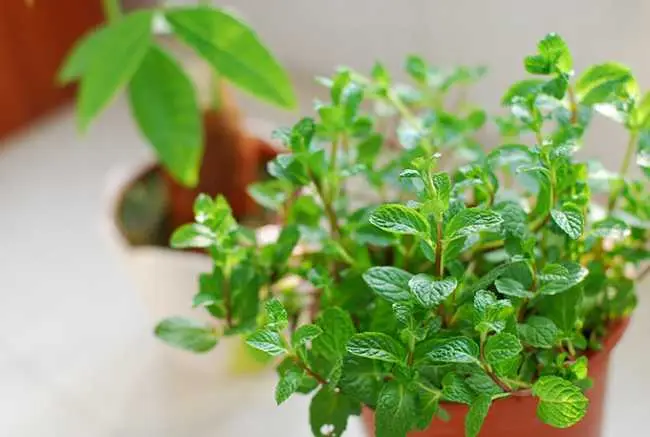
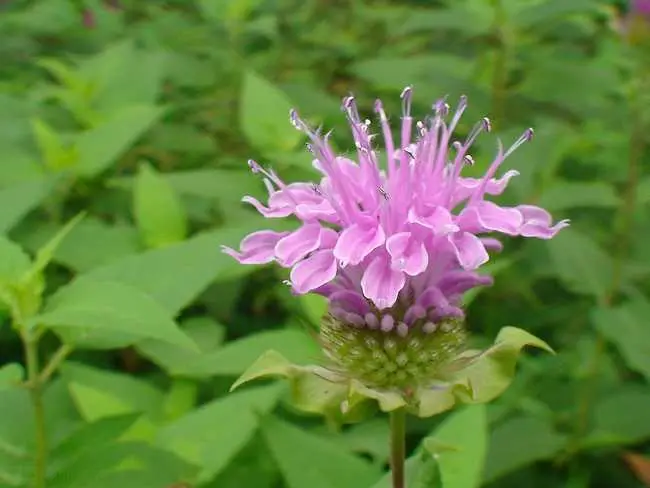
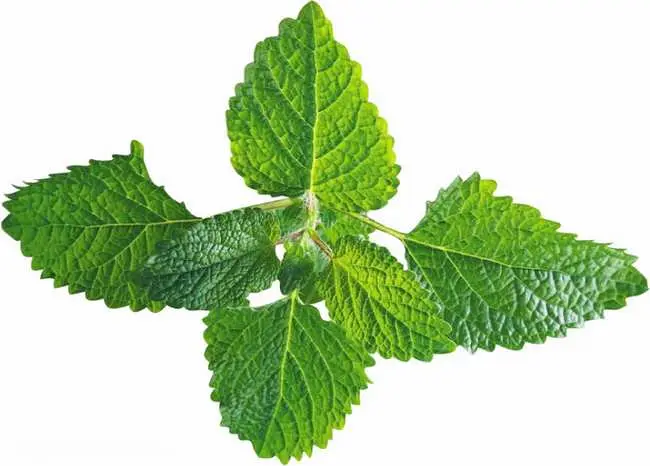
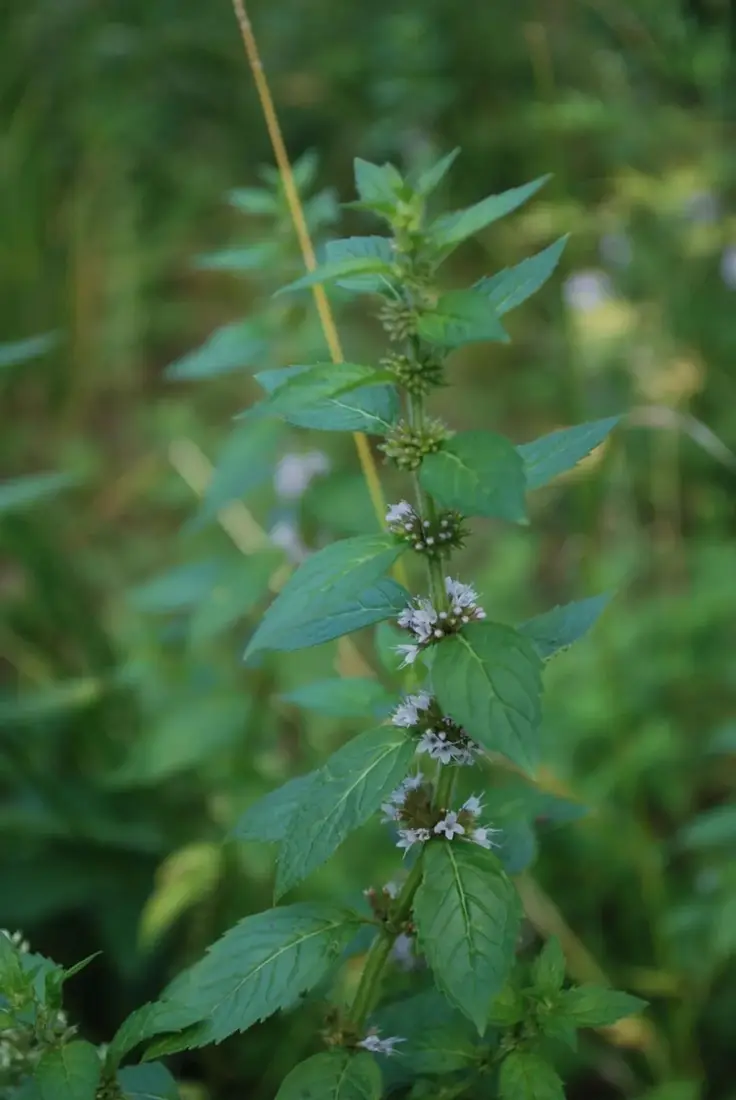
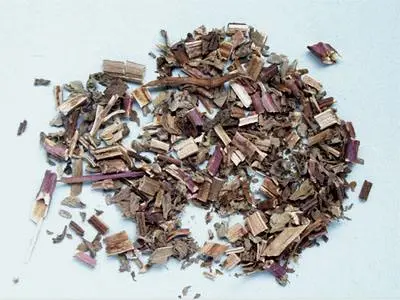
Stems are square, with opposite branches, 15–40 cm long, 0.2–0.4 cm in diameter; surface purple-brown or pale green, hairy at angles, internodes 2–5 cm; brittle, fracture white with hollow pith. Leaves opposite, short-petioled; blades wrinkled and curled, when flattened broadly lanceolate, long-elliptic or ovate, 2–7 cm long, 1–3 cm wide; upper surface dark green, lower surface grayish-green, sparsely hairy, with凹陷 dotted glandular scales. Verticillasters axillary; calyx campanulate, 5-toothed; corolla pale purple. After rubbing, a characteristic cooling aroma; taste pungent and cool.

Properties and actions性味与功效
Actions
Disperse wind-heat · Clear the head and eyes · Benefit the throat · Promote eruption · Soothe the liver and promote qi movement
Indications
Used for common cold of the wind-heat type, early stage of warm disease, headache, red eyes, throat impediment (acute sore throat), mouth sores, rubella, measles, and chest and hypochondriac distension.
Dosage
3–6 g, added near the end of decoction.
Caution
Use with caution in cases of deficiency-cold of the spleen and stomach or yin deficiency with spontaneous sweating.
Processing炮制
Raw
Remove old stems and impurities, lightly spray with water, allow to soften slightly, cut into short segments, and dry at low temperature promptly.
Modern research现代药理
Central nervous system effects
Mint has dual excitatory and inhibitory effects on the central nervous system: it dilates skin capillaries, promotes sweat secretion, and increases heat dissipation, thereby reducing fever; peppermint oil and spearmint oil can prolong pentobarbital-induced sleep and reduce spontaneous activity in mice.
Antitussive and expectorant effects
Menthol has a counter-irritant effect that promotes tracheal secretion, thinning viscous mucus and facilitating its expulsion; it also has antitussive effects in humans and guinea pigs.
Antimicrobial effects
Mint decoction inhibits various cocci in vitro; menthol has strong bactericidal activity; mint decoction at 1:20 concentration inhibits ECHO11 virus.
Anti-implantation and anti-early pregnancy effects
Mint has anti-implantation and anti-early pregnancy effects.
Digestive system effects
Peppermint oil, menthol, and menthone inhibit isolated intestinal smooth muscle in mice and rabbits; peppermint oil has antispasmodic (anti-acetylcholine) effects on isolated mouse small intestine; peppermint oil has a stomachic effect; oral menthol has a choleretic effect in rats.
Local stimulant effects
Menthol stimulates skin nerve endings, first producing a cooling sensation, then slight warmth, and slowly penetrates the skin, causing prolonged hyperemia and reflex changes in deep blood vessels, thereby exerting therapeutic effects.
Classical records历代本草
The Bencao Gangmu notes that mint benefits the throat and mouth, treats scrofula and itching, and stops nosebleeds when the crushed leaves are inserted into the nose. The Bencao Mengquan describes it as pungent, bitter, warm, and non-toxic, entering the Pericardium and Lung meridians, and warns against use in patients recovering from illness to avoid sweating and yang exhaustion.
《本草纲目》:利咽喉,口齿诸病,治瘰疠疥,风瘙瘾疹。揉叶塞鼻,止衄血。 薄荷入手太阴,足厥阴,辛能发散,凉能清利,专于消风散热,故头痛头风,眼目、咽喉、口齿诸病,小儿惊热及瘰疠疥为要药。戴元礼治猫咬,取其汁涂之有效,盖取其相制也。 《本草蒙筌》:味辛、苦,气温,气味俱薄,浮而升,阳也。无毒。入手厥阴包络,及手太阴肺经。下气令胀满消弥,发汗俾关节通利。清六阳会首,驱诸热生风。退骨蒸解劳乏,善引药入荣卫。乃因性喜上升,小儿风涎尤为要药。新病瘥者忌服,恐致虚汗亡阳。猫误食之,即时昏醉,盖亦物相感尔。 《开宝本草》:味辛、苦,温,无毒。主贼风伤寒发汗,恶气,心腹胀满,霍乱,宿食不消,下气。 《本草图经》:主伤风头脑风,通关格,及小儿风涎,为要药。 《汤液本草》:手太阴经、厥阴经药。
Folklore本草传说

The name 'mint' is said to come from Greek mythology. Minthe was a beautiful nymph loved by Hades, the god of the underworld. When his jealous wife Persephone discovered this, she transformed Minthe into a plant that emitted a scent repulsive to the underworld, so that all dark beings would flee from it. This plant was mint.
Culinary use民间药膳
Anti-inflammatory Tea
Dandelion 400g, Japanese honeysuckle flower 400g, mint 200g, boat sterculia seed 50g, raw licorice 100g
Grind dandelion and honeysuckle into fine powder, sift half and set aside. Decoct the remaining dandelion and honeysuckle twice, combine and filter the decoction, concentrate to a syrup, mix with starch paste (50g starch plus water), boil to a paste, then mix with the reserved powder to form a soft mass. Granulate through a sieve and dry. Take 7–10g three times daily, infused in boiling water as tea.
Clear heat and resolve toxicity, relieve inflammation and pain.
Isatis and Honeysuckle Tea
Isatis root 30g, honeysuckle flower 10g, mint 5g
Grind the three ingredients into coarse powder, decoct in water and drink as tea.
Clear heat and resolve toxicity, disperse wind and reduce swelling.
Mint Tea
Mint leaves 30 pieces, fresh ginger 2 slices, ginseng 5g, raw gypsum 30g, ephedra 2g
Grind the ingredients into coarse powder, decoct in water, filter the decoction. Drink warm in several divided doses as tea.
Benefit qi and release the exterior, disperse wind and clear heat.
Mulberry, Chrysanthemum, Mint and Bamboo Leaf Drink
Mulberry leaf 5g, chrysanthemum 5g, bitter bamboo leaf 30g, white cogongrass rhizome 30g, mint 3g
Wash all ingredients, place in a teapot, pour boiling water and steep for 10 minutes. Drink frequently, or chill and serve as a beverage.
Disperse wind-heat with pungent-cool herbs.
Audio and video语音与视频
Narration · Chinese · 7:34
Latin name · pronunciation
Narration and video are shared by all language versions and are in Chinese; the images and footage themselves are language-independent.
Photographs药材图片
Mint (Bo He)
Mint (Bo He)
Mint (Bo He)
Mint (Bo He)
Mint (Bo He)
Mint (Bo He)
Mint (Bo He)
Cultivation and authentication栽培与鉴别

23 cultivation notes and 4 authentication articles exist for this herb. They are long-form field material and are published in Chinese only.

Read them in Chinese →

Compiled from public Chinese materia medica sources for study and reference. Not medical advice.
Chinese version · All herbs