Safflower (Hong Hua)Materia Medica

Safflower (Hong Hua)

Hong Hua
CARTHAMI FLOS
Nature and flavorPungent, warm. Enters the heart and liver meridians.
Meridians enteredHeart, Liver
Dosage3–10 g
Reference market price¥90 / kgBozhou market · spec common grade · 云南 · snapshot 2026-11-21

Safflower is a key herb for invigorating blood and dispelling stasis, commonly used for menstrual disorders and traumatic injuries.

Source药物来源

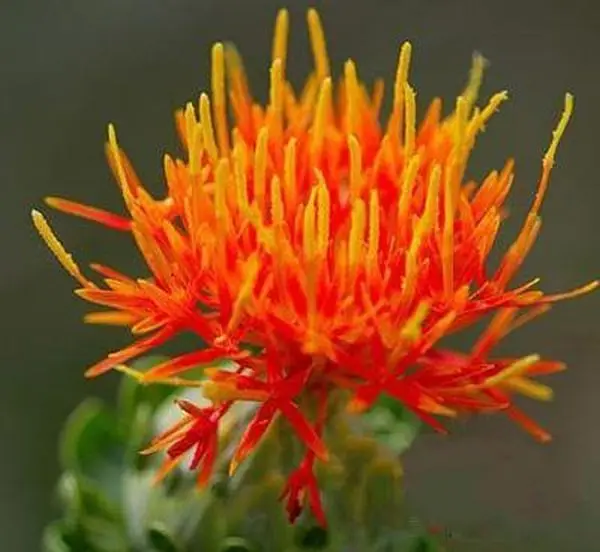
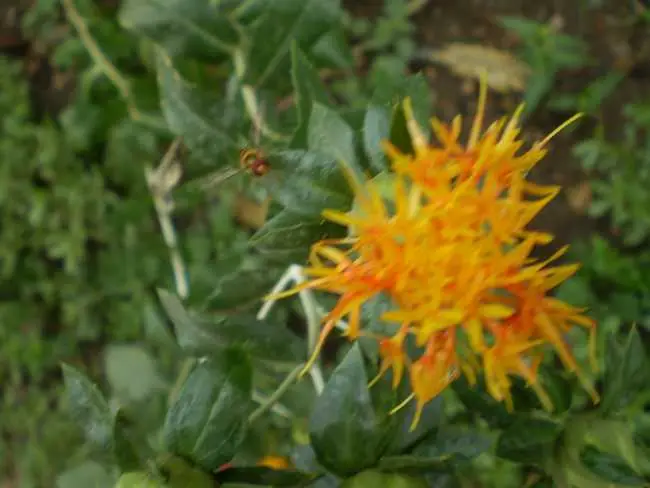
The dried flower of Carthamus tinctorius L. (family Asteraceae).

Identification性状特征

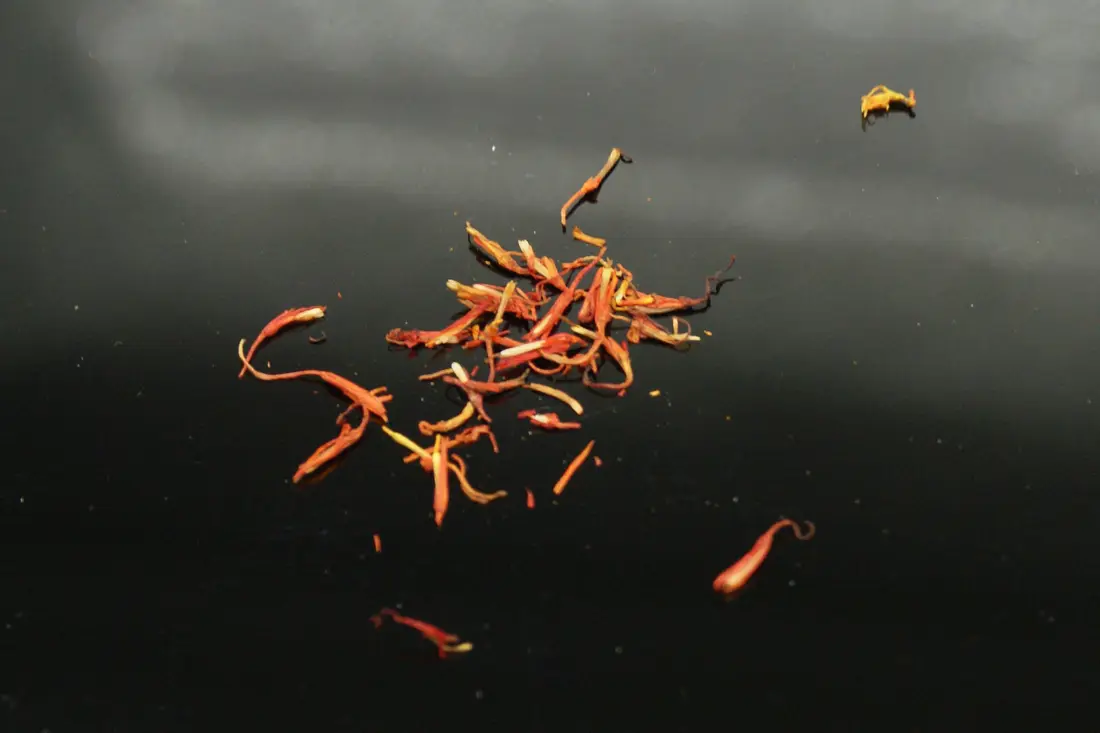
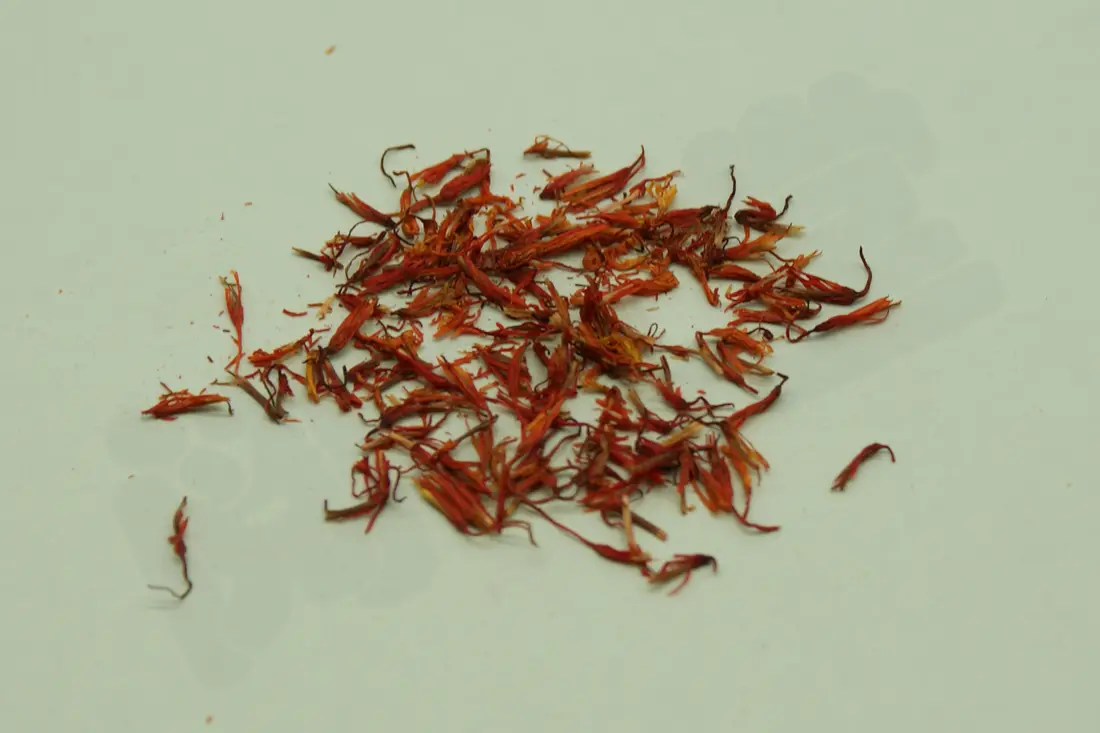
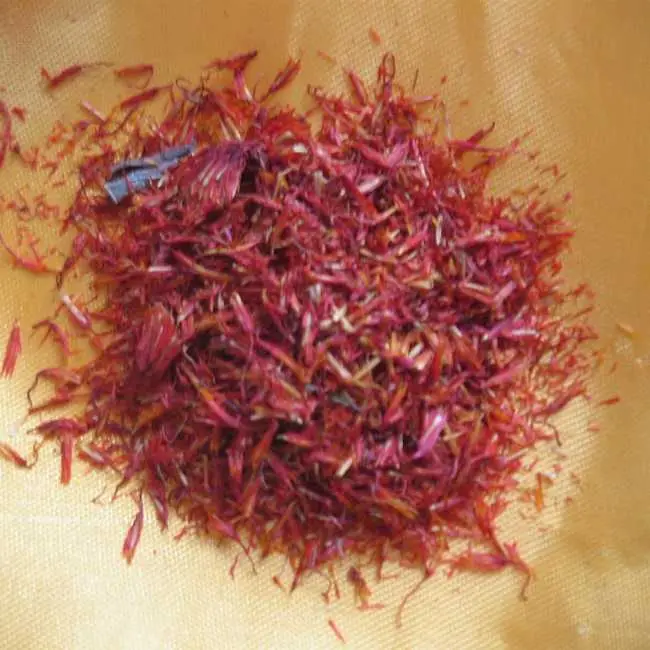
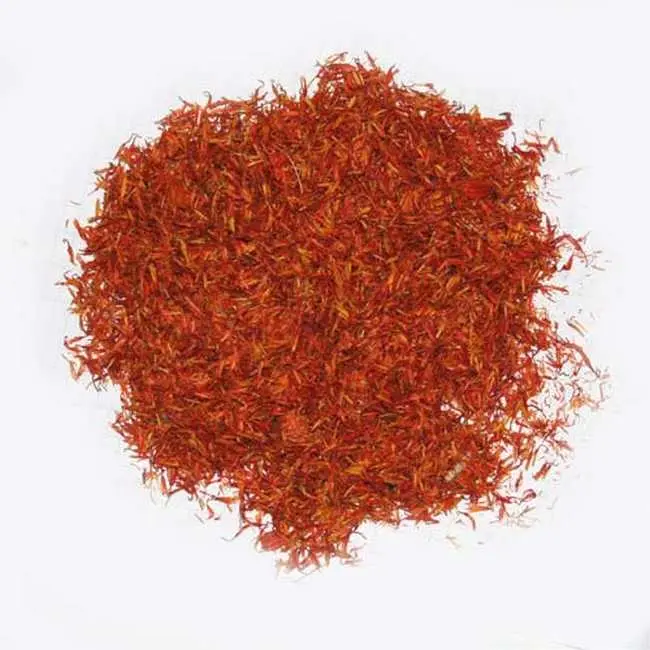
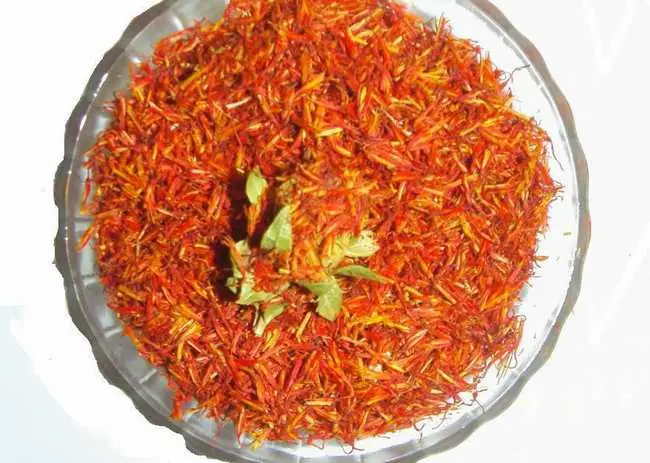
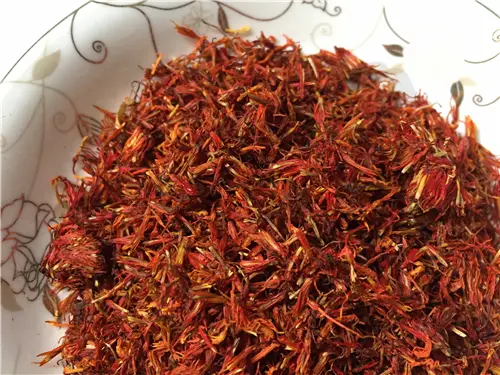
Tubular florets without the ovary, 1–2 cm long. Surface red-yellow or red. Corolla tube slender, apex 5-lobed, lobes narrow, 5–8 mm long; stamens 5, anthers united into a tube, yellow-white; stigma long-cylindrical, apex slightly bifurcate. Texture soft. Slight aromatic odor, slightly bitter taste.

Properties and actions性味与功效
Actions
Invigorate blood and unblock menses · Dispel stasis and relieve pain
Indications
Used for amenorrhea, dysmenorrhea, retention of lochia, abdominal masses, chest bi with heart pain, abdominal pain due to blood stasis, stabbing pain in the chest and hypochondria, traumatic injuries, and carbuncles, swellings, boils and sores.
Dosage
3–10 g, decocted and taken orally.
Caution
Contraindicated in pregnancy. Use with caution in cases of deficiency-cold of the spleen and stomach or in those without blood stasis.
Processing炮制
Raw
Remove impurities.
Modern research现代药理
Platelet aggregation & thrombosis
Safflower yellow pigments II and III and quinone glycoside mother liquor inhibit platelet aggregation and have antithrombotic effects; safflower oil markedly lowers blood lipids.
Cardiac effects
Small doses of safflower decoction enhance myocardial contractility, while large doses inhibit the heart.
Myocardial protection
The decoction significantly protects against acute myocardial ischemia induced by pituitrin; it dilates coronary arteries, increases coronary flow and is anti-myocardial infarction.
Anti-arrhythmic
Safflower yellow pigment has some antagonistic effect on aconitine-induced arrhythmias.
Peripheral vessels & blood pressure
Safflower dilates peripheral vessels; safflower yellow pigment has a hypotensive effect.
Hypoxia tolerance
Safflower yellow pigment and ethanol extract significantly prolong survival time in mice under normobaric and hypobaric hypoxia.
Cerebral & myocardial ischemia
Safflower has protective effects on cerebral ischemic hypoxic encephalopathy and ischemic myocardium.
Anti-inflammatory
Safflower yellow pigment, aqueous extract and 5% methanol extract all have anti-inflammatory effects.
Immune modulation
Safflower yellow pigment has some immunosuppressive effect; safflower polysaccharides have a dual regulatory effect on immune function, both inhibiting and promoting.
Classical records历代本草
The Bencao Gangmu states that safflower enters the heart and liver and harmonizes with the blood, promoting circulation in men and regulating menses in women; large doses invigorate blood while small doses nourish it. The Bencao Jingshu notes its use for postpartum blood dizziness and retained lochia, and warns against overdose causing continuous bleeding.
《本草纲目》:血生于心包,藏于肝。属于冲任,红花汁与之同类,故能行男子血脉,通女子经水。多则行血,少则养血。《养疴漫笔》:新昌徐氏,病产运已死,但胸膈微热。有名医陆氏曰:血闷也。得红花数十斤,乃可活。遂亟购得,以大锅煮汤,盛三桶于窗格之下,舁妇寝其上熏之,汤冷再加。有顷指动,半日乃苏。按此亦得唐许允宗以黄芪汤熏柳太后风病之法也。 活血润燥,止痛散肿,通经。 《开宝本草》:味辛,温,无毒。主产后血运口噤,腹内恶血不尽,绞痛,胎死腹中,并酒煮服。亦主蛊毒下血。 《本草经疏》:红花禀地与火之气,洁古、海藏皆兼甘苦温。阴中之阳,故入心。海藏以为肝经血分药也。入酒良,乃行血之要药。其主产后血晕口噤者,缘恶血不下,逆上冲心,故神昏而晕及口噤。入心,入肝,使恶血下行,则晕与口噤自止。腹内绞痛由于恶血不尽,胎死腹中,非行血活血则不下,瘀行则血活,故能止绞痛,下死胎也。凡蛊药之毒必伤血分,此药能行血,血活则毒可解。子主天行疮子者,痘疮因血分有毒,血行则毒散,故主之也。小儿聤耳亦血凝也,血散则耳肿自消矣。 简误:红花本行血药也,血晕解,留滞行,即止。过用能使血行不止而毙,世人所不知者。 《药性解》:红花,味辛,性温,无毒,入心、肝二经。逐腹中恶血而补血虚,除产后败血而止血晕,疗跌扑损伤,疮毒肿胀,老人血少便结,女子经闭不行,催生下胎衣及死胎。其苗生捣敷肿毒。其子吞服数粒,主天行痘疮不出。 按:红花下行血海,宜入足厥阴而逐血。洁古去苦温为阴中之阳,故又入手少阴而补血。然长于行血,欲其补血须少用,或佐补剂。 《药性赋》:味辛,性温,无毒。阳也。其用有四:逐腹中恶血而补血虚之虚,除产后败血而止血晕之晕。
Folklore本草传说

In the Song dynasty, a famous physician Lu Yan was summoned to treat a woman named Xu who had fainted after childbirth and appeared dead except for warmth in the chest. He ordered dozens of jin of safflower to be boiled, and had the woman suspended over the steaming decoction. After a while her fingers moved, and she revived within half a day. The story illustrates safflower's ability to invigorate blood and restore consciousness. Safflower is a key gynecological blood herb, as noted in Zhang Zhongjing's Jinkui Yaolue for wind disorders and abdominal blood stasis pain. Legend has it that safflower was once a beautiful woman who died from depression and menstrual irregularities, and transformed into the herb to treat women's diseases, growing thorns to protect herself.

Culinary use民间药膳
Steamed Hashima with Rose
Dried rose 25 g, safflower, cockscomb, trumpet creeper, wild chrysanthemum 15 g each, rice flour and glutinous rice flour 250 g each, white sugar 100 g.
Soak Hashima oil in warm water for 3 hours until swollen, remove black sinews, wash. Steam ham and cut into thin slices 1–2 cm long. Place swollen Hashima oil in a bowl, add chicken broth to cover, add cooking wine and salt, steam for 1.5 hours, then add MSG and sugar, sprinkle ham slices on top. Serve alone or with meals.
Nourishes yin and moistens the lung, tonifies the kidney and strengthens tendons, beautifies. Suitable for aging, sallow complexion, weakness of limbs, and fatigue due to liver-kidney deficiency; also as a tonic for postpartum weakness and the elderly.
Pearl Oyster Mushroom Salad
Pearl powder 4 g, safflower 2 g, oyster mushrooms 200 g, tofu 200 g, sesame, sugar, soy sauce, salt, Shaoxing wine as needed.
Rinse safflower in water and drain. Remove stems from mushrooms, wash, tear into strips, marinate in soy sauce, sugar and wine. Wrap tofu in clean gauze and press to remove water. Mash tofu, mix with sesame powder, sugar and soy sauce, add mushrooms, mix well, place on plate, sprinkle with pearl powder and safflower. Mix before eating. Serve as a side dish.
Nourishes and invigorates blood, moisturizes skin, beautifies complexion, removes spots. Suitable for pale complexion, melasma, butterfly patches and other pigmentation disorders; also helps acne-like rashes.
Rose Five-Flower Paste
Dried rose 25 g, safflower, cockscomb, trumpet creeper, wild chrysanthemum 15 g each, rice flour and glutinous rice flour 250 g each, white sugar 100 g.
Crush the dried flowers. Mix rice flour and glutinous rice flour, dissolve sugar in water. Add flowers, stir quickly, gradually add sugar water until the powder is evenly moistened and translucent. The paste should hold together when squeezed and crumble when released. Sieve and press into molds, steam over high heat for 12–15 minutes. Eat as snack, 30–50 g each time, once daily.
Promotes qi movement and relieves depression, cools blood and invigorates blood, dispels wind and resolves toxicity. Suitable for chest oppression, freckles and melasma due to liver qi stagnation.
Safflower and Angelica Wine
Safflower 100 g, Angelica sinensis 50 g, red peony root 50 g, cinnamon bark 50 g, 40% edible alcohol as needed.
Grind the herbs into coarse powder, add 1000 ml of 40% edible alcohol. Take 10–20 ml 3–4 times daily. Re-soak the residue with additional solvent for 3–5 days, filter, add wine to 1000 ml. Also for external application on unbroken bruises and sprains.
Invigorates blood and dispels stasis, warms meridians and unblocks collaterals. Suitable for bruises, sprains, and abdominal pain with blood stasis and amenorrhea.
Steamed Squab with Safflower and Notoginseng
Notoginseng 5 g, safflower 6 g, squab 1, cooking wine 10 g, salt 3 g, scallion 10 g, ginger 5 g, soy sauce 10 g, brown sugar 5 g, vegetable greens 100 g.
1. Remove impurities from safflower; grind notoginseng into powder; slaughter squab, remove feathers, innards and claws, wash; shred ginger, cut scallion into sections; cut greens into 4 cm lengths.
.
Braised Beef with Safflower
Beef 300 g, potato 200 g, carrot 70 g, safflower 20 g, ginger slices, scallion sections, Sichuan pepper少许. Seasoning: cooking wine 20 g, salt 2 g.
① Wash and peel potato, dice; wash carrot, cut into chunks; wash beef, dice, blanch, drain. ② Bring water to boil in a clay pot, add beef, safflower, Sichuan pepper, ginger, splash wine, boil over high heat then simmer 90 min. ③ Add potato and carrot, stir well, simmer 15 min. ④ Add salt, sprinkle scallion, stir until flavored. ⑤ Remove from heat and serve in bowls.
Tonifies qi and invigorates blood, dissipates cold and warms the uterus.
Audio and video语音与视频
Narration · Chinese · 7:34
Latin name · pronunciation
Narration and video are shared by all language versions and are in Chinese; the images and footage themselves are language-independent.
Photographs药材图片
Safflower (Hong Hua)
Cultivation and authentication栽培与鉴别

35 cultivation notes and 34 authentication articles exist for this herb. They are long-form field material and are published in Chinese only.

Read them in Chinese →

Compiled from public Chinese materia medica sources for study and reference. Not medical advice.
Chinese version · All herbs