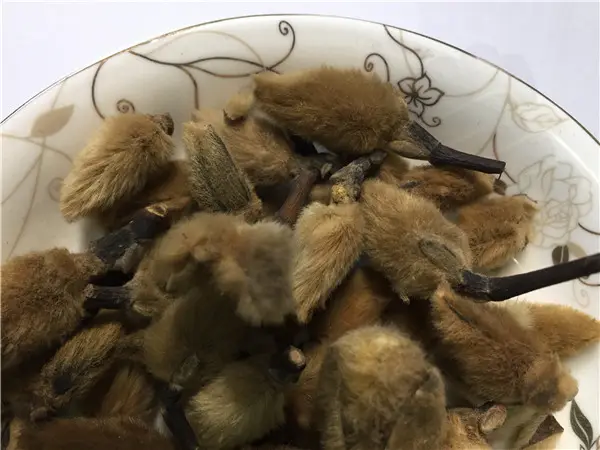
Magnolia Flower (Xin Yi)
Magnolia Flower (Xin Yi) is a wind-cold dispersing herb used for nasal congestion, rhinitis and sinusitis.
The dried flower buds of Magnolia biondii Pamp., Magnolia denudata Desr. or Magnolia sprengeri Pamp. (family Magnoliaceae).
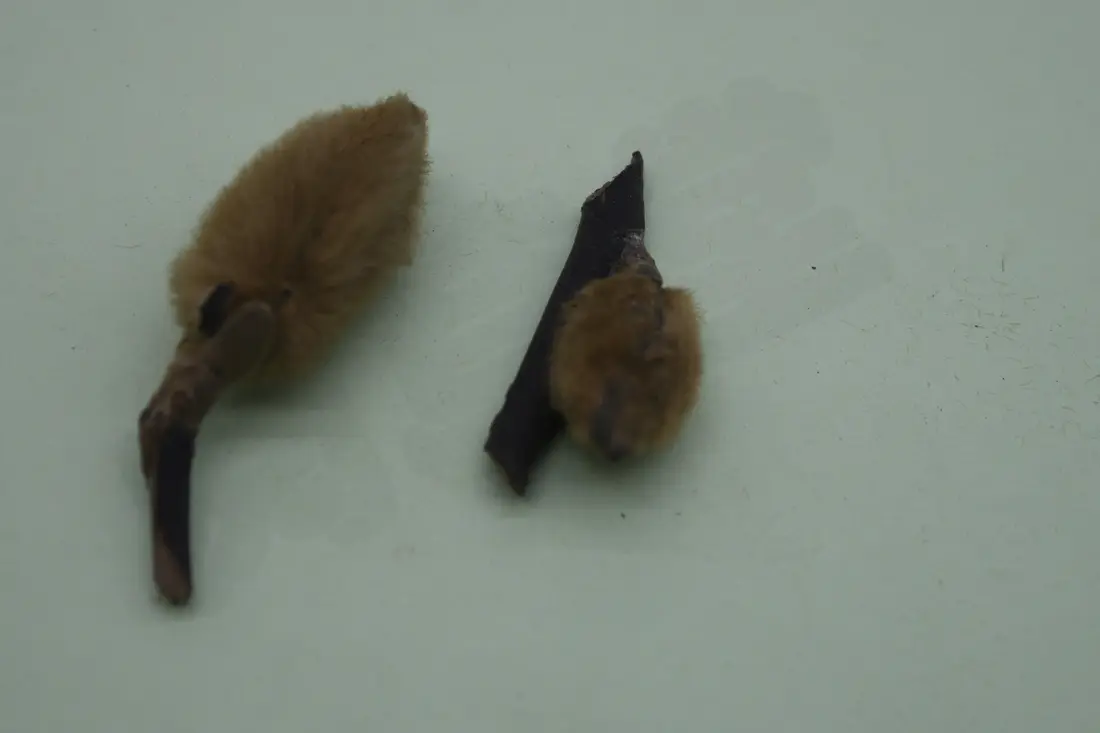
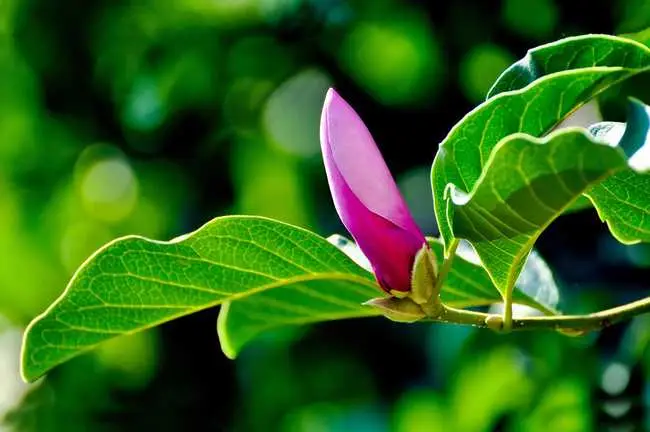
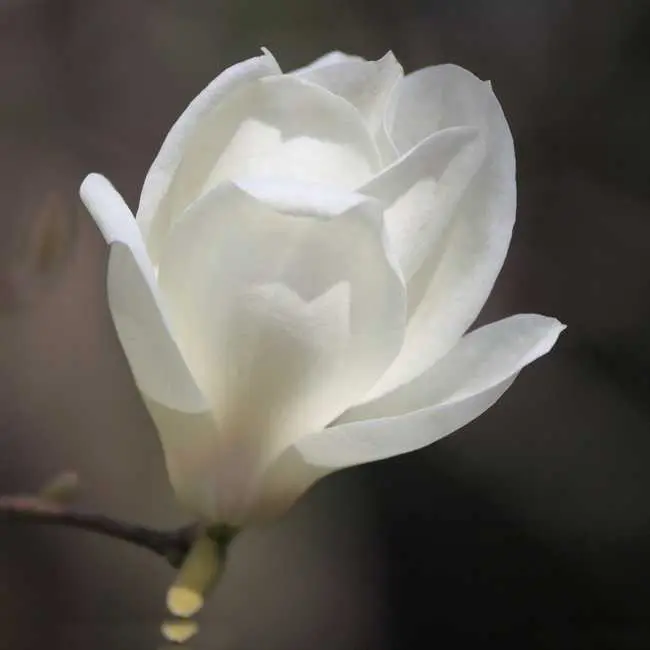
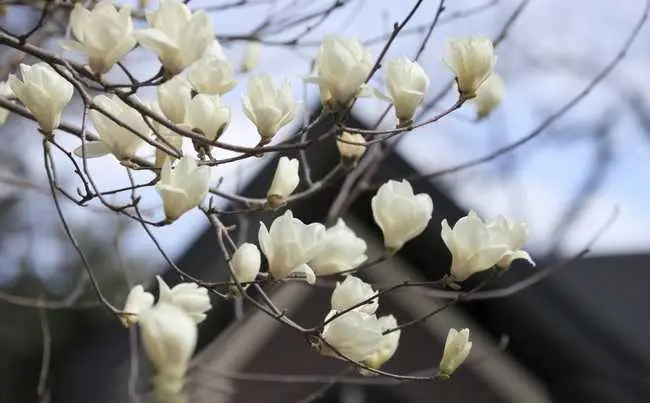
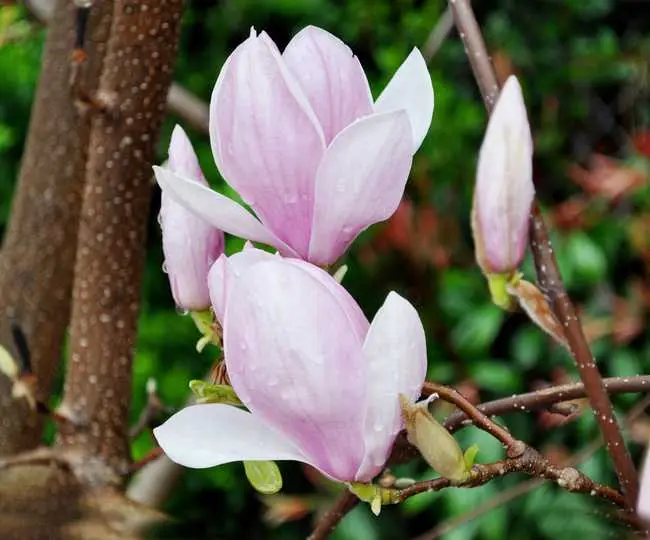
Magnolia biondii: long ovoid, resembling a writing brush tip, 1.2–2.5 cm long, 0.8–1.5 cm in diameter. Base often with a short stalk about 5 mm long, with whitish dot-like lenticels. Bracts in 2–3 layers, 2 per layer, with small scaly buds between layers; outer surface densely covered with grayish-white or grayish-green pubescence, inner surface brownish and hairless. Tepals 9, brown; outer whorl 3, linear, about 1/4 the length of inner whorls, sepal-like; inner two whorls 6, 3 per whorl, arranged in whorls. Stamens and pistils numerous, spirally arranged. Light, brittle. Aromatic odor; pungent, cool, slightly bitter taste. Magnolia denudata: 1.5–3 cm long, 1–1.5 cm in diameter. Base stalk stouter, lenticels light brown. Outer surface of bracts densely covered with grayish-white or grayish-green pubescence. Tepals 9, inner and outer whorls similar. Magnolia sprengeri: 2–4 cm long, 1–2 cm in diameter. Base stalk stout, lenticels reddish-brown. Outer surface of bracts densely covered with pale yellow or pale yellow-green pubescence; sometimes outermost bracts have lost pubescence and appear dark brown. Tepals 10–12 (15), inner and outer whorls without significant difference.
A scholar named Qin suffered from chronic headaches and foul nasal discharge. After traveling to a foreign land, an old man taught him to eat flower buds boiled with eggs. He recovered within half a month and brought seeds home, successfully treating others. When asked the name, he recalled the herb came from the Yi people and called it 'Xin Yi Hua'.
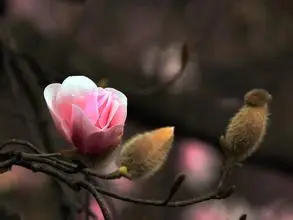
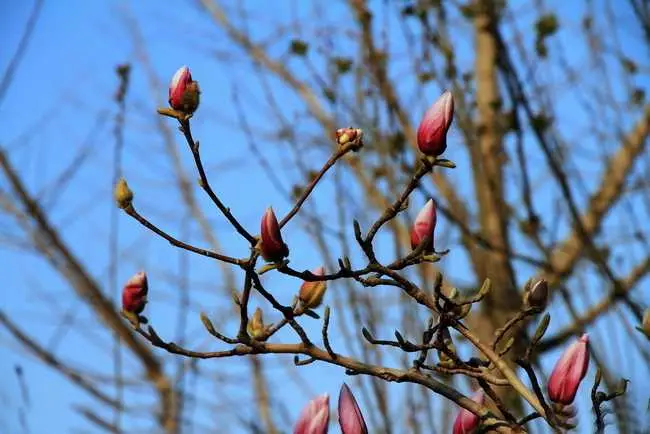
10 cultivation notes and 6 authentication articles exist for this herb. They are long-form field material and are published in Chinese only.
Chinese version · All herbs