Xi Xin (Asarum herb)
Xi Xin
ASARI RADIX ET RHIZOMA
Nature and flavorPungent, warm; enters the Heart, Lung and Kidney meridians.
Meridians enteredHeart, Lung, Kidney
Dosage1–3 g; 0.5–1 g per dose as powder; appropriate amount for external use.
Reference market price¥255 / kgBozhou market · spec common grade · 辽宁 · snapshot 2026-11-21
Xi Xin is a warm, pungent herb used to release the exterior, dispel wind, relieve pain and open the orifices.
Source药物来源
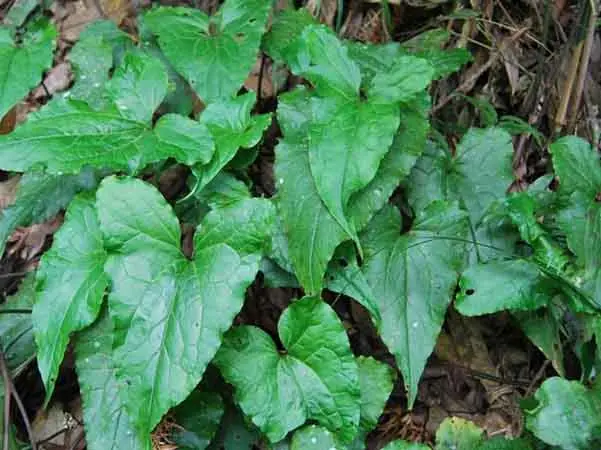
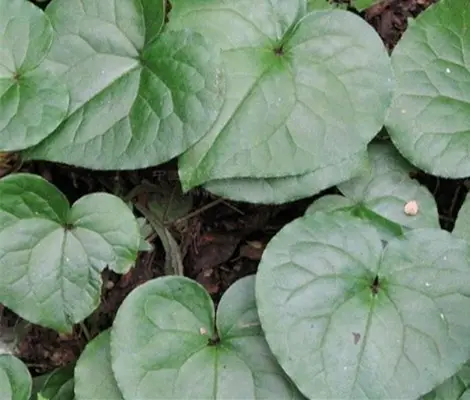
The dried roots and rhizomes of Asarum heterotropoides Fr. Schmidt var. mandshuricum (Maxim.) Kitag., Asarum sieboldii Miq. var. seoulense Nakai, or Asarum sieboldii Miq. (family Aristolochiaceae).
Identification性状特征
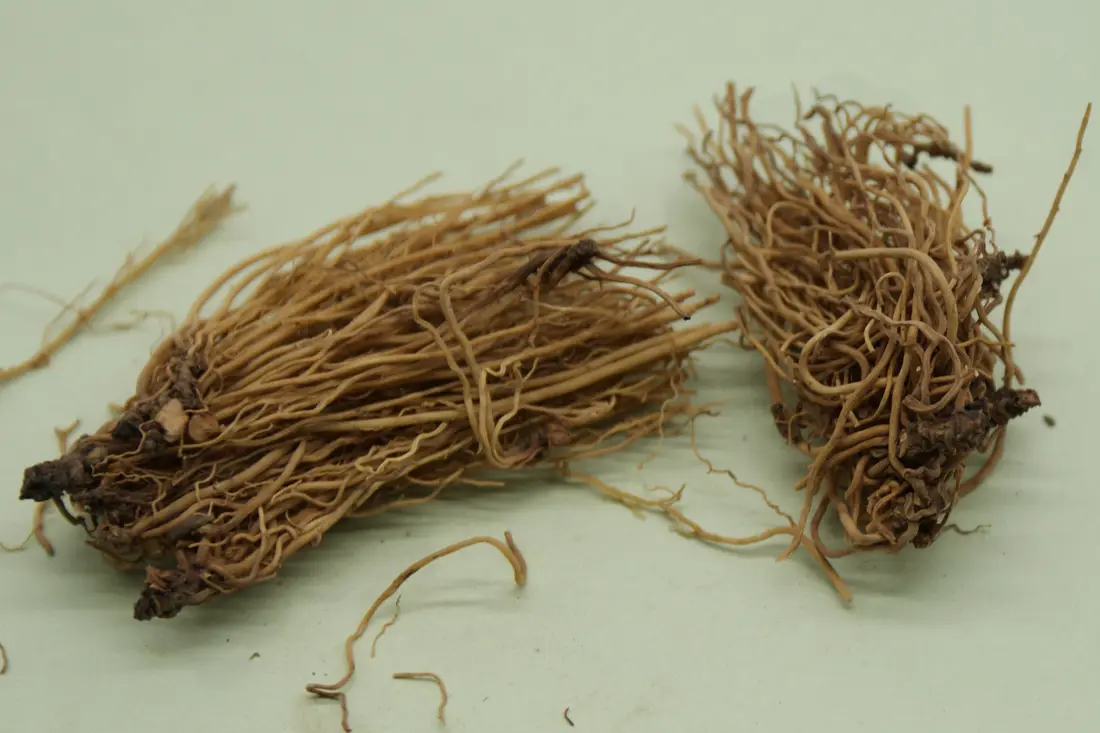
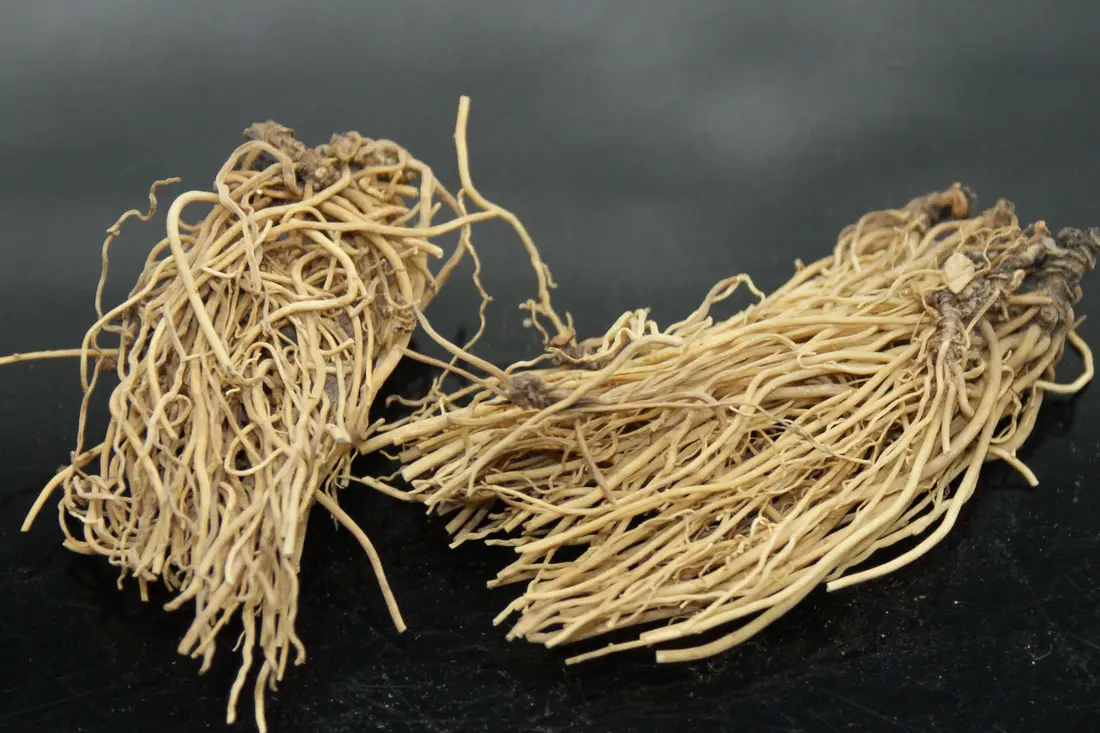
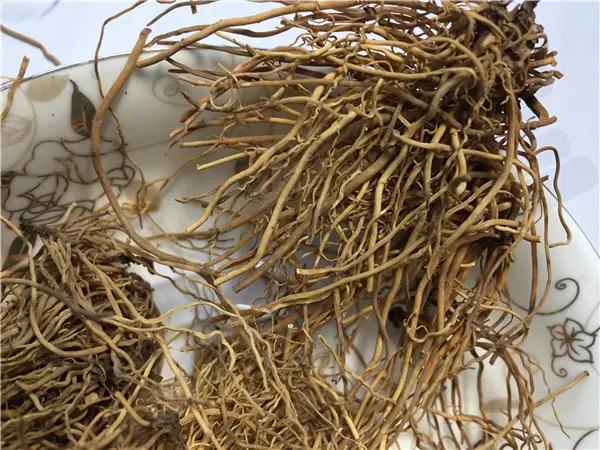
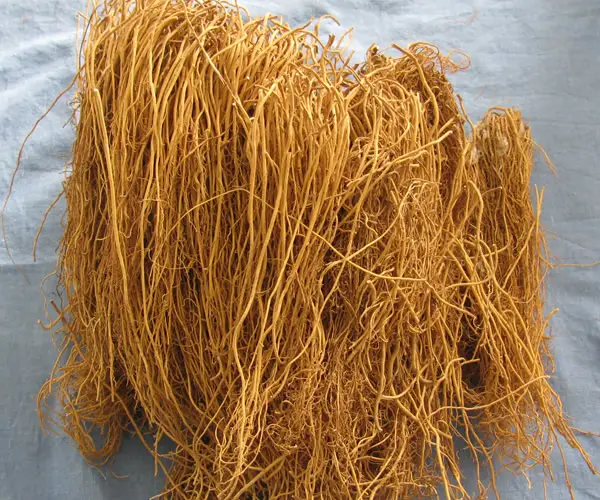
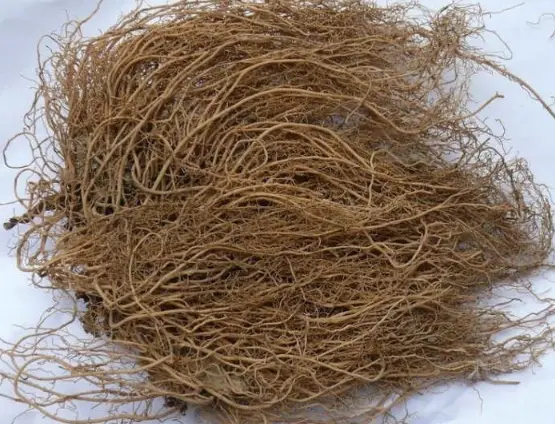
Beixixin: often curled into a mass. Rhizome horizontal, irregularly cylindrical, with short branches, 1–10 cm long, 0.2–0.4 cm in diameter; surface grayish-brown, rough, with annular nodes, internodes 0.2–0.3 cm; branch tips with bowl-shaped stem scars. Roots slender, densely growing on nodes, 10–20 cm long, 0.1 cm in diameter; surface grayish-yellow, smooth or with longitudinal wrinkles; with fibrous roots and rootlet scars; brittle, easily broken, fracture flat, yellowish-white or white. Odor pungent and aromatic; taste pungent and numbing.
Hanechengxixin: rhizome 0.1–0.5 cm in diameter, internodes 0.1–1 cm.
Huaxixin: rhizome 5–20 cm long, 0.1–0.2 cm in diameter, internodes 0.2–1 cm; odor and taste weaker.
Properties and actions性味与功效
ActionsRelease the exterior and dissipate cold · Dispel wind and relieve pain · Open the orifices · Warm the lungs and resolve fluid retention
IndicationsUsed for common cold of the wind-cold type, headache, toothache, nasal congestion with discharge, allergic rhinitis, sinusitis, wind-dampness arthralgia, and phlegm-fluid cough and dyspnea.
Dosage1–3 g. As powder, 0.5–1 g per dose. Appropriate amount for external use.
Processing炮制
ProcessingRemove impurities, spray with clean water, moisten slightly, cut into segments, and dry in the shade.
Modern research现代药理
Central nervous systemXi Xin has a significant inhibitory effect on the central nervous system.
Antipyretic and anti-inflammatoryXi Xin has antipyretic and anti-inflammatory effects; its volatile oil administered intragastrically has an antipyretic effect on experimental rabbits and lowers body temperature of normal animals below normal.
Cardiovascular systemXi Xin affects the cardiovascular system: its volatile oil excites isolated frog heart at low doses and inhibits at high doses, causing arrest in diastole; increases coronary flow in isolated guinea pig heart; relaxes isolated rabbit aorta and reduces perfusion flow of isolated rabbit ear; prolongs survival time of mice under normobaric hypoxia; dilates visceral vessels of toad; lowers blood pressure in anesthetized dogs and cats when injected intravenously, while its decoction raises blood pressure in anesthetized cats. The alcohol extract of Xi Xin excites isolated rabbit and guinea pig hearts, showing positive inotropic and chronotropic effects, and significantly improves left ventricular pump function and myocardial contractility in dogs.
Respiratory systemXi Xin affects the respiratory system: the alcohol extract of Asarum sieboldii counteracts morphine-induced respiratory depression; initially briefly reduces and then persistently increases perfusion flow of isolated lung. Methyleugenol in Xi Xin oil significantly relaxes isolated guinea pig trachea.
AntibacterialXi Xin has antibacterial effects against various cocci, bacilli, molds and fungi.
Smooth muscleXi Xin affects smooth muscle: its volatile oil, at low concentration, first increases then decreases tension and increases amplitude of isolated rabbit uterus and intestine, while at high concentration it inhibits; it inhibits isolated rat uterus.
AntioxidantXi Xin has antioxidant effects.
OtherIn addition, the alcohol extract of Asarum sieboldii has local anesthetic effect, and the methanol extract of Xi Xin root has anti-allergic effect.
Classical records历代本草
The Shennong Bencao Jing records Xi Xin as pungent and warm, mainly treating cough, headache, joint contracture, wind-dampness arthralgia and dead muscle. The Bencao Gangmu notes its use for mouth and tongue sores, constipation and trichiasis, explaining that its pungent warmth disperses wind-cold and wind-dampness, and its pungent nature can disperse floating heat and soothe the lungs and liver.《神农本草经》:味辛,温。主治咳逆。头痛,脑动,百节拘挛,风湿痹痛,死肌。
《本草纲目》:治口舌生疮,大便燥结,起目中倒睫。
气之厚者胀发热,阳中之阳也。辛温能散,故诸风寒、风湿头痛、痰饮、胸中滞气、惊痫者宜用之。口疮,喉痹诸病用之者,取其能散浮热,亦火郁发之义也。辛能泄肺,故风寒咳嗽上气者宜用。辛能补肝,故胆气不足,惊痫眼目诸病,宜用。辛能润燥,故通少阴及耳窍,便涩者宜用之。
《本草蒙筌》:味大辛,气温。气厚于味,升也,阳也。无毒。其根甚细,其味甚辛。药中惟采根煎,故因名曰细辛也。反藜芦,忌生菜。畏滑石硝石,恶狼茱狼毒、山茱萸。黄芪虽手少阴引经,乃足少阴本药。或用独活为使,止本经头痛如神,治诸风湿痹立效。安五脏尤益肝胆,温阴经旋去内寒。利窍通精,清痰下气。得归芍牡本芎清痰下气。得归芍牡本芎芷甘草,当归、芍药、牡丹皮、藁本、川芎、白芷、甘草。疗妇人血闭神方;得决明鱼胆羊肝,石决明、青鱼胆、青羊肝。止风泪目疼劫剂。寒邪发在里之表,合麻附三味煎汤。麻黄、附子、细辛汤载仲景方。口臭及齿龈肿疼,煮浓汁热含;冷吐过半钱单服,令气塞命倾。
《开宝本草》:味辛,温,无毒。温中,下气,破痰,利水道,开胸中,除喉痹,齆鼻,风痫、癫疾,下乳结,汗不出,血不行,安五脏,益肝胆,通精气。
《名医别录》:无毒。主温中,下气,破痰,利水道,开胸中,除喉痹,齆鼻,风痫癫疾,下乳结,汗不出,血不行,安五脏,益肝胆,通精气。
Folklore本草传说
Legend has it that Xi Xin was originally called 'Sanhan Cao' (Cold-Dispersing Herb). A medicine seller took on an apprentice who was quick but careless. Once, he mistakenly gave a warming herb to a patient with a warm-heat disease, causing severe internal heat and sores. Another time, he gave the wrong medicine to a patient with night sweats and coughing blood, leading to fatal hemorrhage. To remind the apprentice to be careful, the master renamed the herb 'Xixin' (Careful). Later, because 'careful' did not sound like a medicine name, it was changed to 'Xixin' (细辛), with 'xin' referring to its pungent taste among the five flavors.
Cultivation and authentication栽培与鉴别
13 cultivation notes and 6 authentication articles exist for this herb. They are long-form field material and are published in Chinese only.
Read them in Chinese →