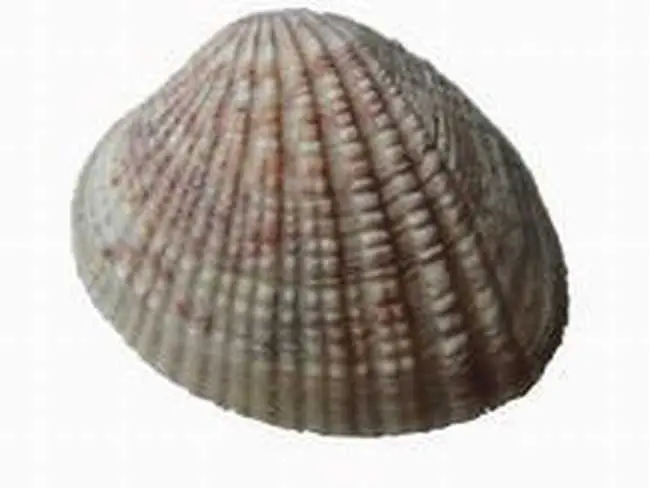
Clam Shell (Ge Qiao)
Clam Shell is a traditional Chinese medicine used to clear heat, resolve phlegm, and relieve stomach pain with acid regurgitation.
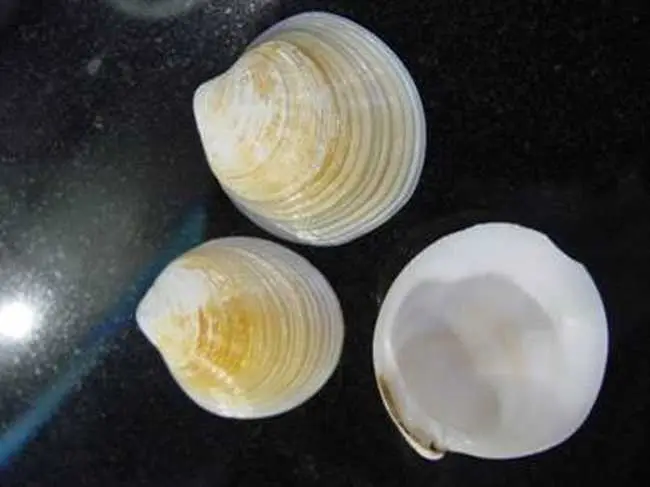
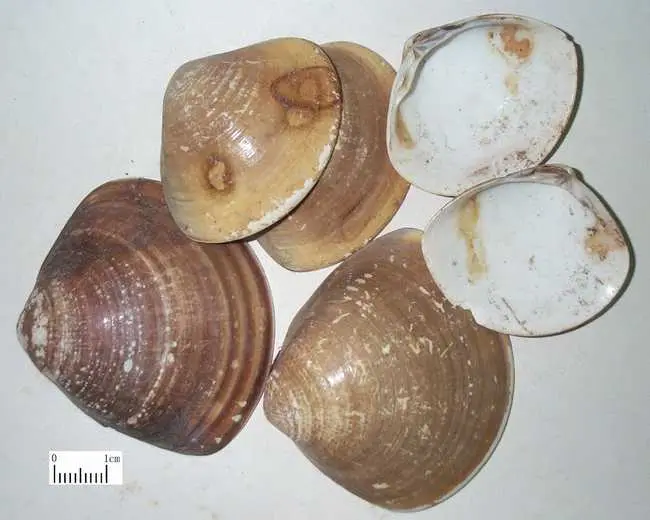
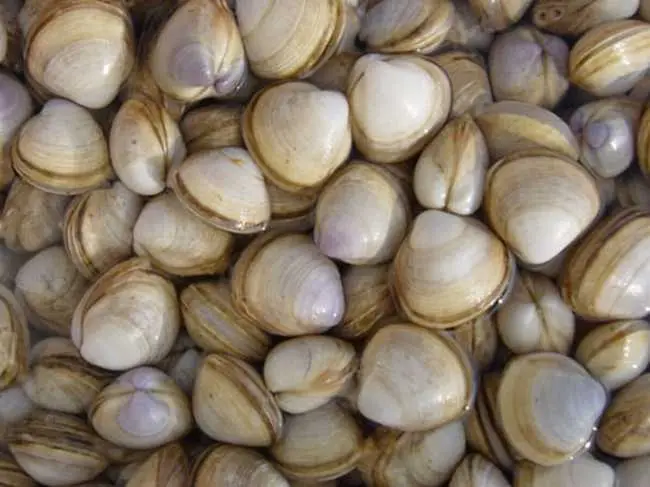
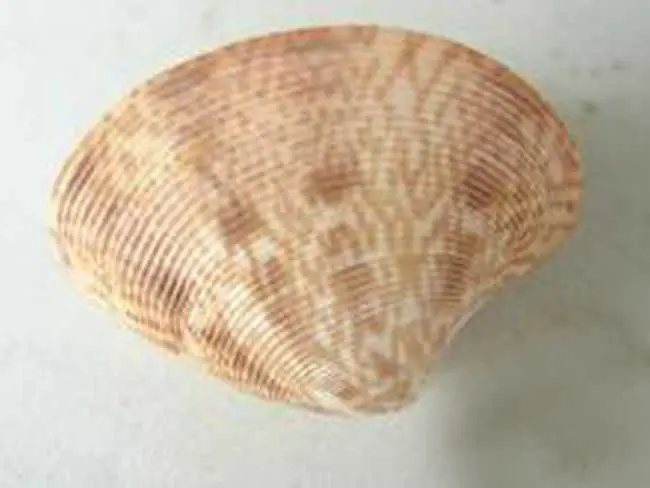
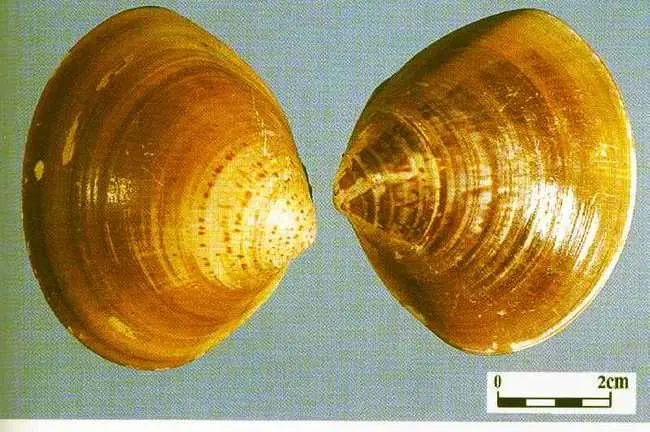
This product is the shell of Meretrix meretrix Linnaeus or Cyclina sinensis Gmelin (family Veneridae).
Meretrix meretrix: fan-shaped or subcircular, dorsal margin somewhat triangular, ventral margin arcuate, length 3–10 cm, height 2–8 cm. Umbo prominent, located on the dorsal side, slightly anterior. Outer surface smooth, yellowish-brown, with clear concentric growth lines, usually with zigzag or wavy brown patterns on the back. Inner surface white, without marginal teeth, anterior and posterior margins sometimes slightly purple; hinge broad, right valve with 3 cardinal teeth and 2 anterior lateral teeth; left valve with 3 cardinal teeth and 1 anterior lateral tooth. Hard, layered in cross-section. Odor slight, taste weak. Cyclina sinensis: subcircular, umbo prominent, located near the middle of the dorsal side. Outer surface pale yellow or brownish-red, with concentric growth lines protruding as ring-like ribs. Inner surface white or pale red, margins often purple with neat small teeth; hinge with 3 cardinal teeth in both valves, no lateral teeth.
Clam shell, also known as sea clam, is a common seafood. Its shell, after calcination and grinding, is used in traditional medicine, notably in the formula Dai Ge San (or Qing Ge San) for cough and dyspnea. This formula, made by calcining clam shells until red, powdering them, and mixing with a little indigo naturalis, was recorded in the Yi Shuo by Zhang Gao of the Southern Song dynasty. The story tells of a palace physician who successfully treated a concubine's severe cough with this simple remedy.
0 cultivation notes and 3 authentication articles exist for this herb. They are long-form field material and are published in Chinese only.
Chinese version · All herbs