Akebia stem (Mu Tong)
Mu Tong
AKEBIAE CAULIS
Nature and flavorBitter, cold; enters the Heart, Small Intestine, and Bladder meridians.
Meridians enteredHeart, Small Intestine, Bladder
Dosage3–6 g
Reference market price¥6.2 / kgBozhou market · spec 三叶木通 · 河南 · snapshot 2026-11-21
Akebia stem is a diuretic herb used to promote urination, clear heart fire, and unblock menstruation and lactation.
Source药物来源
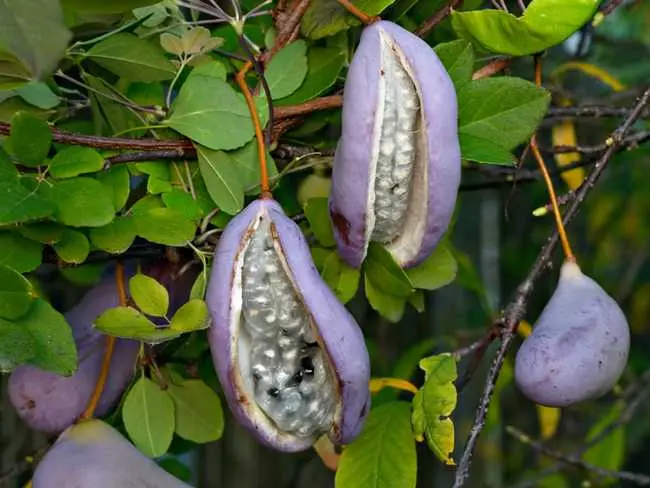
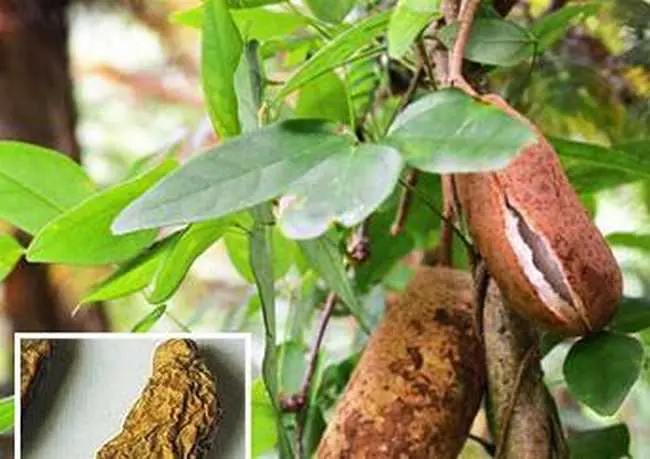
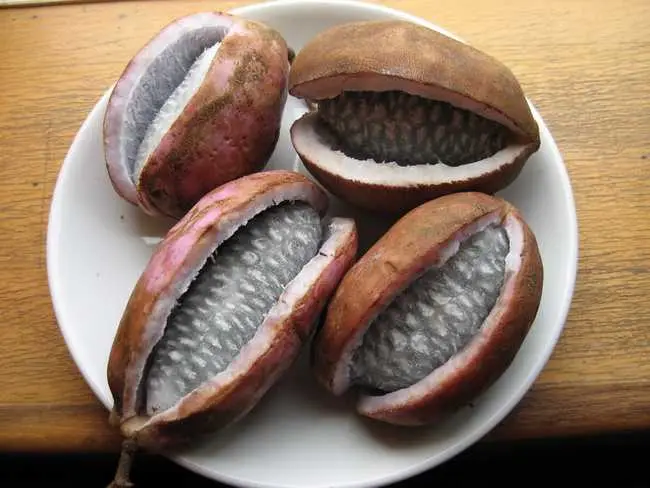
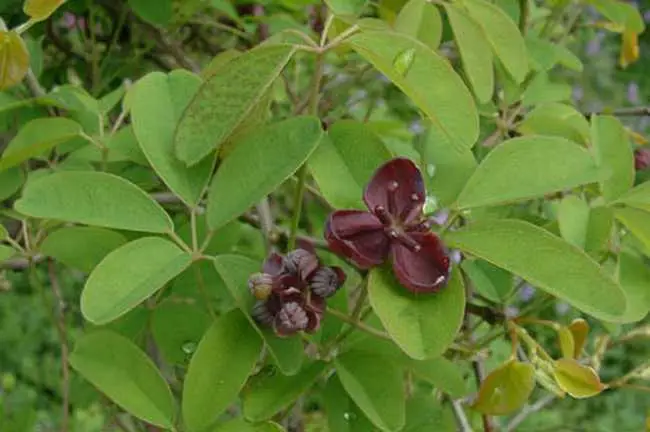
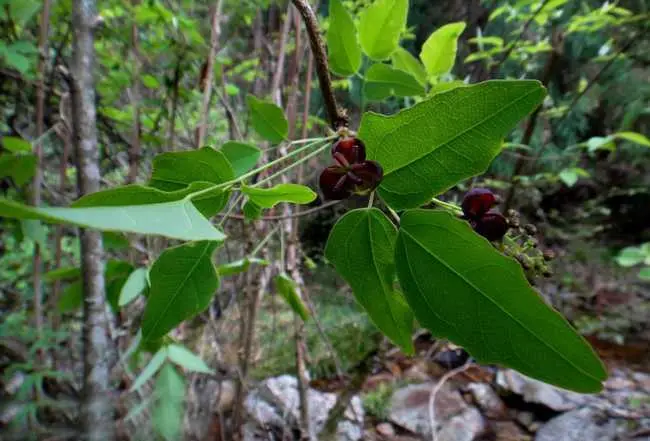
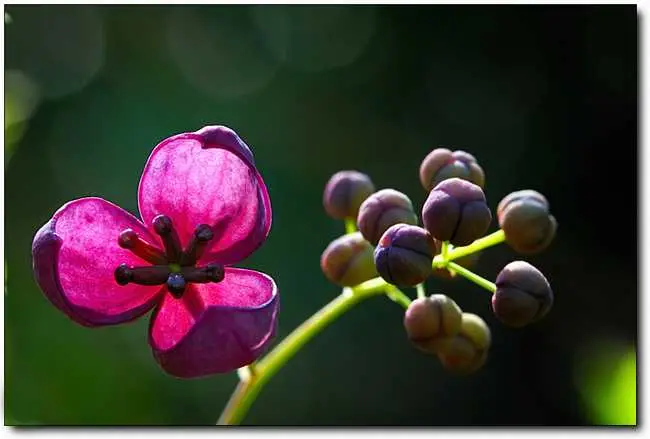
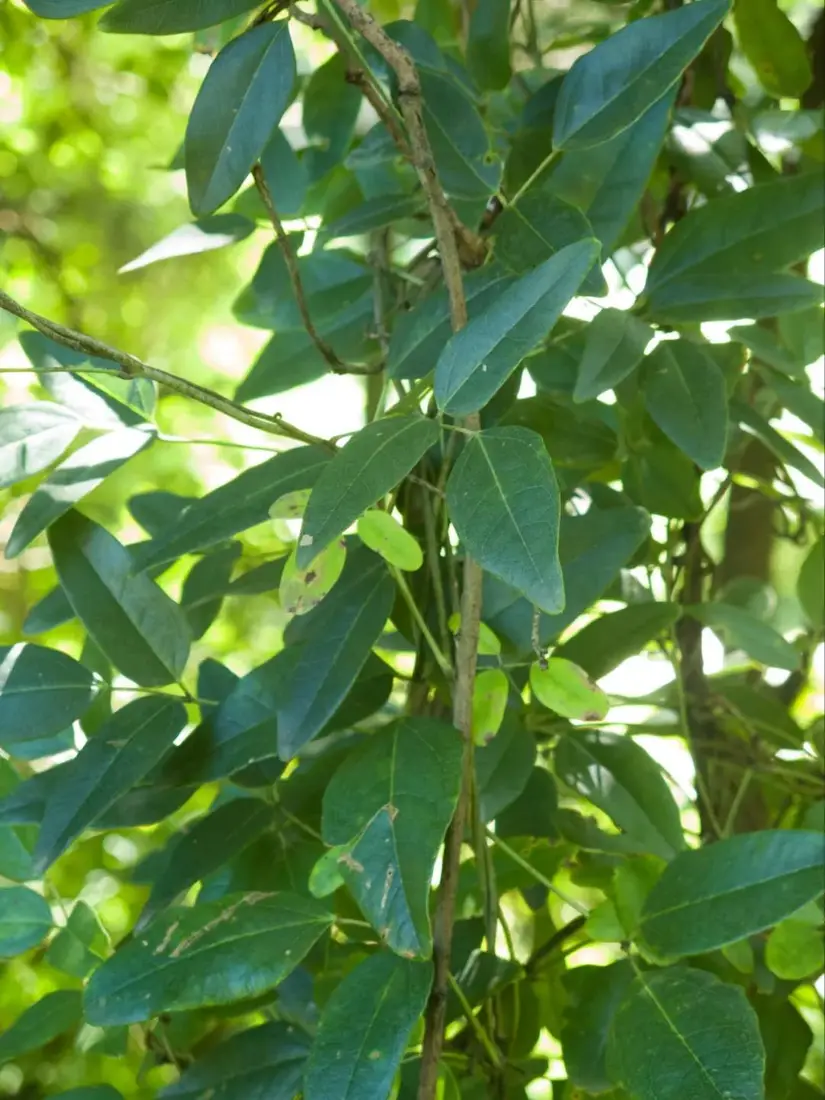
The dried vine stem of Akebia quinata (Thunb.) Decne., Akebia trifoliata (Thunb.) Koidz., or Akebia trifoliata var. australis (Diels) Rehd. (family Lardizabalaceae).
Name origin: The medicinal part is the vine stem, called 'Tong Cao' in ancient times. Because the stem has 'fine pores, both ends connected, hence called Tong Cao, which is today's Mu Tong' (Bencao Gangmu).
Identification性状特征
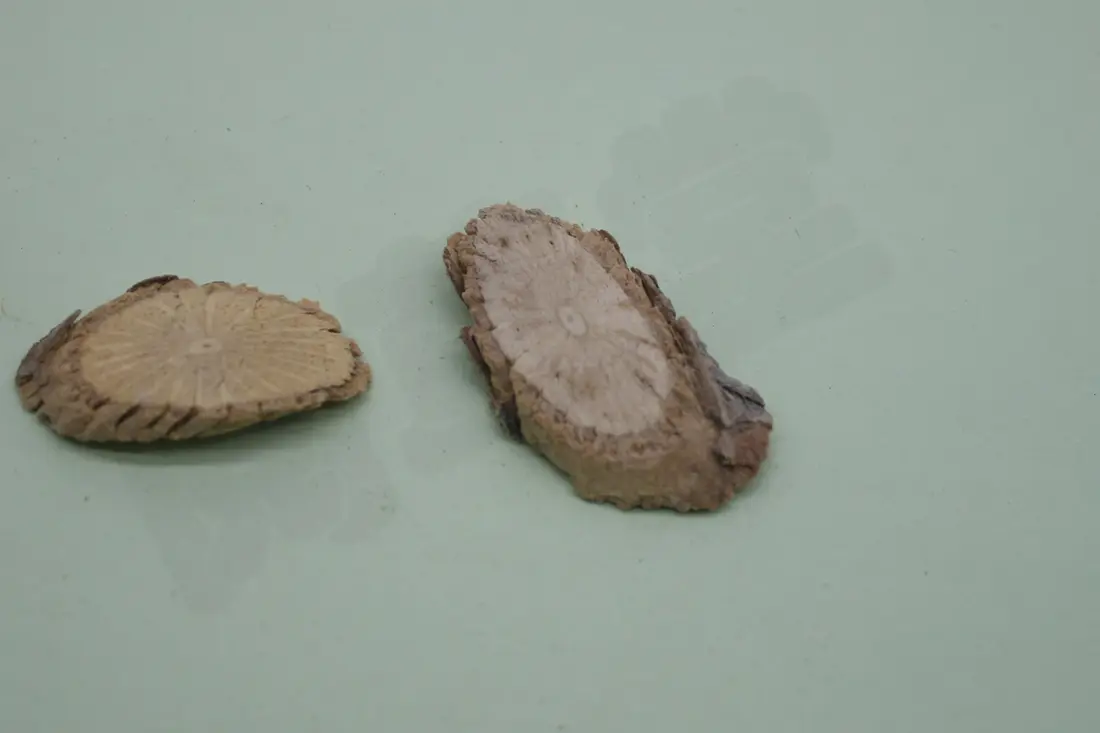
Cylindrical, often slightly twisted, 30–70 cm long, 0.5–2 cm in diameter. Surface grayish-brown to grayish-brown, rough with many irregular cracks or longitudinal grooves, with raised lenticels. Nodes swollen or indistinct, with lateral branch scars. Light in weight, hard and difficult to break; fracture uneven, bark thick, yellowish-brown, with pale yellow granular dots; wood yellowish-white, rays radial; pith small or sometimes hollow, yellowish-white or yellowish-brown. Odor slight, taste slightly bitter and astringent.
Properties and actions性味与功效
Actionspromote urination and treat strangury · clear heart and relieve restlessness · unblock menstruation and promote lactation
IndicationsUsed for strangury, edema, restlessness with reddish urine, oral and tongue sores, amenorrhea with scant lactation, and painful impediment due to damp-heat.
CautionBecause it is bitter and cold and promotes urination, use with caution in cases of spleen and stomach deficiency-cold or yin deficiency with no damp-heat. It is contraindicated during pregnancy.
Processing炮制
RawRemove impurities, soak in water until thoroughly softened, remove, slice, and dry in the sun.
Modern research现代药理
Pharmacology 1Aristolochic acid A contained in Mu Tong has a significant pressor effect.
Pharmacology 2Aristolochic acid A can inhibit the growth of cancer cells, i.e., has an antitumor effect.
Pharmacology 3Mu Tong has a diuretic effect.
Pharmacology 4Aristolochic acid A has an excitatory effect on isolated rabbit intestine, in situ rabbit intestine, and in situ cat uterus.
Pharmacology 5Aristolochic acid A can enhance the phagocytic function of macrophages and improve cellular immune function.
Classical records历代本草
The Shennong Bencao Jing records it as pungent and neutral, non-toxic, and used to remove cold-heat of the spleen and stomach and free the nine orifices, blood vessels, and joints. The Bencao Gangmu explains its use in the Daochi San formula for clearing heart fire and promoting urination.《神农本草经》:气味辛平无毒,主除脾胃寒热,通利九窍血脉关节,令人不忘,去恶虫。
《本草纲目》:木通,手厥心包、手足太阳小肠膀胱之药也。故上能通心清肺,治头痛、利九窍;下能泄湿热,利小便,通大肠,治遍身拘痛。《本经》及《别录》皆不言其利小便之功治淋之功,甄权、日华子辈好发扬之。盖其能泄丙丁之火,则肺不受邪,能通水道,水源既清,则津液自化,而诸经之湿与热,皆由小便泄去。故古方导赤散用之,亦泻南补北、扶西抑东之意。杨仁聚《直指方》言:人遍身胸腹隐热,疼痛拘急,足冷,皆是伏热伤血,血属心,宜木通以通心窍,则经络流行也。
《药性论》:臣,微寒。主治五淋,开关格,治人多睡,主水肿浮大,除烦热。用根治项下瘤瘿。
《本草经疏》:通草者,即木通也。禀清秋之气,兼得土之甘淡,故其味辛平。《别录》加甘,无毒。又云:微寒,味甘而淡,气平味薄,降也,阳中阴也。入足少阴、太阳,亦入手少阴、太阳。能助西方秋气下降,故利小便,专泻气滞。肺受热邪,津液气化之源绝,则寒水断流,膀胱受湿热癃闭,则约束小便不通,宜此治之。其证胸中烦热,口燥舌干,咽干大渴引饮,小便淋沥,或闭塞不通,胫酸脚热,并宜此主之。《本经》主除脾胃寒热者,以其通气利湿热也。其曰通利九窍血脉关节,以其味淡渗而气芬芳也。令人不忘者,心主记,心家之热去,则心清而不忘矣。湿热生虫,故又主恶虫。疗脾疸常欲眠,心烦哕者,脾家湿热壅盛则成疸,心脾之热不清则昏昏欲眠而心烦哕。音声出于肺,肺家之湿热去,则肺金之气清而音声出矣。治耳聋者,泄肾家之湿火也。散痈肿诸结不消,及金疮恶疮,鼠瘘,踒折,齆鼻息肉,堕胎。又《药性论》治五淋,利小便,开关格,下水,排脓止痛,及治人多睡,水肿浮大。陈士铎主理湿热小便数急疼,少腹虚满。日华子主妇人血闭,月候不匀,乳结下乳者,皆通窍之所致也。
简误:木通性通利,凡精滑不梦自遗,及阳虚气弱,内无湿热者,禁用。妊娠忌之。
《药性解》:木通,味辛甘,性平,无毒,入小肠经。主五淋小便闭、经凝、乳闭、难产、积聚、惊悸心烦、健忘、耳聋声哑、鼻塞、痈疮、脾疸喜睡、天行瘟疫。
按:木通利便,专泻小肠,宜疗五淋等症。其惊悸等症虽属心经,而心与小肠相为表里,故并治之。脾疸喜睡,此脾之病,皆湿所酿也,利小肠而湿不去乎。瘟疫之来,感天地不正之气,今受盛之官行而邪不能容,亦宜疗矣。
Cultivation and authentication栽培与鉴别
1 cultivation notes and 6 authentication articles exist for this herb. They are long-form field material and are published in Chinese only.
Read them in Chinese →