Rhaponticum root (Lou Lu)
Lou Lu
RHAPONTICIRADIX
Nature and flavorBitter, cold. Enters the stomach meridian.
Meridians enteredStomach
Dosage5–9 g
Reference market price¥27 / kgBozhou market · spec common grade · 内蒙古 · snapshot 2026-11-21
Lou Lu is a bitter, cold herb used in traditional medicine to clear heat, resolve toxicity, and promote lactation.
Source药物来源
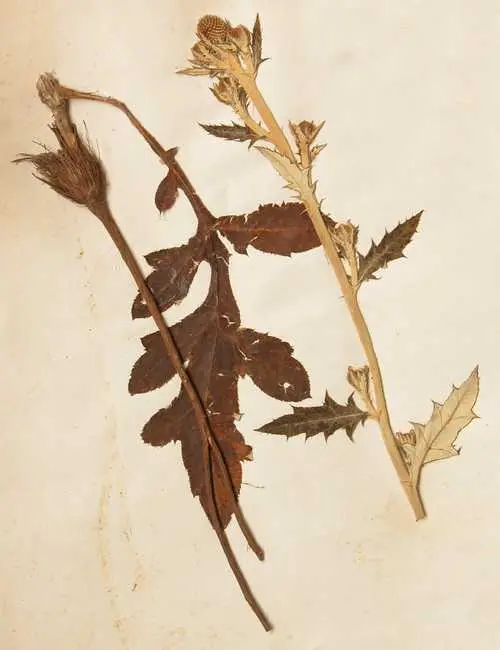
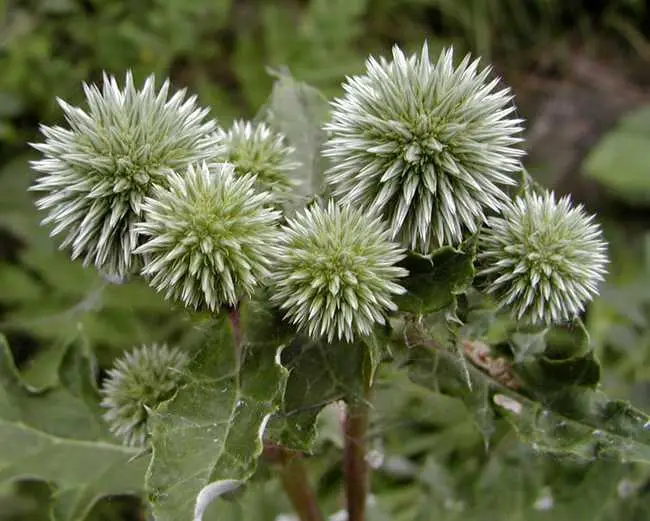
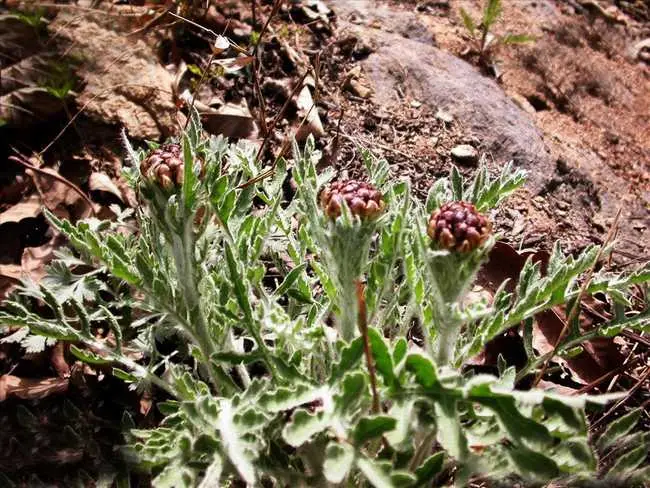
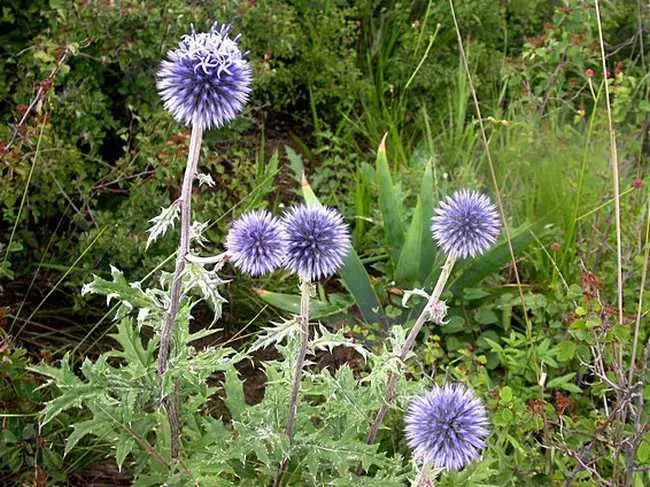
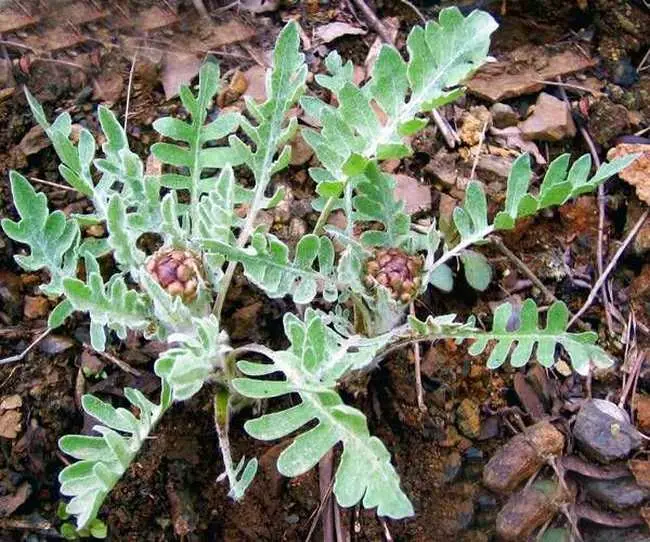
The dried root of Rhaponticum uniflorum (L.) DC. (family Asteraceae).
Identification性状特征
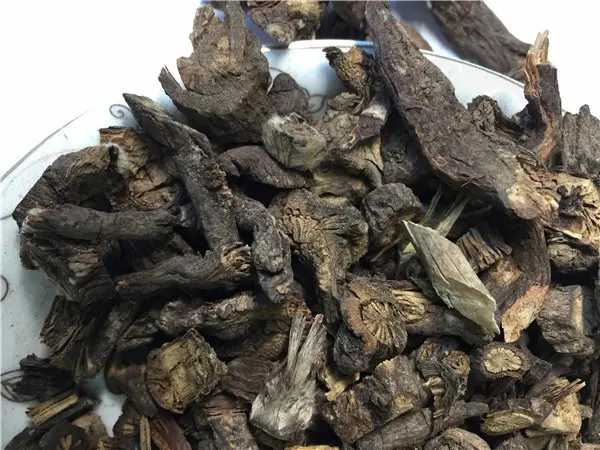
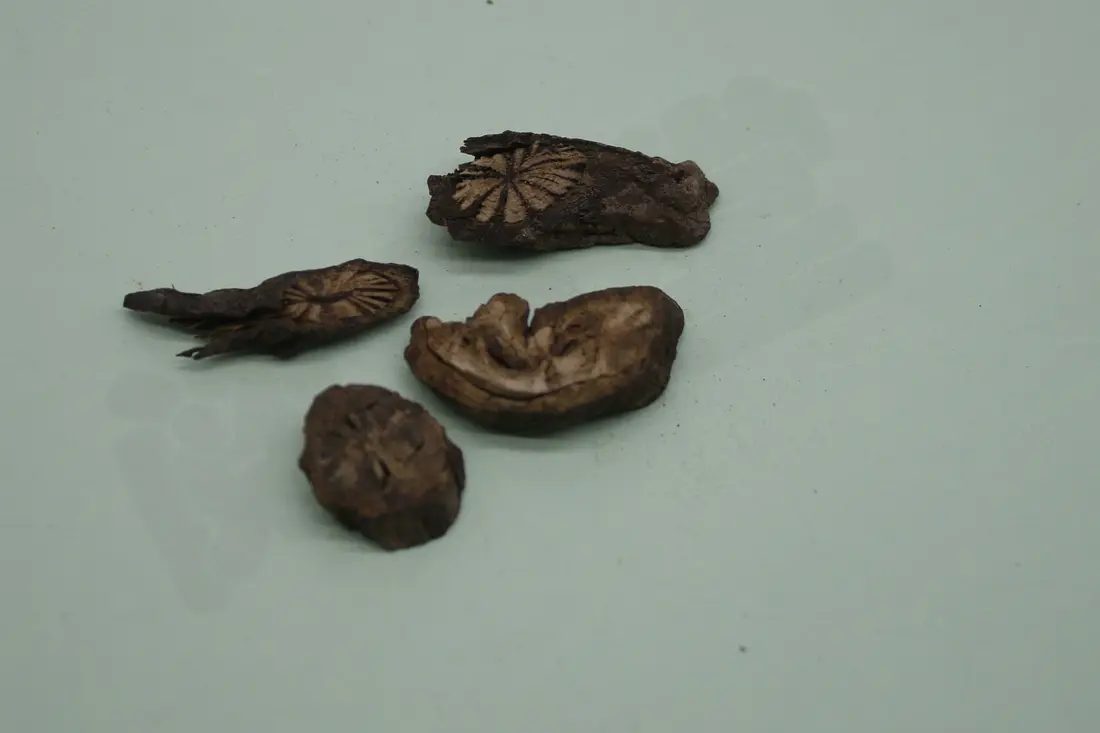
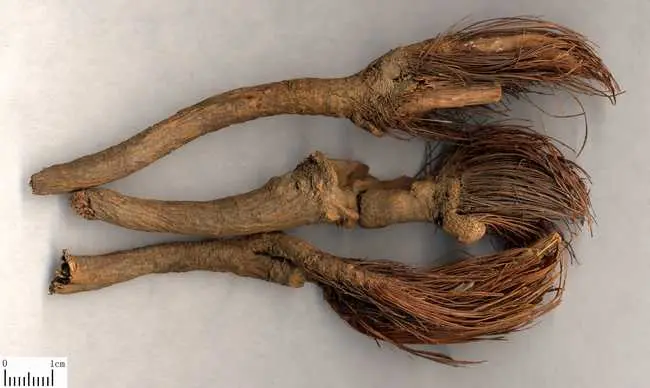
Conical or flat irregular pieces, often twisted, varying in length, 1–2.5 cm in diameter. Surface dark brown, grayish-brown, or blackish-brown, rough, with longitudinal grooves and diamond-shaped reticulate fissures. Outer layer easily peels off; root head swollen, with residual stems and scaly leaf bases, topped with grayish-white hairs. Light, brittle, easily broken; fracture irregular, grayish-yellow, with fissures, sometimes star-shaped in the center, grayish-black or brownish-black. Odor distinctive; taste slightly bitter.
Properties and actions性味与功效
ActionsClear heat and resolve toxicity · Reduce abscesses · Promote lactation · Relax sinews and unblock vessels
IndicationsUsed for acute mastitis with swelling and pain, carbuncles, swellings, boils and sores, scrofula and sores due to toxicity, insufficient lactation, and dampness impediment with contractures.
CautionContraindicated in deficiency-cold of the spleen and stomach. Use with caution during pregnancy.
Processing炮制
Lou LuRemove impurities, wash, soften thoroughly, cut into thick slices, and sun-dry.
Modern research现代药理
Central nervous system effectsEchinopsine has strychnine-like effects: small doses stimulate animals, large doses cause convulsions followed by general depression; it antagonizes barbiturate-induced sleep in mice and stimulates neuromuscular apparatus, promoting peripheral nerve recovery.
Cardiovascular effectsEchinopsine lowers blood pressure and enhances myocardial contractility in anesthetized cats; on isolated frog heart, it increases tension and reduces amplitude, and at high concentrations stops the heart in systole; it dilates blood vessels in isolated rabbit ear.
Anti-lipid peroxidation and anti-agingRhaponticum root has anti-lipid peroxidation effects, delays aging, and prevents age-related diseases.
Intestinal smooth muscle effectsEchinopsine increases tension in isolated cat intestine but inhibits isolated rabbit intestine.
Antibacterial effectsThe aqueous decoction inhibits various dermatophytes in vitro, including Trichophyton schoenleinii, Microsporum cookei, and Nocardia asteroides.
Classical records历代本草
The Shennong Bencao Jing first recorded its bitter, cold nature for treating skin heat, malignant sores, and promoting lactation. Li Shizhen's Bencao Gangmu highlights its use in abscesses and mastitis, and notes it as a key herb for yangming meridians.《神农本草经》:味苦,寒。主治皮肤热,恶疮,疽痔,湿痹,下乳汁。
《本草纲目》:漏芦下乳汁,消热毒,排脓止血,生肌杀虫。故东垣以为手足阳明药。而古方治痈疽发背,以漏芦汤为首称也。庞安常治痈疽及预解时行痘疹热,用漏芦叶,云无则以山栀代之。亦取其寒能胜热,盖不知其入阳明故也。
《本草蒙筌》:味苦、咸,气寒。无毒。连翘为使,行足阳明。治身体风热恶疮,去皮肤瘙痒瘾疹。主乳痈发背,理痔瘘肠风。补血排脓,生肌长肉。引经脉,下乳汁,续筋骨,疗折伤。止遗溺泄精,除风眼湿痹。匪专煎饮,亦作浴汤。
《开宝本草》:味苦、咸,大寒,无毒。止遗溺,热气疮痒如麻豆,可作浴汤。
《名医别录》:味咸,大寒,无毒。主止遗溺,热气疮痒如麻豆,可作浴汤。
Folklore本草传说
A female doctor by the Songhua River treated a new mother with mastitis who was unable to breastfeed. Finding no suitable herb in her bag, she picked a purple-flowered plant, tasted its bitter root, and applied it topically while instructing the woman to decoct and drink it. The mastitis resolved and lactation improved. The herb was called 'Lou Ru' (leaking milk), later changed to 'Lou Lu' for elegance.
Cultivation and authentication栽培与鉴别
1 cultivation notes and 4 authentication articles exist for this herb. They are long-form field material and are published in Chinese only.
Read them in Chinese →