Kaki Calyx (Shi Di)
Shi Di
KAKI CALYX
Nature and flavorBitter and astringent, neutral. Enters the Stomach meridian.
Meridians enteredStomach
Dosage5–10 g
Reference market price¥14.5 / kgBozhou market · spec common grade · 河南 · snapshot 2026-11-21
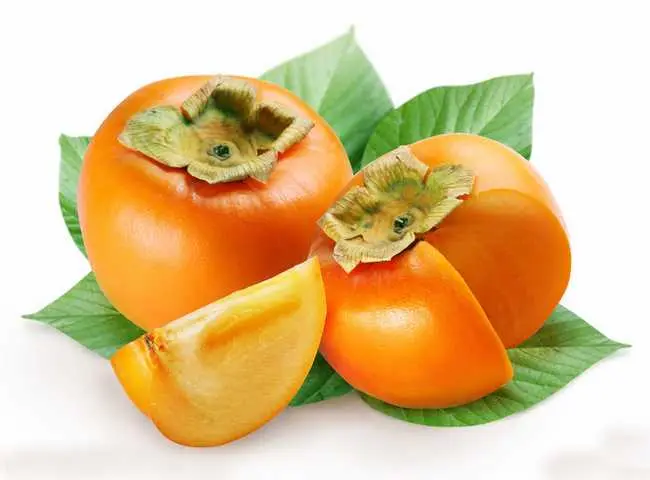
Kaki Calyx (Shi Di) is the dried persistent calyx of the persimmon, used in traditional medicine to relieve hiccups.
Source药物来源
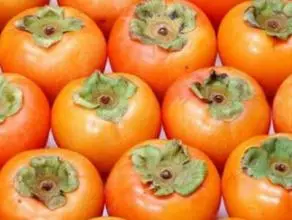
The dried persistent calyx of Diospyros kaki Thunb. (family Ebenaceae).
Identification性状特征
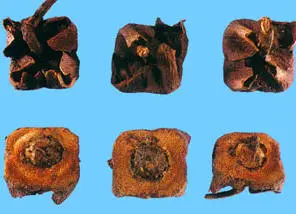
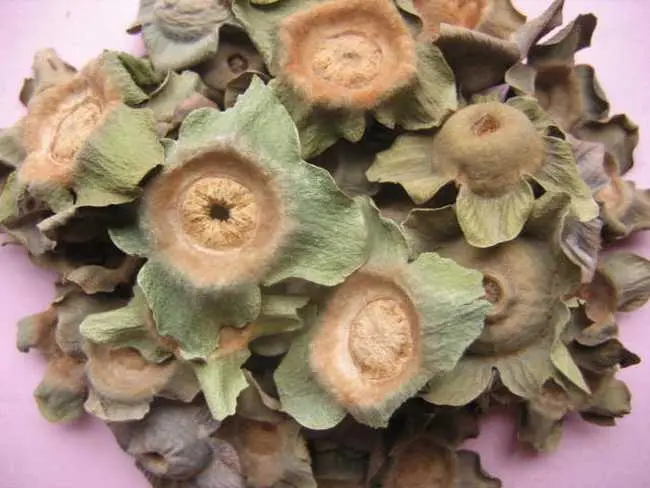
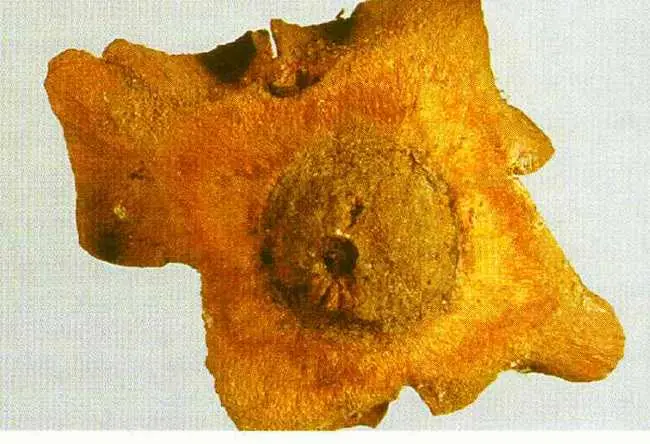
The drug is flat and round, 1.5–2.5 cm in diameter. The center is thicker and slightly raised, with a round scar left by the fallen fruit; the margin is thinner, 4-lobed, and the lobes are mostly recurved and fragile. The base has a fruit stalk or a round stalk scar. The outer surface is yellowish-brown or reddish-brown; the inner surface is yellowish-brown and densely covered with fine tomentum. Texture hard and brittle. Odor faint; taste astringent.
Properties and actions性味与功效
ActionsRegulate qi · Direct qi downward and relieve hiccups
IndicationsDirects qi downward and relieves hiccups. Used for hiccups.
CautionNo specific contraindications are recorded; use with caution in patients with deficiency-cold of the spleen and stomach.
Processing炮制
RawRemove impurities, wash, remove the stalk, and dry or crush.
Modern research现代药理
Antiarrhythmic effect0.5% extract of Kaki Calyx has an antiarrhythmic effect.
Sedative effectThe extract has a sedative effect.
Anti-fertility effectKaki Calyx has a certain anti-fertility effect.
Classical records历代本草
Bencao Gangmu notes that hiccups arise from rebellious qi and that Kaki Calyx, being bitter and warm, can lower rebellious qi; it also discusses the method of 'treating from the opposite' with added pungent-warm herbs. Other bencao works such as Bencao Beiyao and Bencao Fengyuan also record its use for hiccups.《本草纲目》:咳逆者,气自脐下冲脉直上至咽膈,作呃忒蹇逆之声也。朱肱《南阳书》以哕为咳逆,王履《溯洄集》以咳嗽为咳逆,皆误矣。哕者,干呕有声也。咳逆有伤寒吐下者,及久病产后,老人虚人,阴气大亏,阳气暴逆,自下焦逆至上焦而不能出者,有伤寒失下,及平人痰气抑遏而然者。当视其虚实阴阳或温或补,或泄热,或降气,或吐或下手也。古方用柿蒂煮汁饮之,取其苦温能降逆气也。《济生》柿蒂散,加以丁香、生姜之辛热,以开痰散郁,盖从治之法,而昔人亦常用之收效矣。至益水张氏又益以人参,治病后虚人咳逆,亦有功绩。丹溪但执以寒治热之理,而不及从治之法,矫枉之过矣。若陈氏《三因》又加以良姜之类,是真以为胃寒而助其邪火者也。
《本草蒙筌》:疗呃逆灵。
《本草拾遗》:煮服之,止秽气。
《本草备要》:止呃逆。古方单用,取其苦温降气。《济生》加丁香、生姜,取其开郁散痰,亦从治之法。《产宝》云:产后呃逆烦乱,柿饼一个,煮汁热饮。
《本经逢原》:柿之生青熟赤,生涩熟甘,浑是阴内阳外之象,独蒂之涩,始终不改,故取以治阴内阳外之病。《济生方》治呃逆,专取柿蒂之涩,以敛内蕴之热;丁香、生姜之辛,以散外郁之寒,深得寒热兼济之妙用。尝考古方中,有单用柿蒂以降逆气者,是以丹溪但执以寒治热之理,而不及从治之法,矫枉过矣。至《三因方》,又于《济生方》中加良姜之类,是真为寒而反助其热乎?
其干柿白霜,专清肺胃之热,在元气未漓,可胜寒润者,用之固宜。但虚劳烦嗽喘乏,得此郁闭虚阳,病根日固,与埋薪灰烬何异!
Cultivation and authentication栽培与鉴别
0 cultivation notes and 2 authentication articles exist for this herb. They are long-form field material and are published in Chinese only.
Read them in Chinese →