Sandalwood (Tan Xiang)
Tan Xiang
SANTALI ALBI LIGNUM
Nature and flavorPungent, warm; enters the spleen, stomach, heart, and lung meridians.
Meridians enteredSpleen, stomach, heart, lung
Dosage2–5 g
Reference market price¥255 / kgBozhou market · spec common grade · 进口 · snapshot 2026-11-21
Sandalwood is a qi-moving herb used to warm the middle, relieve pain, and harmonize the stomach.
Source药物来源
The dried heartwood of Santalum album L. (family Santalaceae).
Identification性状特征
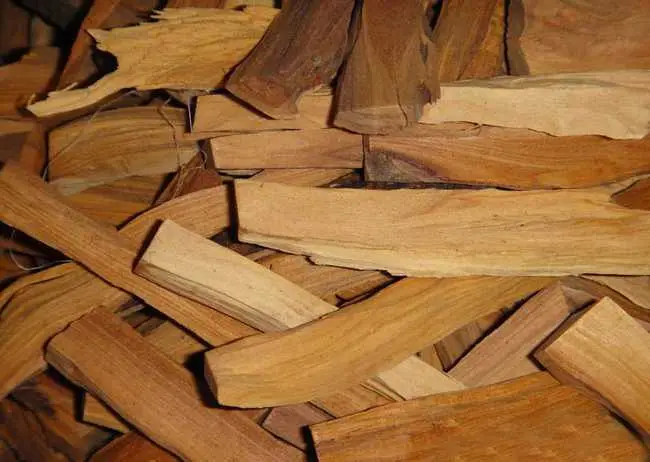
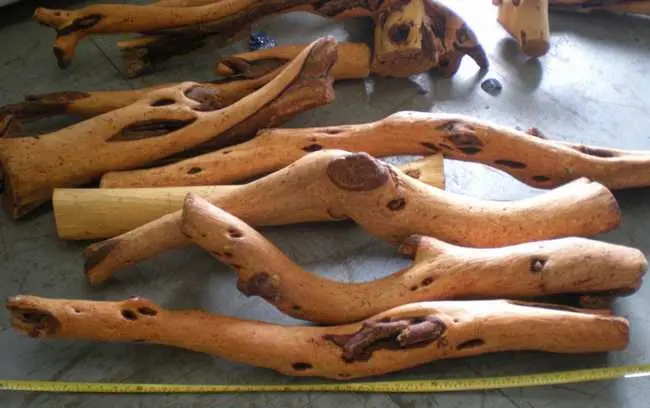
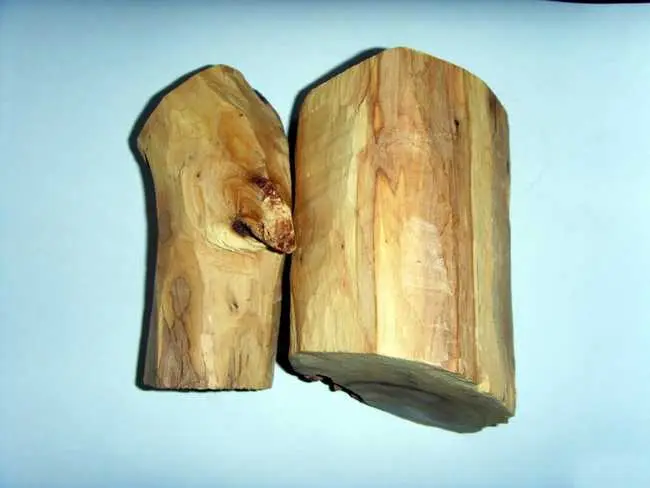
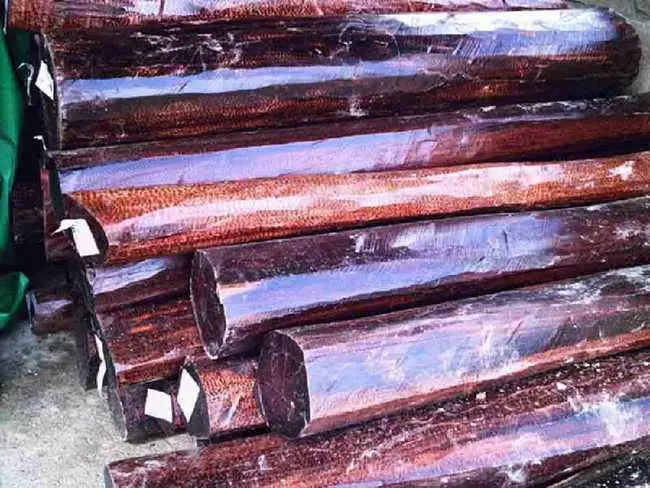
The drug occurs as cylindrical wood segments of varying length, some slightly curved, generally about 1 m long and 10–30 cm in diameter. The outer surface is grayish-yellow or grayish-brown, smooth and fine, sometimes with scars or longitudinal fissures; the transverse section is brownish-yellow and oily, with distinct or indistinct brown annual rings; the longitudinal split shows straight grain. It is heavy and hard to break. The odor is fragrant and becomes stronger when burned; the taste is bland, slightly pungent on chewing.
Properties and actions性味与功效
ActionsPromote qi movement and warm the middle · Open the stomach and relieve pain
IndicationsUsed for cold-coagulation and qi stagnation, chest and diaphragm discomfort, chest impediment and heart pain, epigastric and abdominal pain, vomiting, and poor appetite.
CautionUse with caution in cases of yin deficiency with heat or in those with a tendency to bleeding; avoid in pregnancy unless prescribed.
Processing炮制
Raw sandalwoodRemove impurities, slice thinly or saw into short segments, and split into small pieces.
Modern research现代药理
Antibacterial actionα-Santalol and β-santalol have strong antibacterial effects and can be used as urethral disinfectants for treating white turbidity.
Other usesSandalwood is also used in making spices, soaps, and detergents.
Classical records历代本草
The Bencao Gangmu notes that white sandalwood is pungent and warm, a qi-phase herb that regulates defensive qi and harmonizes the spleen and lungs. Other texts describe its use for abdominal pain, cholera, and skin infections.《本草纲目》:白檀辛温,气分药也。故能理卫气而调脾肺,利胸膈。紫檀咸寒,血分药也。故能和营气而消肿毒,治金疮。
《本草蒙筌》:味辛,气温。阳中微阴。无毒。专入肺肾脏,通行阳明经。醋摩敷恶毒止痛,水煎升胃气进食。腹痛霍乱可却,中恶鬼气能驱。又紫真檀香,主恶毒风毒。
《本草拾遗》:主心腹霍乱,中恶,鬼气,杀虫。
《本草经疏》:《本经》无正文。弘景云:白檀,消热肿。藏器:主心腹霍乱,中恶鬼气,杀虫。日华子云:檀香,热,无毒。治心痛,霍乱,肾气腹痛,浓煎服。水磨傅外肾,并腰肾痛处。详其所主诸证,亦是芬芳升发,澼恶散作冷之药也。今人多供燃热。
《景岳全书》:味辛,气温。能散风热,辟秽恶邪气,消肿毒,逐鬼魅。煎服之可散冷气,止心腹疼痛,定霍乱,和胃气,开噎膈,止呕吐,进饮食。又治面生黑子,每晚以热水洗拭,磨汁涂之甚良。
Cultivation and authentication栽培与鉴别
0 cultivation notes and 6 authentication articles exist for this herb. They are long-form field material and are published in Chinese only.
Read them in Chinese →