Qing Pi (Green Tangerine Peel)Materia Medica

Qing Pi (Green Tangerine Peel)

Qing Pi
CITRI RETICULATAE PERICARPIUM VIRIDE
Nature and flavorBitter and pungent, warm; enters the Liver, Gallbladder and Stomach meridians.
Meridians enteredLiver, Gallbladder, Stomach
Dosage3–10 g
Reference market price¥9 / kgBozhou market · spec common grade · 江西 · snapshot 2026-11-21

Qing Pi is the dried young or unripe fruit peel of Citrus reticulata, used in traditional medicine to move qi and relieve pain.

Source药物来源

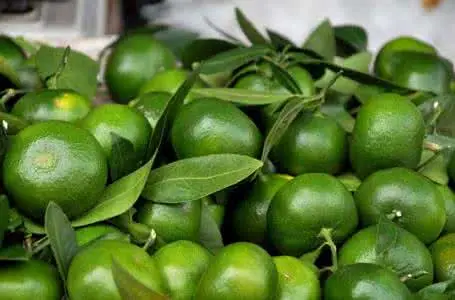
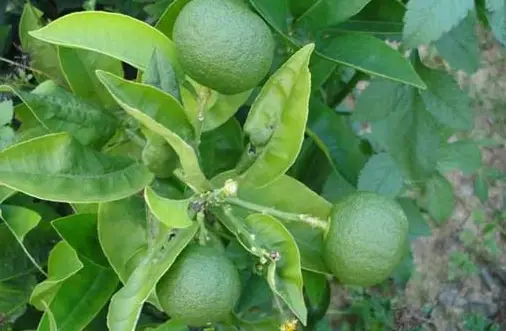
The dried young fruit or the peel of unripe fruit of Citrus reticulata Blanco and its cultivated varieties (Rutaceae). Name origin: it is the 'green, not yet yellow' peel of the tangerine (Bencao Gangmu), hence the name.

Identification性状特征

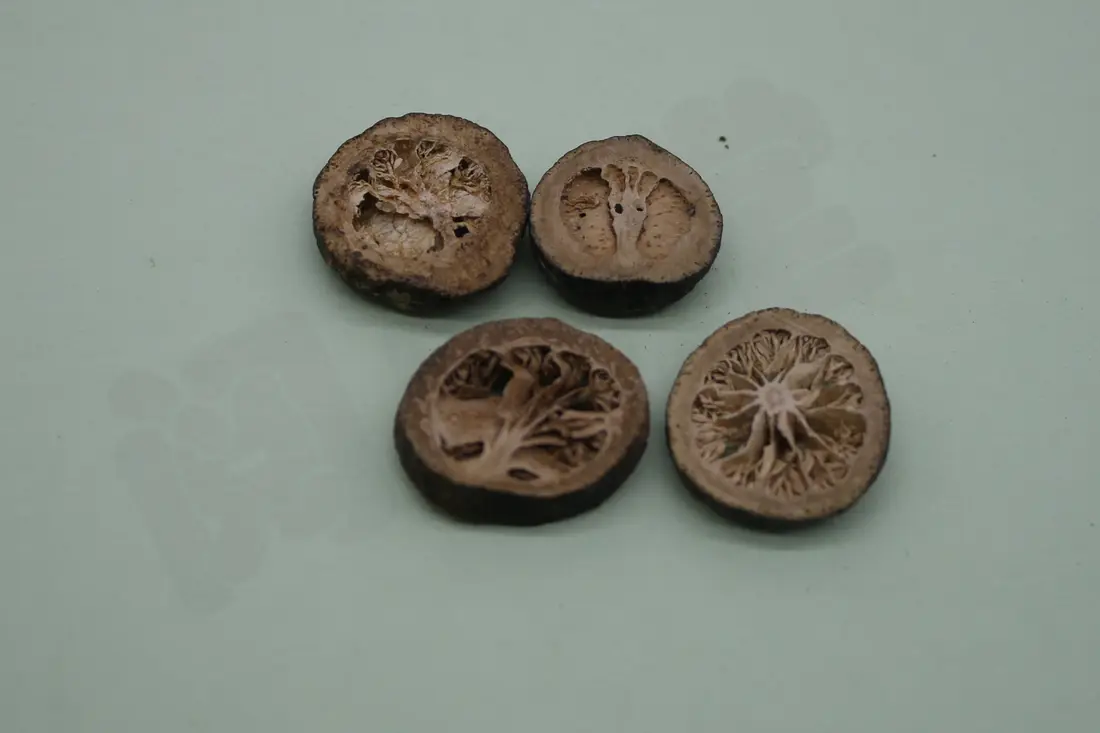
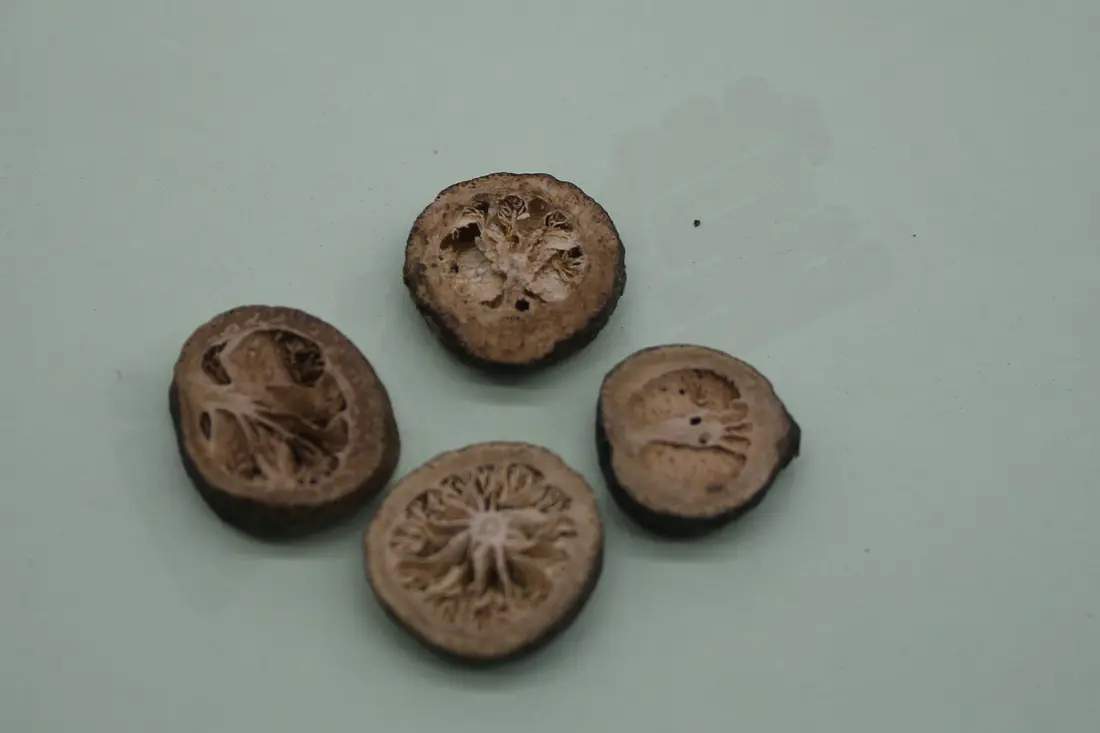
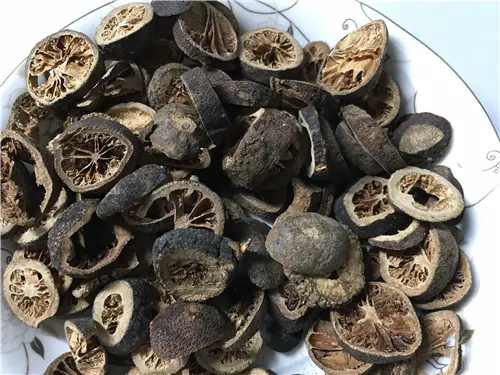
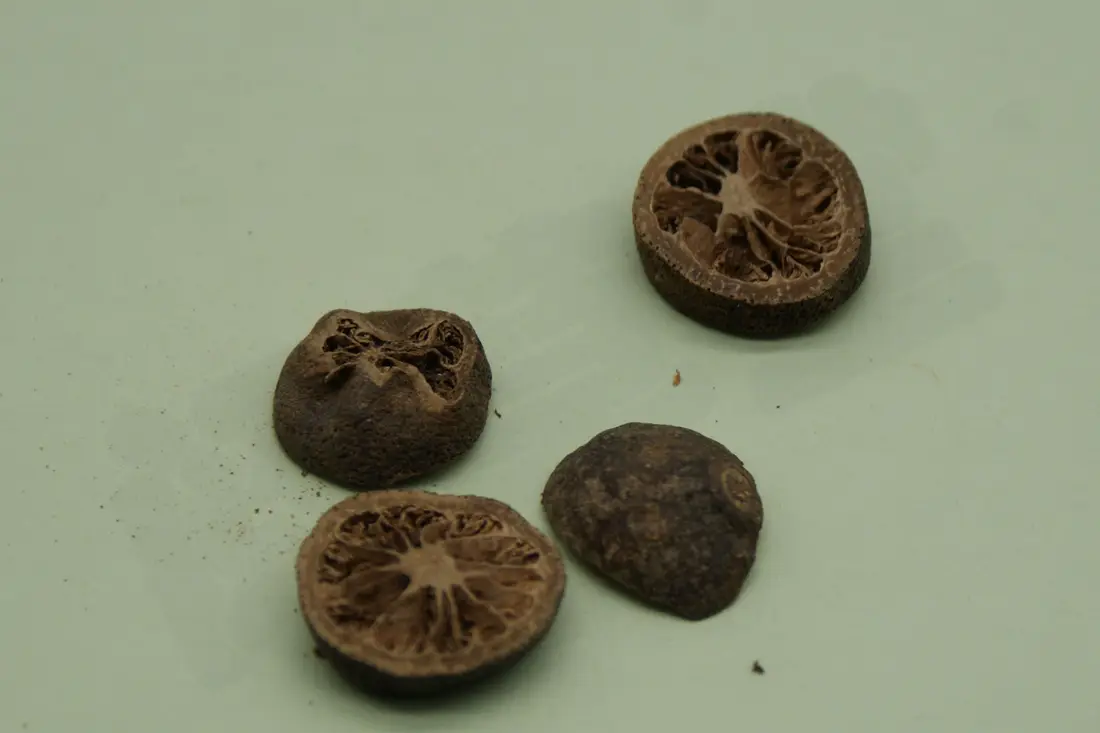
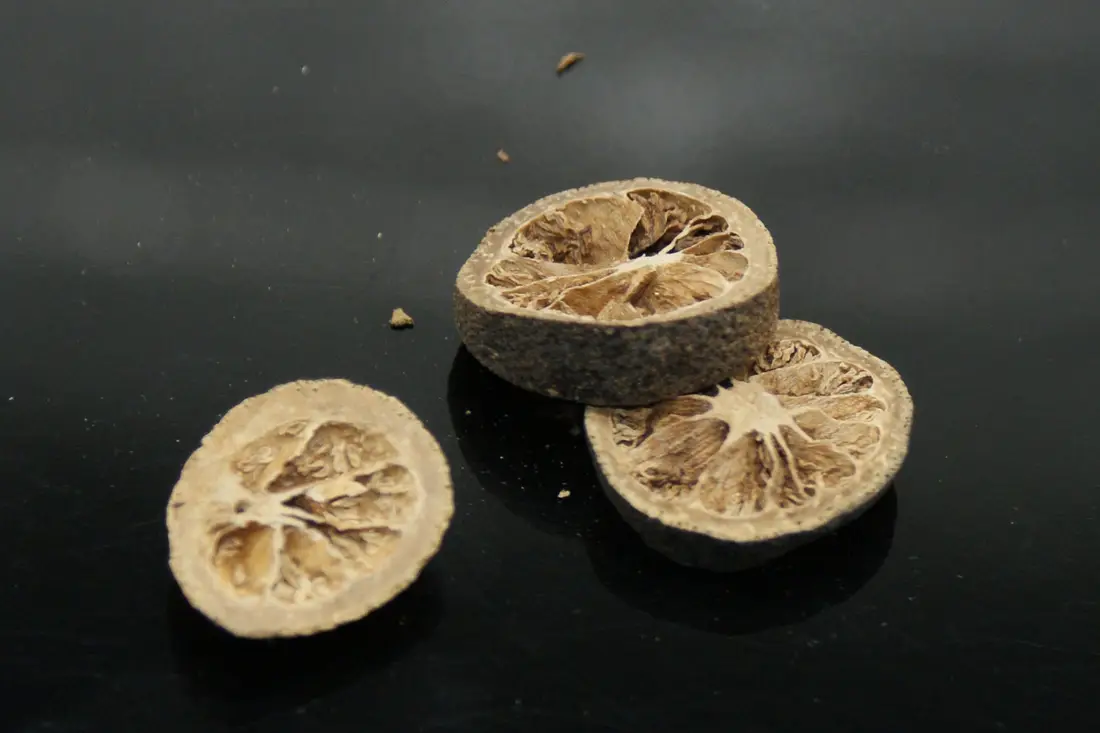
Sihua Qingpi: the peel is cut into 4 lobes, lobes long-elliptical, 4–6 cm long, 0.1–2 cm thick. Outer surface grayish-green or blackish-green, densely covered with oil cavities; inner surface yellowish-white or pale yellow-brown, rough, with yellowish-white or yellow-brown small vascular strands. Slightly hard, easily broken; transverse section shows 1–2 rows of oil cavities at the outer edge. Fragrant odor; bitter, pungent taste. Ge Qingpi: subglobose, 0.5–2 cm in diameter. Surface grayish-green or blackish-green, slightly rough, with fine sunken oil cavities, apex with a slightly protruding style base, base with a circular fruit stalk scar. Hard; transverse section shows peel yellowish-white or pale yellow-brown, 0.1–0.2 cm thick, outer edge with 1–2 rows of oil cavities; pulp vesicles 8–10, pale brown. Fresh fragrant odor; sour, bitter, pungent taste.
Properties and actions性味与功效
Actions
Disperse liver qi and break qi stagnation · Promote digestion and resolve stagnation
Indications
Used for distending pain in the chest and hypochondrium, hernia pain, breast nodules, breast abscess, food accumulation with qi stagnation, and abdominal distension and pain.
Dosage
3–10 g.
Caution
Because it is warm and strongly moving, use with caution in cases of qi deficiency or in those with weak constitution; prolonged or excessive use may damage healthy qi. Not to be used in patients with spontaneous sweating.
Processing炮制
Qing Pi
Take the raw medicinal material, remove impurities, wash, moisten, cut into thick slices or shreds, sun-dry, and sift out debris.
Vinegar-prepared Qing Pi
Take clean Qing Pi slices or shreds, mix with a measured amount of rice vinegar, moisten until the vinegar is absorbed, then heat in a frying container over gentle fire until dry, take out and cool, and sift out debris. Use 15 kg of rice vinegar per 100 kg of Qing Pi slices or shreds.
Modern research现代药理
Respiratory effects
The volatile oil and limonene contained in Qing Pi, when administered by steam inhalation, can increase respiratory secretions and excretion; limonene also has an expectorant effect. Qing Pi injection can relieve histamine-induced bronchospasm.
Intestinal effects
Qing Pi decoction can significantly inhibit the tonic contraction of isolated duodenum.
Cardiovascular effects
The water decoction-alcohol precipitate injection of Qing Pi has a significant blood pressure-raising effect; 10 g/kg Qing Pi injection has therapeutic effects on various experimental shocks.
Effects on smooth muscle
0.005 g Qing Pi injection can excite bladder smooth muscle. 150 g can antagonize uterine tonic contraction induced by pituitrin.
Classical records历代本草
Bencao Gangmu states that Qing Pi is the green, not yet yellow peel of the tangerine, thin and glossy with a strong aroma; it enters the qi aspect of the Liver and Gallbladder, and is used for food accumulation in children. Bencao Mengquan notes it enters the Shaoyang Sanjiao and Gallbladder, and the Jueyin Liver meridian, and warns against prolonged use in the weak. Bencao Jingshu describes its nature as deeply descending, bitter and pungent, and its ability to break stagnation, but cautions that mistaken use damages healthy qi.
《本草纲目》:青皮乃橘之末黄而青色者,薄而光,其气芳烈。古无用者,至宋时医始用。其色青气烈,味苦而辛,治之以醋,所谓肝欲散,急食辛以散之,以酸泄之,以苦降之也。陈皮浮而升,入脾、肺气分;青皮沉而降,入肝、胆气分。一体二用,物理自然也。小儿消积多用青皮,最能发汗,有汗者不可用,出自杨仁斋《直指方》,人罕知之。 治胸膈气逆,胁痛,小腹疝气,消乳肿,疏肝胆,泻肺气。 《本草蒙筌》:味辛、苦,气寒。味厚,沉也,阴也,阴中之阳。无毒。《汤液》云:陈皮治高,青皮治低,亦以功力大小不同故尔。入少阳三焦胆腑,又厥阴肝脏引经。削坚癖小腹中,温疟热盛者莫缺;患疟热盛,缠久不愈,必结癖块,俗云疟母。宜清脾汤多服,内有青皮疏利肝邪,则癖自不结也。破滞气左胁下,郁怒痛甚者须投。劫疝疏肝,消食宽胃。病已切勿过服,恐损真气;先防老弱虚羸,尤当全戒。新采者名橘红,气味稍缓,胃虚气弱者宜;久藏者名陈皮,气味辛烈,痰实气壅服妙。东垣又曰:留白则补胃和中,去白则消痰利滞。治虽分二,用不宜单。君白术则益脾,单则损脾;佐甘草则补肺,否则泻肺。同竹茹,治呃逆因热;同干姜,治呃逆因寒。止脚气冲心,除膀胱留热。利小水,通五淋,解酒毒,去寸白。核研仁调醇酒饮,驱腰痛疝痛神丹;叶引经以肝气行,散乳痈胁痈圣药。橘囊上筋膜微炒,醉呕吐发渴急煎。 谟按:青皮、陈皮一种,枳实、枳壳一种,因其退早采收,特分老嫩而立名也。嫩者性酷治下,青皮枳实相同;老者性缓治高,陈皮枳壳无异。四药主治并以导滞消痞为专,虽高下各行,其泻行则一。单服久服俱损真元,故必以甘补之药为君,少加辅佐,使补中兼泻,泻则兼补,庶几不致于偏胜也。陈皮款下已详发明,余虽未言,举一隅则可以三隅反矣。 《本草图经》:气滞、下食、破积结及膈气。 《本草经疏》:青皮古方无用者,至宋时医家始用之。其色青,其味极苦而辛,其气温而无毒。气味俱厚,沉而降,阴也。入足厥阴、少阳。苦泄,辛散,性复刻削,所以主气滞,下食,破结积及膈气也。元素:破坚癖,散滞气,治左胁肝经积气。亦此意耳。 简误:青皮性最酷烈,削坚破滞是其所长。然误服之,立损人真气,为害不浅。凡欲使用,必与人参、术、芍药等补脾药同用,庶免遗患,必不可单行也。肝脾气虚者,概勿施用。 《药性赋》:味苦,性寒,无毒。沉也,阴也。其用有四:破滞气愈高而愈效,削坚积愈下而愈良。引诸药至厥阴之分,下饮食入太阴之仓。
Audio and video语音与视频
Narration · Chinese · 7:34
Latin name · pronunciation
Narration and video are shared by all language versions and are in Chinese; the images and footage themselves are language-independent.
Photographs药材图片
Qing Pi (Green Tangerine Peel)
Cultivation and authentication栽培与鉴别

4 cultivation notes and 1 authentication articles exist for this herb. They are long-form field material and are published in Chinese only.

Read them in Chinese →

Compiled from public Chinese materia medica sources for study and reference. Not medical advice.
Chinese version · All herbs