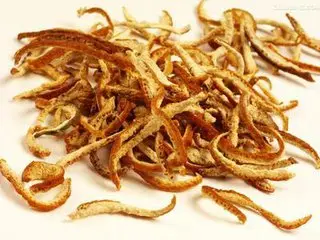
Tangerine peel (Ju Pi)
Ju Pi
Citrus tangerina Hort. et Tanaka C. erythrosa Tanaka
Nature and flavorPungent, slightly bitter, warm; enters the spleen and lung meridians.
Meridians enteredSpleen and lung meridians
Dosage10 g (typical decoction dose)
Reference market price¥6 / kgBozhou market · spec common grade · 浙江 · snapshot 2026-11-21
Tangerine peel, the dried rind of Citrus tangerina, is a key herb for regulating qi and transforming phlegm.
Source药物来源
The dried fruit peel of Citrus tangerina Hort. et Tanaka, C. erythrosa Tanaka and other Citrus species (family Rutaceae).
Identification性状特征
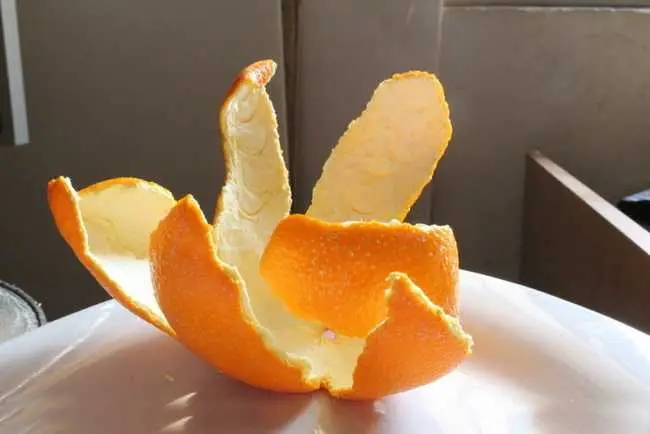
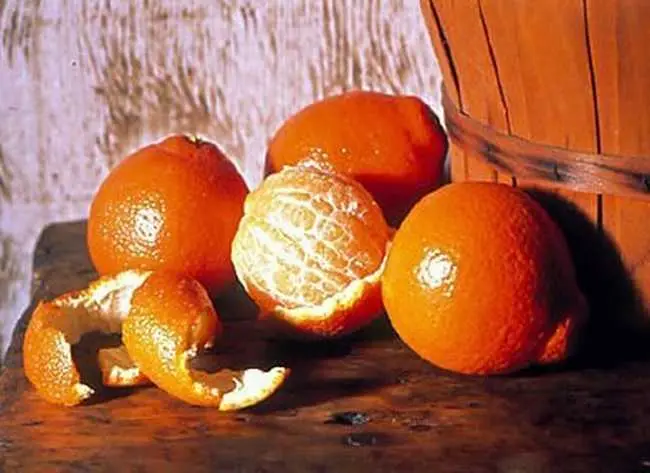
The whole peel is usually cut into 4 valves, each elliptical and joined at the fruit stalk. Sometimes broken or irregular fragments. Thickness 1–2 mm, usually curled inward. Outer surface bright orange-red, yellow-brown to brown, with numerous small sunken oil cavities; inner surface pale yellowish-white, spongy, with short linear vascular bundle (ju luo) marks, denser at the stalk. Texture soft, brittle when dry, easily broken, fracture uneven. Aromatic odor, bitter taste.
Properties and actions性味与功效
Actions
promote qi movement and regulate the middle · dry dampness and resolve phlegm
Indications
Used for qi stagnation of the spleen and stomach with abdominal distention and fullness, vomiting, or chest oppression, poor appetite and loose stools due to dampness-turbidity obstructing the middle. Caution in cases of yin fluid depletion or internal excess heat.
Dosage
For abdominal distention, nausea and vomiting: steep 10 g tangerine peel with appropriate amount of fresh ginger in tea. For autumn dry cough: make a drink by simmering one autumn pear with a little tangerine peel and rock sugar; it moistens the lung and stops cough, especially suitable for those with lung dryness in autumn.
Caution
Use with caution in cases of yin deficiency with fluid depletion or internal excess heat. Not suitable for long-term use in patients with spleen-stomach deficiency-cold.
Modern research现代药理
Volatile oil
Contains volatile oil as a main component.
Classical records历代本草
Classical formulas such as Ju Pi San and Ju Pi Zhi Shi Sheng Jiang Tang use tangerine peel to regulate qi and harmonize the middle.
橘皮散,橘皮枳实生姜汤
Culinary use民间药膳
Yan Nian Cao
Green tangerine peel 120 g, licorice 60 g, fennel 30 g, salt 75 g.
Grind licorice into fine powder; stir-fry salt and dissolve in water to make brine; wash and soak tangerine peel to remove bitterness, then lightly roast. Mix tangerine peel, licorice, fennel and brine evenly, seal for 10 hours, shaking once per hour. Then stir-fry over low heat until dry without burning; remove licorice and fennel. Chew 1–2 pieces of the green peel daily. Suitable for elderly and children, especially the elderly; chewing several pieces after breakfast in the morning has health benefits. If affected by cold raw foods or fruits and vegetables, chew several pieces to promote qi flow.
Unblocks stagnant qi and benefits the spleen and stomach. Suitable for daily care in those with spleen-stomach weakness.
Lotus Leaf Weight-loss Tea
Lotus leaf 60 g, raw hawthorn 10 g, raw coix seed 10 g, tangerine peel 5 g.
Wash fresh tender lotus leaves, dry and grind into fine powder; dry and grind the other herbs separately, mix well. Put the powder into a thermos, pour boiling water, cover and steep for about 30 minutes before drinking. Use as tea, one dose per day; refill with boiling water when finished. Take continuously for 3–4 months.
Regulates qi and promotes urination, promotes digestion and resolves food stagnation, lowers lipids and aids weight loss.
Ginger-Tangerine Drink
Fresh ginger 60 g, tangerine peel 30 g.
Decoct in water, take the juice and drink warm before meals as tea.
Regulates qi and relieves fullness, eliminates distention. Suitable for abdominal distention due to spleen-stomach qi stagnation.
Safflower, Tangerine Peel and Seaweed Soup
Safflower, tangerine peel, seaweed, scallion, ginger, salt, chicken essence, coriander.
(1) Wash tangerine peel and cut into fine shreds; wash safflower; wash seaweed and cut into 5 cm sections. (2) Heat oil in a wok to 60% hot, sauté scallion and ginger until fragrant, add 500 ml water, bring to a boil, add seaweed, tangerine peel, safflower and salt, boil for 5 minutes, add chicken essence and coriander. Serve.
Served as a side dish.
Gan Lu Tea
Stir-fried hawthorn 24 g, raw rice sprout 30 g, bran-fried medicated leaven 45 g, stir-fried bitter orange 24 g, ginger-prepared magnolia bark 24 g, combined spicebush root 24 g, tangerine peel 120 g, aged tea leaves 90 g.
Dry the herbs, grind into coarse powder, mix well and sift. Pack into bags of 9 g each. Take 1–2 times daily, one bag each time, brew with boiling water and drink warm as tea.
Promotes digestion and appetite, promotes qi movement and resolves stagnation.
Audio and video语音与视频
Narration · Chinese · 7:34
Latin name · pronunciation
Photographs药材图片
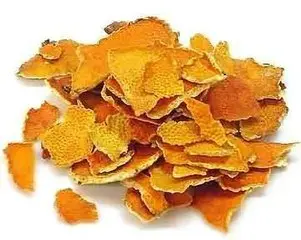
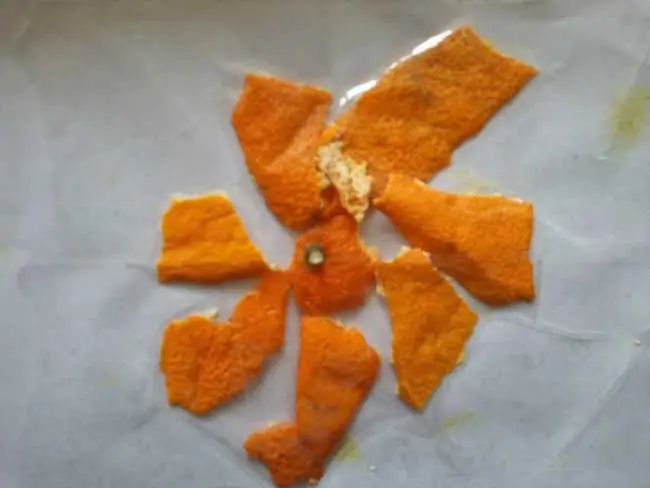
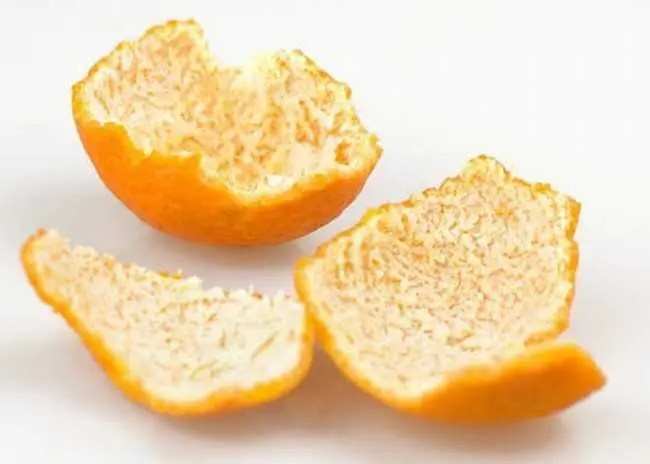
Compiled from public Chinese materia medica sources for study and reference. Not medical advice.
Chinese version · All herbs
Chinese version · All herbs