Prepared Aconite Lateral Root (Fu Zi)
Fu Zi is the processed lateral root of Aconitum carmichaelii, a potent yang-restoring herb used for collapse and deep cold patterns.
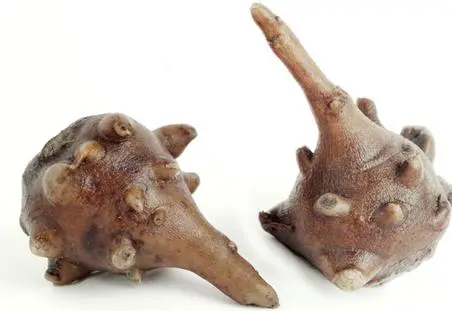
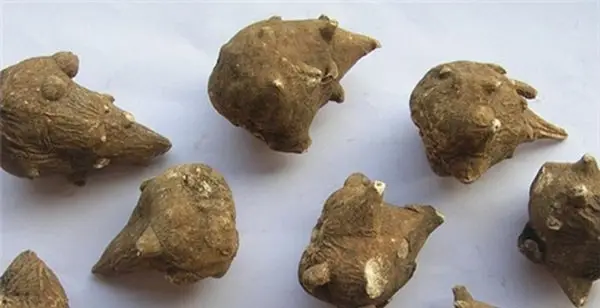
The processed lateral root of Aconitum carmichaelii Debx. (Ranunculaceae). Name origin: both come from the same plant; the first-formed root resembles a crow's head (wu tou), while the lateral root attached to it is called fu zi, as a child attached to its mother (Bencao Gangmu).
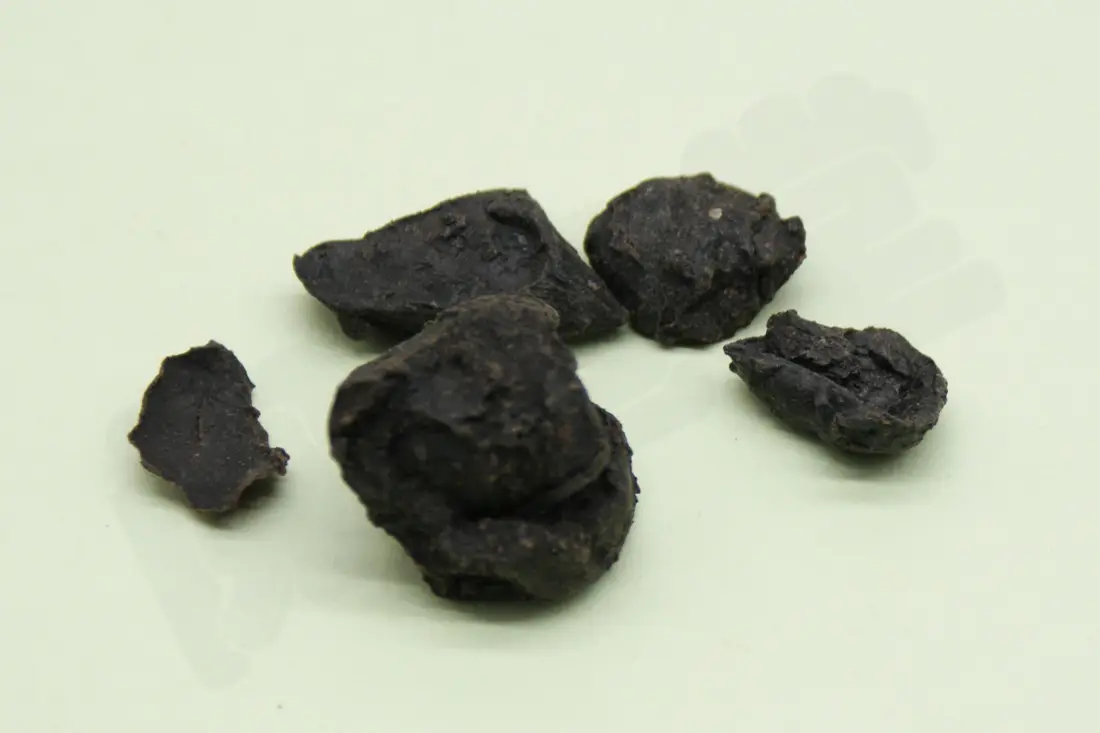
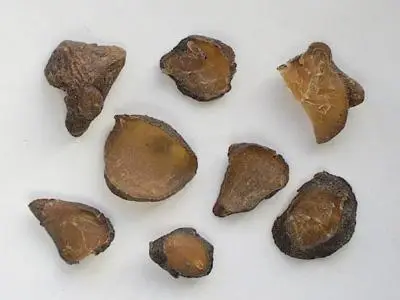
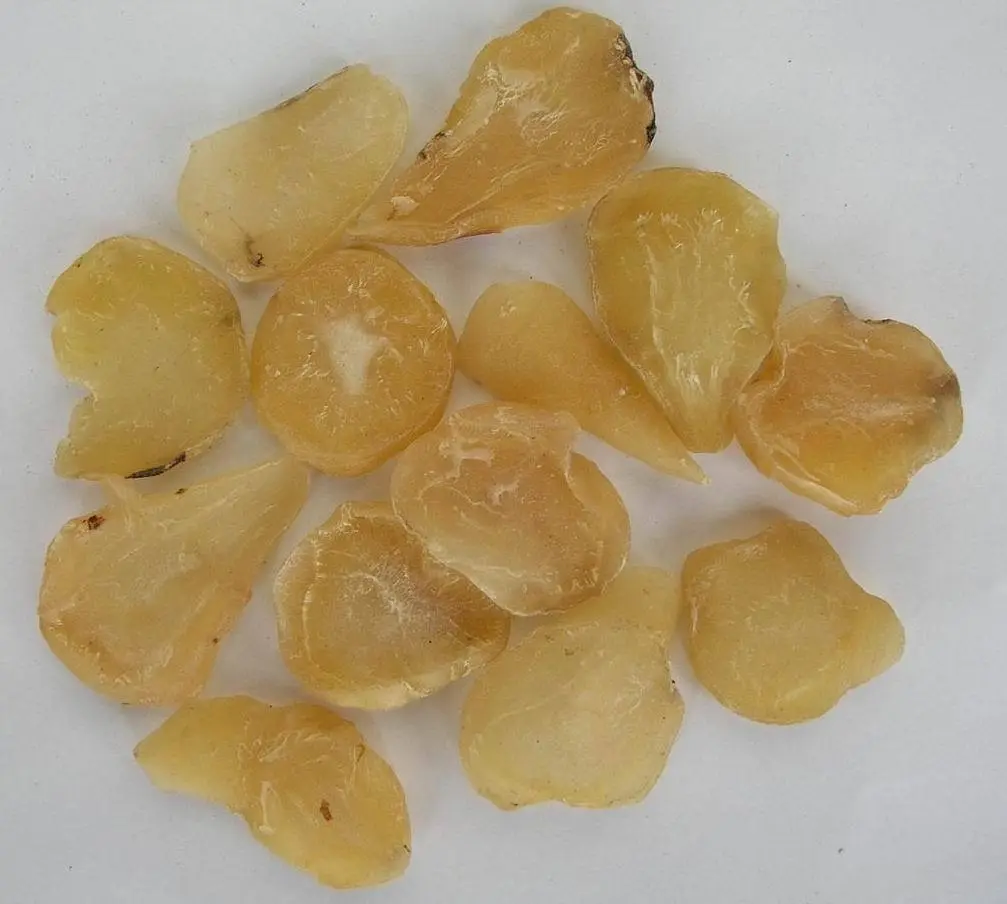
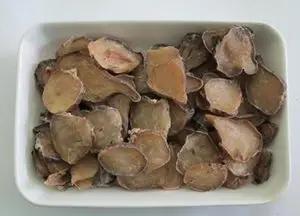
Yan Fu Zi: conical, 4–7 cm long, 3–5 cm diameter; grayish-black surface covered with salt efflorescence, depressed bud scar at apex, tubercular rootlet scars around. Heavy; cross-section grayish-brown with small salt-filled cavities and polygonal cambium ring, vascular bundles inside the ring irregularly arranged. Slight odor; salty, numbing, tongue-prickling taste. Hei Shun Pian: longitudinal slice, wide above and narrow below, 1.7–5 cm long, 0.9–3 cm wide, 0.2–0.5 cm thick; dark brown outer bark, dark yellow cut surface, oily and glossy, semi-translucent, with longitudinal vascular bundles. Hard and brittle, horny fracture. Slight odor, bland taste. Bai Fu Pian: without outer bark, yellowish-white, semi-translucent, about 0.3 cm thick.
Fu Zi has been used since the Shennong Bencao Jing and is highly toxic. Li Shizhen warned that it should be used only for critical illness. A Song dynasty record tells of an emperor who personally selected large Fu Zi roots to bestow on a seriously ill official. The Hanshu recounts the earliest case of Fu Zi poisoning, involving a palace intrigue. Zhang Zhongjing praised Fu Zi and Da Huang as 'valiant generals' among herbs, and it is considered the first choice for restoring yang and rescuing from collapse.
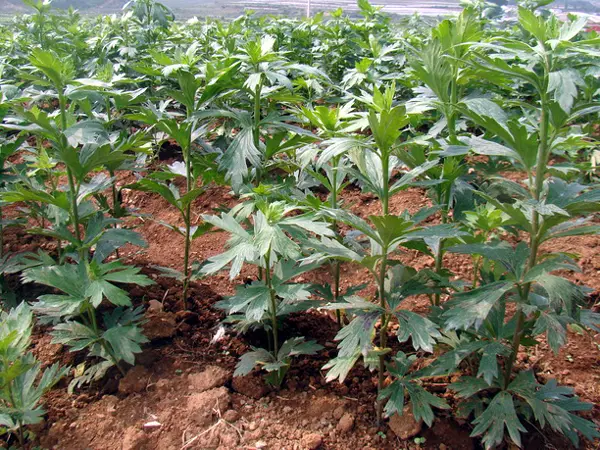

11 cultivation notes and 14 authentication articles exist for this herb. They are long-form field material and are published in Chinese only.
Chinese version · All herbs