Scrophularia root (Xuan Shen)
Xuan Shen
SCROPHULARIAE RADIX
Nature and flavorSweet, bitter, salty; slightly cold. Enters lung, stomach, and kidney meridians.
Meridians enteredLung, stomach, kidney
Dosage9–15 g
Reference market price¥8 / kgBozhou market · spec common grade · 浙江 · snapshot 2026-11-21
Scrophularia root is a heat-clearing herb used to cool the blood, nourish yin, and resolve toxicity and nodules.
Source药物来源
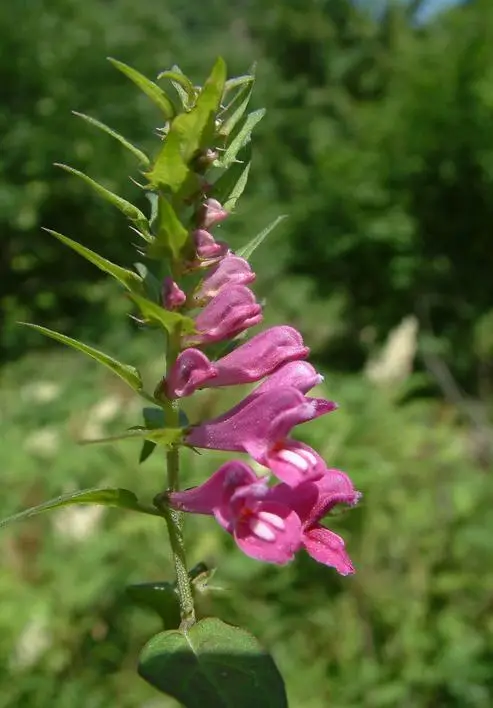
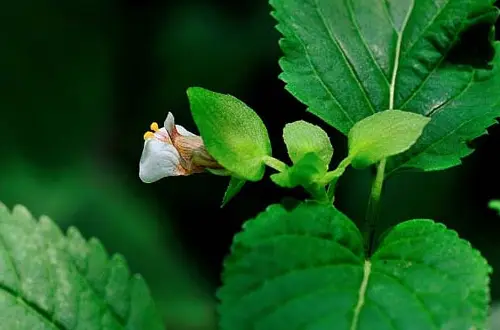
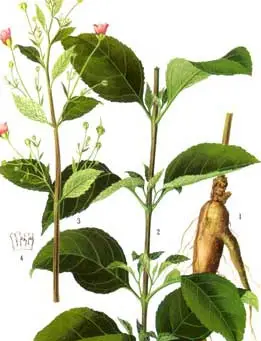
The dried root of Scrophularia ningpoensis Hemsl. (family Scrophulariaceae).
Name origin: 'Xuan means black' (Bencao Gangmu). Tao Hongjing said: 'Its stem resembles ginseng, hence the name shen.' The herb is named for its shape and color. Also called 'black shen' or 'black xuan shen.' Later, to avoid the naming taboo of the Qing emperor Kangxi (Xuanye), 'xuan' was changed to 'yuan,' giving the name 'yuan shen.'
Identification性状特征
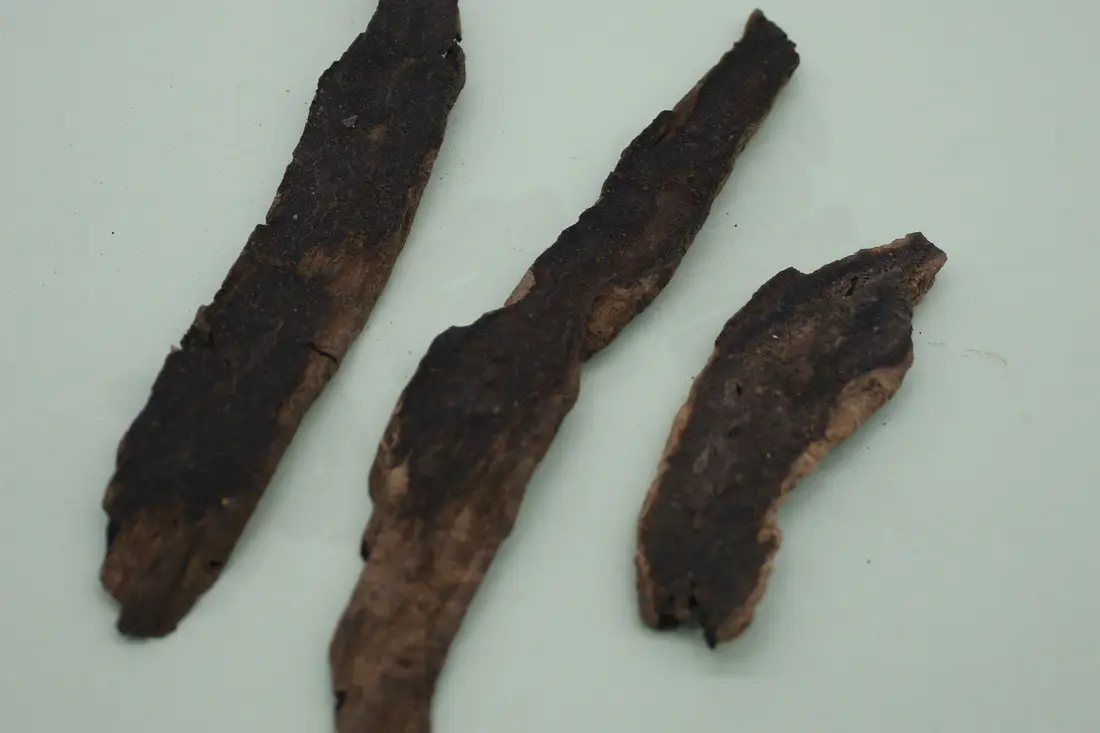
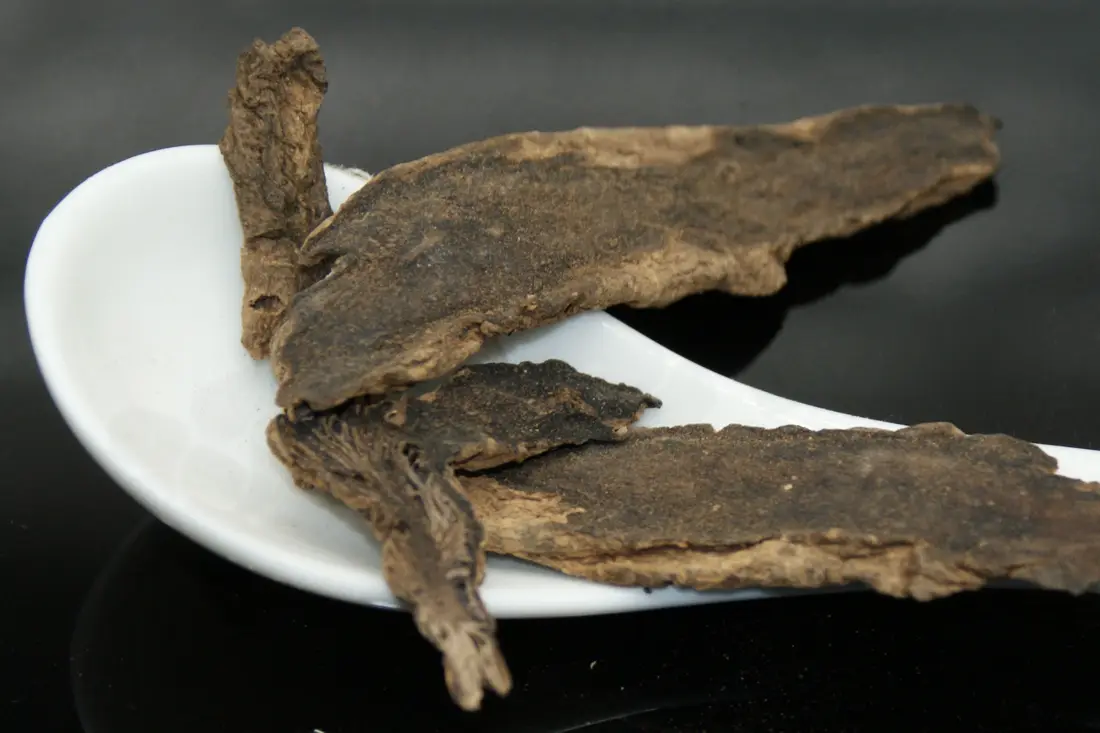
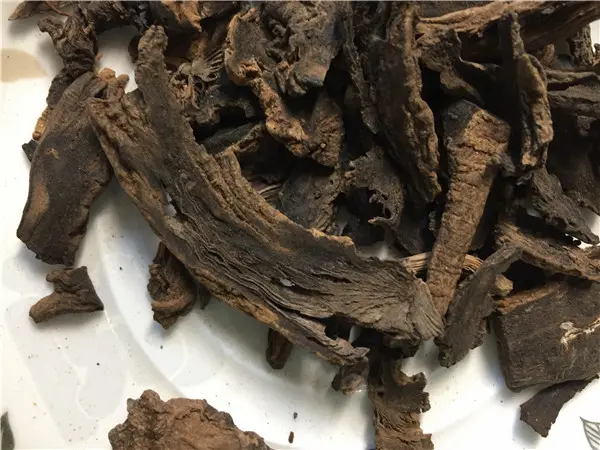
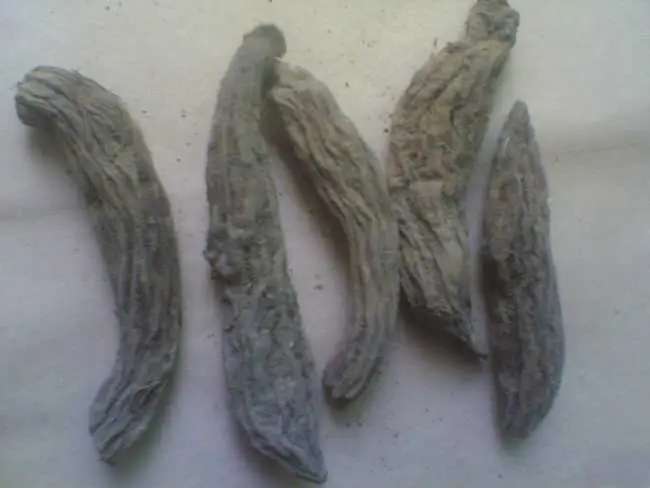
Subcylindrical, slightly thicker in the middle or thicker above and thinner below, sometimes slightly curved, 6–20 cm long, 1–3 cm in diameter. Surface grayish-yellow or grayish-brown, with irregular longitudinal grooves, transversely elongated lenticel-like protrusions, sparse transverse cracks, and fibrous root scars.
Texture firm, not easily broken; fracture black, slightly lustrous. Odor distinctive, resembling caramel; taste sweet and slightly bitter.
Properties and actions性味与功效
Actionsclear heat and cool the blood · nourish yin and descend fire · resolve toxicity and dissipate nodules
IndicationsUsed for heat entering the nutrient and blood levels, warm toxin with skin eruptions, febrile disease damaging yin, crimson tongue with thirst and restlessness, fluid damage with constipation, bone-steaming consumptive cough, red eyes, sore throat, diphtheria, scrofula, and carbuncles, swellings, and sores.
CautionContraindicated in deficiency-cold of the spleen and stomach; do not use with Veratrum (Li Lu).
Processing炮制
RawRemove residual rhizome and impurities, wash, soften thoroughly, slice thinly, and dry; or briefly soak, steam thoroughly, air-dry slightly, slice thinly, and dry.
Modern research现代药理
Blood pressureScrophularia root has a hypotensive effect. Intravenous injection of the fluid extract in anesthetized rabbits causes a slight initial rise followed by a fall in blood pressure at low doses; at high doses, it directly lowers blood pressure. It dilates the blood vessels of the frog hindlimb; its hypotensive effect may be related to this vasodilation.
Cardiovascular systemA small amount of the fluid extract has a mild cardiotonic effect on the frog heart, while a slightly larger dose causes toxic changes. The ethanol extract significantly increases coronary flow in isolated rabbit hearts and increases myocardial rubidium uptake in mice, and protects against experimental myocardial ischemia induced by pituitrin in rabbits.
AntimicrobialScrophularia root has antibacterial activity, inhibiting Pseudomonas aeruginosa and fungi.
OtherIt also relieves aortic spasm induced by potassium chloride and epinephrine, antagonizes cyclophosphamide-induced leukopenia, and 'neutralizes' diphtheria exotoxin.
Classical records历代本草
The Shennong Bencao Jing records it as bitter and slightly cold, treating abdominal accumulations of cold and heat, postpartum disorders, and benefiting kidney qi and eyesight. The Bencao Gangmu notes that it nourishes kidney water, resolves nodulations by dispersing fire, and is used with Rehmannia for yin deficiency with fire. The Bencao Mengquan states it is a sovereign herb for the kidney meridian, strengthening yin, benefiting essence, and treating various febrile and consumptive conditions.《神农本草经》:味苦,微寒。主治腹中寒热积聚,女子产乳余疾,补肾气,令人目明。
《本草纲目》:肾水受伤,真阴失守,孤阳无根,发为火病。法宜壮水以制火,故玄参与地黄同功。其消瘰疬亦是散火,刘河间言结核是火病。
滋阴降火,解斑毒,利咽喉,通小便血滞。
《本草蒙筌》:味苦、咸,气微寒。无毒。恶芪枣姜茱,黄芪、大枣、生姜、山茱。反藜芦一味。可为君药,惟走肾经。强阴益精,补肾明目。治伤寒身热支满,忽忽如不知人。疗温疟寒热往来,洒洒时常发颤。除女人产乳余疾,驱男子骨蒸传尸。逐肠内血瘕坚癥,散颈下核痈肿。盖此乃枢机之剂,管领诸气,上下津清而不致浊。治空中氤氲之气,散无根浮游之火,惟此为最也。
《开宝本草》:味苦、咸,微寒,无毒。疗暴中风伤寒,身热支满,狂邪忽忽不知人,温疟洒洒,血瘕,下寒血,除胸中气,不水,止烦渴,散颈下核,痈肿,心腹痛,坚癥,定五脏。久服补虚明目,强阴益精。
《名医别录》:味咸,无毒。主治暴中风、伤寒,身热支满,狂邪、忽忽不知人,温疟洒洒,血瘕,下寒血,除胸中气,下水,止烦渴,散颈下核,痈肿,心腹痛,坚症,定五藏。久服补虚,明目,强阴,益精。
Cultivation and authentication栽培与鉴别
17 cultivation notes and 0 authentication articles exist for this herb. They are long-form field material and are published in Chinese only.
Read them in Chinese →