Abri Herba (Ji Gu Cao)
Ji Gu Cao
ABRIHERBA
Nature and flavorSweet, slightly bitter, cool. Enters the Liver and Stomach meridians.
Meridians enteredLiver and Stomach meridians
Dosage15–30 g
Reference market price¥14 / kgBozhou market · spec 家种 · 广西 · snapshot 2026-11-21
Abri Herba is the dried whole plant of Abrus cantoniensis, used to drain dampness, relieve jaundice, clear heat and resolve toxicity.
Source药物来源
The dried whole plant of Abrus cantoniensis Hance (Fabaceae).
Identification性状特征
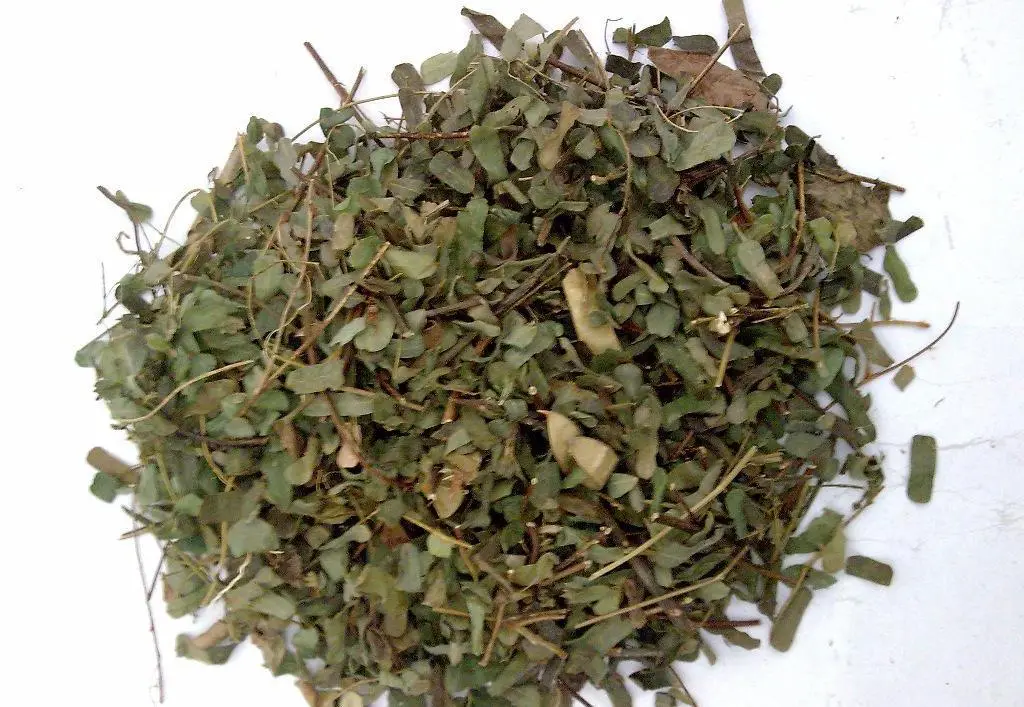
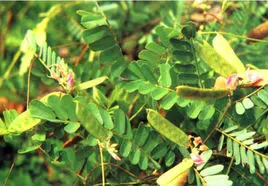
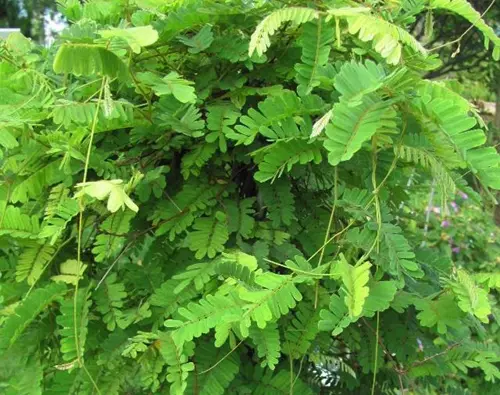
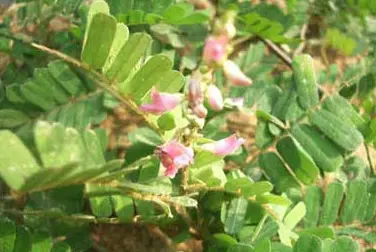
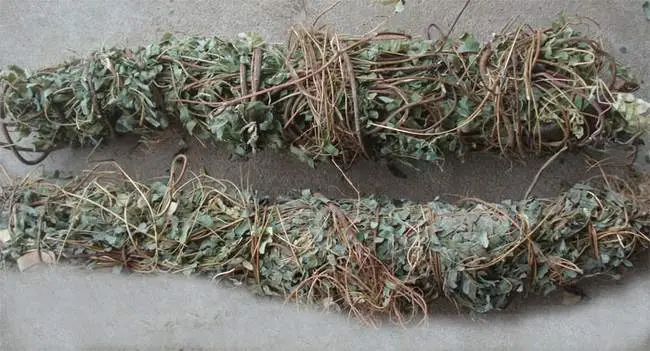
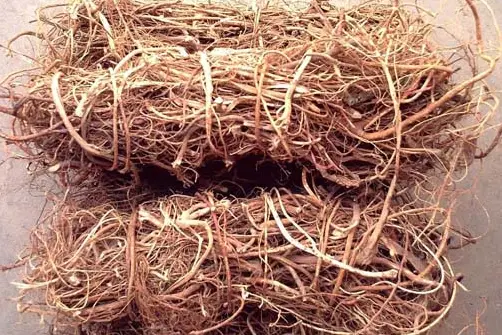
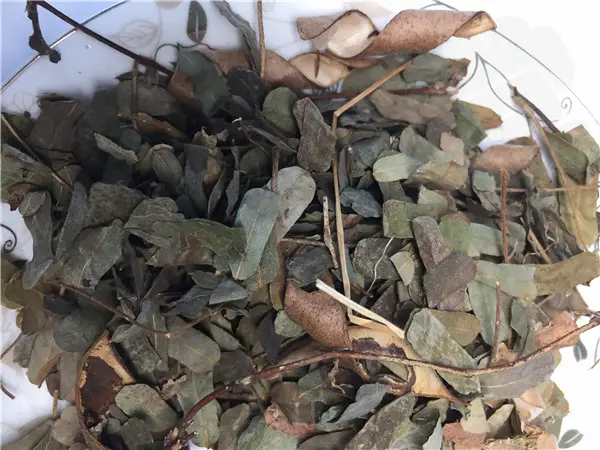
Root mostly conical, thick above and thin below, branched, variable in length, 0.5–1.5 cm in diameter; surface grayish-brown, rough, with fine longitudinal striations; rootlets very slender, some broken off or with residual bases; hard. Stems clustered, 50–100 cm long, about 0.2 cm in diameter; grayish-brown to purple-brown, branchlets slender, sparsely covered with short soft hairs. Pinnately compound leaves alternate, leaflets 8–11 pairs, mostly deciduous, leaflets oblong, 0.8–2 cm long; apex truncate with a small mucro, lower surface covered with appressed hairs. Slight fragrant odor; slightly bitter taste.
Properties and actions性味与功效
ActionsDrain dampness and relieve jaundice · Clear heat and resolve toxicity · Soothe the liver and relieve pain
IndicationsDamp-heat jaundice, discomfort in the hypochondriac region, distending pain in the epigastrium, and breast abscess with swelling and pain.
CautionUse with caution in individuals with deficiency-cold of the spleen and stomach.
Processing炮制
Raw Abri HerbaRemove impurities and pods, cut into sections.
Modern research现代药理
AbrineThe pharmacological constituent is abrine (N-methyltryptophan).
Classical records历代本草
The source text cites a clinical remedy for acute infectious hepatitis, using the dried whole plant decocted with lean pork; no classical materia medica quotation is provided.治疗急性传染性肝炎:取干鸡骨草全草2~3两(儿童1~2两),瘦猪肉2两,加水1000毫升同煎。
沸后文火再煎至300毫升,每日3次分服,直至痊愈为止.治疗44例,治愈42例,治愈时间平均为21天。黄疸消失平均为15天;肝功能恢复一般为18~21天;肝肿大随肝功能的恢复逐渐恢复正常。
内服:煎汤,3~5钱,或入丸、散。外用:捣敷。
Cultivation and authentication栽培与鉴别
2 cultivation notes and 6 authentication articles exist for this herb. They are long-form field material and are published in Chinese only.
Read them in Chinese →