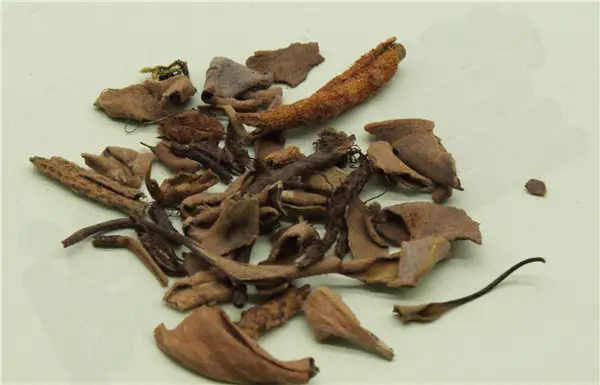
Pyrrosia leaf (Shi Wei)
A fern leaf used in Chinese medicine to promote urination, clear lung heat and stop bleeding.
The dried leaves of Pyrrosia sheareri (Bak.) Ching, Pyrrosia lingua (Thunb.) Farwell or Pyrrosia petiolosa (Christ) Ching (family Polypodiaceae). Name origin: the Bencao Gangmu says "soft skin is called wei"; the plant spreads over rocks and its leaves are like skin (Mingyi Bielu) and soft, hence Shi Wei.
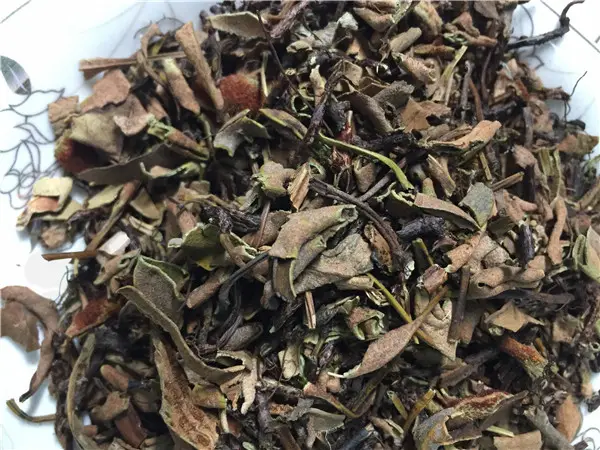
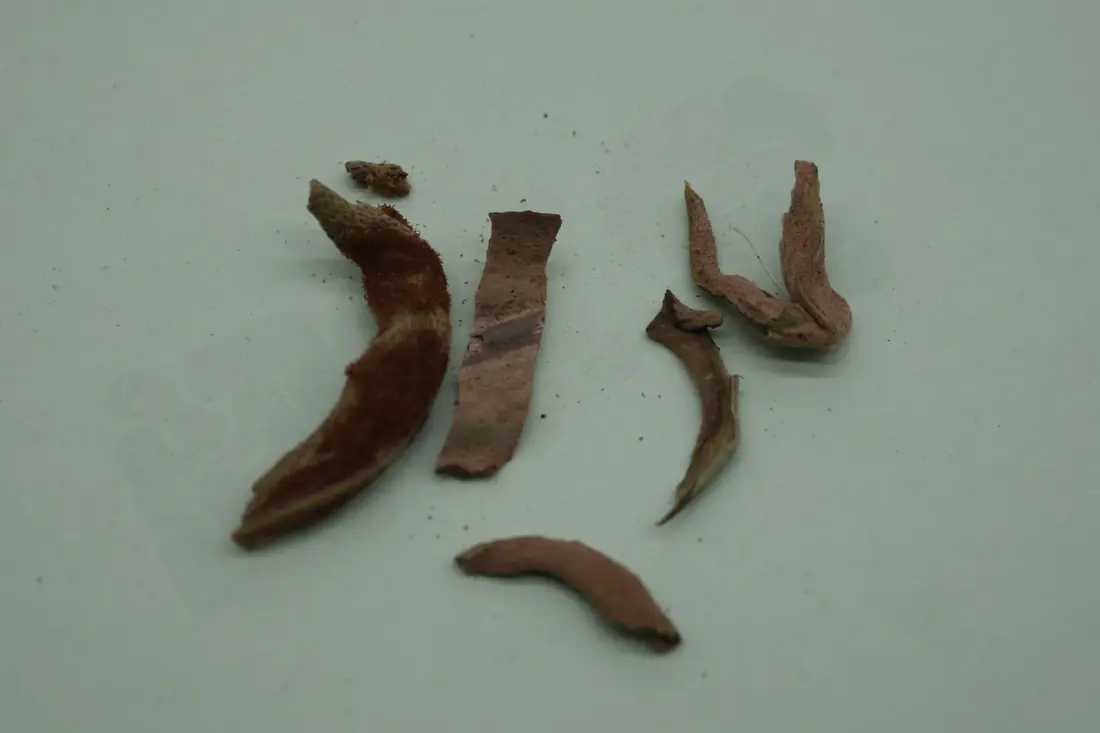
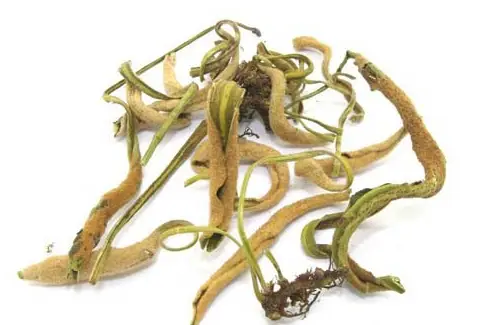
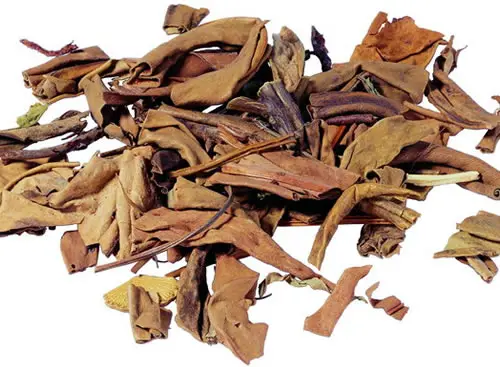
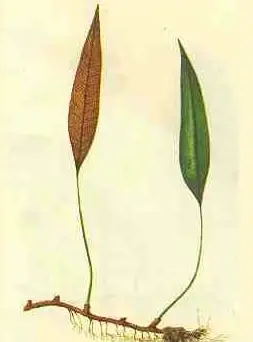
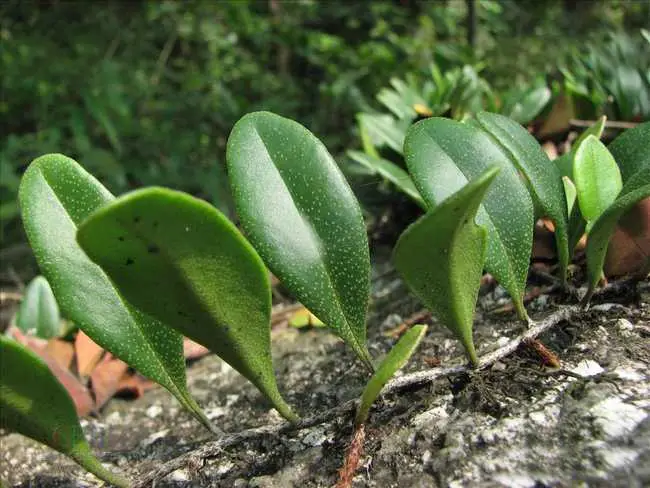
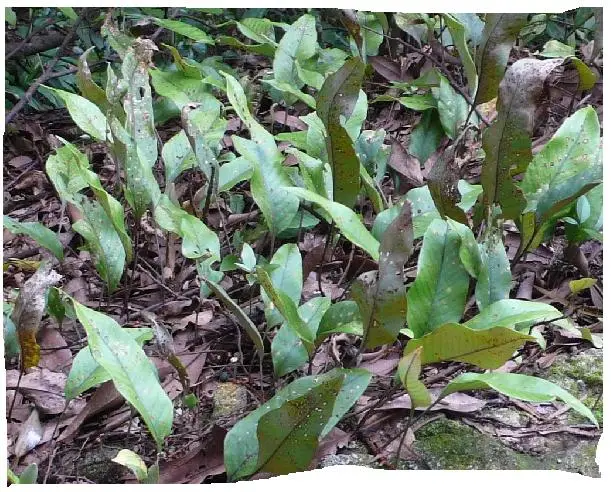
Pyrrosia sheareri: leaves slightly wrinkled, lanceolate when flattened, 10–25 cm long, 3–5 cm wide; apex acuminate, base auriculate and oblique, margin entire and often curled inward; upper surface yellow-green or grey-green with scattered small black circular pits; lower surface densely covered with reddish-brown stellate hairs, some lateral veins bearing brown dot-like sori. Petiole four-angled, 10–20 cm long, 1.5–3 mm in diameter, slightly twisted, with longitudinal grooves. Leaf leathery; odour slight, taste slightly astringent and bitter. Pyrrosia lingua: leaves lanceolate or oblong-lanceolate, 8–12 cm long, 1–3 cm wide, base cuneate and symmetrical; sori between lateral veins, closely and regularly arranged; petiole 5–10 cm long, about 1.5 mm in diameter. Pyrrosia petiolosa: leaves mostly curled into tubes, oblong or ovate-oblong when flattened, 3–8 cm long, 1–2.5 cm wide, base cuneate and symmetrical; lower surface with indistinct lateral veins and covered with sori; petiole 3–12 cm long, about 1 mm in diameter.
1 cultivation notes and 5 authentication articles exist for this herb. They are long-form field material and are published in Chinese only.
Chinese version · All herbs