Dianthus superbus herb (Qu Mai)
Qu Mai
DIANTHI HERBA
Nature and flavorBitter, cold
Meridians enteredHeart and Small Intestine meridians
Dosage9–15 g
Reference market price¥5 / kgBozhou market · spec common grade · 湖南 · snapshot 2026-11-21
Qu Mai is a bitter, cold herb used to promote urination, resolve heat and dampness, and invigorate blood to unblock menstruation.
Source药物来源
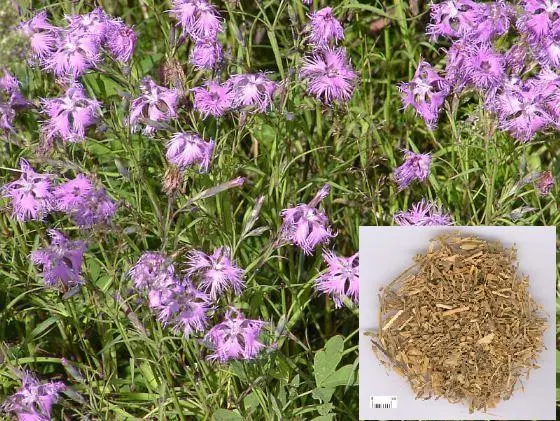
The dried aerial parts of Dianthus superbus L. or Dianthus chinensis L. (Caryophyllaceae).
Identification性状特征
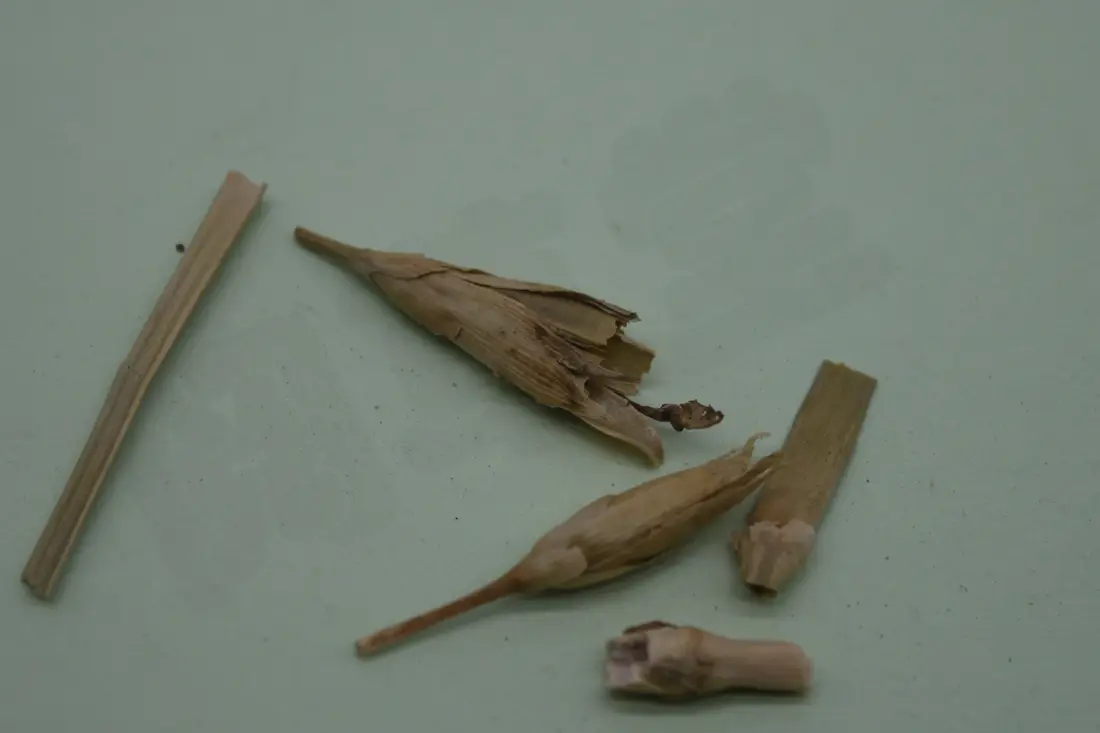
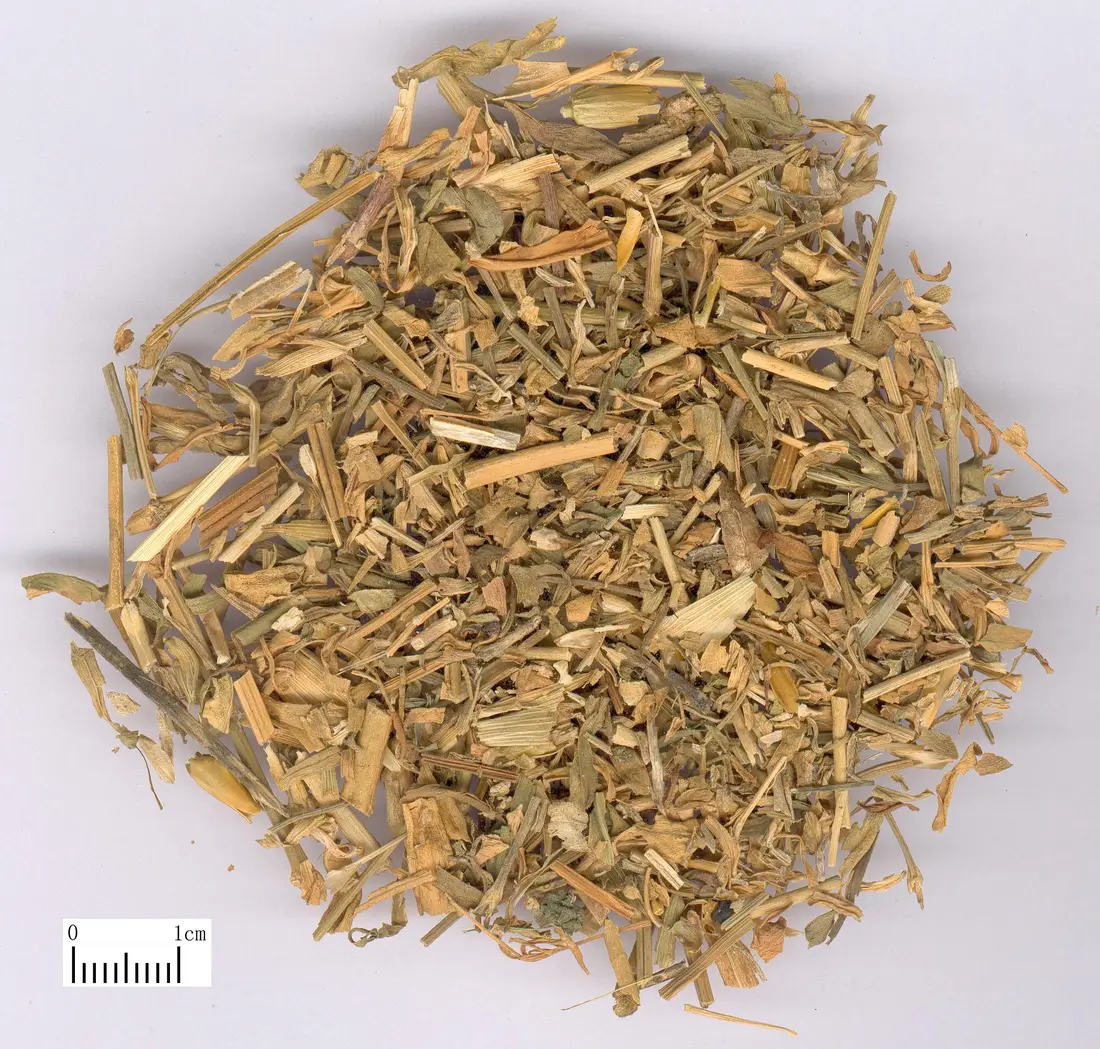
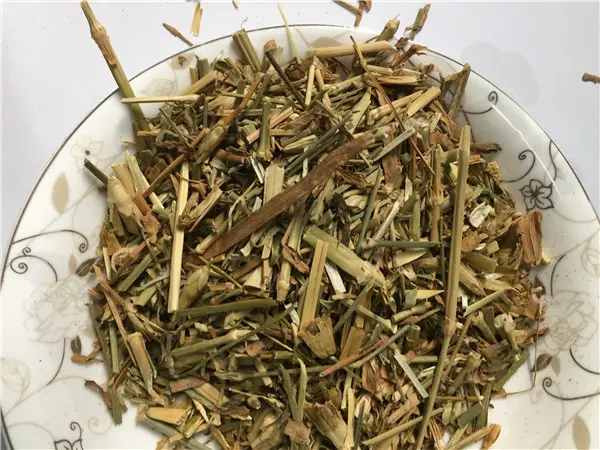
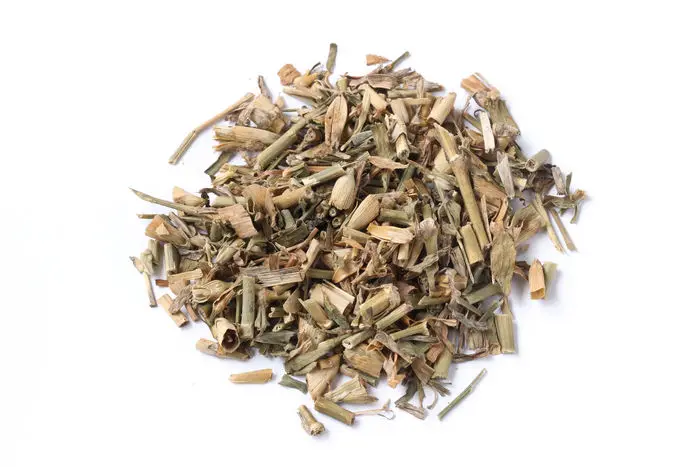
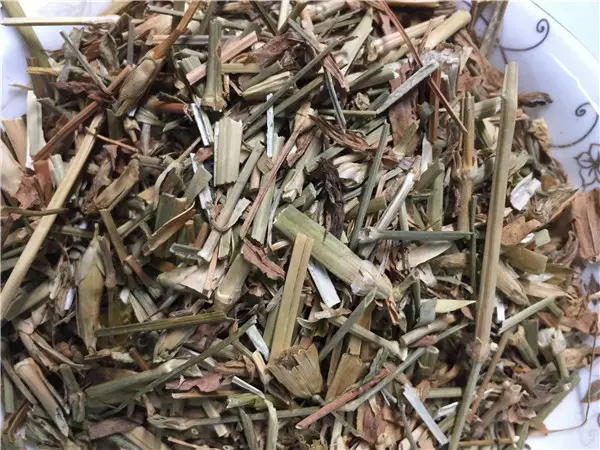
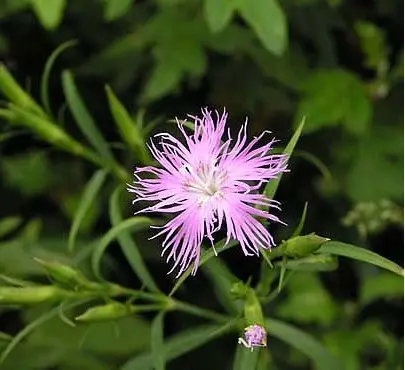
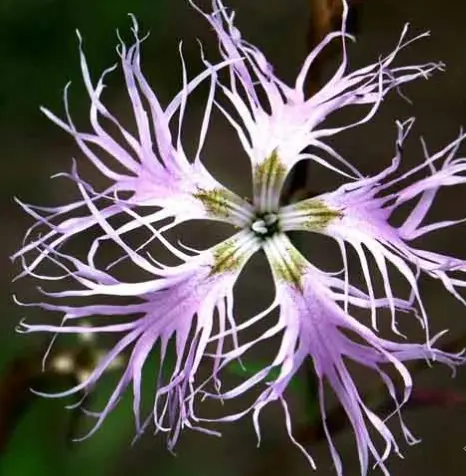
Stems cylindrical, branched above, 30–60 cm long; surface pale green or yellow-green, smooth and glabrous, nodes prominent and slightly swollen, fracture hollow. Leaves opposite, mostly crumpled, when flattened linear to linear-lanceolate. Flowers and fruits at branch tips; calyx tubular, 2.7–3.7 cm long; bracts 4–6, broadly ovate, about 1/4 the length of the calyx tube; petals brown-purple or brown-yellow, curled, apex deeply divided into thread-like segments. Capsule long-cylindrical, equal in length to the persistent calyx. Seeds minute, numerous. Odor slight; taste bland. For Dianthus chinensis: calyx tube 1.4–1.8 cm long; bracts about 1/2 the length of the calyx tube; petal apex shallowly toothed.
Properties and actions性味与功效
ActionsPromote urination and treat strangury · Invigorate blood and unblock menstruation
IndicationsUsed for heat strangury, blood strangury, stone strangury, urinary obstruction, dribbling painful urination, and amenorrhea with blood stasis.
CautionContraindicated in deficiency-cold of the spleen and stomach and during pregnancy.
Processing炮制
RawRemove impurities, wash, briefly moisten, cut into sections, and dry.
Modern research现代药理
Diuretic effectQu Mai has a certain diuretic effect.
Intestinal stimulantIt significantly stimulates the intestinal tract.
AntischistosomalIn vitro, a 10% decoction directly kills Schistosoma.
AntimicrobialIt inhibits various pathogenic bacilli and cocci.
Cardiovascular and anticancerThe decoction inhibits the heart and lowers blood pressure; water and methanol extracts inhibit cancer cells.
Classical records历代本草
The Shennong Bencao Jing records Qu Mai as bitter and cold, treating urinary retention, eliminating pus and swelling, brightening the eyes, and removing blood stasis. Later texts, such as Bencao Gangmu and Bencao Mengquan, emphasize its action of breaking blood and opening orifices, including for difficult labor.《神农本草经》:味苦,寒。主治关格诸癃结,小便不通,出刺,决痈肿,明目去翳,破胎堕子,下闭血。
《本草纲目》:近古方家治产难,有石竹花汤。治九孔出血,有天南星竺饮,皆取其破血利窍也。
《本草蒙筌》:味苦、辛,气寒。降也,阳中微阴。无毒。恶螵蛸。利小便君主可用,决痈肿佐使堪为。去目翳逐胎,下闭血出刺。
《开宝本草》:味苦、辛,寒,无毒。养肾气,逐膀胱邪逆,止霍乱,长毛发。
《名医别录》:味辛,无毒。主养肾气。逐膀胱邪逆,止霍乱,长毛发。
《本草图经》:古今方通心经、利小肠为最要。
Cultivation and authentication栽培与鉴别
3 cultivation notes and 3 authentication articles exist for this herb. They are long-form field material and are published in Chinese only.
Read them in Chinese →