Katsumada's Galangal Seed (Cao Dou Kou)
Cao Dou Kou
ALPINIAE KATSUMADAI SEMEN
Nature and flavorPungent, warm. Meridian tropism: spleen and stomach.
Meridians enteredSpleen, stomach
Dosage3–6 g
Reference market price¥30 / kgBozhou market · spec common grade · 海南 · snapshot 2026-11-21
An aromatic herb that dries dampness, promotes qi movement and warms the middle to stop vomiting.
Source药物来源
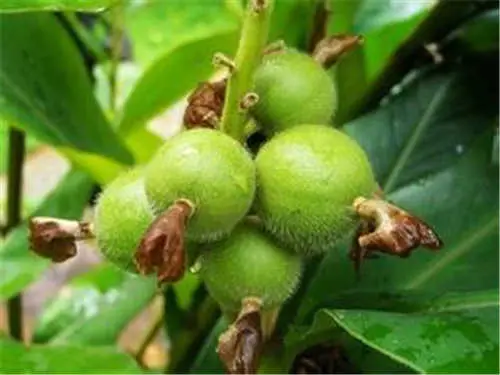
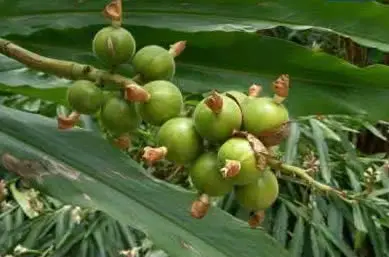
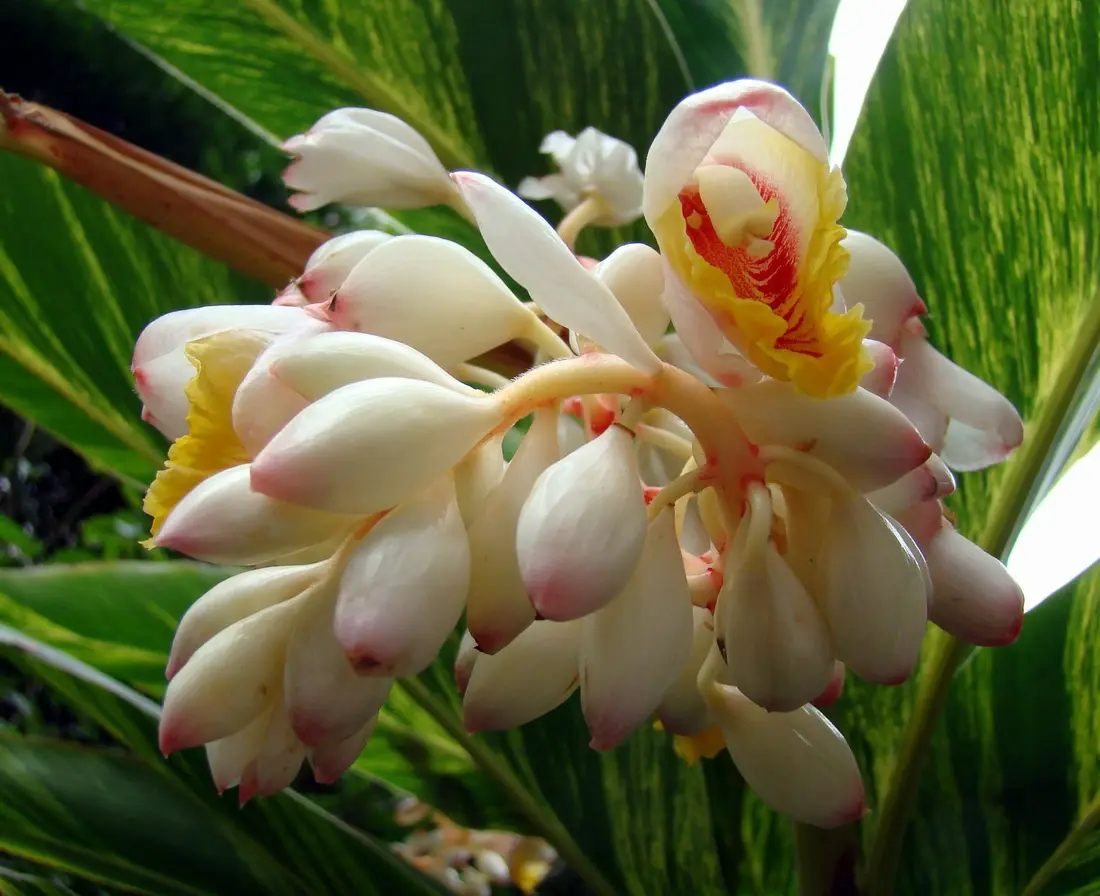
The dried nearly mature seeds of the ginger family plant Alpinia katsumadai Hayata.
Identification性状特征
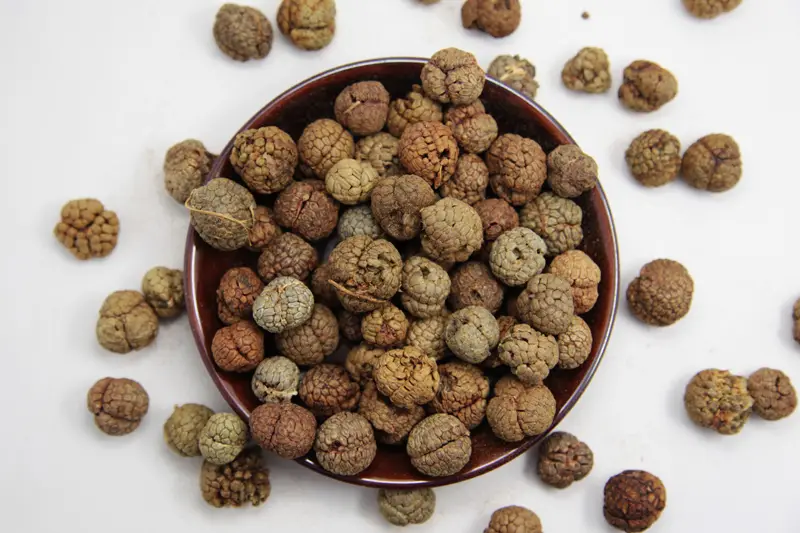
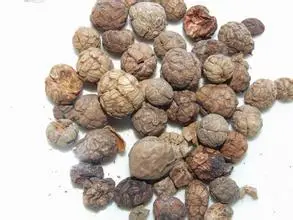
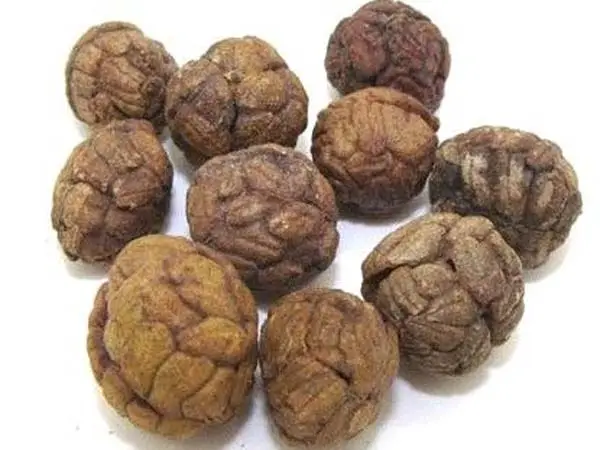
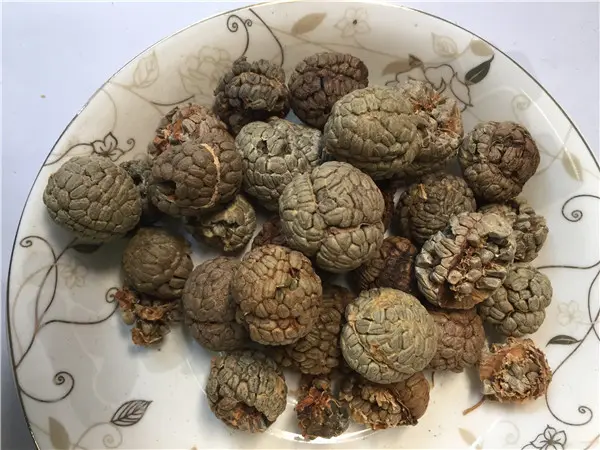
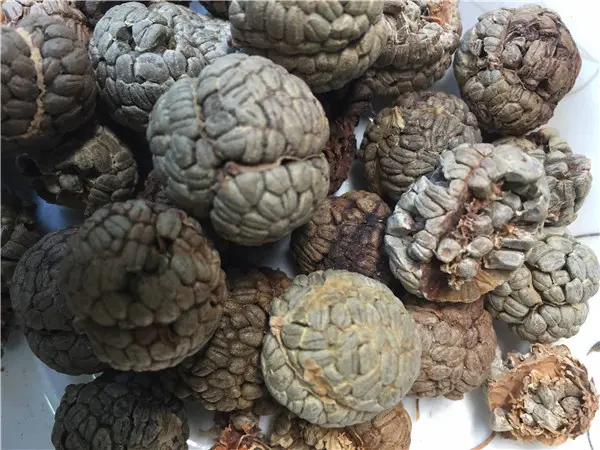
The crude drug is a nearly spherical seed mass, 1.5–2.7 cm in diameter. The surface is grayish-brown, with a yellowish-white septum in the middle dividing the mass into 3 lobes; each lobe contains numerous seeds adhering tightly together, and the seed mass is slightly smooth. Seeds are ovate-polyhedral, 3–5 mm long, about 3 mm in diameter, covered with a pale brown membranous aril; the raphe is a longitudinal groove with a hilum at one end. Texture hard; when a seed is split longitudinally along the raphe, the cross-section appears obliquely cordate, and the portion of the seed coat extending inward along the raphe occupies about 1/2 of the total surface area; endosperm grayish-white. Odor aromatic; taste pungent, slightly bitter.
Properties and actions性味与功效
ActionsDry dampness and promote qi movement · Warm the middle and stop vomiting
IndicationsUsed for internal obstruction by cold-dampness, abdominal distention and cold pain, belching, vomiting and hiccups, and lack of appetite.
Dosage3–6 g, decocted and taken orally.
CautionUse with caution in cases of yin deficiency or heat in the stomach.
Processing炮制
Crude drugRemove impurities. Crush before use.
Modern research现代药理
Effect on pepsin activityA 10% infusion of Cao Dou Kou significantly increases pepsin activity.
Classical records历代本草
The <i>Bencao Gangmu</i> records that its pungent, hot and floating-dispersing nature enters the Taiyang and Yangming to dispel cold, dry dampness, relieve depression and aid digestion; it also warns that excessive use may aggravate spleen heat and impair the eyes. The <i>Bencao Mengquan</i> and <i>Kaibao Bencao</i> note its use for warming the middle, relieving heart and abdominal pain, stopping vomiting and removing foul breath.《本草纲目》:草蔻治病,取其辛热浮散,能入太阳、阳明,除寒燥湿,开郁化食之力而已。南地卑下,山岚烟瘴,饮啖酸咸,脾胃常多寒湿郁滞之病。故食料必用,与之相宜。然过多亦能助脾热,伤脑损目。或云:与知母同用,治瘴疟寒热,取其一阴一阳无偏胜之害。盖草果治太阴独胜之寒,知母治阳明独胜之火也。
治瘴疬寒疟,伤暑吐下泄痢,噎膈反胃,痞满吐酸,痰饮积聚,妇人恶阻带下,除寒燥湿,开郁破气,杀鱼肉毒。
《本草蒙筌》:味辛,气温。阳也,无毒。入剂剥壳取子,行经惟胃与脾,去膈下寒,止霍乱吐逆;驱脐上痛,逐客忤邪伤。酒毒尤消,口臭即解。
《开宝本草》:味辛,温,无毒。主温中,心腹痛,呕吐,去口臭气。
《名医别录》:味辛,温,无毒。主温中,心腹痛,呕吐,去口臭气。
Cultivation and authentication栽培与鉴别
3 cultivation notes and 7 authentication articles exist for this herb. They are long-form field material and are published in Chinese only.
Read them in Chinese →