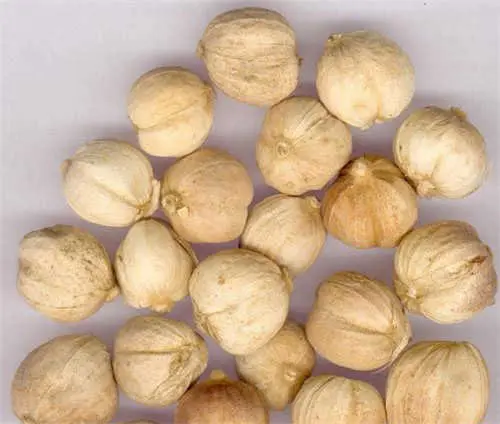
Round Cardamom (Bai Dou Kou)
Round Cardamom is an aromatic herb used to resolve dampness and promote digestion.
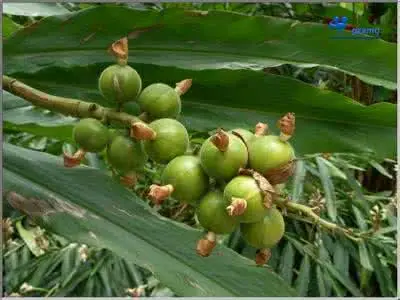
The dried ripe fruit of Amomum kravanh Pierre ex Gagnep. or Amomum compactum Soland ex Maton (family Zingiberaceae).
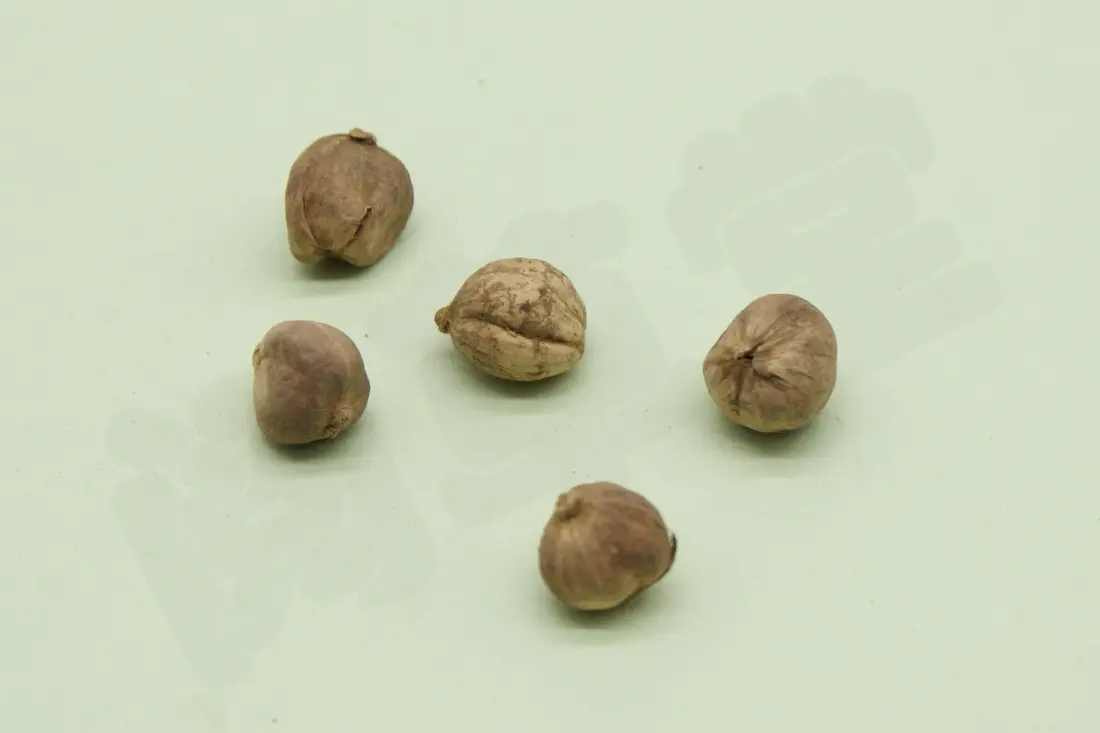
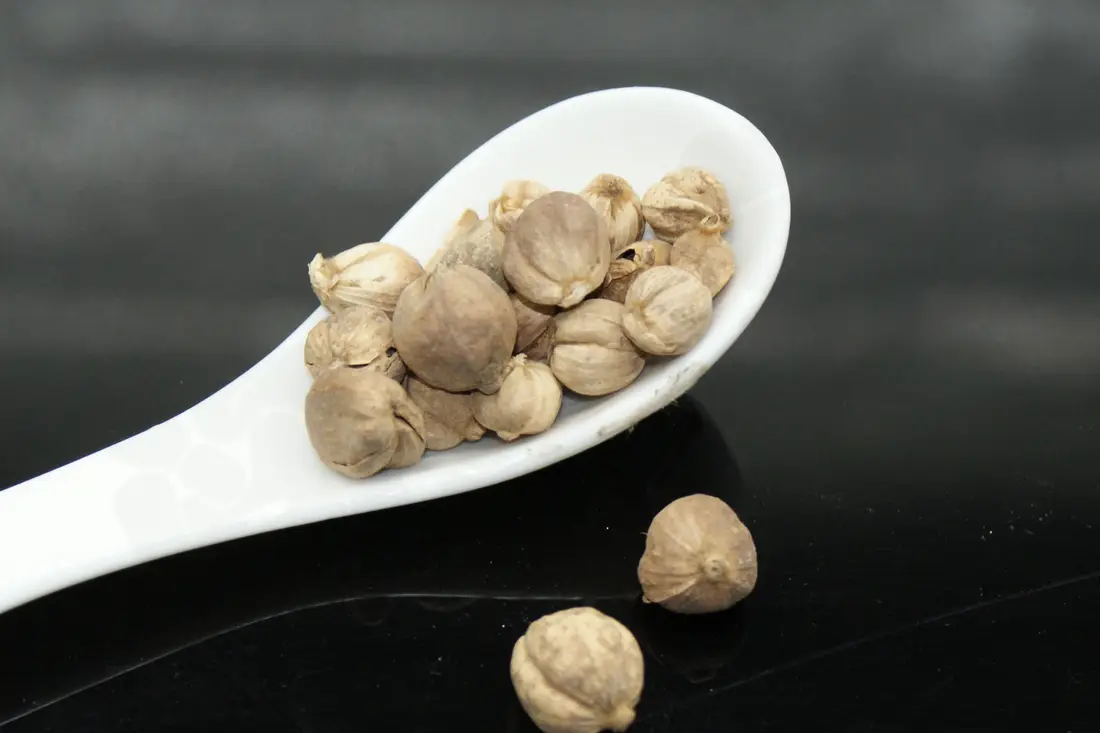
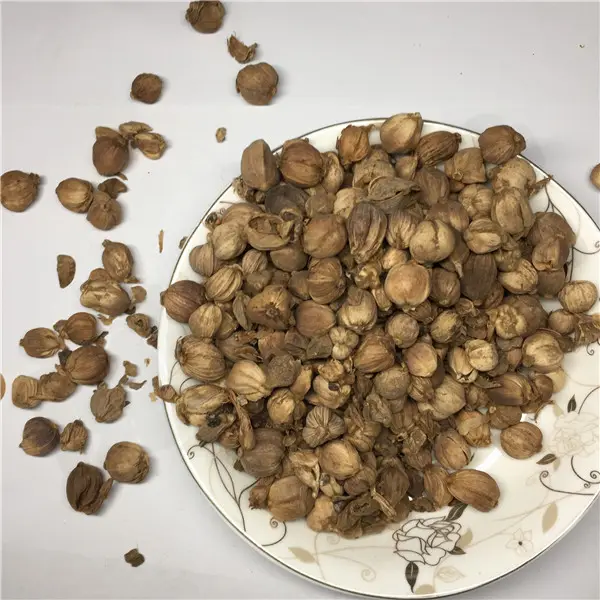
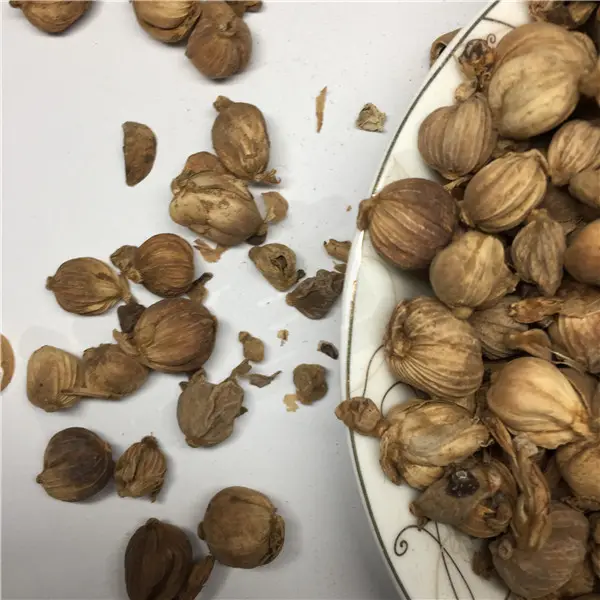
Original round cardamom: subglobose, 1.2–1.8 cm in diameter. Surface yellowish-white to pale yellowish-brown, with 3 deep longitudinal grooves; apex with a raised stigma base, base with a depressed fruit stalk scar, both ends with pale brown hairs. Pericarp light, brittle, easily splitting longitudinally, internally divided into 3 locules, each containing about 10 seeds; seeds irregularly polyhedral, slightly arched on the back, 3–4 mm in diameter, surface dark brown, wrinkled, covered with remnants of aril. Fragrant; taste pungent and cool, slightly camphor-like. Indonesian cardamom: slightly smaller, surface yellowish-white, sometimes slightly purple-brown; pericarp thinner, seeds shriveled; odor and taste weaker.
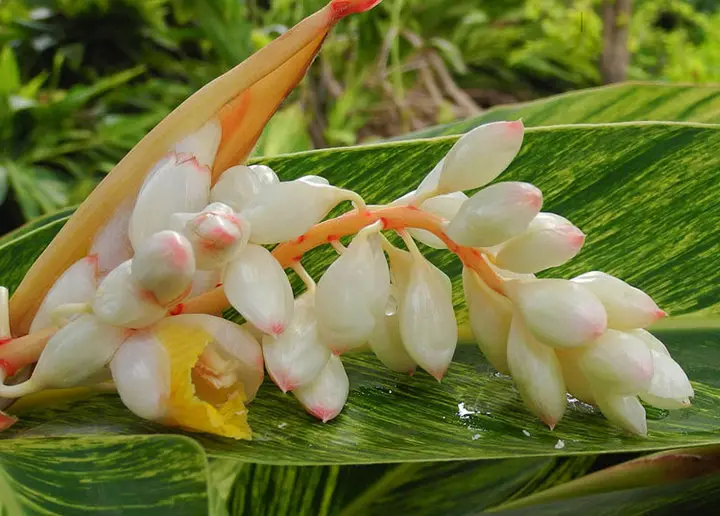
The phrase 'cardamom years' (doukou nianhua) comes from a Tang dynasty poem by Du Mu, describing a young girl as lovely as a cardamom flower in early spring. Later poets also praised cardamom for its beauty and medicinal value. Li Shizhen explained that the name reflects the shape and numerousness of the seeds.
6 cultivation notes and 24 authentication articles exist for this herb. They are long-form field material and are published in Chinese only.
Chinese version · All herbs