Erythrina Bark (Hai Tong Pi)
Hai Tong Pi
Cortex Erythrinae
Nature and flavorPungent, bitter; neutral. Enters Liver, Stomach, and Kidney meridians.
Meridians enteredLiver, Stomach, Kidney
Dosage15–30 g decocted; or soaked in wine. External: appropriate amount, pounded for topical application or soaked in wine for washing.
Reference market price¥6.5 / kgBozhou market · spec common grade · 浙江 · snapshot 2026-11-21
Erythrina Bark (Hai Tong Pi) is a traditional herb for dispelling wind-dampness, promoting urination, and invigorating blood.
Source药物来源
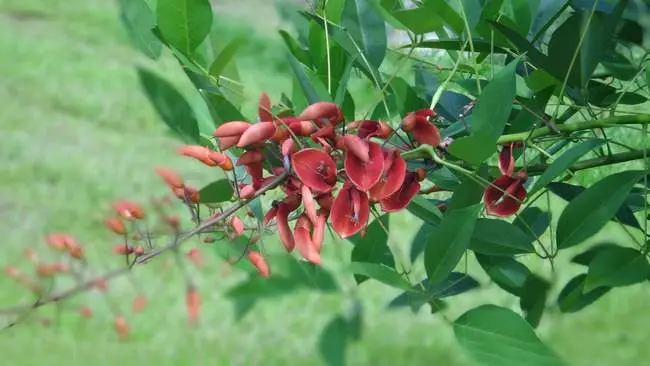
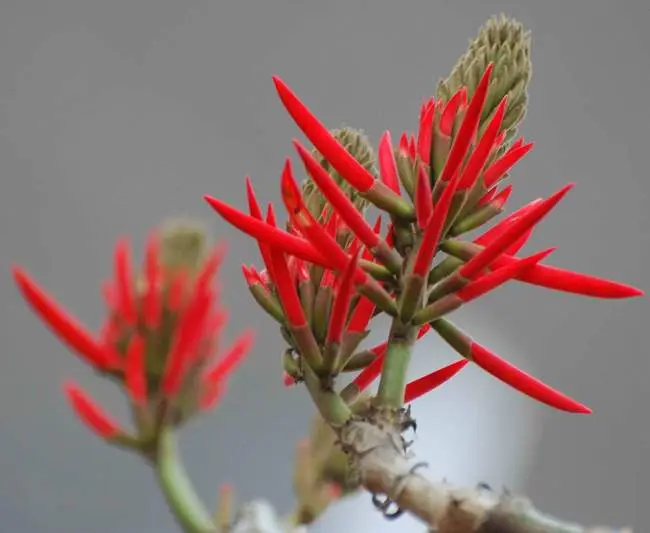
The bark or root bark of Erythrina indica Lam. (Fabaceae).
Identification性状特征
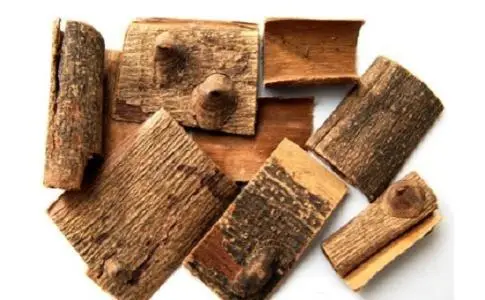
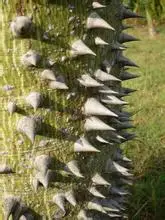
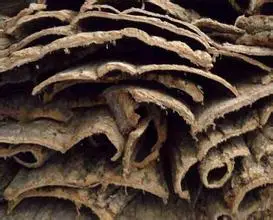
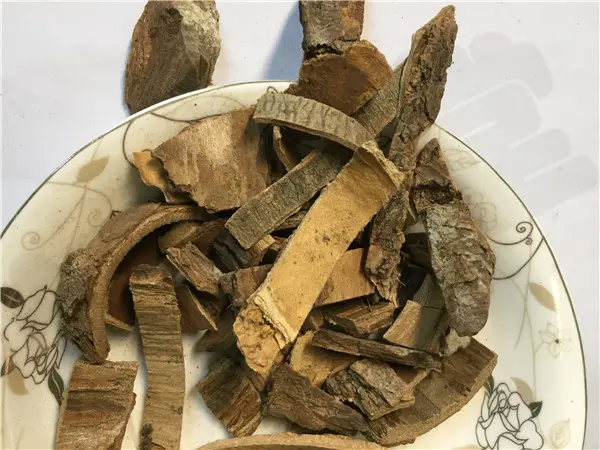
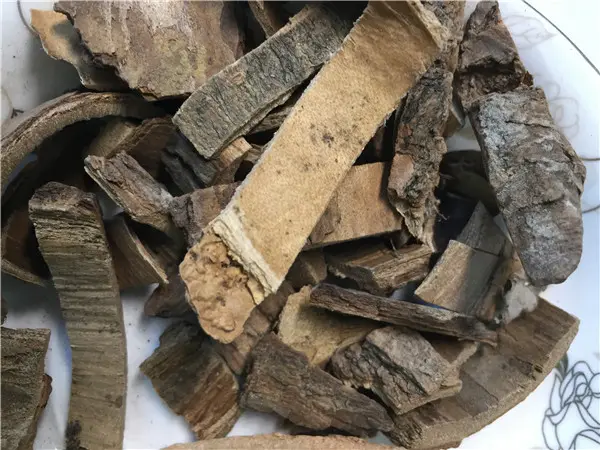
Dried trunk bark, semi-cylindrical or flat pieces, about 30–60 cm long, 1–2 mm thick. Outer surface grayish-brown or grayish-black with sparse longitudinal cracks and dense yellow lenticels; edges irregular, slightly raised or blunt. Large thorns on the bark, tips sometimes worn off, detachable; base round or oblong and longitudinally elongated; inner surface yellowish-brown or reddish-brown, smooth, with fine longitudinal striations. Texture hard and tough, easily split longitudinally, not easily broken transversely. Fracture yellowish-white or pale yellow, highly fibrous. Slight aromatic odor; bitter taste.
Properties and actions性味与功效
ActionsDispel wind and dampness · Promote urination and harmonize the middle · Invigorate blood and resolve toxicity
IndicationsUsed for wind-damp painful obstruction, edema, dysuria, and heat-toxin swellings; topically for scabies and tinea.
DosageOral: decoct 15–30 g; or soak in wine. External: appropriate amount, pound and apply, or soak in wine for external washing.
CautionUse with caution in cases of yin deficiency or blood dryness; not suitable for low back pain not due to wind-dampness. Avoid in deficiency-cold of the spleen and stomach.
Processing炮制
Raw Erythrina BarkRemove impurities, soak in clean water until 60–70% penetrated, wash, cover and moisten until fully penetrated, cut into shreds, and dry.
Modern research现代药理
Analgesic and sedative effectsErythrina Bark has analgesic and sedative actions.
Antifungal effectsA 1:3 water infusion inhibits various pathogenic dermatophytes and skin fungi to varying degrees.
Antispasmodic effect (in vitro)The decoction significantly antagonizes acetylcholine-induced intestinal contraction.
Classical records历代本草
The Bencao Gangmu notes that Hai Tong Pi moves through the meridians to reach the disease site, enters the blood aspect, and expels wind and kills parasites. The Bencao Mengquan and Bencao Tujing record its use for wind-induced limpness, painful obstruction, and skin disorders, often in wine preparations.《本草纲目》:海桐皮能行经络,达病所。又入血分,及去风杀虫。
苦平无毒。去风杀虫。煎汤,洗赤目。
《本草蒙筌》:味苦、气平。无毒。主霍乱赤白久痢,除疳疥癣牙虫。渍酒治风蹶殊功,渍水洗赤眼神效。
《海药本草》:味苦,温,无毒。主腰脚不遂,顽痹,腿膝疼痛,霍乱,赤白泻痢,血痢,疥癣。
《本草图经》:古方多用浸酒,治风蹶。南唐筠州刺史王绍颜《续传信方》云:顷年予在姑孰,得腰膝痛不可忍,医以肾脏风毒攻刺诸药莫疗。因览刘禹锡《传信方》备有此验。修服一剂,便减五分。其方用海桐皮二两,牛膝、川芎、羌活、地骨皮、五加皮各一两,甘草五钱,薏苡仁二两,生地十两,并净洗,焙干、锉,以绵裹,入无灰酒二斗浸之,冬二七,夏一七。空心饮一盏,早、午、晚各一次,能令醺醺。此方不得添减。
《本草经疏》:海桐皮禀木中之阴气以生,《本经》味苦气平无毒。然详其用,味应带辛。气薄味厚,阴中阳也。入足太阴、阳明经。二经虚则外邪易入,为霍乱中恶,辛以散之。湿热内侵为疳匿,久痢,苦以泄之。又脾胃主肌肉,湿热浸淫则生虫而为疥癣,苦能杀虫,平即微寒,湿热去而疥癣除矣。其主漱齿洗目者,亦取其苦寒杀虫,辛平散风热之意耳,李珣以之治腰脚不遂,血脉顽痹,腿膝疼痛之证,其为辛苦之剂无疑矣。
简误:腰痛,非风湿者不宜用。