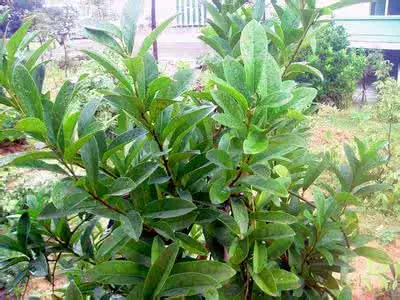
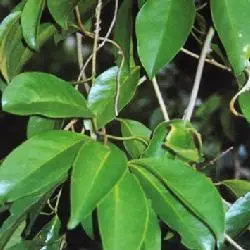
Ding Gong Teng (Erycibe stem)
Ding Gong Teng
ERYCIBES CAULIS
Nature and flavorPungent, warm; mildly toxic. Meridian tropism: liver, spleen, stomach.
Meridians enteredLiver, spleen, stomach
Dosage3–6 g, used in medicinal wine for oral or topical application
Reference market price¥6.8 / kgBozhou market · spec common grade · 较广 · snapshot 2026-11-06
Ding Gong Teng is a mildly toxic wind-damp herb used for painful obstruction, hemiplegia and traumatic swelling.
Source药物来源
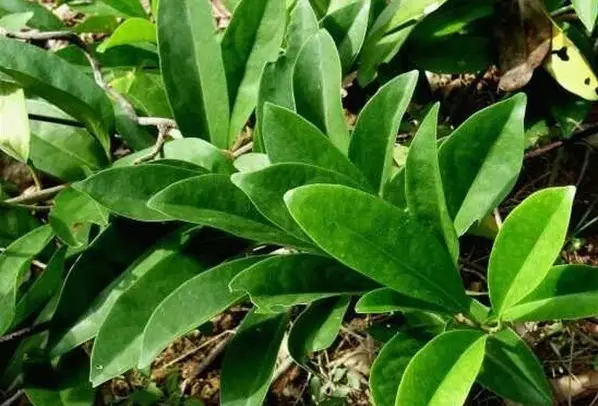
The dried vine stem of Erycibe obtusifolia Benth. or Erycibe schmidtii Craib (Convolvulaceae).
Identification性状特征
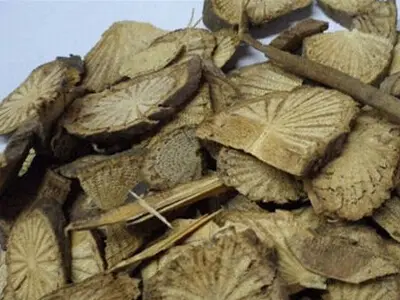
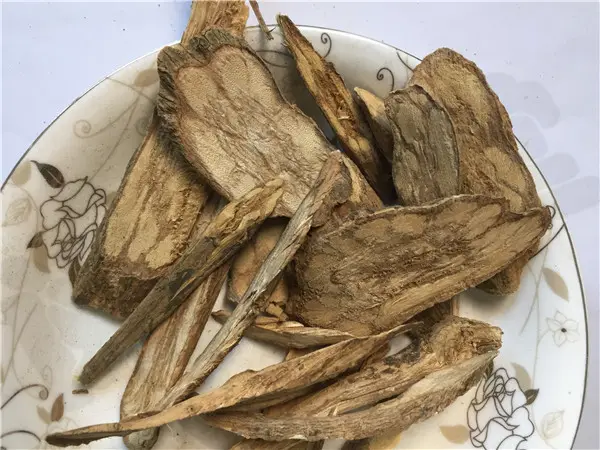
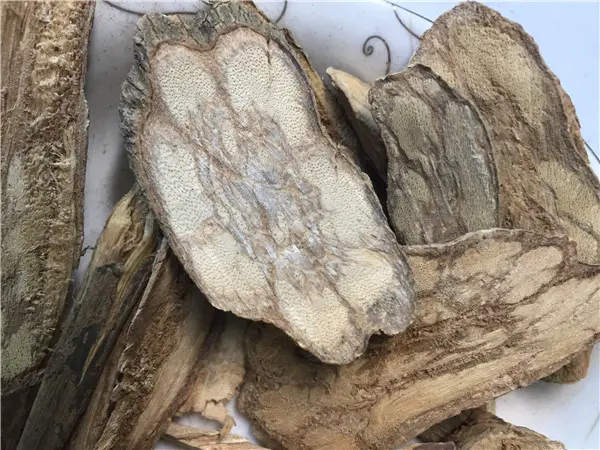
Obliquely cut segments or slices, 1–10 cm in diameter. Outer bark grayish-yellow, grayish-brown or light brown, slightly rough, with shallow grooves and irregular longitudinal or龟裂 cracks; lenticels dot-like or warty, yellowish-white; old cork exfoliating in thin flakes. Hard, fibrous, difficult to break; fracture elliptical, yellowish-brown or light yellow-brown; anomalous vascular bundles flower-like or block-like; xylem vessels dot-like. Odor slight, taste weak.
Properties and actions性味与功效
ActionsDispel wind and dampness · Reduce swelling and relieve pain
IndicationsWind-damp painful obstruction, hemiplegia, traumatic swelling and pain.
Dosage3–6 g, used in medicinal wine for oral administration or topical application.
CautionMildly toxic; use with caution in patients with deficiency-cold of the spleen and stomach; do not overdose. For external use, avoid application to broken skin.
Processing炮制
RawRemove impurities, wash, soften thoroughly, slice, and sun-dry.
Modern research现代药理
Scopoletin (C10H8O4)Scopoletin is a coumarin compound reported in Ding Gong Teng.
Classical records历代本草
Not summarized in the source; no classical citation provided.丁公藤风湿药酒
Cultivation and authentication栽培与鉴别
0 cultivation notes and 1 authentication articles exist for this herb. They are long-form field material and are published in Chinese only.
Read them in Chinese →