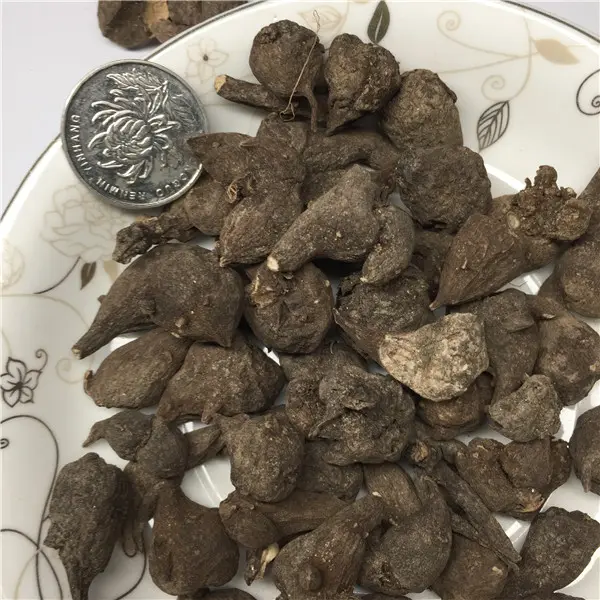
Aconite root (Chuan Wu)
Chuan Wu
ACONITI RADIX
Nature and flavorPungent, bitter, hot; highly toxic. Enters the Heart, Liver, Kidney and Spleen meridians.
Meridians enteredHeart, Liver, Kidney, Spleen
DosageGenerally used after processing.
Reference market price¥50 / kgBozhou market · spec common grade · 四川 · snapshot 2026-11-21
Aconite root (Chuan Wu) is a toxic, hot herb used after processing to dispel wind-dampness and warm the meridians.
Source药物来源
The dried mother root of Aconitum carmichaelii Debx. (Ranunculaceae).
Identification性状特征
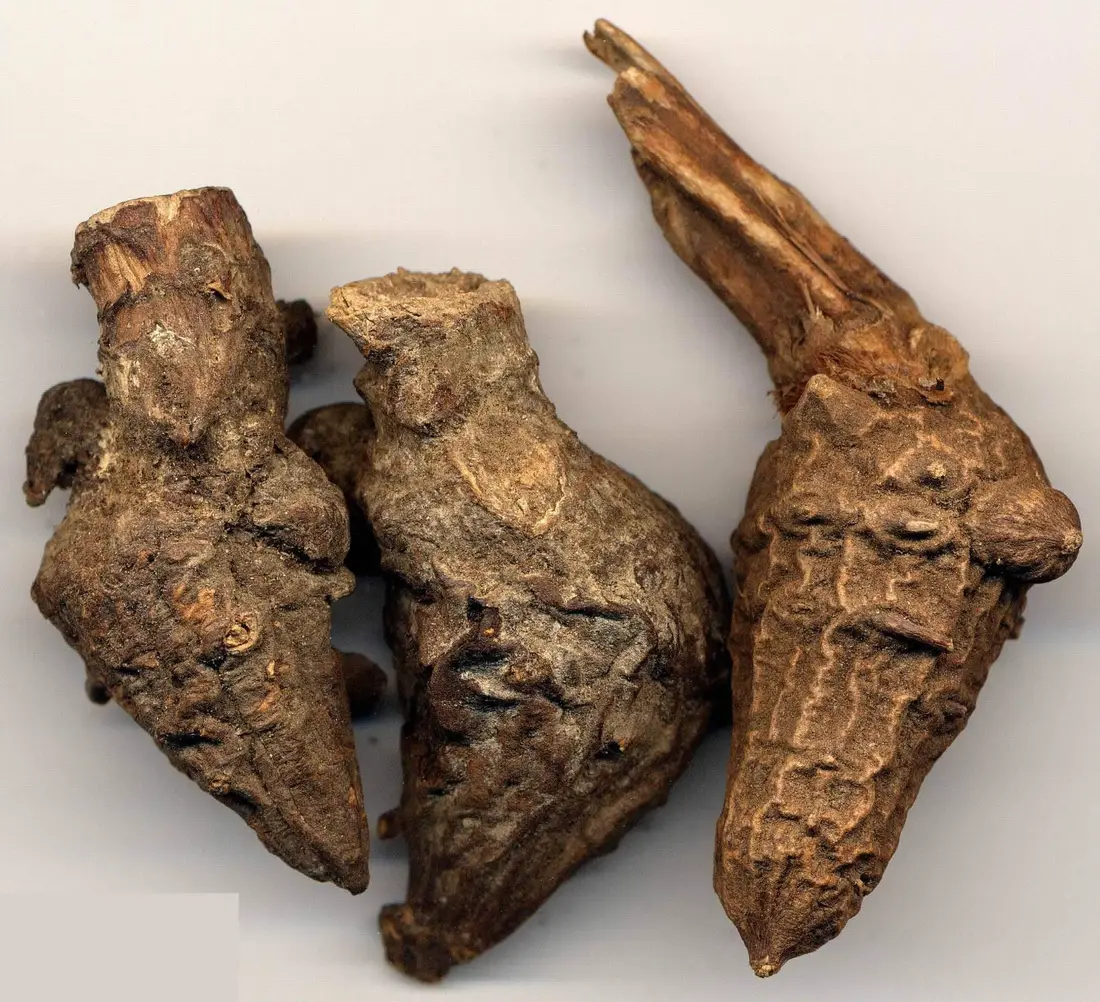
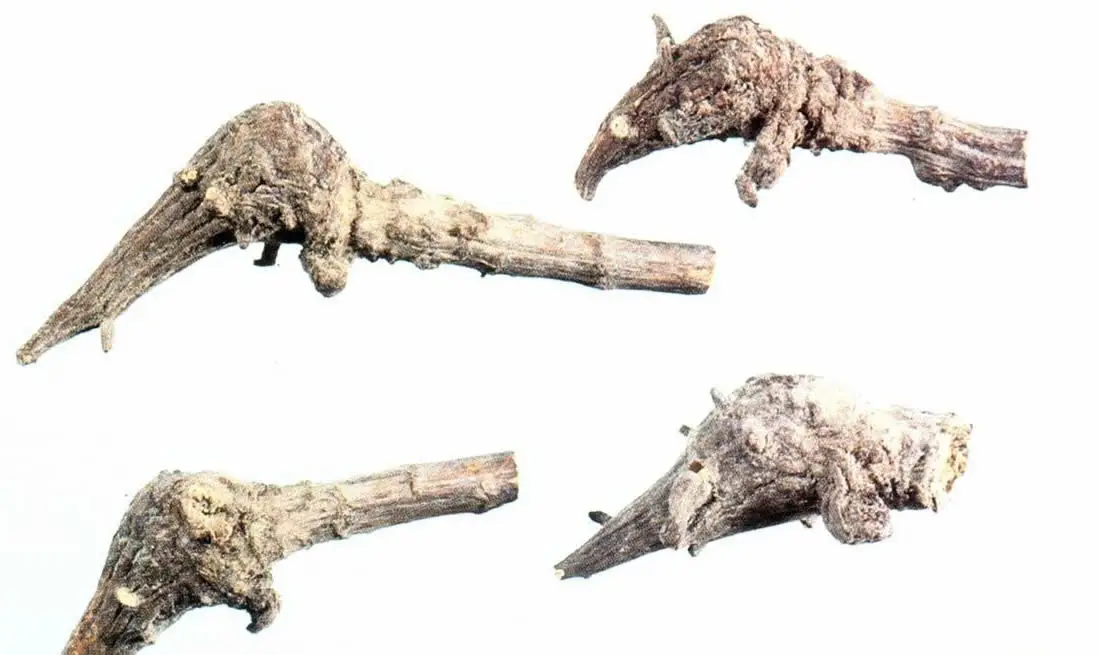
Irregularly conical, slightly curved, often with a residual stem at the apex and a middle part swollen to one side, 2–7.5 cm long, 1.2–2.5 cm in diameter. Surface brownish or grayish-brown, wrinkled, with small nodular lateral roots and scars left after detachment of daughter roots. Texture firm; fracture nearly white or pale grayish-yellow, with a polygonal cambium ring. Odor slight; taste pungent and numbing.
Properties and actions性味与功效
Actions
Dispel wind and drain dampness · Warm the meridians and relieve pain
Indications
Wind-cold-dampness arthralgia, joint pain, cold pain of the heart and abdomen, pain due to cold hernia, and used for anesthetic pain relief.
Dosage
Generally used after processing.
Caution
Highly toxic; use only after processing and in strict accordance with prescribed doses. Contraindicated in pregnancy and in patients with yin deficiency or heat patterns; avoid prolonged use. Overdose may cause numbness of the tongue, palpitations and arrhythmia—seek medical help immediately.
Processing炮制
Raw Chuan Wu
Remove impurities, wash off dust, and sun-dry.
Processed Chuan Wu
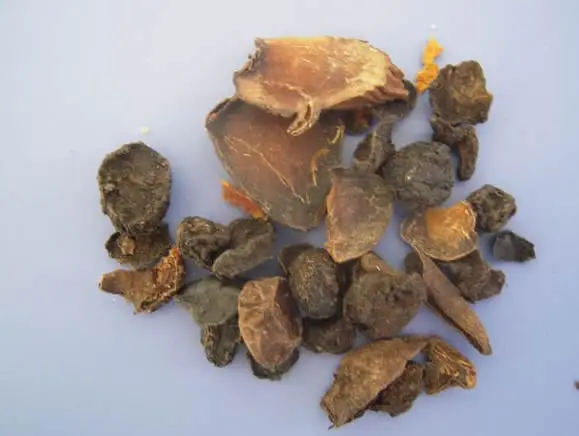
Soak in water until the interior is free of a dry core, then boil for 4–6 hours or steam for 6–8 hours until a large, solid piece shows no white core when cut and tastes only slightly numbing. Air-dry to about 60% dryness, cut into thick slices, dry, and sift out fragments.
Modern research现代药理
Aconitine (C34H47NO11)
Aconitine is the principal toxic alkaloid of aconite root.
Hypaconitine (C33H45NO10)
Hypaconitine is another diester-diterpenoid alkaloid present in the root.
Mesaconitine (C33H45NO11)
Mesaconitine contributes to the herb's toxicity and pharmacological activity.
Classical records历代本草
Classical bencao works record Chuan Wu as pungent, bitter and hot with great toxicity, used for wind-cold-dampness pain, and stress that it must be processed before internal use.
一般炮制后用。
Culinary use民间药膳
Chuan Wu congee
Raw Chuan Wu 3–5 g, japonica rice 50 g, about 10 drops of ginger juice, honey to taste.
Pound Chuan Wu into a very fine powder. Cook the rice into congee, add the powder when it boils, then simmer over low heat. When cooked, stir in ginger juice and honey and bring to one or two brief boils.
Dries dampness and dispels cold, frees the joints, warms the meridians and relieves pain.
Audio and video语音与视频
Narration · Chinese · 7:34
Latin name · pronunciation
Photographs药材图片
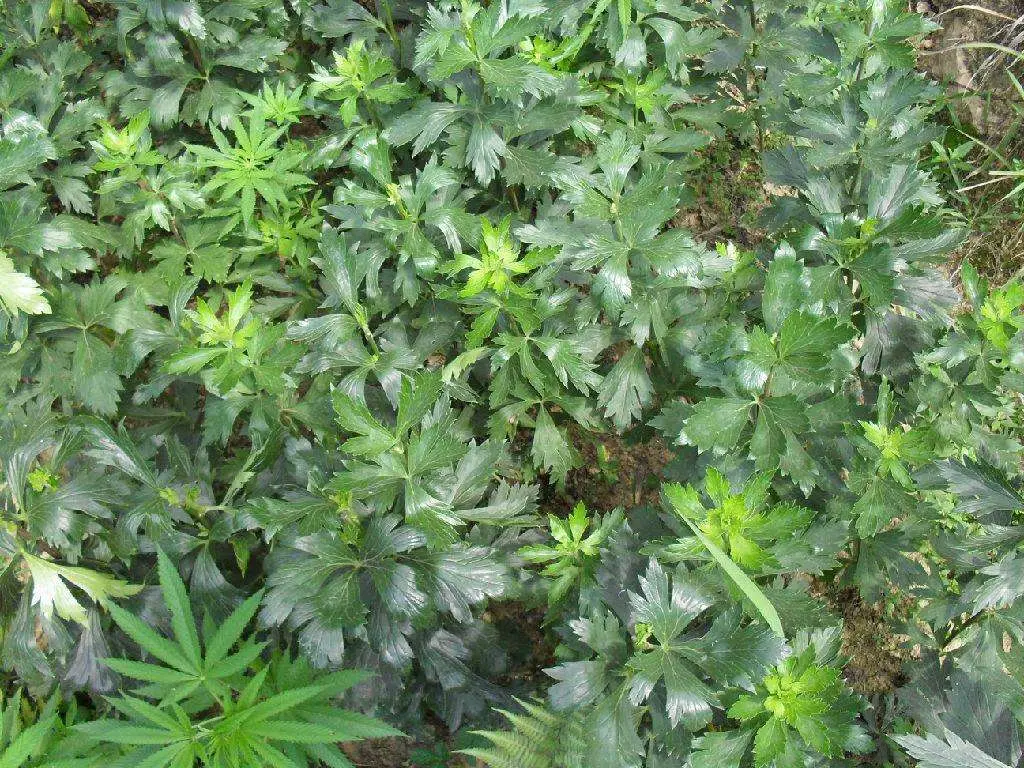
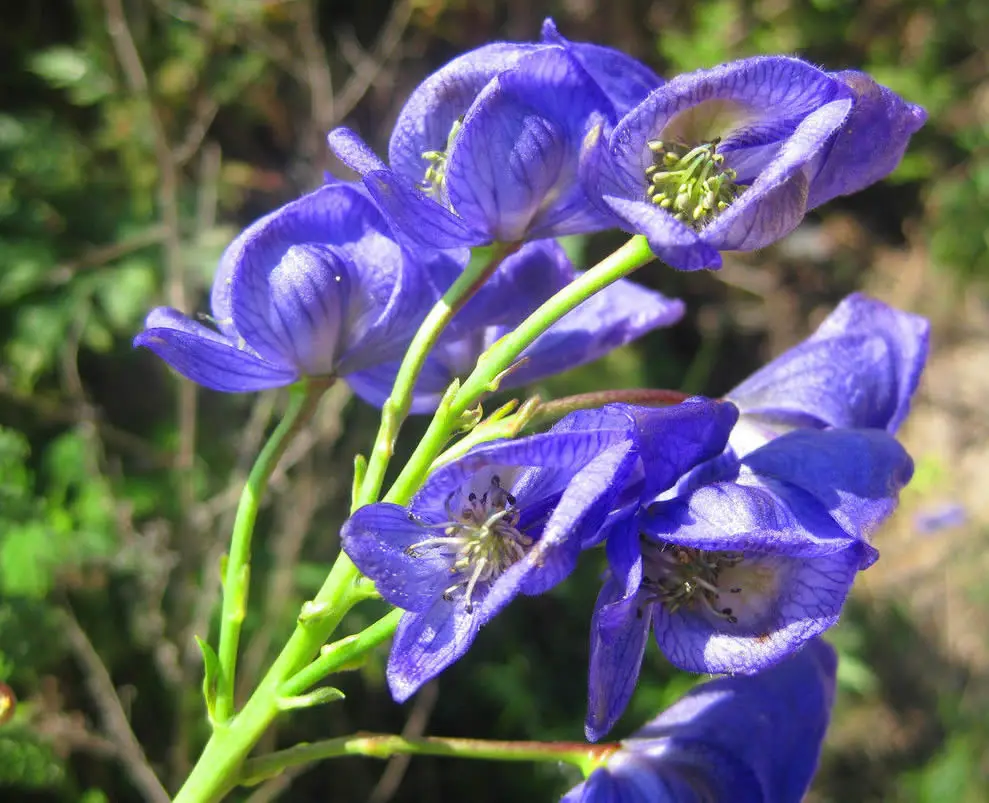
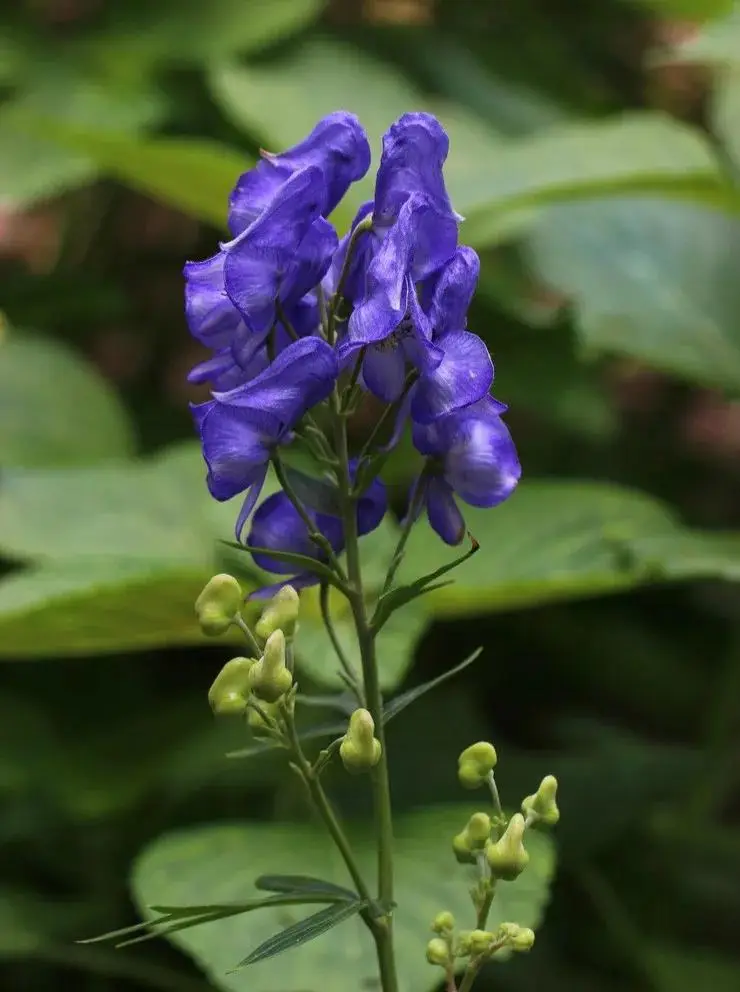
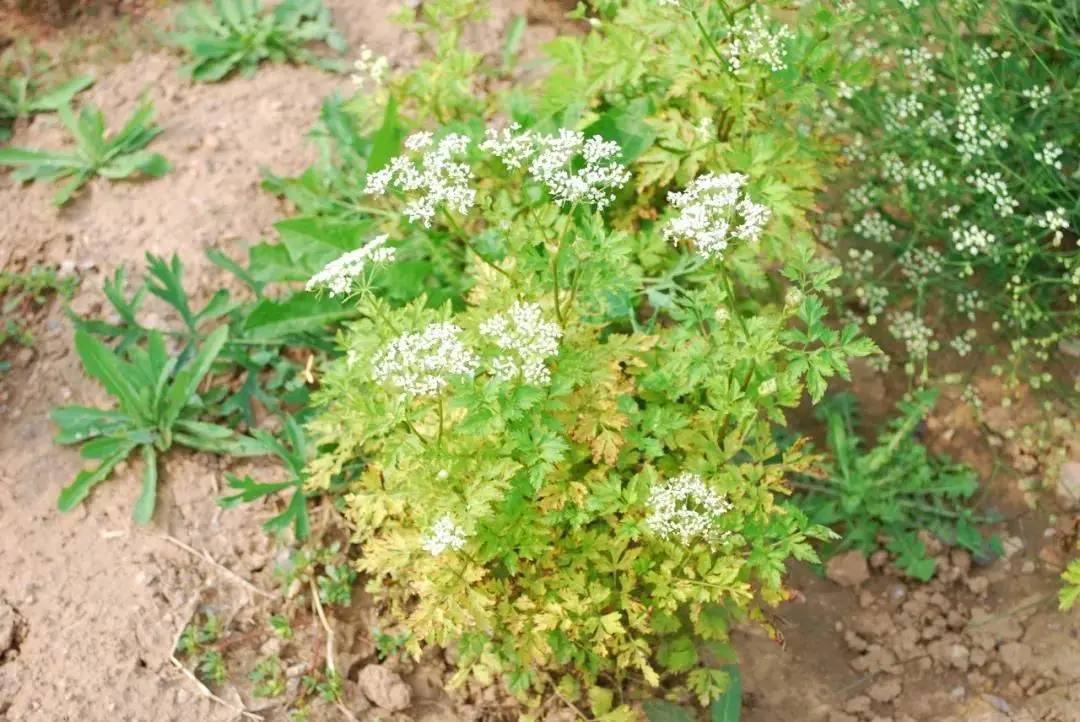
Cultivation and authentication栽培与鉴别
4 cultivation notes and 7 authentication articles exist for this herb. They are long-form field material and are published in Chinese only.
Compiled from public Chinese materia medica sources for study and reference. Not medical advice.
Chinese version · All herbs
Chinese version · All herbs