Mulberry Twig (Sang Zhi)
Sang Zhi
MORI RAMULUS
Nature and flavorSlightly bitter, neutral. Enters the Liver meridian.
Meridians enteredLiver
Dosage9–15 g
Reference market price¥2.8 / kgBozhou market · spec common grade · 江苏 · snapshot 2026-11-21
Mulberry Twig is a wind-damp dispelling herb used for joint pain and numbness.
Source药物来源
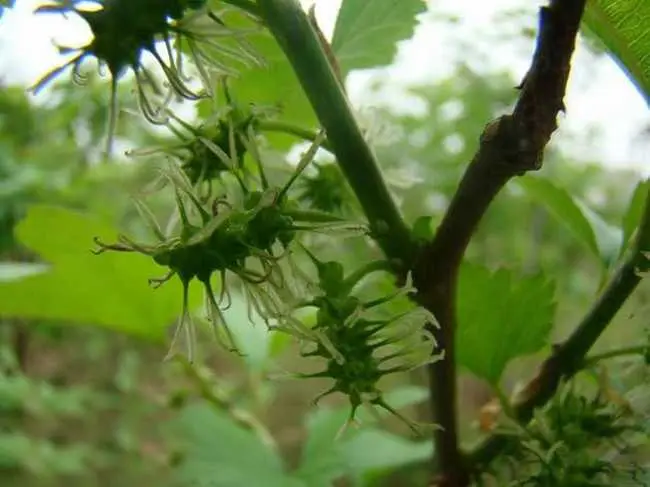
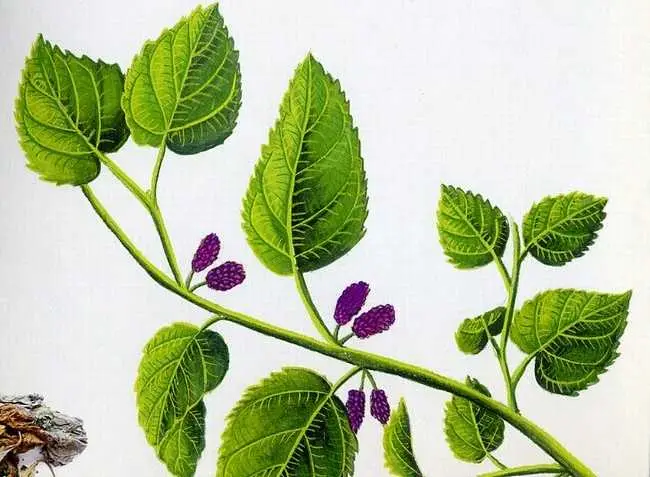
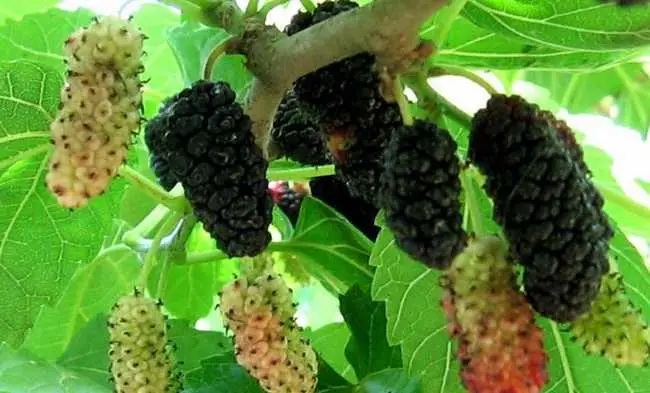
The dried young twigs of Morus alba L. (family Moraceae).
Identification性状特征
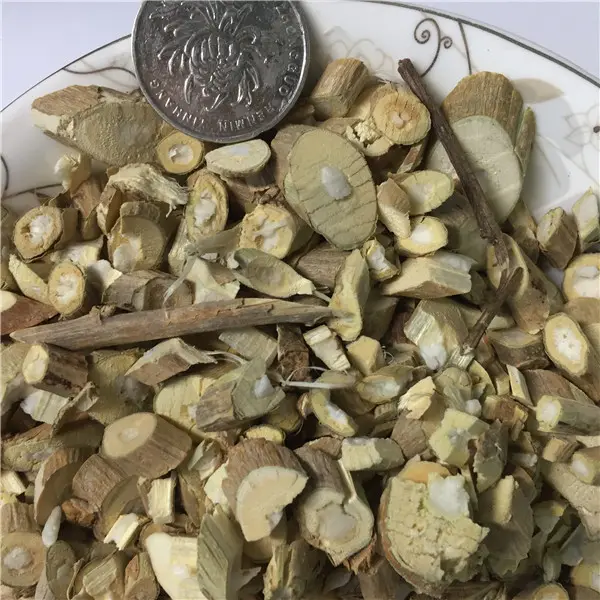
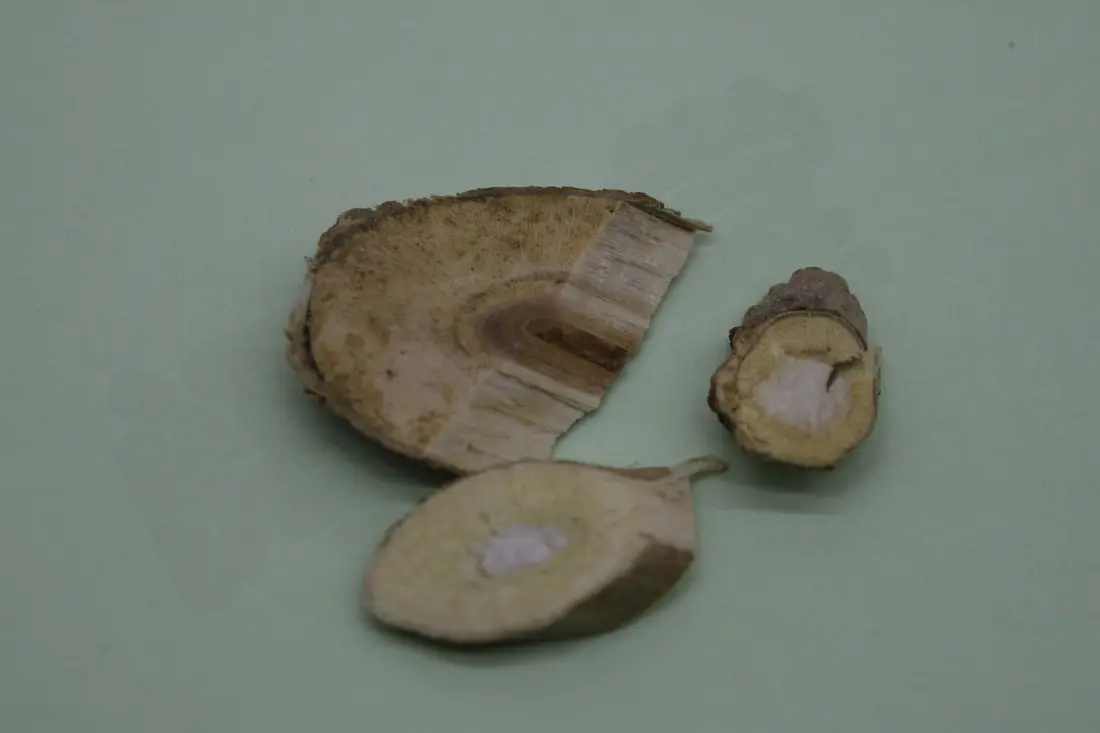
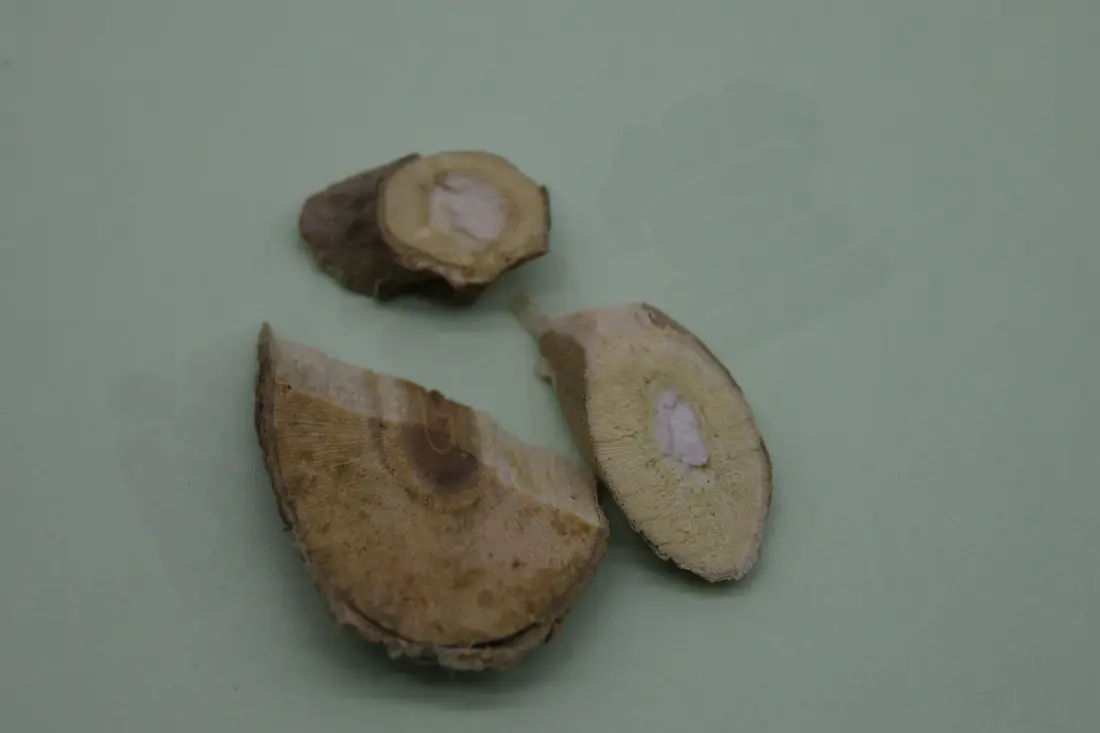
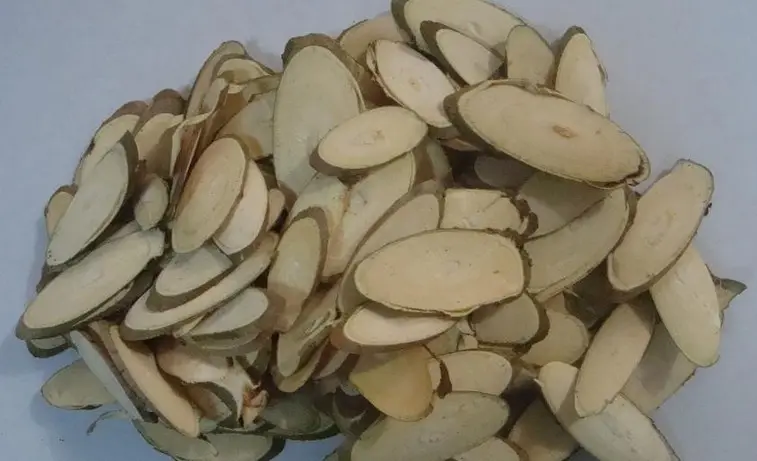
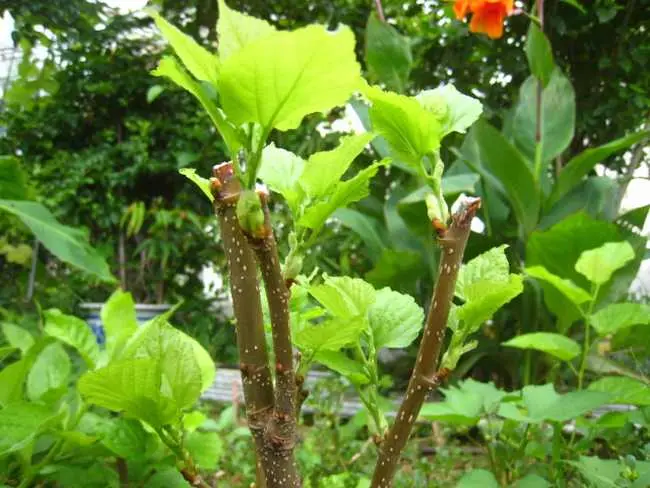
Long cylindrical, rarely branched, varying in length, diameter 0.5–1.5 cm. Surface grayish-yellow or yellowish-brown, with numerous yellowish-brown dotted lenticels and fine longitudinal striations, grayish-white semicircular leaf scars and yellowish-brown axillary buds. Tough, difficult to break, fracture fibrous. Sliced pieces 0.2–0.5 cm thick; bark relatively thin, wood yellowish-white, rays radial, pith white or yellowish-white. Slight odor, bland taste.
Properties and actions性味与功效
Actions
Dispel wind-damp · Benefit the joints
Indications
Used for wind-damp bi syndrome with aching, numbness and pain of the shoulders, arms and joints.
Dosage
9–15 g.
Caution
No specific contraindications in the source; use with caution in patients with yin deficiency or dryness-heat, and follow professional guidance.
Processing炮制
Sang Zhi (raw)
For uncut twigs, wash, soften thoroughly, cut into thick slices, and sun-dry.
Chao Sang Zhi (stir-fried)
Take Sang Zhi slices and stir-fry using the clear-frying method until slightly yellow.
Modern research现代药理
Lymphocyte transformation
Mulberry Twig has the effect of increasing lymphocyte transformation rate.
Classical records历代本草
The Bencao Gangmu records that mulberry is used in decoctions to benefit joints and remove wind-cold-damp bi pain, and also for external application. The Bencao Mengquan notes it improves hearing and vision, relaxes contractures, and treats wind-itch. The Bencao Tujing mentions its use for generalized wind-itch, edema, beriberi, and cough. The Bencao Jingshu describes it as bitter and neutral, used for wind-itch, contractures, and thirst after abscesses, and cites a formula for vitiligo.
《本草纲目》:煎药用桑者,取其能利关节,除风寒湿痹诸痛也。观《灵枢》治寒痹内热,以桑炭炙布巾,熨痹处,治口僻以桑钩钩其口及坐桑灰上,皆取其意也。又痈疽,发背不起发,或瘀肉、腐溃及阴疮、瘰疬、流注、臁疮、顽疮、恶疮久不愈者,用桑木炙法,未溃则拔毒止痛,已溃则补接阳气,亦取桑通关节、去风寒、火性畅达、出郁毒之意。其法以干桑木劈成细片,扎作小把,然火吹息,炙患处。每吹炙片时,以痰肉腐动为度,内服补托药,诚良方也。
《本草蒙筌》:煎常饮,耳目聪明。去手足拘挛,脚气兼散;润皮毛枯槁,风痒且驱。阴管通便,眼眶退晕。利喘嗽逆气,消焮肿毒痈。
《本草图经》:遍体风痒干燥,水气、脚气、风气、四肢拘挛,上气眼运,肺气咳嗽,消食利小便。疗口干及痈疽后渴,用嫩条细切一升,熬香煎饮,亦无禁忌。久服,终身不患偏风。
《本草经疏》:味苦,平,性不冷不热。主遍体风痒干燥,火气脚气风气,四肢拘挛,上气眼晕,肺气咳嗽,消食,利小便。疗痈疽后渴,嫩条细捣一升,熬香煎饮。亦无禁忌。久服,终身不患偏风。《圣惠方》治紫白癜风。桑枝十斤,益母草三斤,水五斗,慢煮至五升,去滓,再煎成膏,每卧时温酒调服半合,以愈为度。
Audio and video语音与视频
Narration · Chinese · 7:34
Latin name · pronunciation
Photographs药材图片
Cultivation and authentication栽培与鉴别
2 cultivation notes and 0 authentication articles exist for this herb. They are long-form field material and are published in Chinese only.
Compiled from public Chinese materia medica sources for study and reference. Not medical advice.
Chinese version · All herbs
Chinese version · All herbs