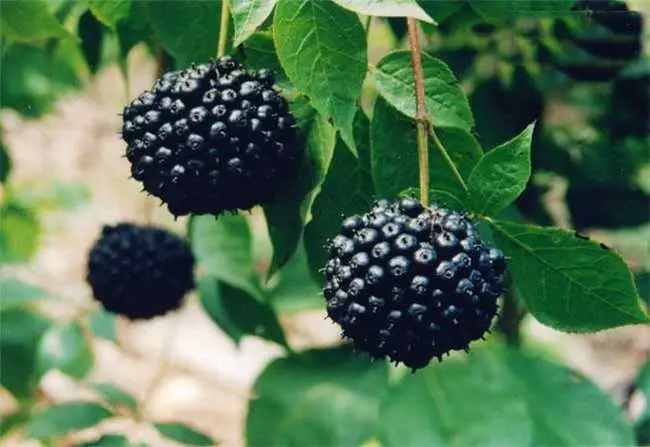
Acanthopanax root bark (Wu Jia Pi)Materia Medica

Acanthopanax root bark (Wu Jia Pi)

Wu Jia Pi
ACANTHOPANACIS CORTEX
Nature and flavorPungent, bitter, warm. Enters the Liver and Kidney meridians.
Meridians enteredLiver, Kidney
Dosage5–10 g
Reference market price¥38 / kgBozhou market · spec common grade · 湖北 · snapshot 2026-11-21

Acanthopanax root bark is a traditional Chinese herb used to dispel wind-dampness, tonify the liver and kidney, and strengthen sinews and bones.

Source药物来源

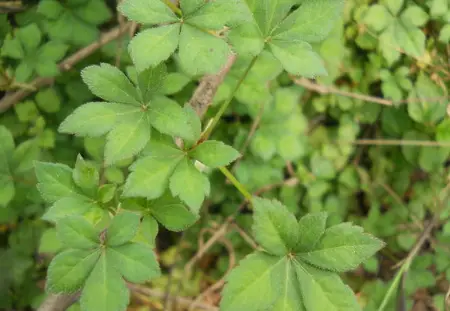
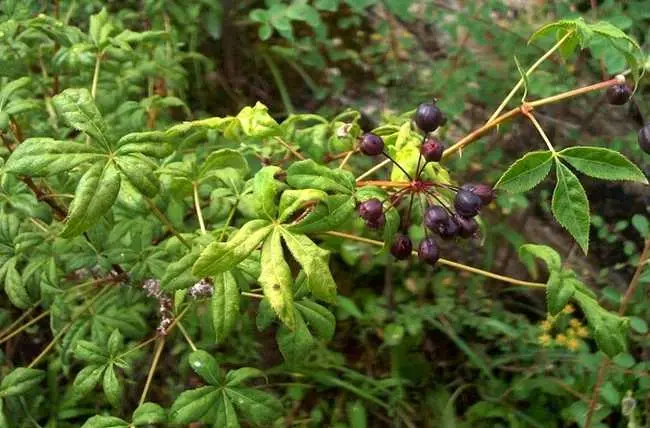
The dried root bark of Acanthopanax gracilistylus W. W. Smith (Araliaceae). Name origin: 'Wu Jia Pi, its tree has one branch with five leaves, showing an intersecting appearance, hence the name' (Bencao Bian Du). Because its root bark is used medicinally, it is called Wu Jia Pi.

Identification性状特征

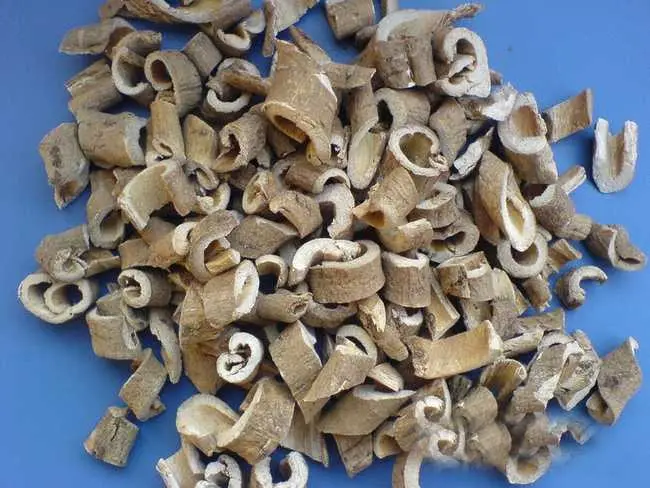
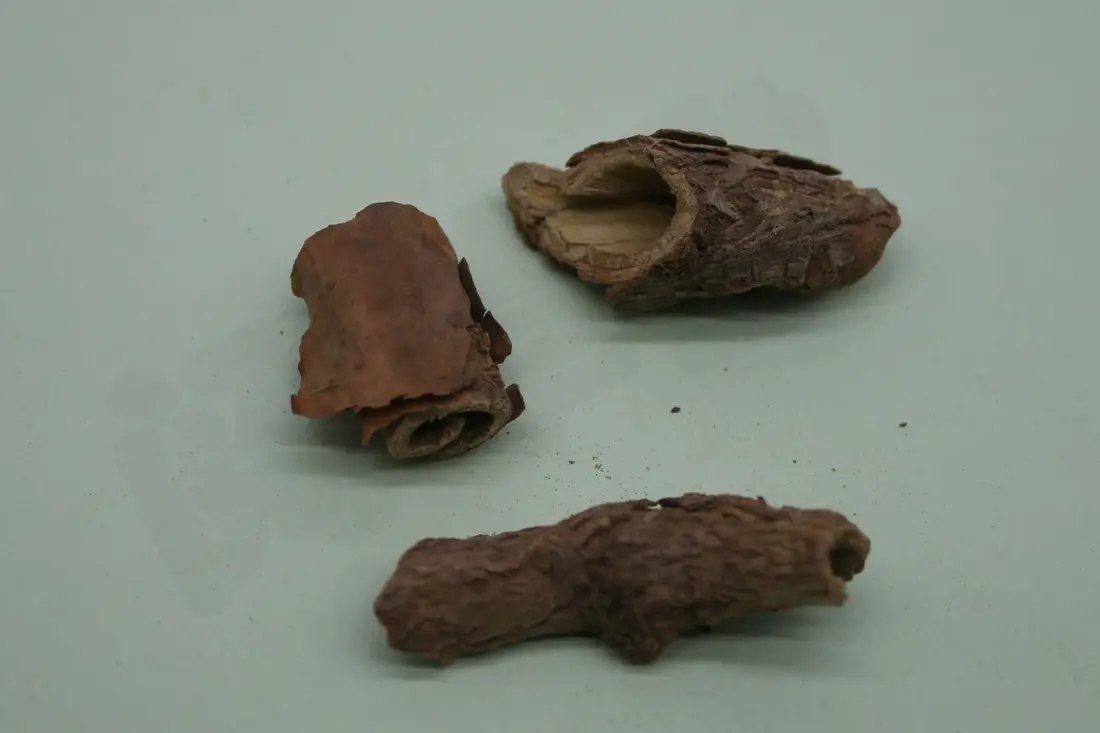
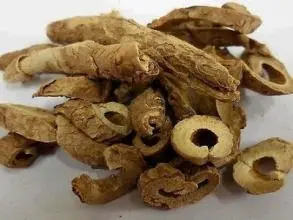
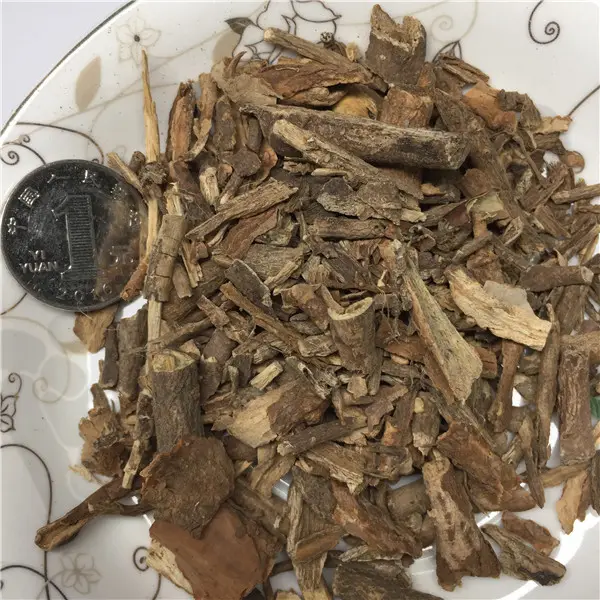
Irregularly curled, 5–15 cm long, 0.4–1.4 cm in diameter, about 0.2 cm thick. Outer surface grayish-brown, with slightly twisted longitudinal wrinkles and transversely elongated lenticel-like scars; inner surface pale yellow or grayish-yellow, with fine longitudinal striations. Light, brittle, easily broken, fracture uneven, grayish-white. Slight aromatic odor; taste slightly pungent and bitter.

Properties and actions性味与功效
Actions
Dispel wind and dampness · Tonify the liver and kidney · Strengthen sinews and bones · Promote urination and reduce swelling
Indications
Used for wind-dampness bi syndrome, flaccidity and weakness of sinews and bones, delayed walking in children, fatigue and weakness due to deficiency, edema, and beriberi.
Dosage
5–10 g.
Caution
Use with caution in cases of yin deficiency with heat signs.
Processing炮制
Raw
Remove impurities, wash, soften thoroughly, slice into thick pieces, and dry in the sun.
Modern research现代药理
Anti-inflammatory effect
The ethanol extract of Acanthopanax root bark has anti-inflammatory effects.
Effect on immune function
Acanthopanax root bark injection significantly reduces the phagocytic index of macrophages. Total saponins of Acanthopanax gracilistylus promote phagocytosis of the reticuloendothelial system and increase serum antibody titers. Acanthopanax sessiliflorus bark inhibits adjuvant arthritis and type I, II, and III allergic inflammatory reactions. Acanthopanax senticosus bark also has anti-rejection effects.
Anti-fatigue and anti-stress effects
Total glycosides of Acanthopanax senticosus bark have anti-fatigue effects; the ethanol extract prolongs survival time of mice under normobaric hypoxia; total saponins of Acanthopanax gracilistylus and Acanthopanax senticosus bark both have anti-stress effects.
Gastroprotective and hepatoprotective effects
Terpenic acids from Acanthopanax senticosus bark (50–100 mg/kg) show protective effects on indomethacin-, pylorus ligation-, and absolute ethanol-induced gastric ulcer models in rats. The polysaccharide fraction of Acanthopanax senticosus bark has anti-liver injury effects and influences RNA metabolism.
Cardiovascular effects
Acanthopanax giraldii bark dilates blood vessels, increases coronary flow, and lowers blood pressure. Acanthopanax leucorrhizus bark has anti-arrhythmic effects.
Hypoglycemic, antitumor and hemostatic effects
Acanthopanax gracilistylus bark has hypoglycemic effects; Acanthopanax senticosus bark has antitumor and hemostatic effects.
Classical records历代本草
The Shennong Bencao Jing records Wu Jia Pi as pungent and warm, treating abdominal hernia, abdominal pain, and benefiting qi. The Bencao Gangmu states it treats wind-dampness and atrophy-bi, strengthens sinews and bones. The Bencao Mengquan notes it dispels chronic blood stasis and wind-dampness, strengthens sinews and bones, and benefits essence.
《神农本草经》:味辛,温。主治心腹疝气,腹痛,益气,治,小儿不能行,疽疮,阴蚀。 《本草纲目》:五加治风湿痿痹,壮筋骨,其功良深。仙家所述,虽若过情,盖奖辞多溢,亦常理尔。亦可煮酒饮,加远志为使更良。五纶《医论》云:风病饮酒能生痰火,惟五加一味浸酒,日饮数杯,最有益。 《本草蒙筌》:味辛、苦,气温、微寒。无毒。畏蛇蜕人参,宜远志为使。堪用酿酒,任研为丸。逐多年瘀血在皮筋中,驱常痛风痹缠脚膝里。坚筋骨健步,强志意益精。去女人阴痒难当,扶男子阳痿不举。小便遗沥可止,阴蚀疽疮能除。叶采作蔬食,散风疹于一身;根茎煎酒尝,治风痹于四末。 谟按:五加之名据义甚大,盖天有五车之星精也。青精入茎,则有东方之液;白气入节,则有西方之津;赤气入花,则有南方之光;玄精入根,则有北方之饴;黄烟入皮,则有戊巳之灵。五神镇生,相转育成。 《开宝本草》:味辛、苦,温、微寒,无毒。男子阴痿,囊下湿,小便馀沥,女人阴痒及腰脊痛,两脚疼痹风弱,五缓虚羸。补中益精,坚筋骨,强志意。 《本草图经》:酿酒饮,治风痹四肢挛急。 《本草拾遗》:花者,治眼臃,人捣沫酒调服,自正。
Folklore本草传说

Wu Jia Pi has been used as medicine for over 2,000 years. The Shennong Bencao Jing records: 'The five-leafed one is best; its root bark is used medicinally, hence Wu Jia Pi.' The Bashu Yiwu Zhi calls it 'Wenzhang Cao' and says: 'Wenzhang made into wine brings out its flavor; buying the herb with gold is not considered expensive.' It also says: 'Wu Jia is the essence of the Five Chariot stars.' As the saying goes, 'Better to have a handful of Wu Jia than a cartload of gold and jade.' Thus physicians and health practitioners all praise it. There is a famous story about 'Zhi Zhonghe Wu Jia Pi wine': long ago, by the Xin'an River in Dongguan Town, Yanzhou Prefecture, Zhejiang (now Jiande), lived a young man named Zhi Zhonghe, who was honest and had a family craft of winemaking. One day, the Fifth Princess of the Dragon King of the East Sea, Jiabi, came to the human world and fell in love with the simple and hardworking Zhi Zhonghe; they married and continued making wine. Seeing that local people suffered from rheumatism, the Fifth Princess suggested making a wine that both strengthens the body and treats illness. Under her guidance, he added Wu Jia Pi, Gan Song, Mu Gua, Yu Zhu, and other precious herbs to the wine, naming it 'Zhi Zhonghe Wu Jia Pi wine.' After its introduction, people from all walks of life came to taste it; the wine was fragrant and everyone praised it, so business flourished. Because the place belonged to Dongguan Town, Yanzhou Prefecture, some later called it 'Yan Dong Guan Wu Jia Pi wine.' This wine has a history of over 200 years and remains popular. Wu Jia Pi wine relieves fatigue, dispels wind-dampness, and strengthens the lower back and knees; it is good for treating muscle cramps, numbness of hands and feet, joint pain, and weakness of the lower back and legs. The wine is sweet and tasty, without a medicinal taste; healthy people who drink it regularly can strengthen bones and body and prolong life. In recent years, according to research, drinking a cup of Wu Jia Pi wine daily can prevent gallstones, fight cancer, and lower serum cholesterol, earning it the reputation of a 'health food.' Tao Hongjing (456–536 AD) said: 'Wu Jia Pi, decocted with its root and stem to make wine, benefits people.' Ancient physicians believed that many herbs can be steeped in wine, but 'only Wu Jia Pi harmonizes with wine and tastes delicious'; 'its qi is suitable for wine, and wine with it tastes better'; 'adding wine nourishes the brain, long-term use prolongs life, and its benefits are too many to describe'; 'In the past, Zhang Zisheng, Yang Yanhe, Wang Shuya, Yu Shiyan, and others all took Wu Jia Pi wine, did not abstain from sexual activity, and lived to 300 years old, with 20 children.' Select southern Wu Jia Pi, preferring thick, long, aromatic pieces without woody center; wash, decoct for juice, and mix with yeast to make wine, or chop and steep in wine in a bag. Wu Jia Pi is highly valued in Chinese medicine and health preservation. As the Guixiang Shi Zaji praises in a poem: 'White-haired child-faced old man, chasing horses before the mountain. Ask the old man what he obtained: he regularly takes Wu Jia tea.'
Culinary use民间药膳
Yuzhu Zhang Porridge
Huai Zi (Sophora japonica) 10 g, Wu Jia Pi 10 g, Goji berry 10 g, Psoralea corylifolia 10 g, prepared Rehmannia 10 g, walnut meat 20 g, oatmeal 100 g.
Stir-fry Huai Zi, Psoralea, and walnut meat until fragrant, grind into powder; decoct Wu Jia Pi and prepared Rehmannia in water, remove residue, keep the liquid; cook the liquid with goji berries and oatmeal into porridge; after porridge is done, sprinkle in the powder of Huai Zi, Psoralea, and walnut meat, and eat as desired. Add sugar to taste if desired.
Tonifies essence and kidney, darkens hair, prolongs life. Suitable for dry and brittle hair, hair loss, dry skin, and dry stool.
White Flower Snake Wine
White flower snake 1, Notopterygium 60 g, Angelica sinensis 60 g, Gastrodia 60 g, Gentiana macrophylla 60 g, Wu Jia Pi 60 g, Saposhnikovia 30 g, glutinous rice wine 4000 ml.
Wash the white flower snake with wine, soften, remove bones and spines, take meat; chop the other herbs, put in a silk bag, place in a wine jar, put the jar in a large pot, boil in water for 1 day, then bury in a shady place for 7 days before taking out. Drink 1–2 cups (30–60 ml) each time; dry the residue, grind into powder, make pills with wine paste, size of parasol seeds, take 50 pills (9 g) each time with warmed wine.
Dispels wind and dampness, unblocks collaterals and relieves pain, strengthens sinews and bones.
Wu Jia Pi Wine
Wu Jia Pi 60 g, glutinous rice 1000 g, sweet wine yeast appropriate amount (some recipes add Angelica, Achyranthes, Sanguisorba).
Wash Wu Jia Pi, scrape off the woody part, decoct to obtain thick juice, then use the juice, rice, and yeast to make wine. Drink as desired.
Dispels wind-dampness, tonifies liver and kidney, relieves bi pain.
Audio and video语音与视频
Narration · Chinese · 7:34
Latin name · pronunciation
Narration and video are shared by all language versions and are in Chinese; the images and footage themselves are language-independent.
Photographs药材图片
Acanthopanax root bark (Wu Jia Pi)
Cultivation and authentication栽培与鉴别

3 cultivation notes and 6 authentication articles exist for this herb. They are long-form field material and are published in Chinese only.

Read them in Chinese →

Compiled from public Chinese materia medica sources for study and reference. Not medical advice.
Chinese version · All herbs