Ampelopsis root (Bai Lian)
Bai Lian
AMPELOPSIS RADIX
Nature and flavorBitter, slightly cold; meridian tropism: heart and stomach.
Meridians enteredHeart and stomach
Dosage5–10 g
Reference market price¥32 / kgBozhou market · spec common grade · 安徽 · snapshot 2026-11-21
Ampelopsis root (Bai Lian) is a bitter, slightly cold herb used for carbuncles, swellings and burns.
Source药物来源
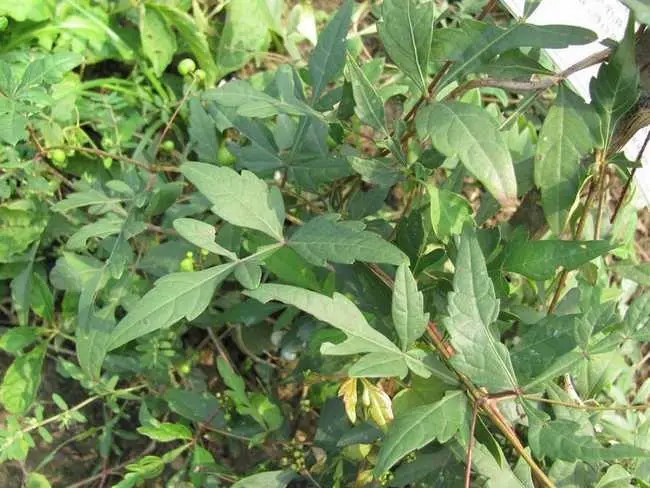
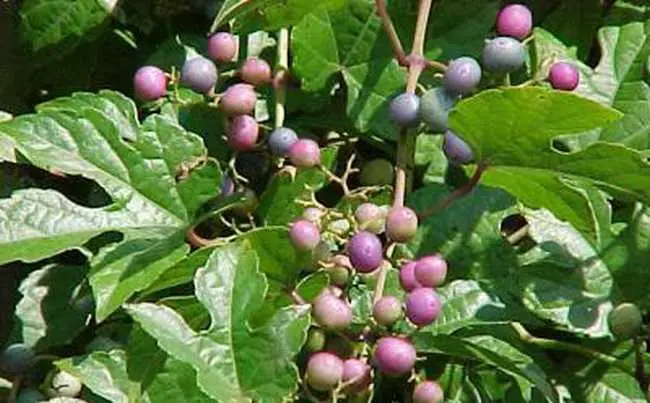
The dried tuberous root of Ampelopsis japonica (Thunb.) Makino (Vitaceae).
Identification性状特征
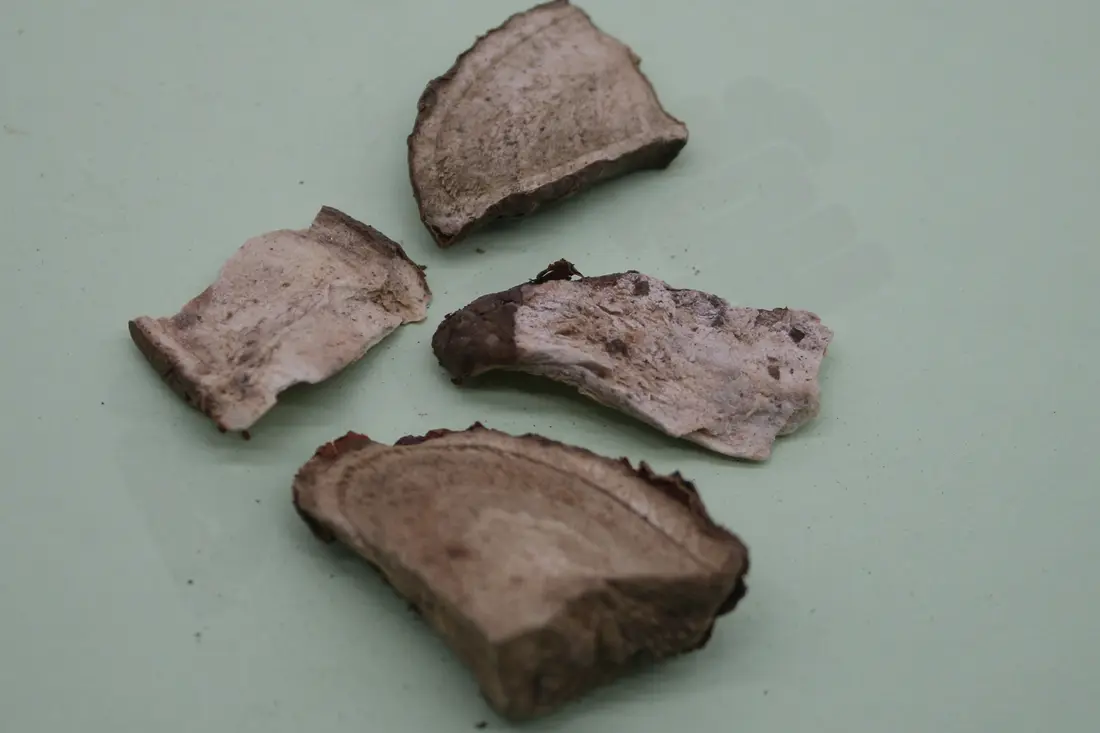
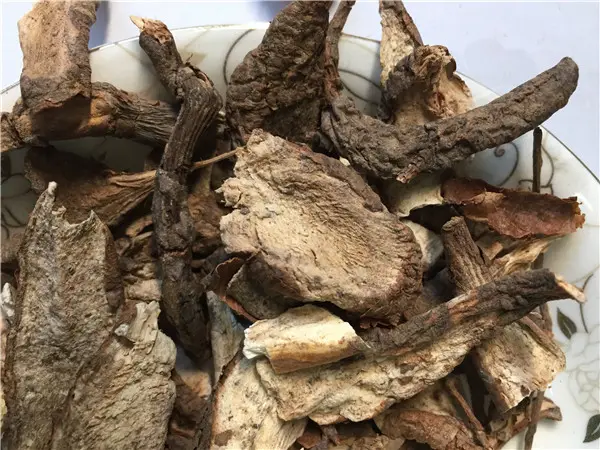
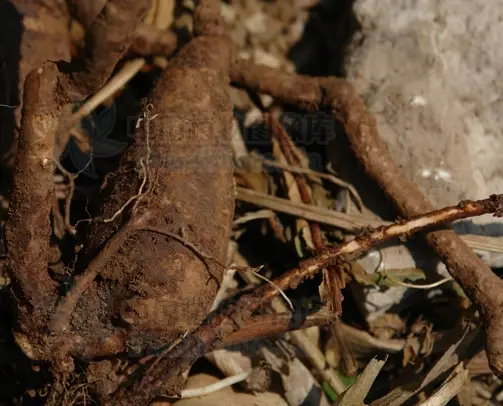
The longitudinal slices are oblong or nearly spindle-shaped, 4–10 cm long, 1–2 cm in diameter. The cut surface often curls inward at the edges, with a raised ridge in the center. The outer bark is reddish-brown or red-brown, with longitudinal wrinkles, fine transverse lines and transverse lenticels, easily peeling off in layers, revealing a pale reddish-brown surface. Oblique slices are ovate, 2.5–5 cm long, 2–3 cm wide. The cut surface is off-white or light reddish-brown, with radial striations; the edges are thicker, slightly raised or curved. Light in weight, hard and brittle, easily broken with dust flying out. Odor slight, taste sweet.
Properties and actions性味与功效
ActionsClear heat and resolve toxicity · Reduce carbuncles and dissipate nodules · Astringe sores and promote tissue regeneration
IndicationsUsed for carbuncles and deep-rooted boils of the back, boils, scrofula, and burns.
Dosage5–10 g. For external use, decoct and wash the affected area, or grind into a very fine powder and apply topically.
CautionContraindicated in deficiency-cold of the spleen and stomach; use with caution in yin deficiency. Do not use with Aconitum species (Wu Tou).
Processing炮制
Raw Ampelopsis rootRemove impurities, wash, soften thoroughly, cut into thick slices, and dry in the sun.
Modern research现代药理
Antifungal effectThe water extract inhibits in vitro various dermatophytes, including Trichophyton concentricum, Microsporum audouinii, and Epidermophyton inguinale and rubrum.
Anticancer effectAmpelopsis root has anticancer activity.
Cardiac inhibitory effect5% and 10% decoctions significantly inhibit the contraction of isolated frog hearts in a dose-dependent manner.
Synergistic analgesic effectIt has no analgesic effect alone but can enhance the analgesic effect of Hei Fu Pian (prepared black Aconitum) and Zhi Chuan Wu (prepared Aconitum carmichaelii).
Classical records历代本草
Shennong Bencao Jing records it as bitter, neutral and slightly cold, mainly for carbuncles, swellings, sores, and to relieve pain. Bencao Gangmu notes it resolves wolfbane (Lang Du) toxicity. Bencao Mengquan states it is incompatible with Wu Tou and often used with Bai Ji, and is a sacred drug for fire-toxin and external applications.《神农本草经》:味苦,平、微寒。主治痈肿疽疮,散结气,止痛,除热,目中赤,小儿惊痫,温疟,女子阴中肿痛,带下赤白。
《本草纲目》:解狼毒毒。
《本草蒙筌》:味苦、甘、气平、微寒。无毒。一云有毒。入药与白及并行。反乌头,使代赭。退赤眠除热,散结气止疼。理小儿温疟惊痫,疗女子阴户肿疼。杀火毒,为火煨汤泡圣药;治外科,敷背痈疔肿神丹。
《开宝本草》:味苦、甘,平、微寒,无毒。下赤白,杀火毒。
《名医别录》:味甘,无毒。主下赤白,杀火毒。
《本草图经》:今医治风及金疮、面药方多用之,往往与白芨相须为用。
Cultivation and authentication栽培与鉴别
2 cultivation notes and 6 authentication articles exist for this herb. They are long-form field material and are published in Chinese only.
Read them in Chinese →