Cassia Seed (Jue Ming Zi)Materia Medica

Cassia Seed (Jue Ming Zi)

Jue Ming Zi
CASSIAE SEMEN
Nature and flavorSweet, bitter, salty, slightly cold; enters the Liver and Large Intestine meridians.
Meridians enteredLiver, Large Intestine
Dosage9–15 g
Reference market price¥6 / kgBozhou market · spec common grade · 安徽 · snapshot 2026-11-21

Cassia Seed is a traditional Chinese herb used to clear heat, brighten the eyes, and relieve constipation.

Source药物来源

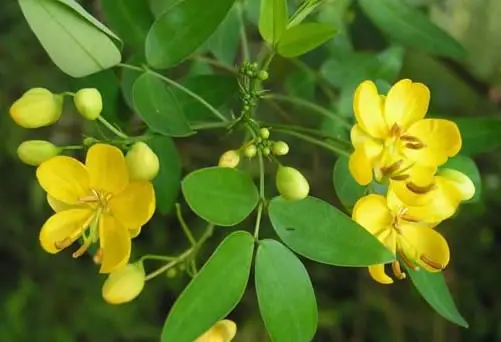
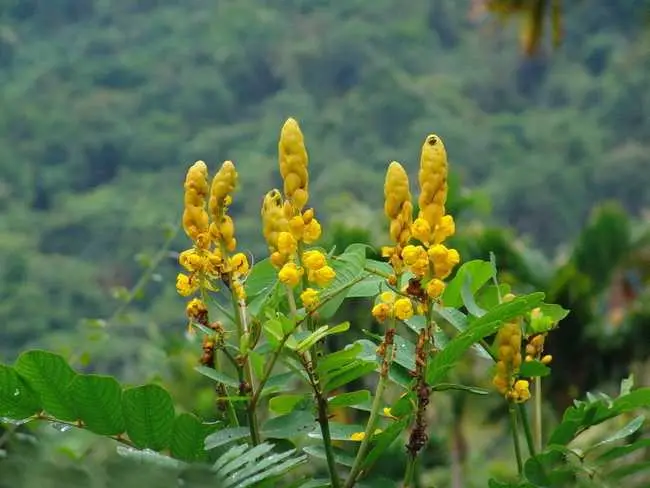
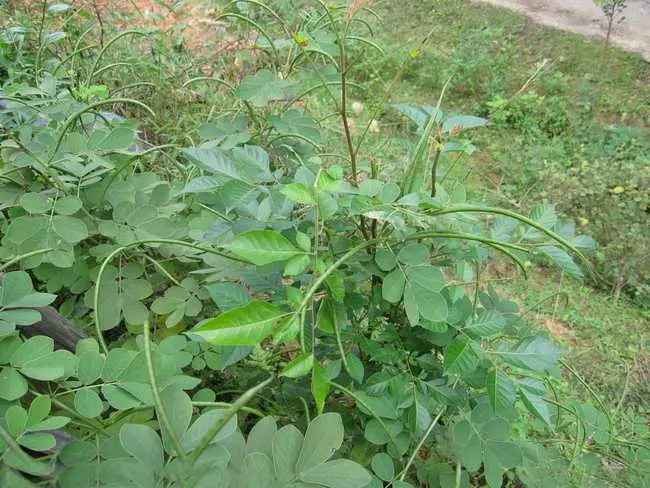
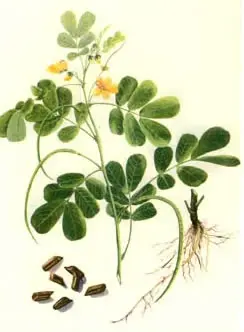
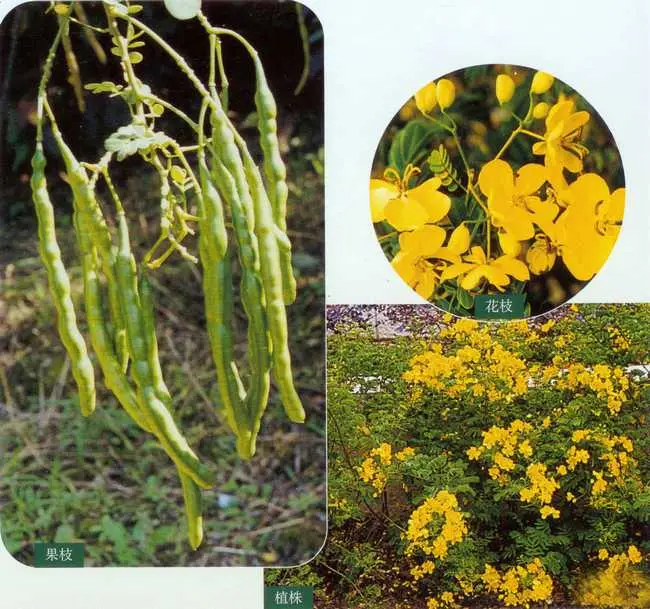
The dried mature seeds of Cassia obtusifolia L. or Cassia tora L. (Fabaceae).

Identification性状特征

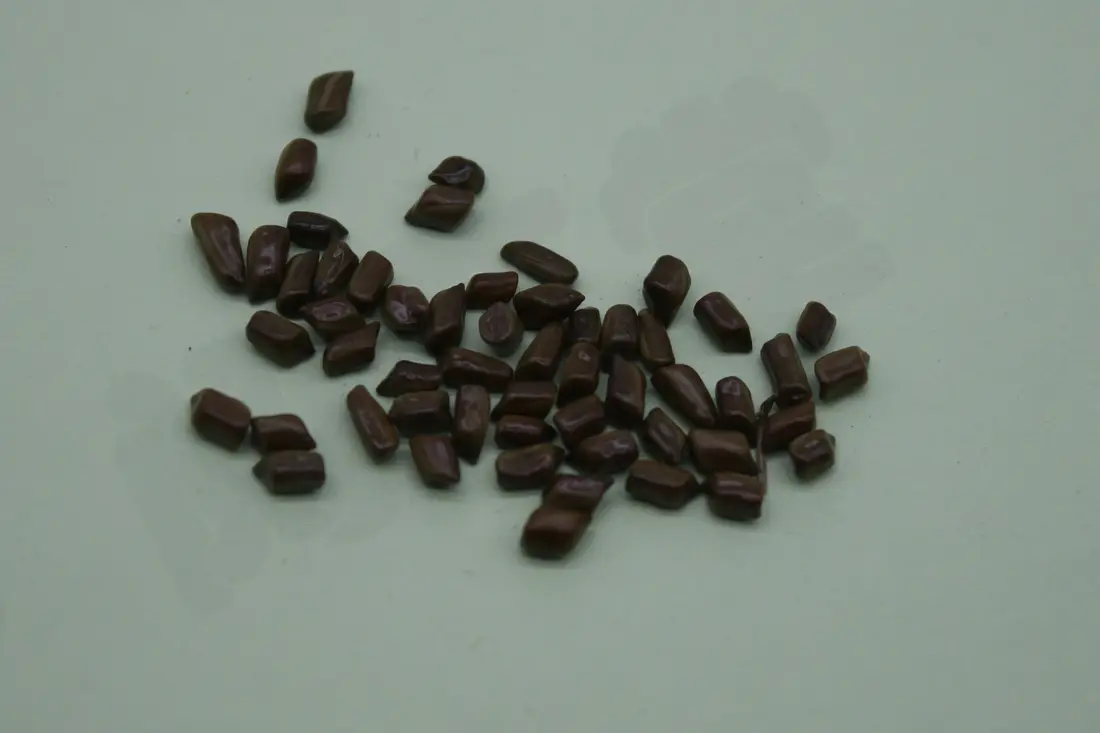
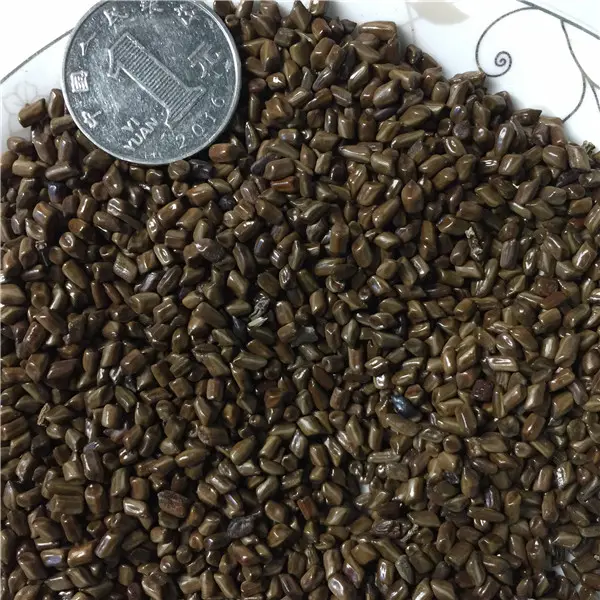
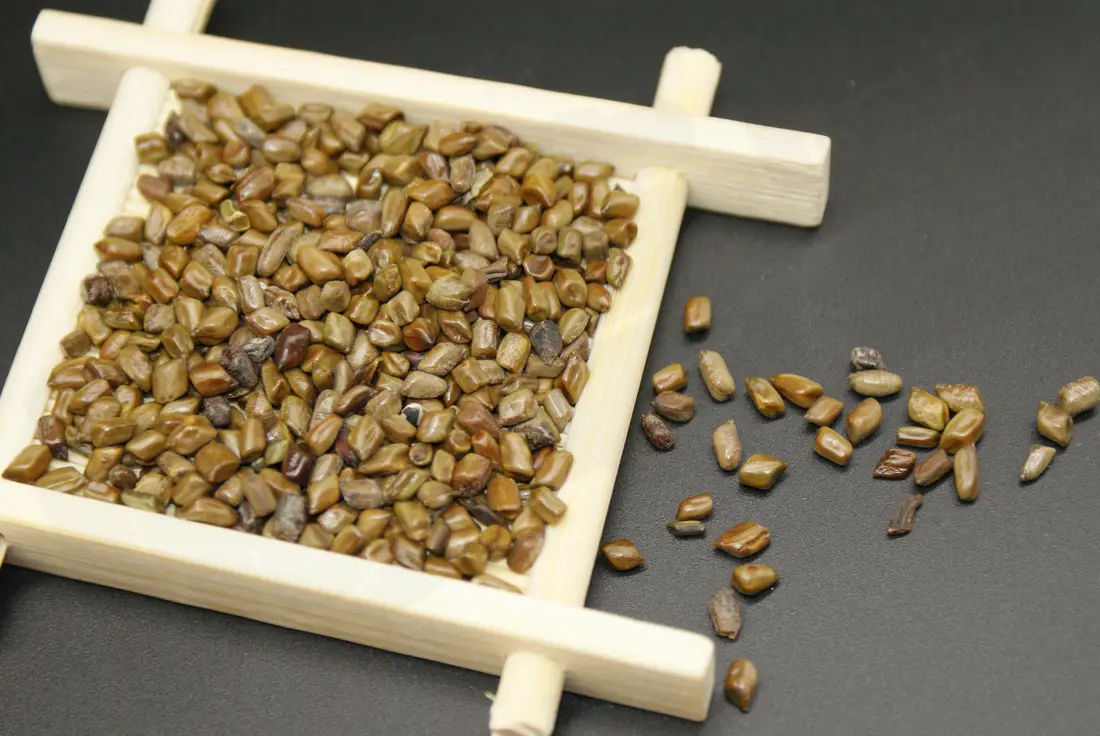
Cassia obtusifolia: rhomboid or short cylindrical, both ends parallel and oblique, 3–7 mm long, 2–4 mm wide. Surface greenish-brown or dark brown, smooth and lustrous. One end relatively flat, the other obliquely pointed; each dorsal and ventral surface has a raised ridge, with a diagonal symmetric lighter linear groove on each side of the ridge. Hard, not easily broken. Seed coat thin; cotyledons 2, yellow, S-shaped and overlapping. Slight odor; slightly bitter taste. Cassia tora: short cylindrical, smaller, 3–5 mm long, 2–3 mm wide. Surface with broad pale yellow-brown bands on each side of the ridge.

Properties and actions性味与功效
Actions
clear heat and brighten the eyes · moisten the intestines and unblock the bowels
Indications
Used for red, painful, and dry eyes, photophobia with excessive tearing, headache and dizziness, blurred vision, and constipation.
Dosage
9–15 g.
Caution
Use with caution in cases of deficiency-cold of the spleen and stomach or diarrhea. Not to be used with castor bean (Ricinus communis).
Processing炮制
Cassia Seed (raw)
Remove impurities, dry, and crush before use.
Stir-fried Cassia Seed
Stir-fry the clean seeds in a preheated container over gentle heat until the color darkens, the cross-section is pale yellow, a slight crackling sound is heard, and an aroma is released. Remove, cool, and crush before use.
Modern research现代药理
Blood pressure lowering
Aqueous, alcohol-water, and alcoholic extracts lower blood pressure and promote urination in anesthetized dogs, cats, and rabbits; significantly reduce systolic and diastolic pressure in spontaneously hypertensive rats, with effects stronger and longer-lasting than reserpine.
Lipid lowering
Oral administration of Cassia seed powder inhibits serum cholesterol elevation and aortic atherosclerotic plaque formation.
Antimicrobial
Alcoholic extract or decoction inhibits various skin fungi and bacteria. Aqueous extract shows varying degrees of inhibition against skin fungi in vitro.
Other effects
Uterine contraction and oxytocic effects, diuretic, anti-platelet aggregation, and visual protection.
Classical records历代本草
The Shennong Bencao Jing records its salty, neutral nature and use for eye diseases. The Bencao Mengquan praises it as a 'wondrous elixir for brightening the eyes' and notes its ability to stop nosebleeds and reduce swelling. The Bencao Gangmu cites the Xianggan Zhi that planting cassia in the garden keeps snakes away, and Zhu Danxi states that cassia resolves snake venom.
《神农本草经》:味咸,平。主治青盲,目淫肤,赤白膜,眼赤痛泪出。 《本草纲目》:《相感志》言:圃中种决明,蛇不敢入,丹溪言:决明解蛇毒,本于此也。 《本草蒙筌》:味咸、苦、甘,气平、微寒。无毒。除肝热尤和肝气,收目泪且止目疼。诚为明目仙丹,故得决明美誉。仍止鼻衄,水调末急贴脑心,治头风须筑枕卧,消肿肿亦调水敷。头痛兼驱,蛇毒可解。 《开宝本草》:味咸、苦、甘,平、微寒,无毒。疗唇口青。 《名医别录》:味苦、甘,微寒,无毒。主治唇口青。
Folklore本草传说

According to the Guangqun Fangpu, cassia seeds can be made into tea to treat various eye diseases and benefit the liver and essence. The Shennong Bencao Jing records that cassia treats blindness, red eyes with tearing, and with long-term use benefits vision. Once, an old scholar developed eye problems before sixty and was called 'Blind Scholar'. A southern herb merchant repeatedly tried to buy some wild herbs growing by his door. The scholar refused to sell. In autumn, the herbs bore rhomboid, grayish-green shiny seeds. The scholar found them fragrant, brewed them daily, and his eye condition improved; he no longer needed a cane. When the merchant returned and learned of this, he said, 'These seeds are good medicine—cassia seeds can treat various eye diseases and, taken long-term, brighten the eyes.' The scholar drank cassia tea regularly and remained healthy with clear eyes past eighty, even composing a poem: 'Old man at eighty still sees clearly, counting flies by day and stars by night; not born with good eyesight, but from years of drinking cassia.'
Culinary use民间药膳
Cassia Seed with Chicken Liver
Cassia seed 10 g, fresh chicken liver 200 g, cucumber 10 g, carrot 10 g, salt 3 g, white liquor 2 g, Shaoxing wine 5 g, sesame oil 3 g, starch 5 g, MSG 3 g, fresh broth 20 ml.
Roast cassia seeds and grind into powder. Wash chicken liver, slice, marinate with 1 g salt and 1 g sesame oil for 3 minutes, then mix with half the starch. Wash and slice cucumber and carrot. Heat 500 g oil in a wok to 60–70% hot, flash-fry liver slices, remove and drain. Leave a little oil in the wok, add carrot, cucumber, scallion, ginger, Shaoxing wine, sugar, salt, and cassia powder; thicken with broth and starch, return liver to the wok, stir-fry evenly, add minced garlic and sesame oil, and serve. Eat as a side dish.
Clears liver heat and brightens eyes, tonifies kidney and spleen. Used for various eye diseases due to liver blood deficiency, such as blurred vision, night blindness, red swollen eyes due to wind-heat, incipient cataract, and constipation; also for hypertension due to liver yang hyperactivity.
Cassia Seed, Chrysanthemum and Uncaria Porridge
Cassia seed 15 g, white chrysanthemum 10 g, Uncaria (Gouteng) 10 g, rice 100 g, rock sugar to taste.
Stir-fry cassia seeds until slightly fragrant, then decoct with chrysanthemum and Uncaria in water to obtain a liquid. Cook the liquid with rice into porridge, add rock sugar, and simmer briefly.
For patients with hypertension and stroke.
Honey Cassia Tea
Raw cassia seed 10–30 g, honey to taste.
Crush cassia seeds, add 200–300 ml water, decoct for 5 minutes, stir in honey, and drink as tea.
Moistens the intestines and unblocks the bowels.
Audio and video语音与视频
Narration · Chinese · 7:34
Latin name · pronunciation
Narration and video are shared by all language versions and are in Chinese; the images and footage themselves are language-independent.
Photographs药材图片
Cassia Seed (Jue Ming Zi)
Cultivation and authentication栽培与鉴别

11 cultivation notes and 7 authentication articles exist for this herb. They are long-form field material and are published in Chinese only.

Read them in Chinese →

Compiled from public Chinese materia medica sources for study and reference. Not medical advice.
Chinese version · All herbs