Sweet Wormwood Herb (Qing Hao)
Qing Hao
ARTEMISIAE ANNUAE HERBA
Nature and flavorBitter, pungent, cold. Enters Liver and Gallbladder meridians.
Meridians enteredLiver, Gallbladder
Dosage6-12 g, added later in decoction.
Reference market price¥3.3 / kgBozhou market · spec common grade · 安徽 · snapshot 2026-11-21
Sweet Wormwood Herb (Qing Hao) is a heat-clearing herb known for clearing deficiency heat, treating malaria, and relieving jaundice.
Source药物来源
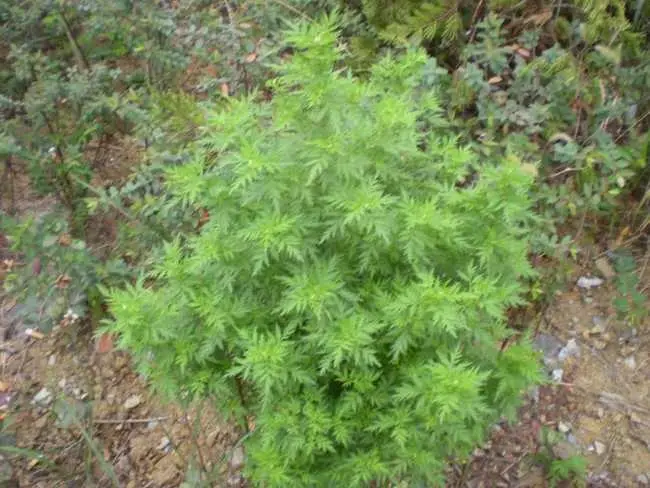
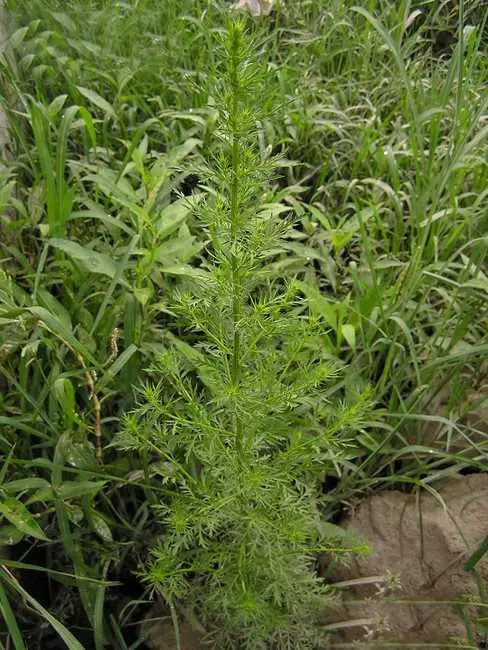
The dried aerial parts of Artemisia annua L. (family Asteraceae). [Audio explanation: Yangzhou University, Qin Mengmeng]
Identification性状特征
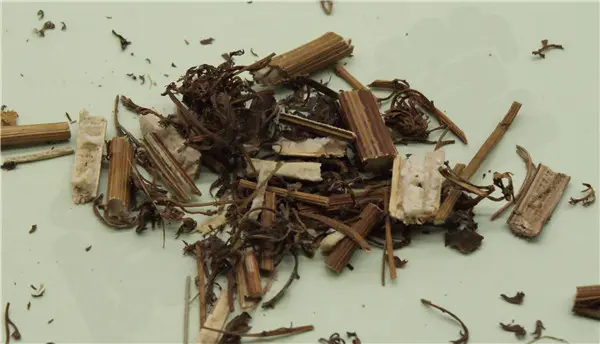
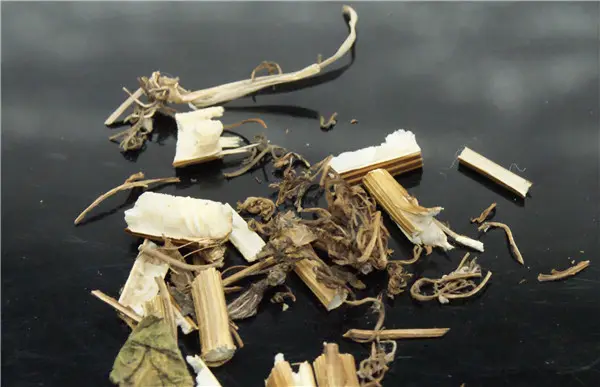
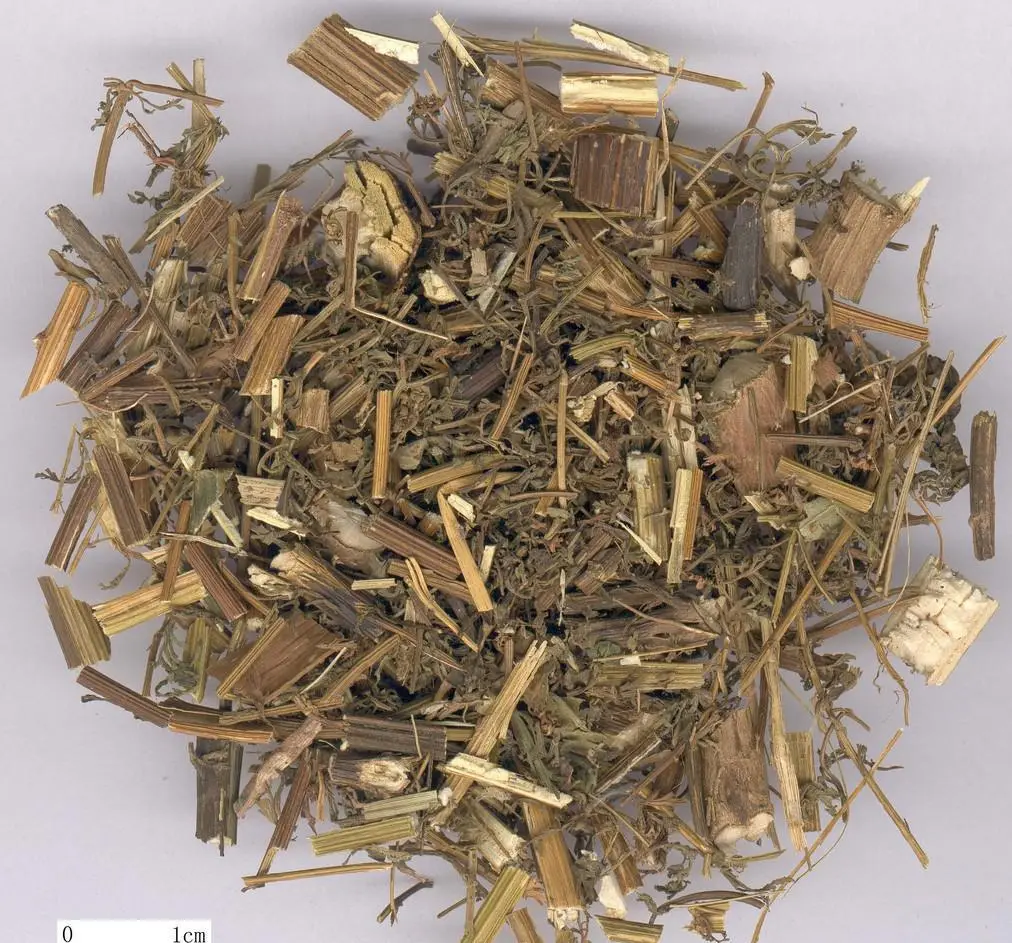
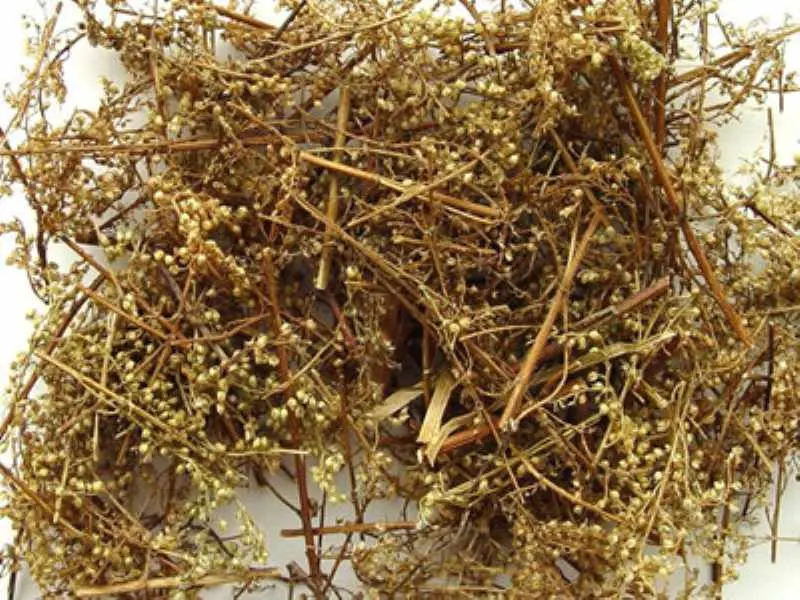
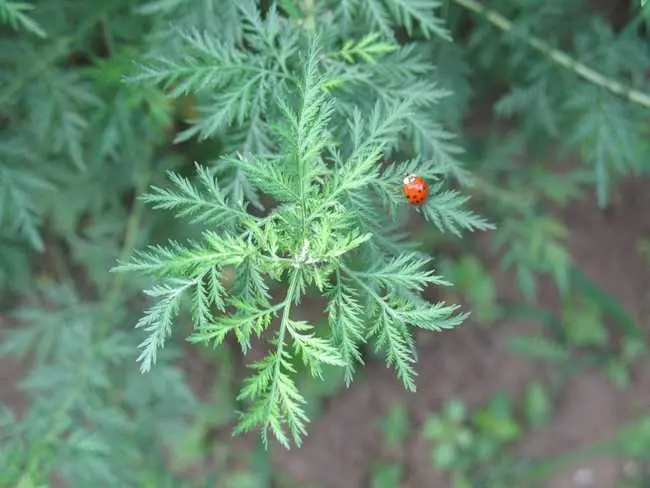
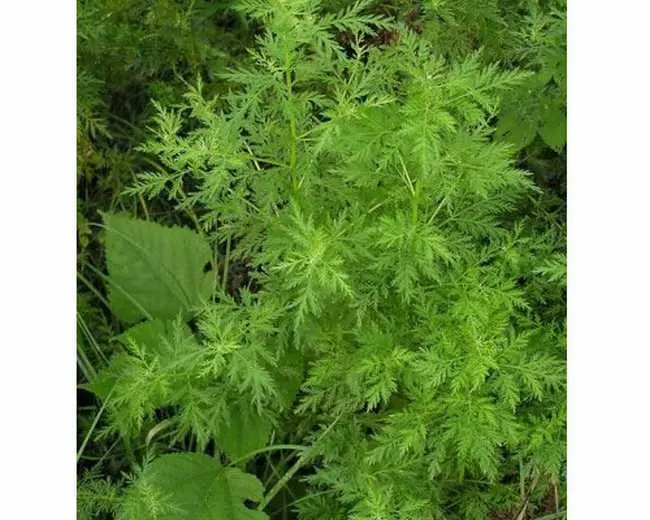
Stems cylindrical, upper part much branched, 30-80 cm long, 0.2-0.6 cm in diameter; surface yellow-green or brown-yellow, with longitudinal ridges; texture slightly hard, easily broken, fracture with pith in center. Leaves alternate, dark green or brown-green, curled and fragile; when flattened, fully developed leaves are tripinnatipartite, lobes and lobules oblong or long-elliptic, both surfaces shortly hairy. Odor aromatic and characteristic, taste slightly bitter.
Properties and actions性味与功效
ActionsClear deficiency heat · Resolve malaria · Relieve jaundice
IndicationsClears deficiency heat, eliminates bone-steaming, resolves summerheat, checks malaria, and relieves jaundice. Used for warm pathogens damaging yin with night fever and morning coolness, yin deficiency fever, bone-steaming and consumptive heat, summerheat pathogen fever, malaria with alternating chills and fever, and damp-heat jaundice.
Dosage6-12 g, added later in decoction.
CautionCaution advised for patients with deficiency-cold of the spleen and stomach; use with care in cases of weak digestion.
Processing炮制
RawRemove impurities, spray with clean water, moisten slightly, cut into sections, and sun-dry.
Modern research现代药理
Antimalarial effectQing Hao has antimalarial action. The neutral fraction of its ether extract and its alcoholic extract show significant antimalarial effects against rodent, monkey, and human malaria. In vivo experiments show that artemisinin kills Plasmodium in the erythrocytic stage and rapidly inhibits parasite maturation. Artemether and artesunate also have antimalarial effects.
Anti-pathogenic microorganism effectQing Hao has anti-pathogenic microbial action. Its water decoction inhibits various cocci and bacilli. The volatile oil at 0.25% inhibits all dermatophytes and at 1% kills them. Artemisinin has anti-influenza virus effect. Sitosterol in Qing Hao also has antiviral action. Experiments show that artemisinic acid is one of the antibacterial active ingredients. Additionally, Qing Hao injection strongly inhibits epidemic hemorrhagic fever virus (EHFV).
Anti-schistosome and other parasitesArtemisinin and its derivatives have action against animal schistosomes and Clonorchis sinensis. Artemisinin and artesunate also have effects against Toxoplasma, amoeba, and against Babesia and Theileria.
Antitussive and antiasthmatic effectsThe volatile oil and scopoletin in Artemisia annua have obvious antitussive and antiasthmatic effects.
Effects on immune functionArtemisinin and artesunate inhibit humoral immunity, while artemether has no effect on humoral immunity. All three enhance specific cellular immunity and inhibit non-specific immunity.
Classical records历代本草
The Shennong Bencao Jing records its bitter, cold nature and use for itching, scabies, and sores. The Bencao Gangmu notes it enters the shaoyang and jueyin blood aspects and treats malaria. The Bencao Mengquan mentions its use for bone-steaming consumptive heat and jaundice. The Bencao Tujing states it is most effective for bone-steaming consumptive heat. The Bencao Jingshu explains its efficacy in blood-heat conditions and notes its fragrant nature does not harm the stomach.《神农本草经》:味苦,寒。主治疥瘙,痂痒,恶疮,杀虱,留热在骨节间,明目。
《本草纲目》:青蒿得春木少阳之气最早,故所主之证,皆少阳、厥阴血分之病也。采以悬于门症内可辟邪气。
治疟疾寒热。
《本草蒙筌》:味苦,气寒。无毒。入童便熬膏,退骨蒸痨热。生捣烂绞汁,却心痛热黄。瘜肉肿痈,烧灰淋浓汤点;泄痢鬼利,研末调米饮吞。秋冬用之,取根与实。实须炒过,根乃咀成。愈风疹疥瘙,止虚烦盗汗。开胃明目,辟邪杀虫。
《本草图经》:青蒿治骨蒸劳热为最,古方单用之。
《本草经疏》:禀天地芬烈之气以生,故其味苦,其气寒而芬芳,其性无毒。疥瘙痂痒恶疮,皆由于血热所致。留热在骨节间者,是热伏于阴分也。肝胃无热则目明,苦能泄热,苦能杀虫,寒能退热,热去则血分平和,阴气日长,前证自除,故悉主之也。诸苦寒药多与胃气不宜,惟青蒿之气芬芳可人,香气先入脾,故独宜于血虚有热之人,以其不犯胃气故尔。是以蓐劳虚热,非此不除矣。
简误:产后气虚,内寒作泻,及饮食停滞泄泻者,勿用。凡产后脾胃薄弱,忌与当归、地黄同用。
Folklore本草传说
Legend has it that Hua Tuo treated a patient with jaundice but had no effective medicine. Later, he found the patient suddenly cured and learned he had eaten a green weed. Hua Tuo identified it as Qing Hao and gathered some to treat other jaundice patients, but it was ineffective. He then asked the cured patient which month he had eaten it, and was told March. Hua Tuo realized that in spring, the rising yang qi might give the March plant medicinal power. The next spring, he collected Qing Hao in March and successfully treated jaundice patients, but after March, the herb lost its efficacy. To understand its properties, in the third year, Hua Tuo tested the root, stem, and leaves separately. Clinical practice proved that only the tender stems and leaves were effective, and he named it Yinchen. This is the legend of Hua Tuo testing Qing Hao three times. He also composed a song: 'March Yinchen, April Qing Hao, remember this well. March Yinchen cures jaundice, April Qing Hao is only good for firewood.'
Cultivation and authentication栽培与鉴别
10 cultivation notes and 3 authentication articles exist for this herb. They are long-form field material and are published in Chinese only.
Read them in Chinese →