Melon Pedicel (Gua Di)
Gua Di
Pedicellus Melo
Nature and flavorBitter, cold, toxic
Meridians enteredSpleen, Stomach
Dosage2.4-4.5 g
Melon Pedicel is a bitter, cold, toxic herb used to induce vomiting and drain dampness.
Source药物来源
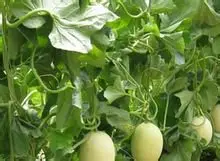
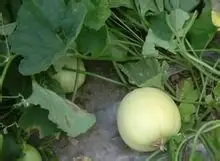
The fruit stalk of Cucumis melo L. (Cucurbitaceae).
Identification性状特征
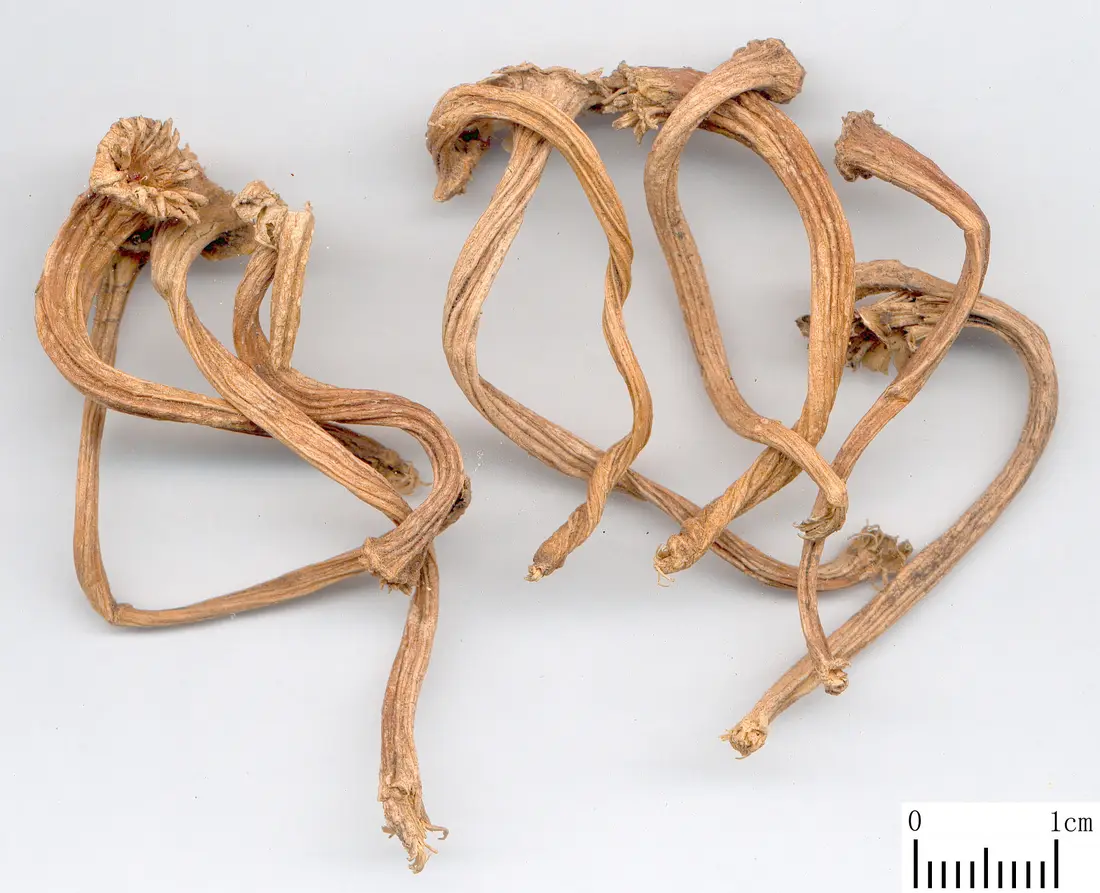
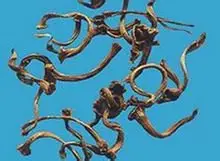
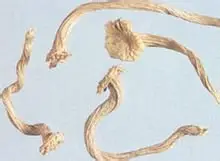
Dried fruit stalk slightly curved, with longitudinal ridges, slightly wrinkled; the end attached to the fruit gradually swells, being the remnant of the calyx. Surface yellowish-brown, sometimes with curled pericarp. Texture flexible, not easily broken. Slight odor, bitter taste.
Properties and actions性味与功效
Actions
Induce vomiting of wind-phlegm and retained food · Drain water-dampness and retained fluids
Indications
Vomiting of wind-phlegm and retained food; draining water-dampness and retained fluids. Used for phlegm and retained food obstructing the upper stomach, stuffiness and obstruction in the chest, wind-phlegm epilepsy, damp-heat jaundice, edema of the limbs, nasal congestion, and throat impediment.
Dosage
Oral: decoct, 2.4-4.5 g; or in pills, powders. External: grind into powder and insufflate into the nose.
Caution
Toxic; use with caution. Contraindicated in deficiency-cold of the spleen and stomach and in the weak.
Modern research现代药理
Hepatoprotective effect
Gua Di has a protective effect on the liver.
Immune enhancement
Gua Di can enhance immune function.
Emetic effect
Gua Di has an emetic action.
Antitumor effect
Gua Di has antitumor activity.
Effect on cAMP/cGMP
Cucurbitacins B and E contained in Gua Di can increase plasma cAMP levels in normal rabbits, with little effect on cGMP, causing an increase in the cAMP/cGMP ratio.
Cardiovascular and gastrointestinal effects
Cucurbitacin D, when injected, has a hypotensive effect in cats, dogs and other animals, while inhibiting myocardial contractility, slowing heart rate, and markedly enhancing intestinal peristalsis, leading to diarrhea.
Classical records历代本草
The Shennong Bencao Jing records it as bitter and cold, indicated for edema of the body, limbs and face, and to promote urination. The Bencao Gangmu notes it induces vomiting of wind-heat phlegm, and treats wind dizziness, headache, epilepsy and throat impediment.
《神农本草经》:味苦,寒。主治大小,身面四肢浮肿,下水,杀蛊毒,咳逆上气,食诸果不消,病在胸腹中,皆吐下之。
《本草纲目》:吐风热痰涎,治风眩头痛,癫痫喉痹,头目有湿气。
《开宝本草》:味苦,寒,有毒。去鼻中息肉,疗黄疸。
《名医别录》:有毒。去鼻中息肉,治黄疸。
《药性论》:使。茎主鼻中息肉鼻。和小豆,丁香吹鼻,治黄。
《本草分经》:苦,寒。胃经吐药。能吐风热痰涎、上膈宿食,亦治湿热诸病。
Audio and video语音与视频
Latin name · pronunciation
Photographs药材图片
Cultivation and authentication栽培与鉴别
0 cultivation notes and 2 authentication articles exist for this herb. They are long-form field material and are published in Chinese only.
Compiled from public Chinese materia medica sources for study and reference. Not medical advice.
Chinese version · All herbs
Chinese version · All herbs