Maltose (Yi Tang)
Yi Tang
Glucidtemns
Nature and flavorSweet, warm. Enters the spleen, stomach, and lung meridians.
Meridians enteredSpleen, stomach, lung
Dosage15–20 g per dose, dissolved in decoction
Maltose is a traditional Chinese medicinal food made from fermented grains, used to tonify deficiency and moisten dryness.
Source药物来源
A sugar food made from rice, barley, wheat, millet, or corn through fermentation and saccharification.
Identification性状特征
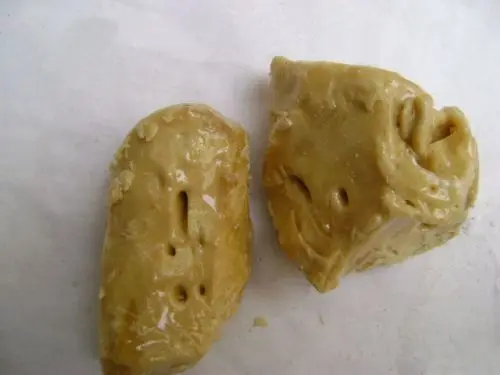
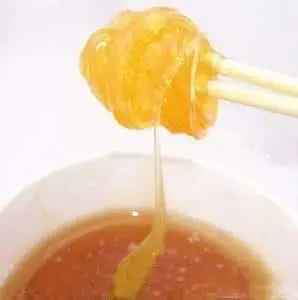
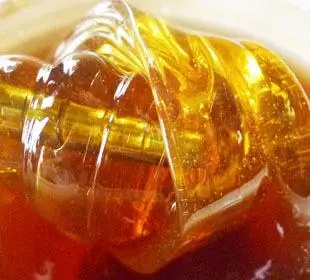
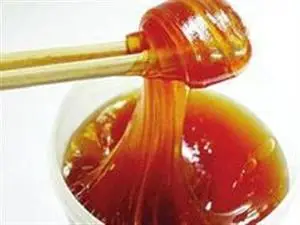
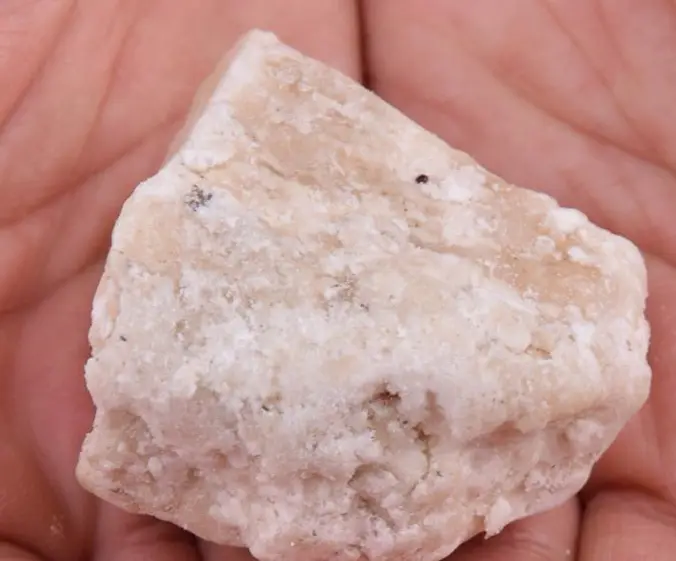
Maltose comes in soft and hard forms. The soft form is a yellowish-brown thick liquid with strong stickiness. The hard form is made by stirring soft maltose, incorporating air, and allowing it to solidify into a porous yellowish-white sugar cake. It is sweet; for medicinal use, autumn maltose is preferred.
Properties and actions性味与功效
Actions
Tonify deficiency · Generate fluid · Moisten dryness · Relieve pain
Indications
Relieves middle, tonifies deficiency, generates fluid, and moistens dryness. Used for fatigue injuring the spleen, abdominal pain with urgency, dry lung with cough, vomiting blood, thirst, sore throat, and constipation.
Dosage
Oral: dissolve 15–20 g in decoction each time; or make into paste or pills. Not to be taken in excess.
Caution
Contraindicated in cases of abdominal fullness, vomiting, constipation due to heat, dental caries, red eyes, and infantile malnutrition. Not suitable for kidney disease. Excessive use may generate phlegm and stir fire.
Processing炮制
Raw maltose
No special processing; used as is.
Classical records历代本草
Li Shizhen's Bencao Gangmu records a case of an arrowhead lodged in the eye cured by cold rice syrup, and notes that maltose is made from grains and malt. It also warns against use in fullness and vomiting, and states it resolves toxicity of aconite and wild aconite.
《本草纲目》:邢曹进,河朔健将也。为飞矢中目,拔矢而镞留于中,钳之不动,痛困俟死。忽梦胡僧令以米汁注之必愈。广询于人,无悟者。一日一僧丐食,肖所梦者。叩之。僧云:但以寒食饧京之。如法用之清凉,顿减酸楚。至夜疮痒,用力一钳而出,洵日而疮。
饴饧,用麦蘖或谷芽同诸米熬煎而成,古人寒食多食饧,故医方多收用之。
凡中满吐逆,秘结牙虫、赤目疳病者,切宜忌之,生痰动火最甚。甘属土,肾病勿多食甘,甘伤肾,骨痛而齿落,皆指此类也。
解附子,草乌头毒。
《本草蒙筌》:味甘、苦,气微温。无毒。稠粘如粥,故名饴糖。和脾润肺,止渴消痰。建中汤内用之,盖亦取其甘缓。治喉鱼骨,疗误吞钱环。中满莫加,呕吐切忌。小儿多食,损齿生虫。丹溪书内曾云,大发湿中之热。
《开宝本草》:味甘,微温。主补虚乏,止渴,去血。
《名医别录》:味甘,微温,主补虚乏,止渴,去血。
《本草经疏》:饴糖用麦蘖或谷蘖同诸米渍熬炼而成,故其味甘气温无毒。入足太阴,亦入手太阴经。甘入脾,而米麦皆养脾胃之物,故主补虚乏。仲景建中汤用之是也。肺胃有火,则发渴,火上炎迫血妄行,则吐血,甘能缓火之标,则火下降而渴自止,血自去也。思邈又谓其有消痰,润肺,止嗽,治咽痛、吐血等功。
简误:饴糖成于湿热,少用虽能补脾润肺,然而过用之则动火生痰。凡中满吐逆,酒病牙疳,咸忌之。肾病尤不可服。
Culinary use民间药膳
Raw Rehmannia Chicken
Raw Rehmannia 250g, one black hen, maltose 150g.
Slaughter the chicken, remove feathers and innards, and wash clean. Wash and slice raw Rehmannia, mix with maltose, and stuff into the chicken cavity. Place the chicken breast-down in a pot, steam over high heat for 2–3 hours until tender. Eat the meat and drink the juice.
Nourishes liver and kidney, tonifies heart and spleen.
Audio and video语音与视频
Narration · Chinese · 7:34
Latin name · pronunciation
Photographs药材图片
Compiled from public Chinese materia medica sources for study and reference. Not medical advice.
Chinese version · All herbs
Chinese version · All herbs