Acanthopanax senticosus root and rhizome (Ci Wu Jia)Materia Medica

Acanthopanax senticosus root and rhizome (Ci Wu Jia)

Ci Wu Jia
ACANTHOPANACIS SENTICOSI RADIX ET RHIZOMA SEU CAULIS
Nature and flavorPungent, slightly bitter, warm; enters Spleen, Kidney, and Heart meridians.
Meridians enteredSpleen, Kidney, Heart
Dosage9–27 g
Reference market price¥13 / kgBozhou market · spec 枝片 · 东北 · snapshot 2026-11-21

Ci Wu Jia is a traditional tonic herb used to strengthen the spleen and kidneys, boost energy, and calm the spirit.

Source药物来源

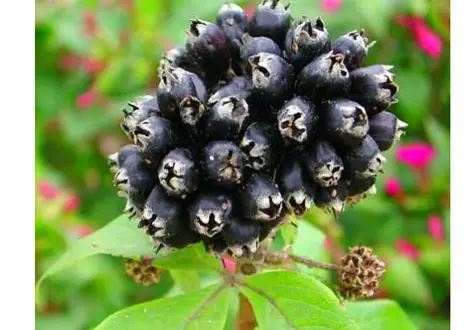
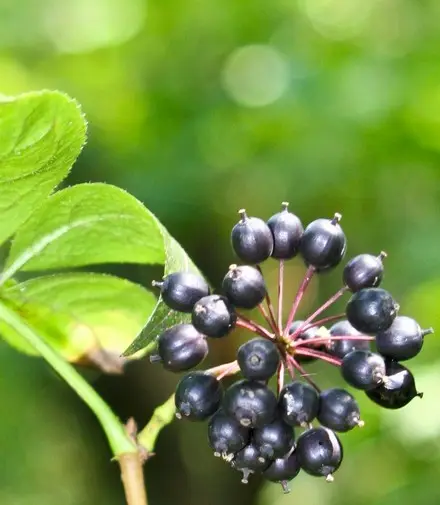
The dried root, rhizome, or stem of Acanthopanax senticosus (Rupr. et Maxim.) Harms (Araliaceae).

Identification性状特征

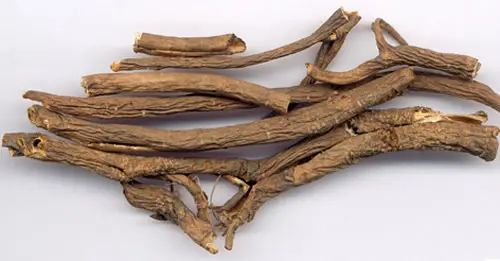
Rhizome nodular, irregularly cylindrical, 1.4–4.2 cm in diameter. Root cylindrical, often twisted, 3.5–12 cm long, 0.3–1.5 cm in diameter. Surface grayish-brown or blackish-brown, rough, with fine longitudinal grooves and wrinkles; bark thin, sometimes peeling, showing grayish-yellow beneath. Hard, fracture yellowish-white, fibrous. Characteristic odor; taste slightly pungent, slightly bitter, astringent. Stem long cylindrical, branched, variable in length, 0.5–2 cm in diameter. Surface light gray, old branches grayish-brown with longitudinal fissures, spineless; young branches yellowish-brown, densely covered with fine spines. Hard, difficult to break; fracture thin bark, yellowish-white, wood broad, pale yellow, pith in center. Odor slight; taste slightly pungent.
Properties and actions性味与功效
Actions
Tonify qi and strengthen the spleen · Tonify the kidney and calm the spirit
Indications
Used for qi deficiency of the spleen and lungs with fatigue and weakness, poor appetite; deficiency of both lungs and kidneys with chronic cough and asthmatic breathing; kidney deficiency with soreness and pain of the lower back and knees; insufficiency of the heart and spleen with insomnia and dream-disturbed sleep.
Dosage
9–27 g.
Caution
Use with caution in individuals with yin deficiency and heat or in those with exuberant fire due to internal heat.
Classical records历代本草
The root and rhizome have been used as a tonic for strengthening the body and prolonging life. It is often compared to ginseng for its similar pharmacological effects.
刺五加在中国医药学中做为药物广泛应用已有悠久的历史。 具有“补中益精、坚筋骨、强志意”的作用,久服“轻身耐老”,与它药配伍亦可“进饮食、健气力、不忘事”。 另雷教著《炮炙论》记五加皮有“阳人使阴,阴人使阳”的作用。 国外对人参及其近缘植物刺五加进行了较系统的研究,证明了刺五加和人参有相似的药理作用和临床疗效。
Audio and video语音与视频
Latin name · pronunciation
Narration and video are shared by all language versions and are in Chinese; the images and footage themselves are language-independent.
Photographs药材图片
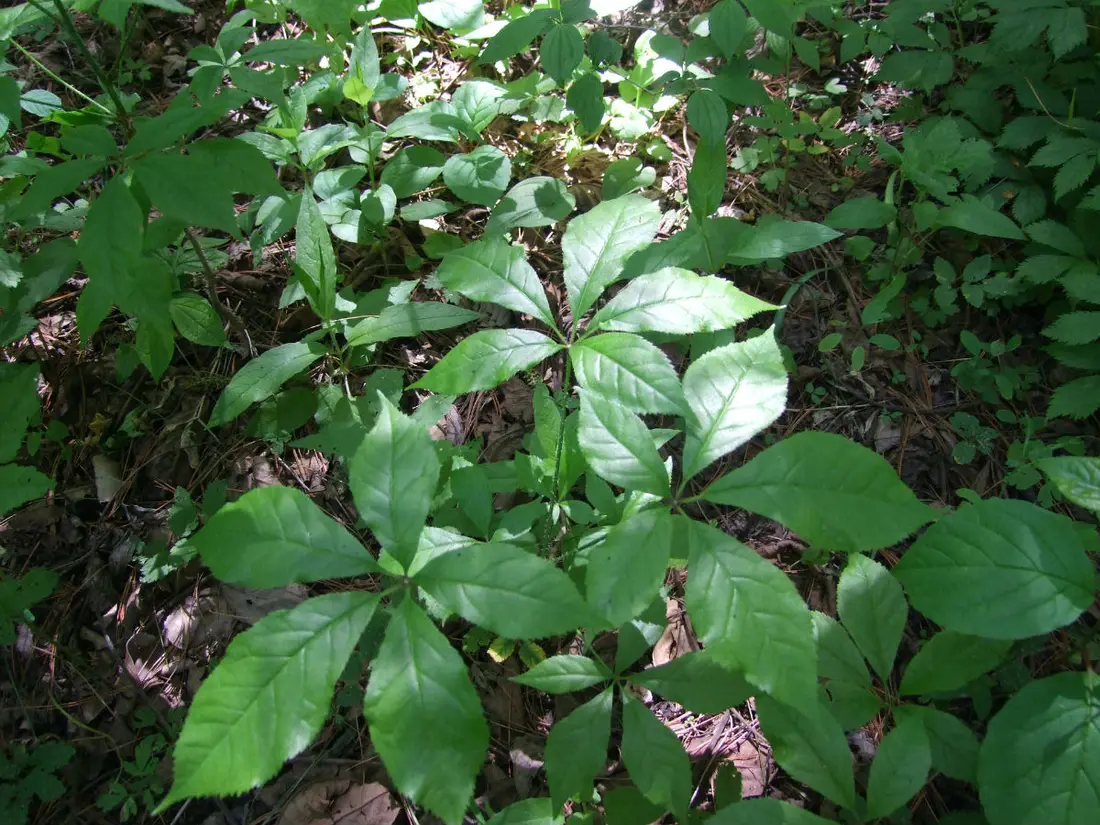
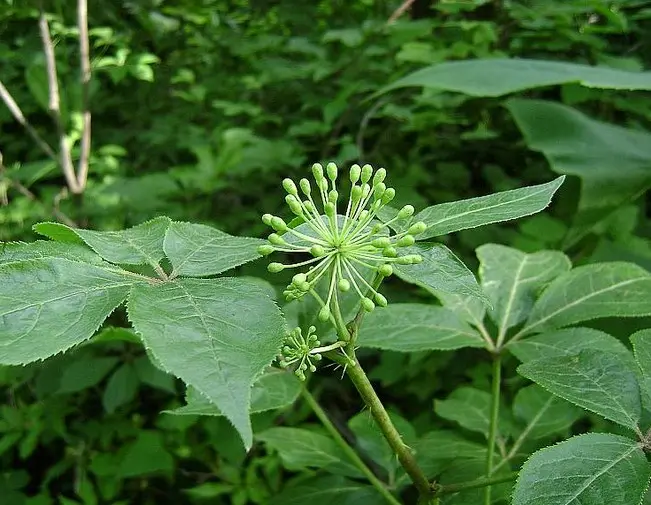
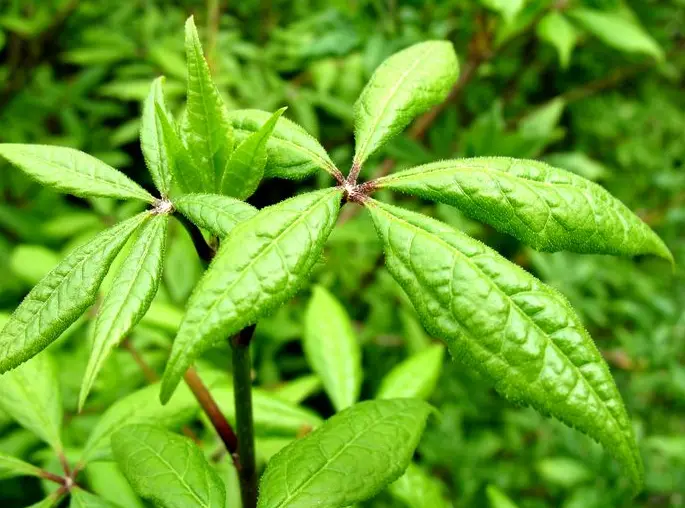
Acanthopanax senticosus root and rhizome (Ci Wu Jia)
Cultivation and authentication栽培与鉴别

3 cultivation notes and 3 authentication articles exist for this herb. They are long-form field material and are published in Chinese only.

Read them in Chinese →

Compiled from public Chinese materia medica sources for study and reference. Not medical advice.
Chinese version · All herbs