Dendrobium stem (Shi Hu)Materia Medica

Dendrobium stem (Shi Hu)

Shi Hu
DENDROBII CAULIS
Nature and flavorSweet, slightly cold; enters stomach and kidney meridians.
Meridians enteredStomach, Kidney
Dosage6–12 g; fresh herb 15–30 g.
Reference market price¥360 / kgBozhou market · spec 金钗 · 四川 · snapshot 2026-11-21

Dendrobium stem (Shi Hu) is a yin-nourishing herb used to generate fluids, clear heat, and benefit the stomach and kidneys.

Source药物来源

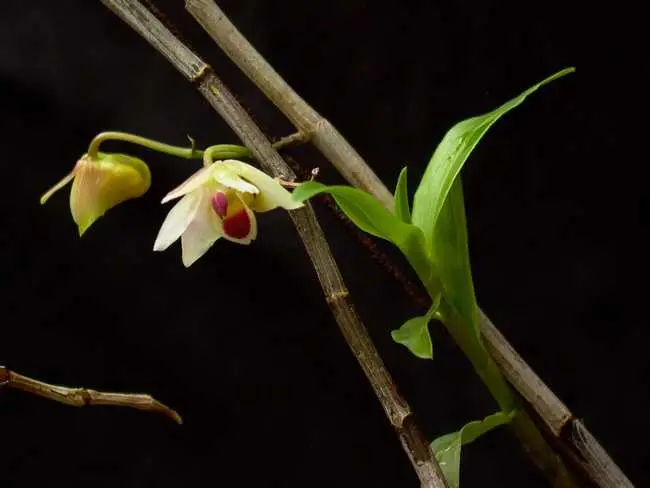
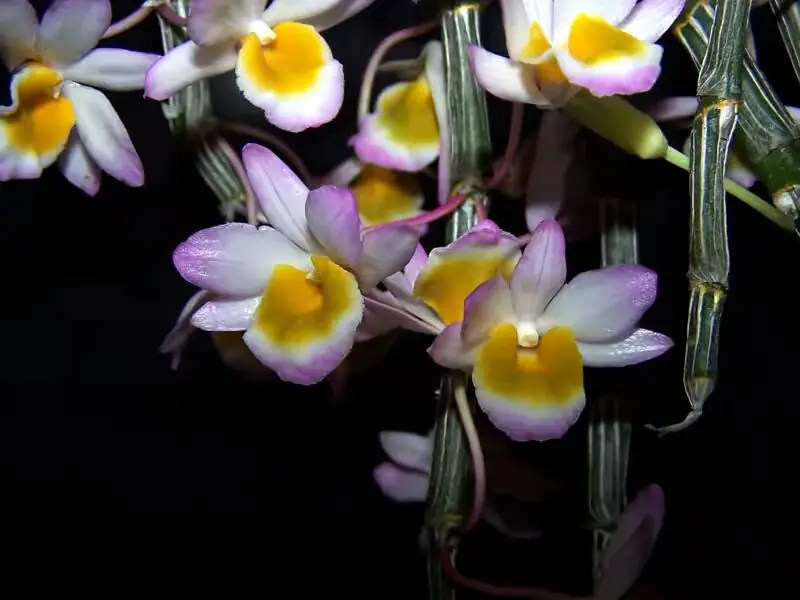
The dried or fresh stems of cultivated Dendrobium nobile Lindl., D. chrysotoxum Lindl., D. fimbriatum Hook., or closely related species of the same genus (Orchidaceae).

Identification性状特征

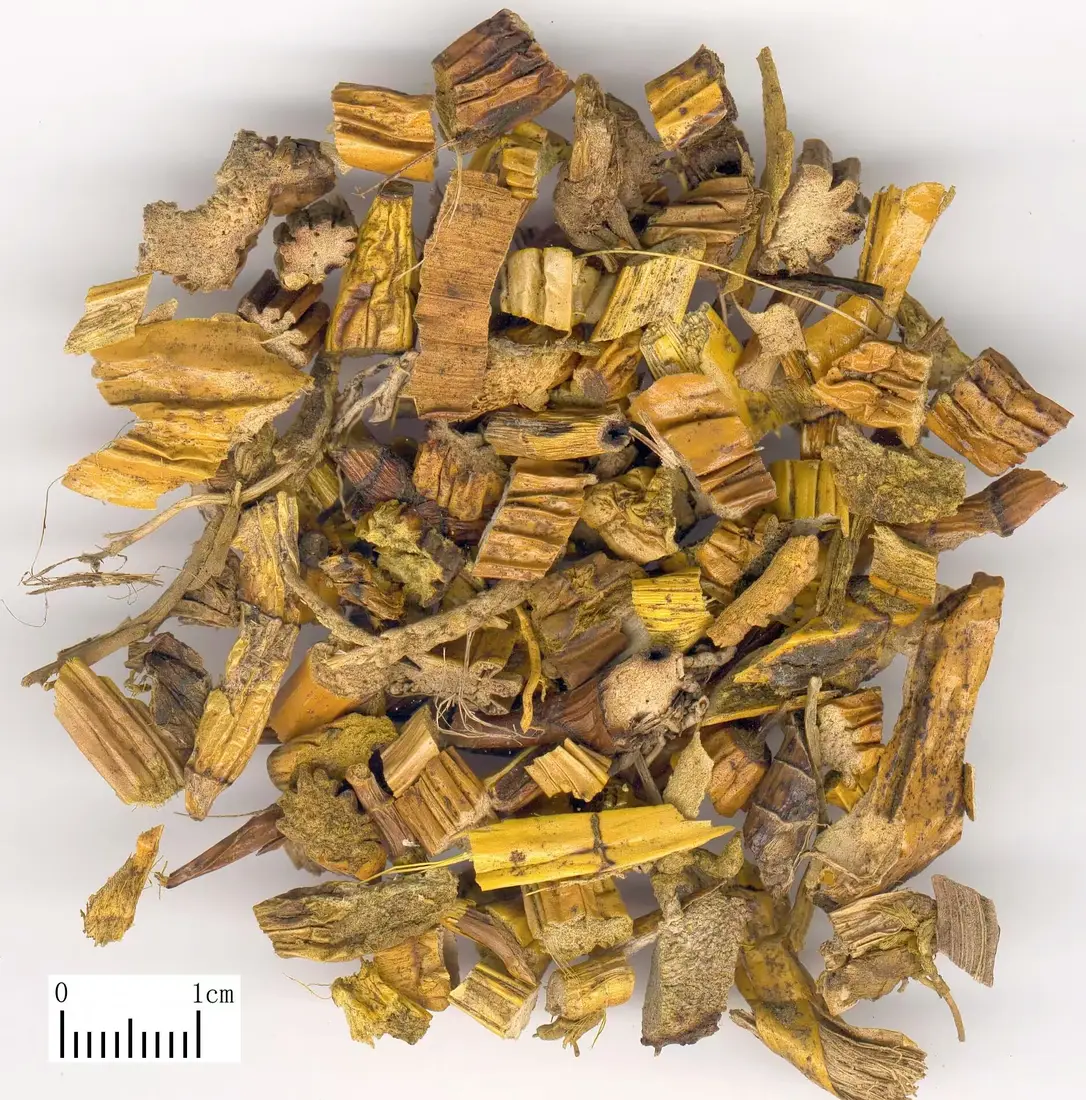
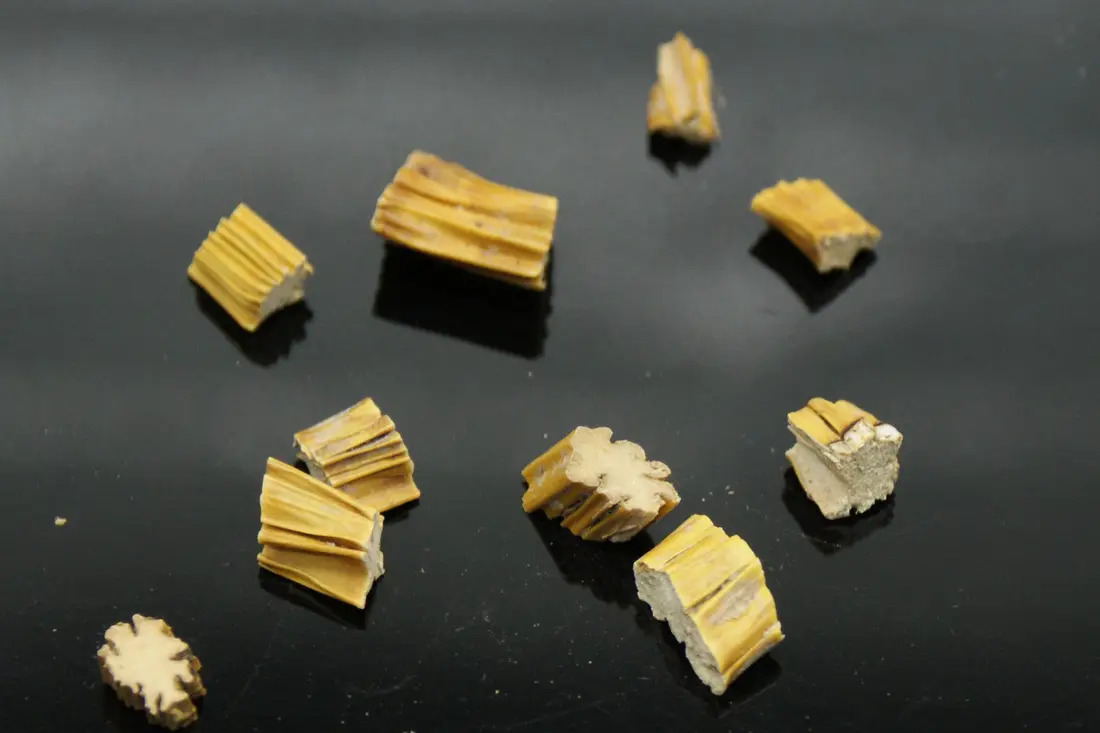
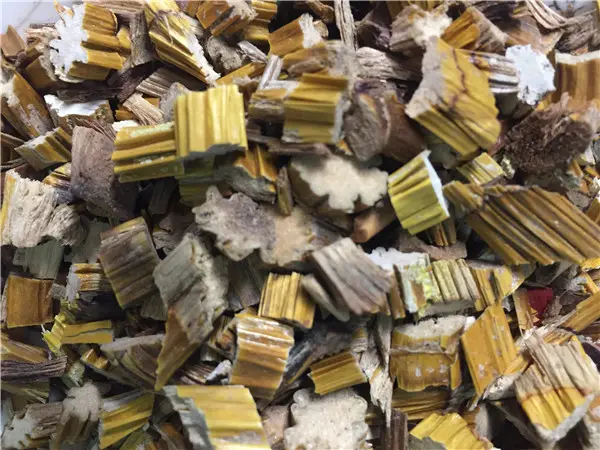
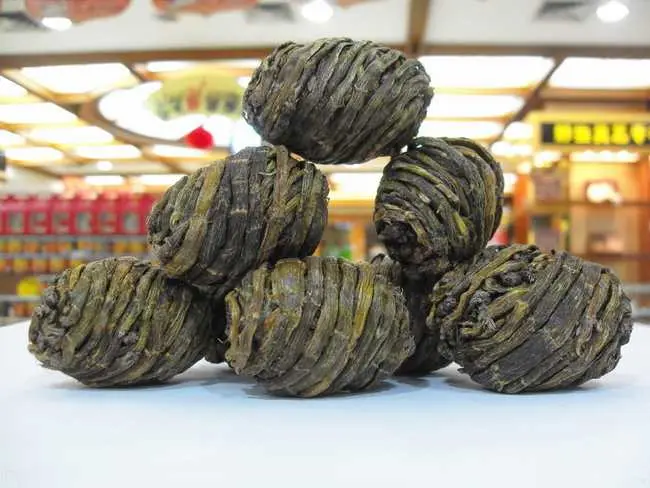
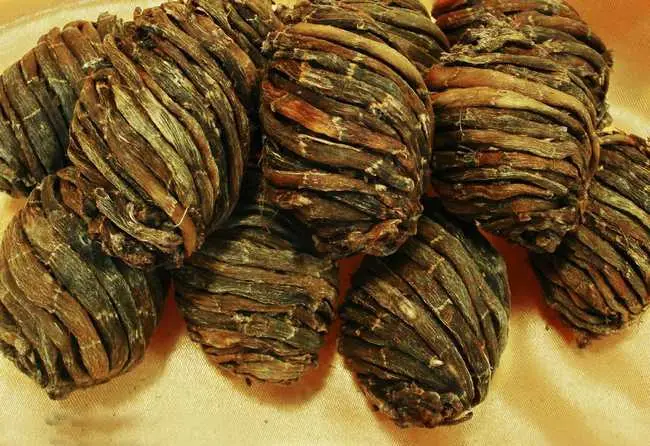
Fresh dendrobium: cylindrical or flattened cylindrical, about 30 cm long, 0.4–1.2 cm in diameter. Surface yellowish-green, smooth or longitudinally striate; nodes distinct, darker, with membranous leaf sheaths. Fleshy and juicy, easily broken. Slight odor; taste slightly bitter with a sweet aftertaste; sticky when chewed. D. nobile: flattened cylindrical, 20–40 cm long, 0.4–0.6 cm in diameter, internodes 2.5–3 cm. Surface golden yellow or yellowish-green, with deep longitudinal grooves. Hard and brittle; fracture relatively flat and porous. Slight odor; taste bitter. D. chrysotoxum: stout fusiform, middle diameter 1–3 cm, with 3–7 nodes. Surface smooth, golden yellow, with distinct raised ridges. Light and brittle; fracture spongy. Slight odor; taste bland, sticky when chewed. D. fimbriatum and others: long cylindrical, 20–150 cm long, 0.4–1.2 cm in diameter, nodes distinct, internodes 2–6 cm. Surface yellow to dark yellow, with deep longitudinal grooves. Texture loose; fracture flat or fibrous. Taste bland or slightly bitter, sticky when chewed.

Properties and actions性味与功效
Actions
Benefit the stomach and generate fluids · Nourish yin and clear heat
Indications
Used for damage to fluids in febrile disease, dry mouth with thirst, insufficient stomach yin with poor appetite and dry retching, lingering low-grade fever after illness, yin deficiency with fire hyperactivity, bone-steaming and consumptive heat, blurred vision, and weakness and flaccidity of the sinews and bones.
Dosage
6–12 g; fresh herb 15–30 g.
Caution
Use with caution in cases of deficiency-cold of the spleen and stomach.
Processing炮制
Dried stem
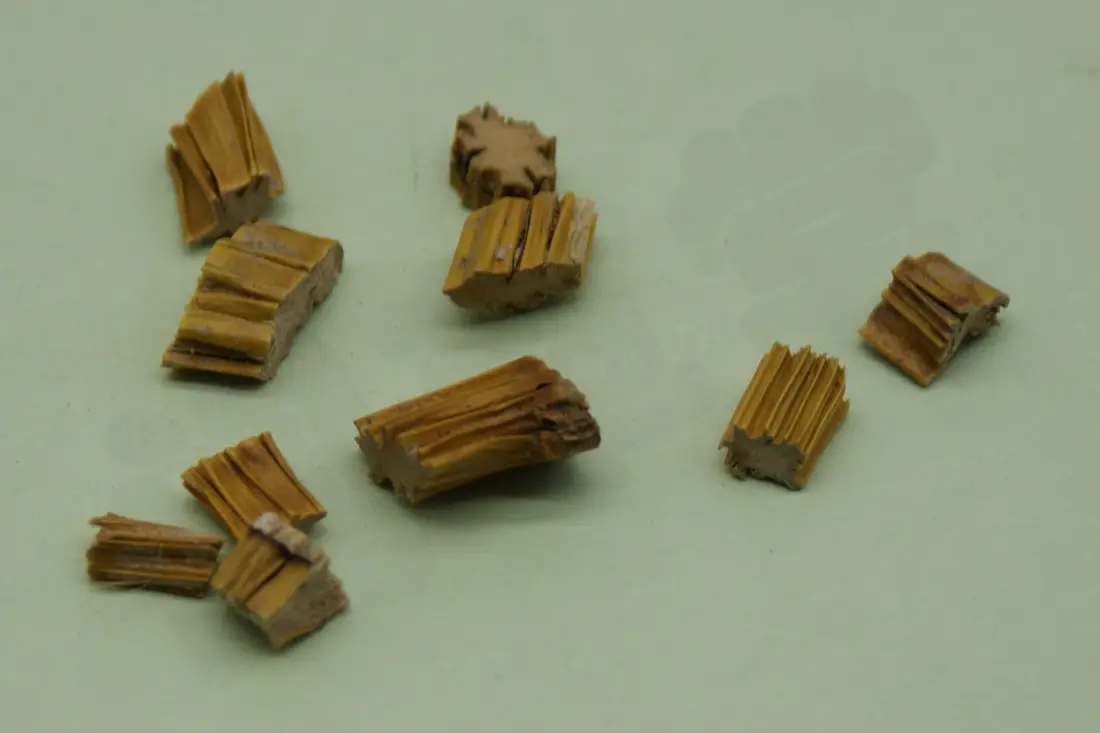
Remove residual roots, wash, cut into sections, and dry.
Fresh stem
Wash and cut into sections.
Modern research现代药理
Antioxidant and aldose reductase inhibition
Constituents of dendrobium possess anti-lipid peroxidation and aldose reductase inhibitory effects, delaying and treating galactose-induced cataracts.
Cardiovascular effects
Dendrobium inhibits the heart and dilates blood vessels.
Gastrointestinal effects
Dendrobium promotes gastrointestinal function.
Analgesic and antipyretic effects
Dendrobine has certain analgesic and antipyretic effects.
Classical records历代本草
The Shennong Bencao Jing records dendrobium as sweet and neutral, treating internal damage, removing impediment, and strengthening yin. The Bencao Gangmu notes its use for scrotal dampness with scant essence and residual urine dribbling, and for fever with spontaneous sweating.
《神农本草经》:味甘,平。主治伤中,除痹。下气,补五脏虚劳羸瘦,强阴。久服厚肠胃。 《本草纲目》:石斛气平,味甘淡微咸,阴中之阳,降也。乃足太阴脾、足少阴右肾之药。深师云:囊湿精少,小便余沥者,宜加之。一法:每以二钱,入生姜一片,水煎,代茶饮,甚清肺补脾也。 治发热自汗,痈疽排脓内塞。 《本草蒙筌》:味甘,气平,无毒。却惊定志,益精强阴。壮筋骨,补虚羸,健脾膝,驱冷痹。皮外邪热堪逐,胃中虚火能除。厚肠胃轻身,长肌肉下气。 《开宝本草》:味甘,平,无毒。益精,补内绝不足,平胃气,长肌肉,逐皮肤邪热痱气,脚膝疼冷痹弱。 《名医别录》:无毒。主益精,补内绝不足,平胃气,长肌肉,逐皮肤邪热痱气,脚膝疼冷痹弱,久服定志,除惊。
Culinary use民间药膳
Achyranthes Compound Wine
Achyranthes root 120 g, Salvia miltiorrhiza, Eucommia bark, Rehmannia root, and Dendrobium stem 60 g each, good white liquor 1500 g.
Pound the five herbs, place in a porcelain jar, add white liquor, seal, and steep for 7 days. Strain and store the liquid. Take 30 ml each time, 1–2 times daily.
Invigorates blood and unblocks collaterals, tonifies the kidney and strengthens bones. Used for joint stiffness, sinew and bone pain, muscle aches, and kidney-deficiency low back pain.
Tribulus and Rehmannia Decoction
Tribulus terrestris 10 g, Astragalus complanatus 10 g, Rehmannia (raw) 10 g, Rehmannia (prepared) 10 g, Ophiopogon 10 g, Codonopsis 10 g, Schisandra 10 g, mung bean hull 12 g, Scrophularia 12 g, Astragalus 30 g, Chinese yam 30 g, Dendrobium stem 15 g, Trichosanthes root 15 g.
Decoct in water, one dose daily, taken twice.
Nourishes blood and yin, generates fluids and reduces fire. Used for blood dryness and yin damage.
Dendrobium and Cornus Pork Tendon Soup
Dendrobium 4 qian, Cornus officinalis 3 qian, Chinese yam 4 qian, goji berries 3 qian, water 4 bowls, salt 1 teaspoon, pork tendon as needed.
Soak and wash dendrobium, chop finely. Wash all ingredients, put in a pot, bring to a boil, then simmer over low heat for 3.5 hours. Add salt and serve.
For deficiency of both qi and blood with low spirits; tonifies liver and kidney, nourishes yin and brightens eyes.
Tiepi Dendrobium and Snow Fungus Soup
Tiepi dendrobium powder, snow fungus 15 g, rock sugar 150 g, one egg, a little lard.
Soak snow fungus in warm water (30–35°C) for 30 minutes until swollen; remove stem, wash, tear into pieces, place in a pot with water. Dissolve tiepi dendrobium powder in warm water and add. Bring to a boil, then simmer for 3 hours. In another pot, melt rock sugar with water over high heat; add egg white, stir, skim foam, and slowly pour the syrup into the snow fungus pot. Add a little lard before serving for a smoother taste.
For hypertension, arteriosclerosis, chronic cough due to lung deficiency, weakness after prolonged illness, neurasthenia, and insomnia; regular use may have noticeable effects.
Tiepi Dendrobium and Peanut Porridge
Fresh tiepi dendrobium about 20 g, peanuts as needed.
.
Nourishes yin and moistens dryness, clears heat and generates fluids, tonifies deficiency. Suitable for spleen-stomach yin deficiency with dry throat and scant fluids, tongue without coating, cough with little phlegm, constipation, and thin breast milk.
Wild American Ginseng and Dendrobium Stew
Wild American ginseng and tiepi dendrobium 6 g each, four honey dates, lean pork or skinless chicken as needed.
Place all ingredients in a pot with 5 bowls of boiling water. Simmer over low heat overnight. Drink the liquid.
Tonifies qi and generates fluids, benefits the stomach and nourishes yin.
Dendrobium and Wild Duck Soup
One old duck, dendrobium 10 g, Cordyceps 25 pieces, lean pork 50 g.
Slaughter and wash the duck; wash the herbs. Place duck in a clay pot, add herbs, ginger slices, scallion sections, cooking wine, and water. Bring to a boil, then simmer for 2 hours. Season with salt and chicken essence.
Generates fluids and stops cough, benefits qi and relieves summerheat. Best taken in summer or when there is internal heat.
Audio and video语音与视频
Narration · Chinese · 7:34
Latin name · pronunciation
Narration and video are shared by all language versions and are in Chinese; the images and footage themselves are language-independent.
Photographs药材图片
Dendrobium stem (Shi Hu)
Cultivation and authentication栽培与鉴别

29 cultivation notes and 17 authentication articles exist for this herb. They are long-form field material and are published in Chinese only.

Read them in Chinese →

Compiled from public Chinese materia medica sources for study and reference. Not medical advice.
Chinese version · All herbs