Astragalus root (Huang Qi)Materia Medica

Astragalus root (Huang Qi)

Huang Qi
ASTRAGALI RADIX
Nature and flavorSweet, warm. Enters the Lung and Spleen meridians.
Meridians enteredLung, Spleen
Dosage9–30 g
Reference market price¥12.8 / kgBozhou market · spec common grade · 内蒙古 · snapshot 2026-11-21

Astragalus root, known as Huang Qi, is a premier qi-tonifying herb that strengthens the exterior and promotes urination.

Source药物来源

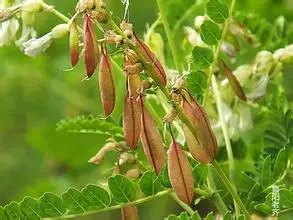
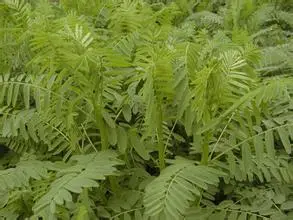
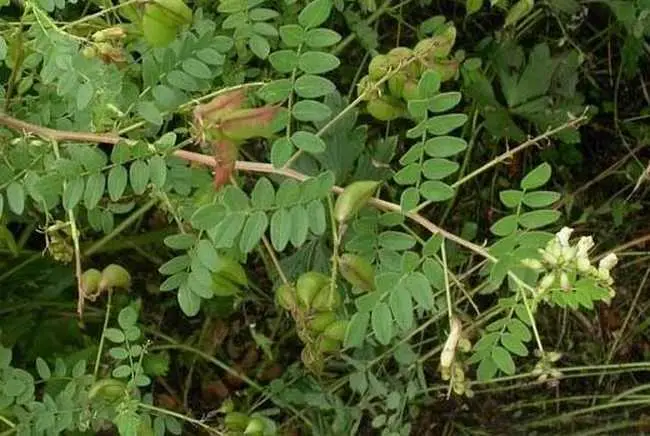
The dried root of Astragalus membranaceus (Fisch.) Bge. var. mongholicus (Bge.) Hsiao or Astragalus membranaceus (Fisch.) Bge. (Fabaceae). [Voice explanation: Yangzhou University, Qin Mengmeng]

Identification性状特征

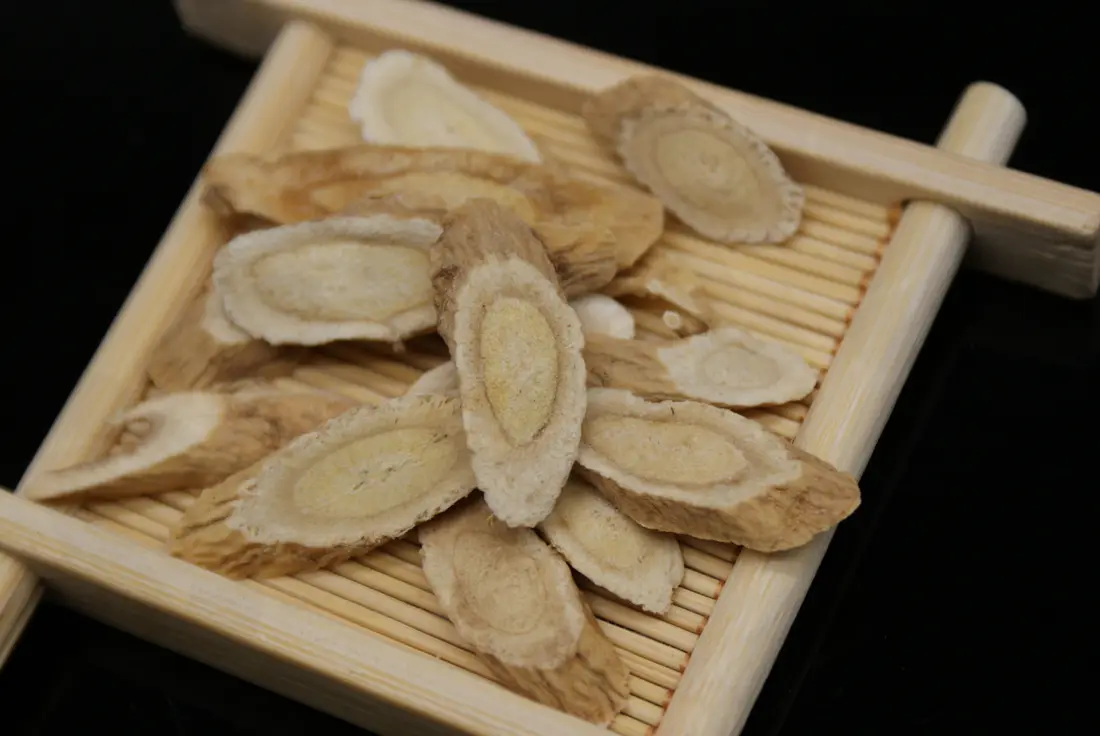
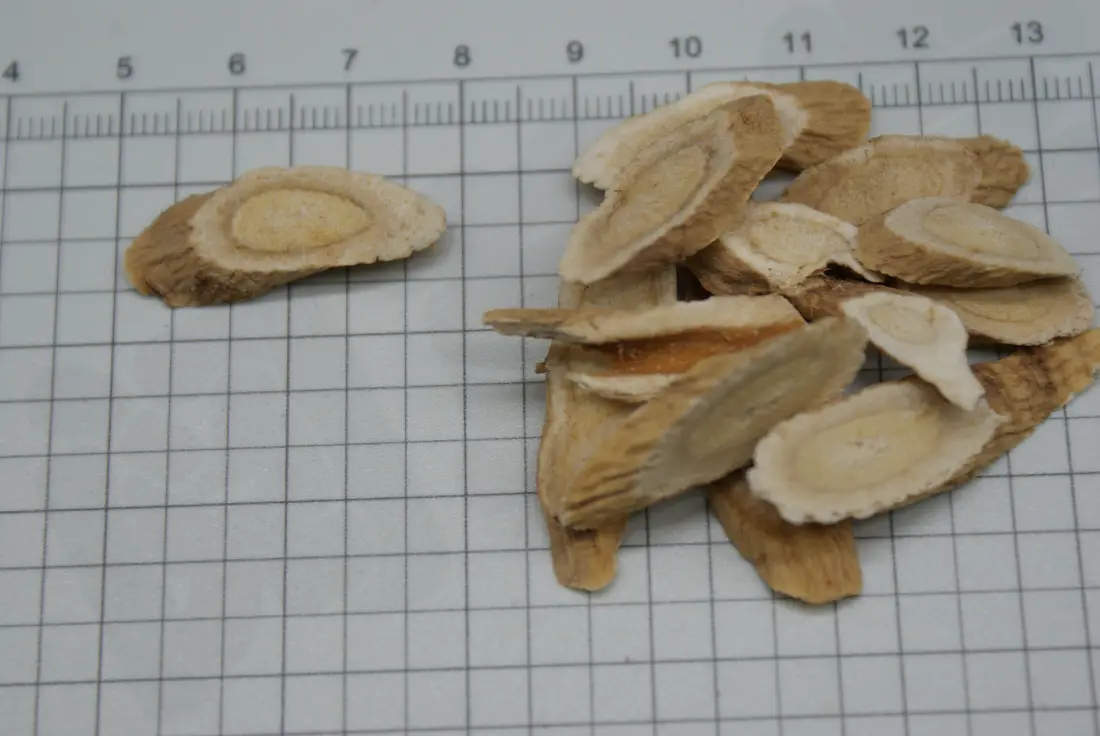
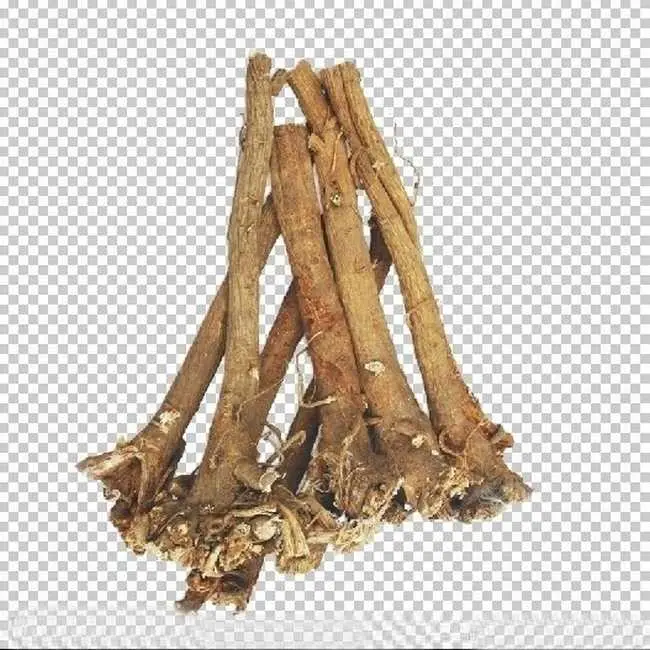
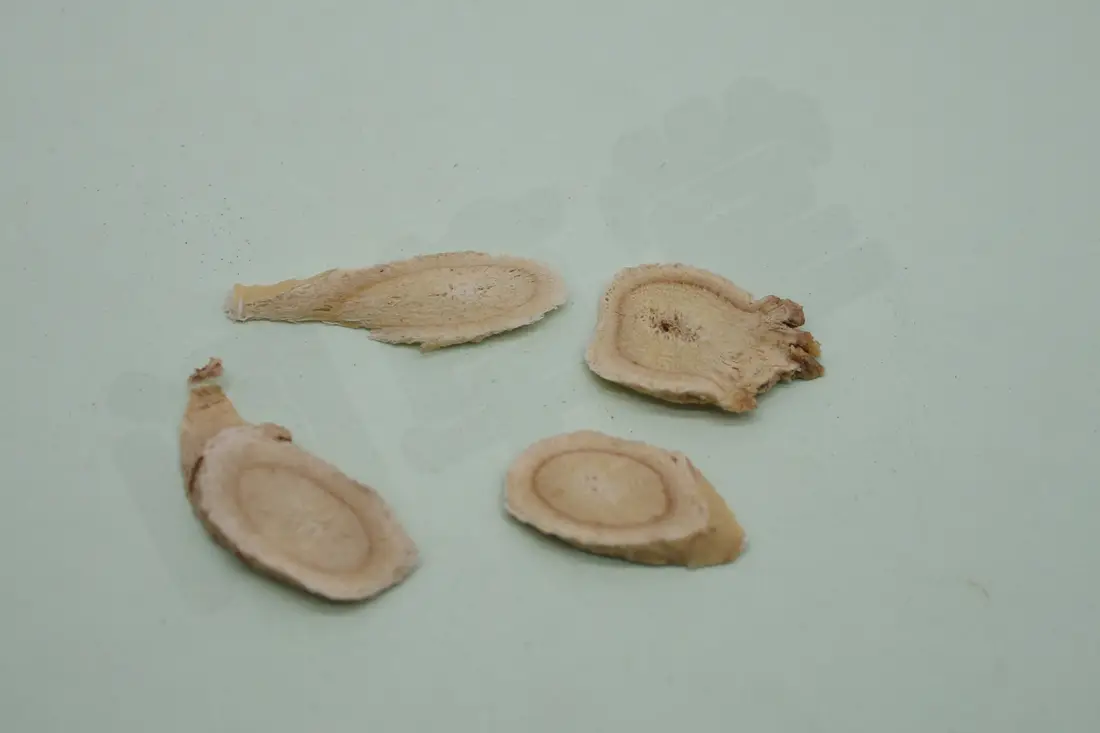
Cylindrical, sometimes branched, upper part thicker, 30–90 cm long, 1–3.5 cm in diameter. Surface pale brownish-yellow or pale brownish, with irregular longitudinal wrinkles or grooves. Hard and tough, difficult to break; fracture fibrous and starchy; bark yellowish-white, wood pale yellow, with radial striations and clefts; old roots occasionally hollow, dark brown or empty in center. Odor slight; taste slightly sweet; chewed with a faint bean-like odor.

Properties and actions性味与功效
Actions
Tonify qi and consolidate the exterior · Promote urination and expel toxicity · Discharge pus and generate flesh
Indications
Used for qi deficiency with fatigue and weakness, poor appetite and loose stools, sinking of middle qi, chronic diarrhea and prolapse of the rectum, hematochezia and metrorrhagia, spontaneous sweating due to exterior deficiency, edema due to qi deficiency, carbuncles and abscesses that are difficult to rupture or that remain unhealed after long-standing ulceration, blood deficiency with sallow complexion, internal heat and wasting-thirst; chronic nephritis with proteinuria, and diabetes.
Dosage
9–30 g.
Caution
Use with caution in cases of yin deficiency with heat or excess heat; not suitable for those with deficiency-cold of the spleen and stomach without qi deficiency.
Processing炮制
Astragalus root (raw)
Remove impurities, separate by size, wash, soften thoroughly, slice thickly, dry, and sift out fragments.
Honey-fried Astragalus root
Take refined honey, dilute with appropriate amount of boiling water, sprinkle into clean Astragalus slices, mix well, and闷润 until the honey is absorbed. Place in a frying container, heat over gentle fire until deep yellow and no longer sticky, then remove and cool. Use 25 kg of refined honey per 100 kg of Astragalus slices.
Modern research现代药理
Immunomodulatory effects
Astragalus root counteracts immunosuppressive agents, enhances humoral immunity, cellular immunity, the reticuloendothelial system, and the complement system; induces certain immune cytokines, interferon, and natural killer cells; and has a regulatory effect on various immune factors.
Cardiovascular effects
It strengthens the heart, limits or reduces myocardial infarction size, improves myocarditis symptoms, has anti-stress and anti-myocardial ischemia effects, dilates blood vessels and coronary arteries, lowers blood pressure, and improves myocardial oxygen metabolism.
Hematological effects
It improves hemorheological properties, inhibits platelet aggregation, has antithrombotic effects, and enhances hematopoietic function.
Metabolic effects
It enhances cellular physiological metabolism, promotes synthesis of nucleic acids and proteins, and bidirectionally regulates blood glucose levels.
Anti-aging effects
It increases collagen synthesis in tissues, prolongs cell lifespan, and has antioxidant and anti-aging effects.
Renal effects
It is therapeutic for nephritis, renal failure, nephrotic syndrome, and chronic renal insufficiency; antagonizes gentamicin nephrotoxicity; and has diuretic effects.
Hypoglycemic and thyroid effects
It lowers blood glucose and counteracts hypothyroidism in aged rats.
Neurological effects
It enhances brain function, improves learning and memory in mice, and has analgesic and sedative effects.
Hepatoprotective and gastrointestinal effects
It protects against experimental hepatitis and enhances small intestinal smooth muscle tone.
Antimicrobial effects
It has antibacterial and antiviral effects.
Classical records历代本草
The Shennong Bencao Jing records it as sweet and slightly warm, indicated for carbuncles, chronic ulcers, and tonifying deficiency. The Bencao Mengquan notes that raw use treats carbuncles, while honey-fried tonifies deficiency, and that it enters the Hand Shaoyang and Foot Taiyin meridians. It is often compared to ginseng for tonifying qi, but specializes in consolidating the exterior.
《神农本草经》:味甘,微温。主治痈疽,久败疮排脓止痛,大风癞疾,五痔,鼠瘘,补虚,小儿百病。 《本草蒙筌》:味甘,气微温。气薄味厚,可升可降,阴中阳也。无毒。生用治痈疽,蜜炙补虚损。入手少阳,入足太阴。主丈夫小儿五劳七伤,骨蒸体瘦,消渴腹痛,泻痢肠风;治女子妇人月候不匀,血崩带下,胎前产后,气耗血虚。益元阳,泻阴火。扶危济弱,略亚人参。温分肉而充皮肤,肥腠理以司开阖。固盗汗自汗,无汗则发,有汗则止;托阴疮癞疮,排脓止痛,长肉生肌。外行皮毛,中补脾胃。下治伤寒,尺脉下至。是上中下、内外、三焦药也。性畏防风,而防风能制黄芪,黄芪得防风,其功愈大。盖相畏而相使者,故二味世多相须而用。《衍义》又云:因多补益之功,药中呼为羊肉。 谟按:参芪甘温,俱能补益。证属虚损,堪并建功。但人参惟补元气调中,黄芪兼补卫气实表。所补既略差异,共剂岂可等分!务尊专能,用为君主。君药宜重,臣辅减轻。君胜乎臣,天下方治,臣强于主,国祚渐危。此理势自然,药剂仿之,亦不可不注意也。如患内伤,脾胃衰弱,饮食怕进,怠惰嗜眠,发热恶寒,呕吐泄泻,及夫胀满痞塞,力乏形羸,脉息虚微,精神短少等证,治之悉宜补中益气,当以人参加重为君,黄芪减轻为臣。若系表虚,腠理不固,自汗盗汗,渐致亡阳,并诸溃疡,多耗脓血,婴儿痘疹,未落全浆,一切阴毒不起之疾,治之又宜实卫护荣,须让黄芪倍用为主,人参少入为辅焉。是故治病在药,用药由人。切勿索骥按图,务须活泼泼地。先正尝曰:医无定体,应变而施。药不执方,合宜而用。又云:补气药多,补血药亦从而补气;补血药多,补气药亦从而补血。佐之以热则热,佐之以寒则寒。如补中益气汤,虽加当归,当归血药也,因势寡,则被参芪所据,故专益气佥名;又当归补血汤,纵倍黄芪,黄芪气药也,为性缓,亦随当归所引,惟以补血标首。佐肉桂附子少热,八味丸云然;加黄柏知母微寒,补阴丸是尔。举隅而反,触类而推。则方药之应乎病机,病机之合乎方药,总在君臣佐使之弗失,才致轻重缓急之适中。时医不以本草加工,欲望制方。如是之通变合宜者,正犹学射而不操夫弓矢,其不能也决矣。 《开宝本草》:味甘,微温,无毒。妇人子藏风邪气,逐五脏间恶血,补丈夫虚损,五劳羸瘦,止渴,腹痛泄痢,益气,利阴气。 《名医别录》:无毒。主治妇人子藏风邪气,逐五藏间恶血,补丈夫虚损,五劳羸瘦,止渴,腹痛泄利,益气,利阴气。
Folklore本草传说

According to the New Tang History, Xu Yinzong treated a stroke patient with locked jaw by simmering Astragalus and Saposhnikovia and using the steam to fumigate the patient, who recovered. In the Qing dynasty, Lu Yitian's Lenglu Yihua records a case of severe edema treated with a porridge of raw Astragalus (120 g) and glutinous rice (30 g), which relieved breathing and urination and reduced swelling; the patient eventually recovered after consuming several jin of Astragalus. Su Shi of the Song dynasty wrote a poem mentioning Astragalus porridge as a spring dish.

Culinary use民间药膳
Eight Immortals Longevity Cake
Astragalus, ginseng, poria, Chinese yam, lotus seed, Gordon Euryale seed, coix seed, and white hyacinth bean 30 g each; glutinous rice 500 g.
Stir-fry the above until yellow, grind into powder, add 150 g white sugar, and shape into cakes. Eat as desired.
Tonifies the spleen and stomach, promotes longevity.
Qi-Tonifying Porridge
Honey-fried Astragalus 30 g, ginseng 3 g (or codonopsis 15 g), polished rice 100 g, a little white sugar.
Slice Astragalus and ginseng (or codonopsis), soak in cold water for 30 minutes, then decoct in a clay pot; bring to a boil, then simmer to a thick juice. Strain and repeat with water to obtain a second decoction. Combine both liquids, divide into two portions, and cook with rice and appropriate water to make porridge each morning and evening. Add a little sugar before serving. Ginseng can also be powdered and added to the porridge. Take one dose daily; a course is 3–5 days, with a 2–3 day interval before the next course.
Tonifies vital qi, treats deficiency, and strengthens the spleen and stomach.
Cooked Black Beans
Prepared fleeceflower root 24 g, goji berry 24 g, raw rehmannia 12 g, prepared rehmannia 12 g, angelica 12 g, stir-fried eucommia 12 g, achyranthes 12 g, chrysanthemum 3 g, licorice 3 g, chuanxiong 3 g, tangerine peel 3 g, atractylodes 3 g, white peony 3 g, moutan 3 g, Astragalus 6 g, salt 18 g, black beans 500 g.
Decoct the above herbs with black beans until thoroughly cooked, then sun-dry. Remove the herbs and eat the black beans as a snack, about 30–50 g per day.
Darkens hair and beard, strengthens teeth, and brightens eyes. Suitable for blood deficiency with white hair, dizziness, palpitations, and pale complexion, lips, and nails.
Ginseng and Astragalus Stewed Winter Melon Soup
Chicken breast 200 g, codonopsis 6 g, Astragalus 6 g, winter melon 200 g, rice wine, salt, and MSG to taste.
Wash chicken breast and shred; peel and slice winter melon; wash codonopsis and Astragalus. Place chicken shreds, codonopsis, and Astragalus in a clay pot with 500 ml water, simmer over low heat until nearly cooked, then add winter melon slices, salt, rice wine, and MSG, and continue simmering until the melon is tender. Serve alone or with meals.
Strengthens the spleen and tonifies qi, and promotes lightness of body and weight loss. Suitable for obesity due to spleen deficiency with qi weakness, manifested as fatigue, lethargy, poor appetite, loose stools, or puffiness of the face and limbs.
Steamed Chicken with Angelica and Astragalus
Honey-fried Astragalus 100 g, angelica 20 g, young hen 1 (1500 g), Shaoxing wine 30 g, MSG 3 g, pepper 3 g, salt 3 g, scallion and ginger as needed.
Slaughter the chicken, remove feathers and internal organs, wash, remove feet, blanch in boiling water to remove blood, rinse in clean water, and drain. Wash angelica and cut large pieces; wash scallion and cut into inch-long sections; peel and slice ginger. (Further cooking instructions not provided in source.)
Tonifies qi and generates blood.
Ten Complete Great Tonifying Decoction
Ginseng, Astragalus, atractylodes, poria, prepared rehmannia, white peony 10 g each; angelica, cinnamon 5 g each; chuanxiong, licorice 3 g each; jujube 12 pieces; fresh ginger 20 g; cuttlefish, fattened hen, old duck, cleaned pork tripe, pork knuckle 250 g each; pork ribs 500 g; winter bamboo shoots, mushrooms, peanuts, scallion 50 g each; seasonings as needed.
Place all herbs in a gauze bag and tie tightly. Wash duck, chicken, and pork tripe; wash ribs and chop into small pieces; crush ginger; cut winter bamboo shoots into pieces; wash mushrooms and remove impurities and woody parts. Put all ingredients in a pot with appropriate water. Bring to a boil over high heat, then simmer over low heat. Add rice wine, Sichuan pepper, salt, and other seasonings. When meats are tender, remove and cut into strips, return to the soup, and remove the herb bag. Bring to a boil and add MSG. Eat meat and drink soup, one small bowl each morning and evening. After finishing the whole batch, wait 5 days before making another.
Warms and tonifies qi and blood.
Stewed Fresh Placenta with Ginseng and Astragalus
Fresh placenta 1, Astragalus 60 g, Lu codonopsis 60 g, angelica body 20 g, fresh ginger 15 g.
Cut open the blood vessels of the fresh placenta, wash thoroughly, blanch in boiling water for 2–3 minutes, remove promptly, and place in a pot. Add washed codonopsis, Astragalus, and angelica, with appropriate water. Heat over high heat until about to boil, skim off foam, add washed and crushed ginger, then simmer over low heat until the placenta is thoroughly cooked. Eat the placenta and soup while warm. Can be divided into several portions, taken 2–3 times daily.
Tonifies and benefits qi and blood.
Gastrodia and Uncaria Decoction
Uncaria (added later) 12 g, Achyranthes 12 g, abalone shell 18 g (decocted first), gardenia 9 g, Astragalus 9 g, gastrodia 9 g, eucommia 9 g, leonurus 9 g, mulberry mistletoe 9 g, polygonum vine 9 g, poria with hostwood 9 g.
Decoct the above herbs in water and take orally.
Pacifies the liver and extinguishes wind, clears heat and invigorates blood, and tonifies the liver and kidney. Treats headache or dizziness and insomnia due to ascendant hyperactivity of liver yang; may be selected for hypertension and acute cerebrovascular disease with the above patterns.
Tribulus and Rehmannia Decoction
Tribulus terrestris 10 g, Astragalus complanatus 10 g, raw rehmannia 10 g, prepared rehmannia 10 g, ophiopogon 10 g, codonopsis 10 g, schisandra 10 g, mung bean coat 12 g, scrophularia 12 g, Astragalus 30 g, Chinese yam 30 g, dendrobium 15 g, trichosanthes root 15 g.
Decoct in water, one dose daily, taken twice a day.
Nourishes blood and yin, generates fluid and lowers fire; treats blood dryness and yin damage.
Goji and Astragalus Chicken
Goji berry 50 g, Astragalus 50 g, chicken 1 (about 600 g).
Wash goji and place in a stainless steel pot. Wash Astragalus and add to the pot. Wash chicken, chop into two halves, and add to the pot with 1000 ml water. Simmer for 50 minutes, then let cool slightly before eating. Consume over 3 days, taking warm morning and evening.
Benefits qi and blood, replenishes essence and marrow, tonifies qi and raises yang, and consolidates the exterior to stop sweating. Suitable for chronic illness with weakness, qi and blood deficiency, and anemia due to malnutrition.
Audio and video语音与视频
Narration · Chinese · 7:34
Latin name · pronunciation
Narration and video are shared by all language versions and are in Chinese; the images and footage themselves are language-independent.
Photographs药材图片
Astragalus root (Huang Qi)
Cultivation and authentication栽培与鉴别

19 cultivation notes and 12 authentication articles exist for this herb. They are long-form field material and are published in Chinese only.

Read them in Chinese →

Compiled from public Chinese materia medica sources for study and reference. Not medical advice.
Chinese version · All herbs