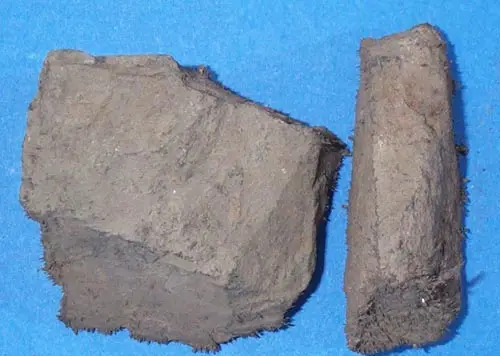
Magnetite (Ci Shi)
Ci Shi
MAGNETITUM
Nature and flavorSalty, cold; enters the Liver, Heart, and Kidney meridians.
Meridians enteredLiver, Heart, Kidney
Reference market price¥2.2 / kgBozhou market · spec common grade · 辽宁 · snapshot 2026-11-21
Magnetite (Ci Shi) is a mineral used in traditional Chinese medicine to calm the spirit, pacify the liver, and benefit the ears and eyes.
Source药物来源
This product is the mineral magnetite of the spinel group, an oxide mineral.
Identification性状特征
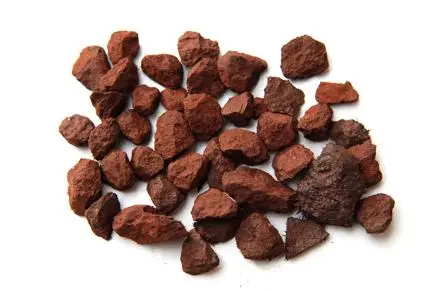
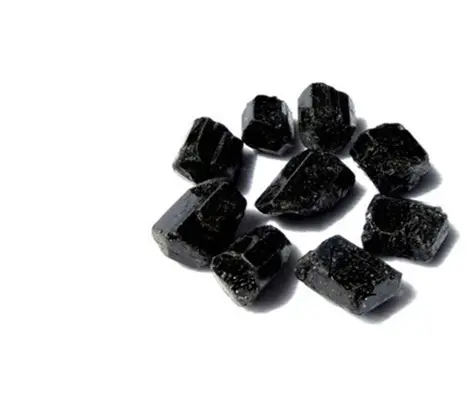
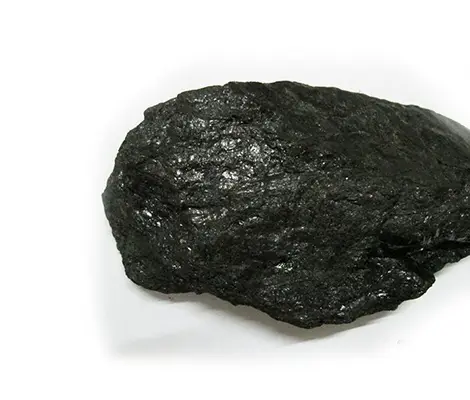
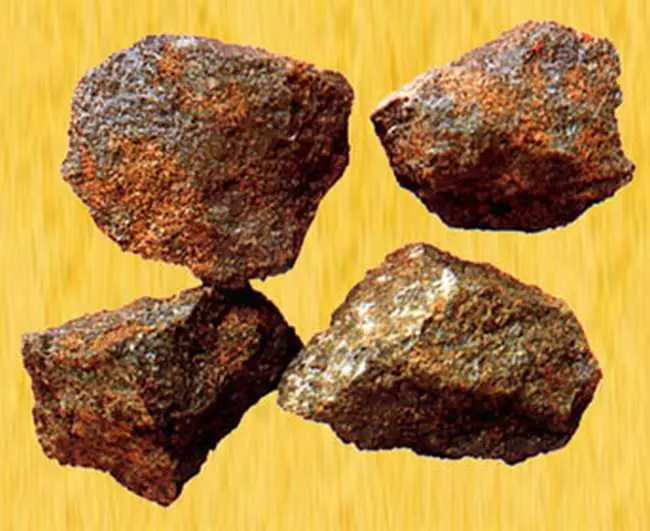
This product is a massive aggregate, occurring as irregular lumps or slightly square blocks, mostly with edges and angles. Grayish-black or brownish-brown, streak black, with metallic luster. Heavy, hard, fracture uneven. Magnetic. Earthy odor, tasteless.
Properties and actions性味与功效
Actions
Calm the spirit · Pacify the liver and subdue yang · Benefit the ears and brighten the eyes · Promote qi reception and relieve asthma
Indications
Used for palpitations and insomnia, dizziness and vertigo, blurred vision, tinnitus and deafness, and asthma due to kidney deficiency.
Caution
Use with caution in cases of deficiency-cold of the spleen and stomach; take under professional guidance.
Processing炮制
Magnetite
Take the raw medicinal material, remove impurities, and crush.
Calcined Magnetite
Take clean small pieces of magnetite, place in a refractory container, calcine with strong fire until red-hot, pour into vinegar while hot for quenching, remove after cooling, repeat calcination and quenching until brittle, take out and dry, then crush. Use 30 kg of vinegar per 100 kg of magnetite.
Modern research现代药理
Sedative and anticonvulsant effects
Magnetite has sedative and anticonvulsant effects.
Tonic and blood-enriching effects
Magnetite has tonic and blood-enriching effects.
Classical records历代本草
Li Shizhen's Bencao Gangmu notes that magnetite, being black and entering the kidney, treats kidney diseases and benefits the ears and eyes. The Bencao Mengquan records its use for deafness and eye disorders, and the Bencao Jing Shu discusses its properties and actions on wind-damp and joint pain.
《本草纲目》:慈者法水,色黑入肾,故治肾家诸病而通耳明目。一士子频病目,渐觉昏暗生翳。时珍用东垣羌活胜风汤加减法与服,而以慈朱丸佐之,两月遂如故,盖磁石入肾,镇养真精,使神水不外移;朱砂入心,镇养心血,使邪火不上侵;佐以神曲,消化滞气,生熟并用,温养脾胃发生炎气,乃道家黄婆媒合婴姹之理,制方者宜窥造化之奥乎?方见孙真人《千金》神曲丸,但云明目,百岁可读细书,而未发出药微义也,孰谓古方不可治今病耶?独孤滔云:慈矾坚顽之物,无融化之气,止可假其气服食,不可久服渣滓,必有大患。夫药以治病,中病则止,砒硇犹可饵服,何独慈石不可服耶?慈石既炼,亦匪坚顽之物,惟在用者能得病情而中的尔。
明目聪耳,止金疮血。
《本草蒙筌》:味苦、咸。无毒。一去平、甘,温、涩。小毒。专杀铁毒,惟使柴胡。恶牡丹石脂,为重而去怯之剂。除大热烦满,去周痹酸疼。周痹,谓痹随血脉上下,下能左右去者是也。绵裹治耳聋,裹豆大塞耳中,口含生铁少许,觉内有风雨声即效。药和点目瞀。音茂。强骨气,益肾脏,通关节,消痈疽。逐惊痫风邪,驱颈核喉痛。炼水旋饮,令人有娠。若误吞针入喉,急取系线服下。引上牵出,实亦妙方。
《开宝本草》:味辛、咸,寒,无毒。养肾脏,强骨气,益精,除烦,通关节,消痈肿鼠瘘,颈核喉痛,小儿惊痫。
《名医别录》:味咸,无毒,主养肾藏,强骨气,益精,除烦,通关节,消痈肿,鼠瘘,颈核,喉痛,小儿惊痫,练水饮之。亦令人有子。
《本草经疏》:磁石生于有铁处,得金水之气以生。《本经》味辛,气寒,无毒。《别录》、甄权:咸,有小毒。大明:甘、涩,平。藏器:咸,温。今详其用,应是辛咸微温之药,而甘寒非也。气味俱厚,沉而降,阳中阴也。入足少阴,兼入足厥阴经。其主周痹风湿,肢节中痛,不可持物,洗洗酸者,皆风寒湿三气所致,而风气尤胜也。风淫末疾,发于四肢,故肢节痛不能持物。风湿相搏,久则从火化,而骨节皮肤中洗洗酸也。辛能散风寒,温能通关节,故主之也。咸为水化,能润下软坚,辛能散毒,微温能通行除热,故主大热烦满,及消痈肿,鼠瘘颈核。喉痛者,足少阳、少阴虚火上攻所致,咸以入肾,其性镇坠而下吸,则火归元而痛自止也。夫肾为水脏,磁石色黑而法水,故能入肾养肾脏。肾主骨,故能强骨。肾藏精,故能益精。肾开窍于耳,故能疗耳聋。肾主施泄,久秘固而精气盈溢,故能令人有子。小儿惊痫,心气怯,痰热盛也,咸能润下,重可去怯,是以主之。甄权云:补男子肾虚,风虚身强,腰中不利,加而用之。宗奭云:养肾气,填精髓,肾虚耳聋昏者,皆用之。
Culinary use民间药膳
Magnetite Porridge
Magnetite 30g, japonica rice 100g, appropriate amounts of ginger and scallion.
First crush the magnetite, decoct in a clay pot for 1 hour, filter the liquid and discard the residue, then add japonica rice, ginger, and scallion, and cook together into porridge. Serve warm for dinner.
Calms the spirit. Suitable for restlessness, insomnia, palpitations, fright, mental unease, dizziness, and headache caused by disturbed spirit.
Audio and video语音与视频
Narration · Chinese · 7:34
Latin name · pronunciation
Photographs药材图片
Cultivation and authentication栽培与鉴别
0 cultivation notes and 4 authentication articles exist for this herb. They are long-form field material and are published in Chinese only.
Compiled from public Chinese materia medica sources for study and reference. Not medical advice.
Chinese version · All herbs
Chinese version · All herbs