Arisaema Rhizome (Tian Nan Xing)
Tian Nan Xing
ARISAEMATIS RHIZOMA
Nature and flavorBitter, pungent, warm; toxic. Enters the Lung, Liver, and Spleen meridians.
Meridians enteredLung, Liver, Spleen
DosageFor external use, appropriate amount of raw rhizome, ground into powder and applied with vinegar or wine.
Reference market price¥36 / kgBozhou market · spec common grade · 河南 · snapshot 2026-11-21
A toxic, warm herbal rhizome used externally to reduce swelling and resolve nodules, with processed forms for internal use.
Source药物来源
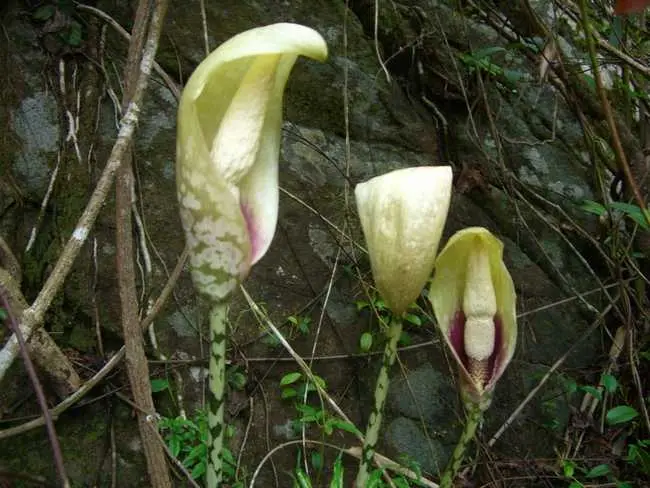
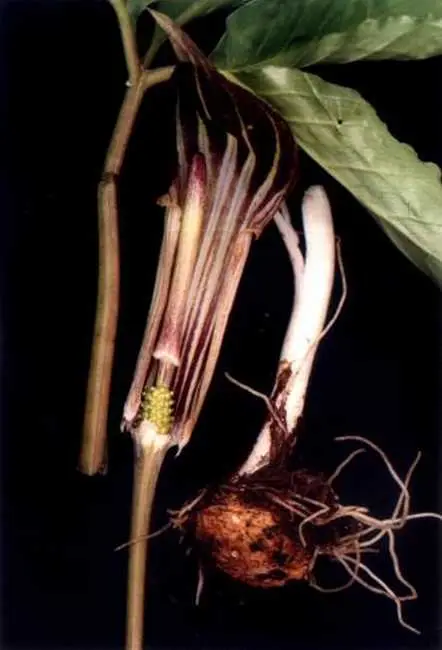
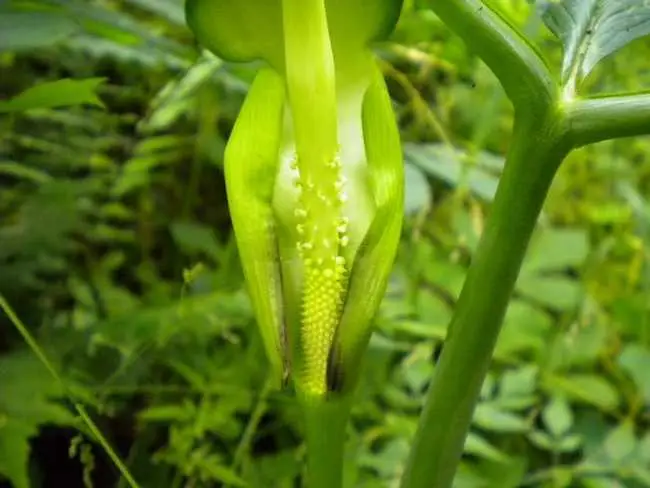
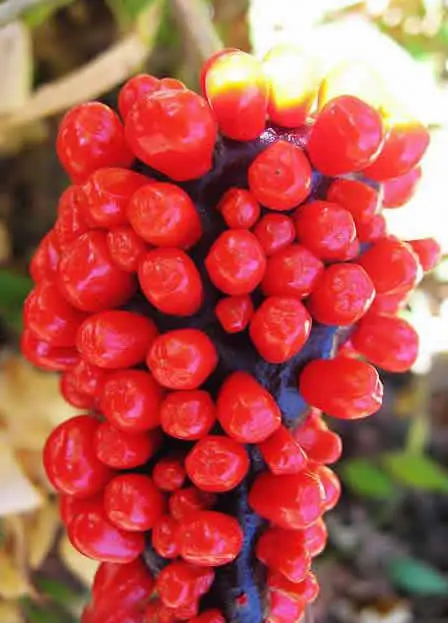
The dried tuber of Arisaema erubescens (Wall.) Schott, Arisaema heterophyllum Bl., or Arisaema amurense Maxim. (family Araceae).
Identification性状特征
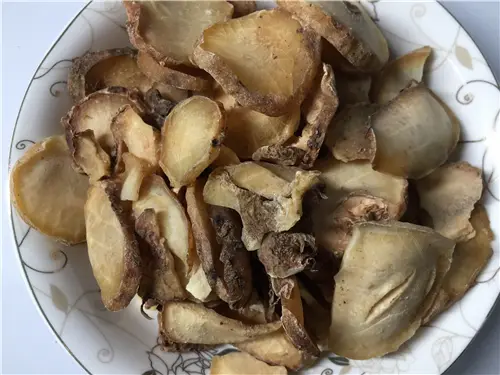
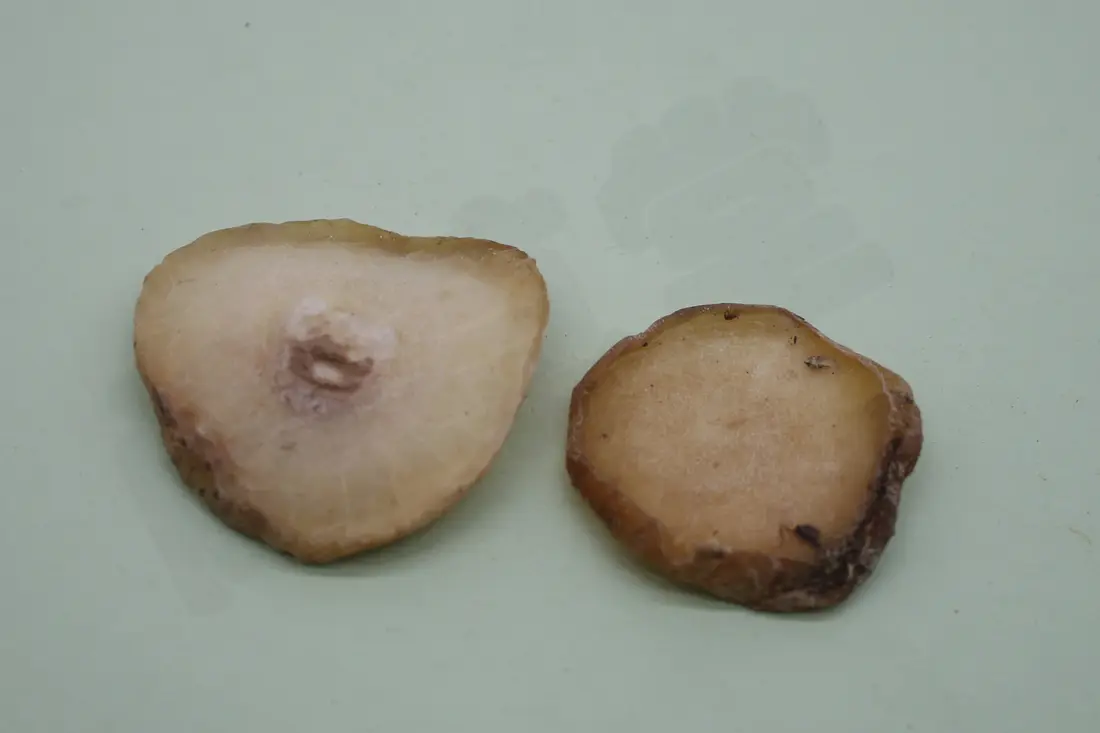
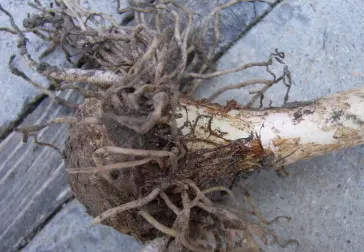
Flattened spherical, 1–2 cm high, 1.5–6.5 cm in diameter. Surface off-white or pale brown, relatively smooth, apex with a depressed stem scar, surrounded by pitted root scars; some tubers have small flattened lateral buds. Hard, difficult to break; fracture uneven, white, starchy. Slight pungent odor; taste numbing and spicy.
Properties and actions性味与功效
Actions
Resolve swelling and nodules (external use)
Indications
For external application: carbuncles, swellings, snake and insect bites.
Dosage
For external use, appropriate amount of raw rhizome, ground into powder and applied to the affected area with vinegar or wine.
Caution
Toxic; raw rhizome is for external use only. Internal use requires processing. Contraindicated in yin deficiency with dryness-heat and in pregnant women. Use with caution in deficiency-cold of the spleen and stomach.
Processing炮制
Raw Arisaema Rhizome (Sheng Tian Nan Xing)
Remove impurities, wash, and dry.
Processed Arisaema Rhizome (Zhi Tian Nan Xing)
Soak in water, changing water 2–3 times daily; when white foam appears, add alum (2 kg per 100 kg) after changing water, soak for one day, then change water and rinse until a slight numbing taste is felt upon chewing. Boil alum and ginger slices in water, add the rhizome, cook until no dry core remains, remove ginger, air-dry to 40–60% dryness, slice thinly, and dry. Use 12.5 kg each of ginger and alum per 100 kg of rhizome.
Bile Arisaema Rhizome (Dan Nan Xing)
Mix processed rhizome powder with bile (or bile paste powder and water), steam for 60 minutes, cool, form small pieces, and dry. Alternatively, mix raw rhizome powder with bile, ferment for 5–7 days in a warm place, then steam or stew for 9 days and nights, stirring every 2 hours, until black extract-like and no numbing taste. Air-dry, steam soft, and form small pieces while hot. Use 400 kg bile (or 40 kg bile paste powder) per 100 kg processed rhizome powder.
Modern research现代药理
Antitussive and anticonvulsant effects
Arisaema Rhizome has antitussive, anticonvulsant, and analgesic effects.
Expectorant effect
The aqueous decoction has an expectorant effect.
Antitumor effect
Arisaema Rhizome has antitumor activity.
Cardiac and antiarrhythmic effects
It inhibits the heart and has antiarrhythmic effects.
Antilipid peroxidation
It has anti-lipid peroxidation effects.
Hemagglutination and inhibition of HeLa cells
It agglutinates red blood cells and inhibits the growth of HeLa cells.
Classical records历代本草
The Shennong Bencao Jing records it as bitter and warm, treating heart pain, cold-heat, accumulations, and promoting water passages. The Bencao Gangmu notes it enters the hand and foot Taiyin meridians, disperses wind and blood, dries dampness and phlegm, and attacks accumulations and swellings. The Bencao Mengquan mentions its use for traumatic blood stasis and wind-stroke with thick phlegm.
《神农本草经》:味苦,温。主治心痛,寒热,结气,积聚,伏梁,伤筋痿拘缓,利水道。
《本草纲目》:虎掌,天南星,乃手足太阴脾肺之药。味辛而散,故能治风散血;气温而燥,故能胜湿除涎;性紧而毒,故能攻积拔肿,而治口歪舌糜。杨士瀛《直指方》:诸风口噤,宜用南星,更以人参,石菖蒲佐之。
治惊痫,口眼歪斜,喉痹,口舌疮糜,结核、解颅。
得防风则不麻,得牛胆则不燥,得火炮则不毒。
《本草蒙筌》:味苦、辛、气平。可升可降,阴中阳也。有毒。乃上行治肺经本药,欲下行资黄柏引之。畏生干姜,及黑附子。散跌扑即凝瘀血,坠中风不误稠痰。利胸膈下气坠胎,破坚积诛痈消肿。水摩箍蛇虫咬毒,醋调贴破脑伤风。瘤突额颅,麝加敷愈。先用小针十数枚作一把,瘤上微刺通窍,用新南星醋摩,加麝少许,日用二次,任如碗大半月全消。
《开宝本草》:味苦、辛,有毒。主中风,除痰,麻痹,下气,破坚积,消痈肿,利胸膈,散血堕胎。
《名医别录》:微寒,有大毒。除阴下湿,风眩。
《本草拾遗》:主金疮,伤折,瘀血,取根碎傅伤处。
Audio and video语音与视频
Narration · Chinese · 7:34
Latin name · pronunciation
Photographs药材图片
Cultivation and authentication栽培与鉴别
14 cultivation notes and 5 authentication articles exist for this herb. They are long-form field material and are published in Chinese only.
Compiled from public Chinese materia medica sources for study and reference. Not medical advice.
Chinese version · All herbs
Chinese version · All herbs