Ban Xia (Pinellia rhizome)Materia Medica

Ban Xia (Pinellia rhizome)

Ban Xia
PINELLIAE RHIZOMA
Nature and flavorPungent, warm; toxic. Enters the spleen, stomach and lung meridians.
Meridians enteredSpleen, stomach, lung
Dosage3–9 g, generally used after processing for internal use.
Reference market price¥100 / kgBozhou market · spec common grade · 贵州 · snapshot 2026-11-21

Ban Xia is a toxic rhizome used after processing to dry dampness, transform phlegm, direct qi downward, stop vomiting and resolve masses.

Source药物来源

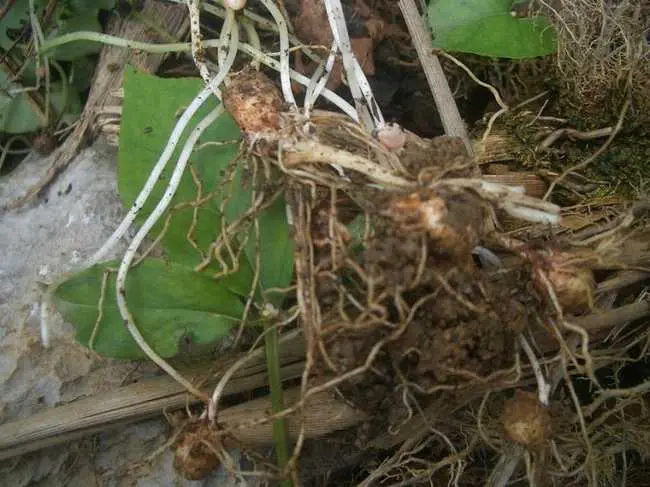
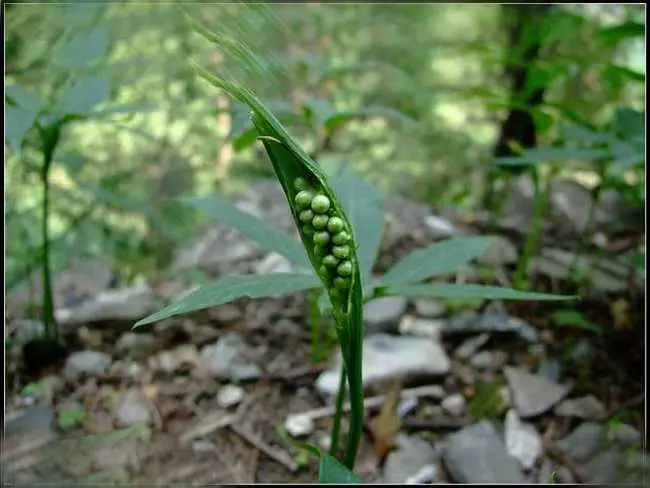
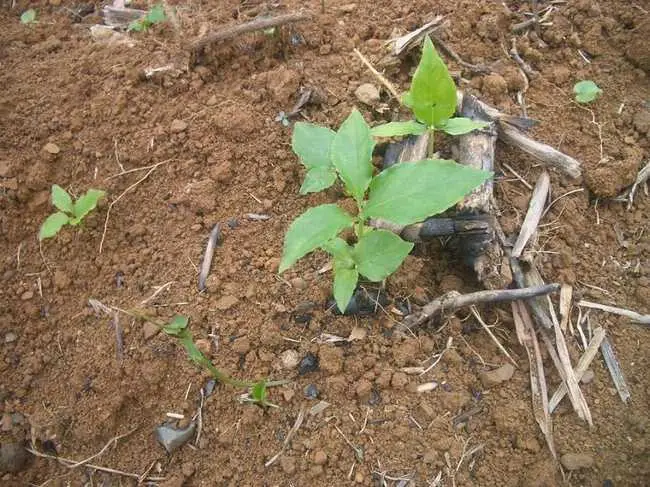
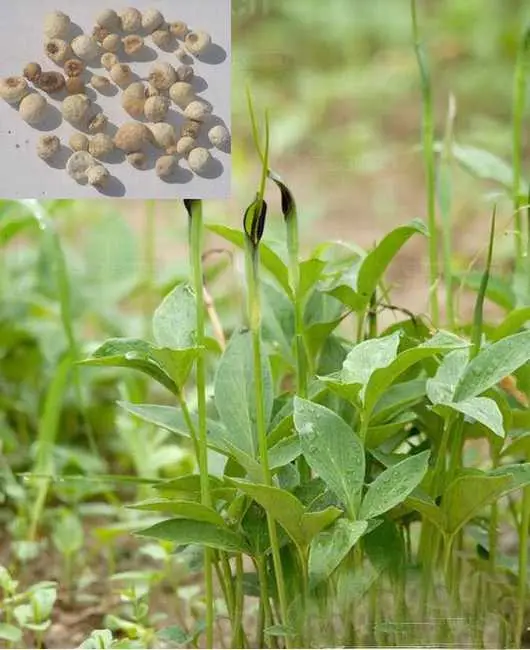
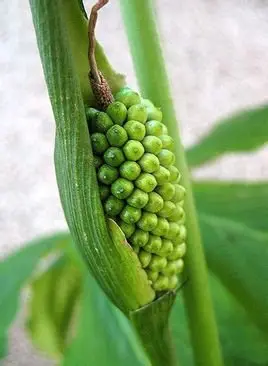
The dried tuber of Pinellia ternata (Thunb.) Breit. (Araceae).

Identification性状特征

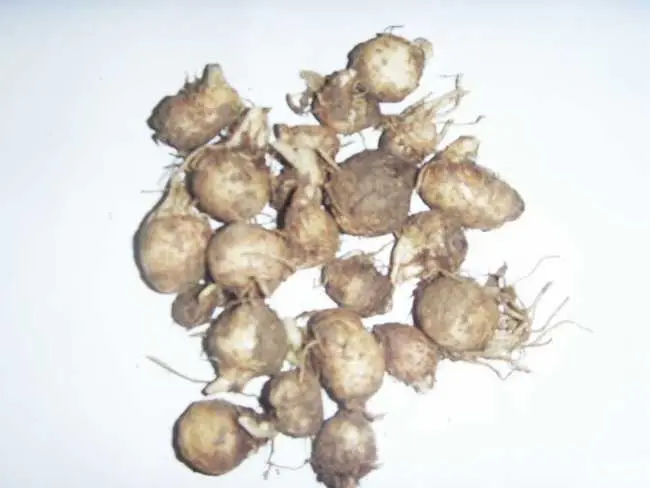
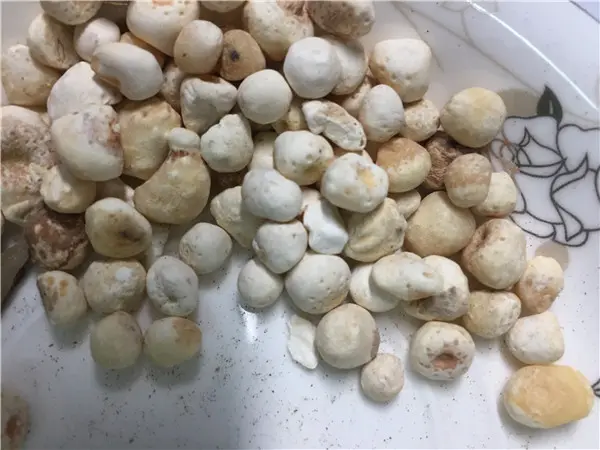
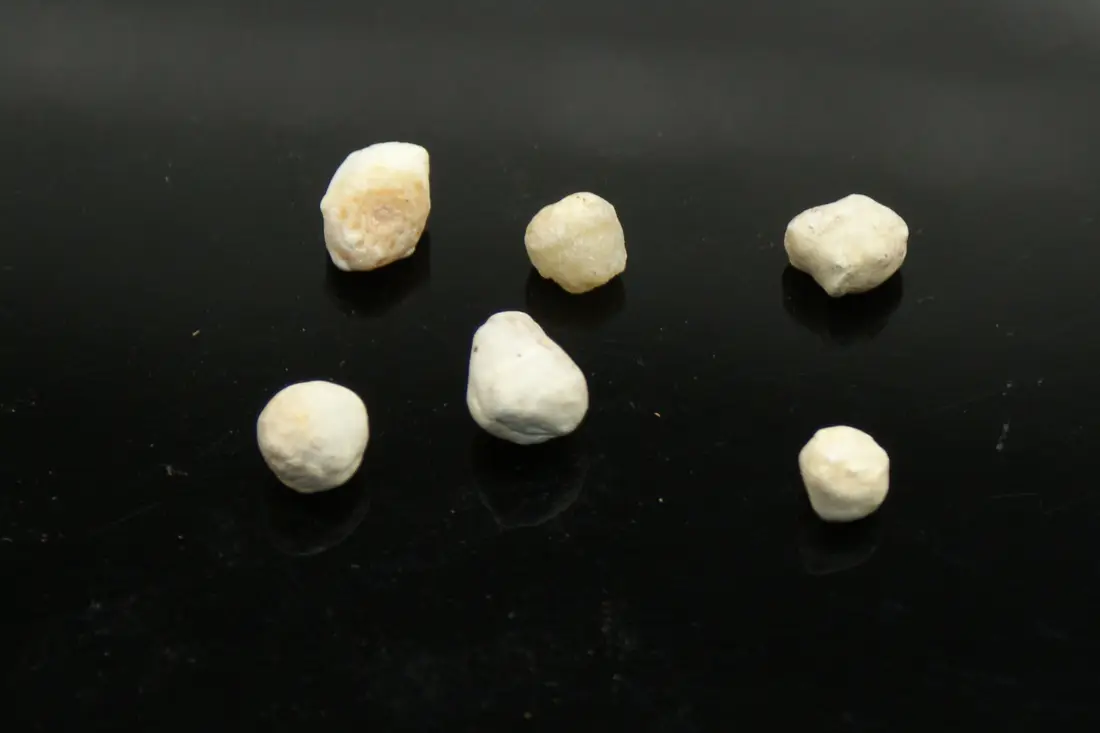
Subspherical, sometimes slightly oblique, 1–1.5 cm in diameter; surface white or pale yellow, apex with a depressed stem scar surrounded by densely dotted root scars; base obtuse-rounded and smoother. Firm, fracture white and starchy. Odor slight; taste pungent, numbing the tongue and irritating the throat.

Properties and actions性味与功效
Actions
Dry dampness and transform phlegm · Direct qi downward and stop vomiting · Resolve masses and dissipate nodules
Indications
Damp-phlegm and cold-phlegm, cough and asthma with copious phlegm; phlegm-fluid with dizziness and palpitations; wind-phlegm with vertigo; phlegm syncope with headache; vomiting and regurgitation; chest and epigastric distension and fullness; plum-pit qi sensation in the throat. For external use: carbuncles, swellings and phlegm nodules.
Dosage
For internal use, generally after processing, 3–9 g. For external use, an appropriate amount, applied as a juice or as a powder mixed with wine.
Caution
Ban Xia is toxic and generally should not be taken raw internally. Because it is warm and drying, use with caution in yin deficiency with dry mouth and throat, and in cases of blood deficiency or heat with dry stools; avoid prolonged or excessive use. Pregnant women should use it with caution.
Processing炮制
Raw Ban Xia (Sheng Ban Xia)
Remove impurities from the crude drug, wash, and dry. Crush before use.
Qing Ban Xia
Soak clean Ban Xia in 8% alum solution until the interior has no dry core and the tongue feels only slight numbness; remove, wash, cut into thick slices, and dry. Use 20 kg alum per 100 kg Ban Xia.
Jiang Ban Xia
Soak clean Ban Xia in water until the interior has no dry core. Separately slice fresh ginger and decoct to obtain a decoction; add alum and Ban Xia and cook together until thoroughly penetrated; remove, air-dry until half-dry, cut into thin slices, and dry. Use 25 kg fresh ginger and 12.5 kg alum per 100 kg Ban Xia.
Fa Ban Xia
Soak clean Ban Xia in water until thoroughly penetrated with no dry core; remove. Separately decoct licorice root twice, combine the decoctions, and pour into lime solution prepared with an appropriate amount of lime; stir well, add the soaked Ban Xia, and soak, stirring 1–2 times daily and maintaining pH above 12, until the cut surface is uniformly yellow and the taste is slightly numbing; remove, wash, and dry in the shade or by heat. Use 15 kg licorice root and 10 kg quicklime per 100 kg Ban Xia.
Modern research现代药理
Antitussive and expectorant effects
Ban Xia has antitussive and expectorant effects. The ethanol extract of processed Ban Xia has expectorant activity. It is suggested that volatile alkaloids in Ban Xia inhibit central and peripheral nerves, and the antitussive effect may relate to inhibition of the cough center.
Anti-silicosis effect
Ban Xia has an anti-silicosis effect; the active component may be alum added during processing.
Antiemetic and emetic effects
Various preparations of Ban Xia heated or processed with alum and ginger juice have antiemetic effects against vomiting induced by apomorphine, digitalis, and copper sulfate, likely through inhibition of the vomiting center. In contrast, oral administration of raw Ban Xia powder may induce vomiting; high-temperature processing removes the emetic component.
Detoxifying effect
Glucuronic acid derivatives in Ban Xia have a certain detoxifying effect.
Anti-fertility and teratogenic effects
Ban Xia has anti-fertility and teratogenic effects.
Cardiovascular effects
Ban Xia inhibits cardiac function, lowers blood pressure, and has antiarrhythmic effects.
Effects on the digestive system
Ban Xia significantly inhibits gastric secretion and reduces gastric acidity in mice, inhibits stress ulcers, promotes bile secretion in rabbits, reduces Oddi sphincter tension, enhances intestinal transport, and relaxes intestinal smooth muscle contractions induced by acetylcholine, histamine, and barium chloride in vitro.
Inhibitory effect on adrenal cortical function
Ban Xia has an inhibitory effect on adrenal cortical function.
Other effects
Ban Xia lowers intraocular pressure, promotes urination, promotes cell division, and agglutinates red blood cells.
Classical records历代本草
The Shennong Bencao Jing records Ban Xia as pungent and balanced, treating cold and heat in febrile diseases, epigastric hardness, and throat swelling. The Bencao Gangmu explains that the spleen is the source of phlegm and the lung the reservoir, and that Ban Xia treats phlegm-fluid and abdominal distension because of its warm nature and pungent flavor.
《神农本草经》:味辛,平。主治伤寒寒热,心下坚,下气,喉咽肿痛,头眩,胸胀,咳逆,肠鸣,止汗。 《本草纲目》:脾无留湿不生痰,故脾为生痰之源,肺为贮痰之器。半夏能主痰饮及腹胀者,为其体温而味辛性温。涎滑能润,辛温能散亦能润,故行湿而通大便,利窍而泄小便。所渭辛走气,能化液,辛以润之是矣。洁古云:半夏、南星治其痰,而咳嗽自愈;丹溪云:二陈能使大便润而小便长。聊摄成氏:半夏辛而散,行水气而润肾燥。又《局方》有半硫丸治卷入虚秘,皆取其滑润也。世俗皆以南星、半夏为性燥,误矣。湿去则土燥,痰涎不生,非二物之性燥也。古方治咽痛喉痹,吐血下血,多用二物,非禁剂也。二物亦能散血,故破伤打扑皆主以。惟阴虚劳损,则非湿热之邪,而用利窍行湿之药,是乃重竭其津液,医之罪也,岂药之咎哉?《甲乙经》治夜不眠,是果性燥者乎? 除腹胀,目不得瞑,白浊梦遗带下。 《本草蒙筌》:味辛、微苦,气平,生寒熟温。沉而降,阴中阳也。有毒。反乌头,恶皂荚。畏雄黄、生姜、干姜、秦皮、龟甲,忌羊肉、羊血、海藻、饴糖。使宜射干柴胡,经入足胆脾胃。久藏入药,同橘皮谓二陈。片则力峻,曲则力柔。总主诸痰,验证佐助。火痰黑,老痰胶,加芩、连、栝蒌、海粉;寒痰清,湿痰白,入姜、附、苍术、陈皮。风痰卒中昏迷,皂角、天南星和;痰核延生肿突,竹沥、白芥子搀。劫痰厥头疼,止痰饮胁痛。散逆气,除呕恶,开结气,发音声。脾泻兼驱,心汁且敛。盖脾恶湿,半夏专能燥湿胜水故尔。孕妇忌用,恐堕胎元。如不得已用之,复加姜汁炒过。消渴及诸血证尤禁莫加,因燥反助火邪,真阴愈被熬害,津枯血耗,危殆日侵,不得不预防也。生半夏消痈肿,成颗者摩水,敷蝎子螯人,涂上即愈。妇人产后晕绝,为丸塞两鼻中,能顷刻回苏。此扁鹊捷法。 谟按:《内经》云:肾主五液,化为五湿。自入为唾,入肝为泪,入心为汗,入脾为痰,入肺为涕。丹溪又云:有痰曰嗽,无痰曰咳,因嗽而动脾之湿也。半夏惟入脾以泻痰之标,不能入肾以泻痰之本。然咳无形,嗽有形。无形则润,有形则燥,所以为流湿润燥之剂也。又小柴胡汤中加之,以治伤寒寒热。半助柴胡以主恶寒,半助黄芩而能去热,及往来寒热皆用之,有各半之意,故因而名曰半夏云。《本经》别以守田目之者,盖缘夏半前后,人多耘莳在田,斯又指名而生意也。 《开宝本草》:味辛,平、生微寒、熟温,有毒。消心腹胸中膈痰热满结,咳嗽上气,心下急痛坚痞,时气呕逆,消痈肿,胎堕,疗痿黄,悦泽面目。生令人吐,熟令人下。 《名医别录》:生微寒、熟温,有毒。主消心腹胸中膈痰热满结,咳嗽上气,心下急痛坚痞,时气呕逆,消痈肿,胎堕,治痿黄,悦泽面目。生令人吐,熟令人下。 《本草图经》:胃冷呕哕,方药之最要。
Folklore本草传说

In the late Qing dynasty, Zhang Xichun was renowned for his skill with Ban Xia. It is said that a British man suffering from intractable vomiting was given up by Japanese and American doctors, but Zhang treated him with self-prepared Ban Xia plus Poria and fresh ginger; after two doses he improved markedly and recovered within days. The Western doctors were deeply impressed.
Culinary use民间药膳
Chinese Yam and Ban Xia Congee
Chinese yam 30 g, Ban Xia 30 g, sugar to taste.
Grind the yam into fine powder. Soak Ban Xia in warm water and rinse several times to remove the alum taste, then decoct in water for 5 minutes and take 250 ml of the liquid. Mix the Ban Xia liquid with the yam powder, add appropriate water, and cook for 3–5 minutes; add sugar to taste. Take three times daily with meals.
Strengthens the spleen and benefits the stomach, dries dampness and transforms phlegm, directs qi downward and stops vomiting. Suitable for nausea and vomiting due to weak middle qi, excessive phlegm-dampness, and rebellious stomach qi.
Ban Xia and Chinese Yam Congee
Ban Xia 30 g, Chinese yam 60 g.
Decoct Ban Xia for 30 minutes first, remove the residue, and obtain a large bowl of liquid. Grind the yam into powder, add to the Ban Xia liquid, bring to a boil, and stir into a paste. Divide into 3 days and take warm in the morning and evening.
Dries dampness and transforms phlegm, directs the stomach downward and stops cough.
Audio and video语音与视频
Narration · Chinese · 7:34
Latin name · pronunciation
Narration and video are shared by all language versions and are in Chinese; the images and footage themselves are language-independent.
Photographs药材图片
Ban Xia (Pinellia rhizome)
Cultivation and authentication栽培与鉴别

34 cultivation notes and 17 authentication articles exist for this herb. They are long-form field material and are published in Chinese only.

Read them in Chinese →

Compiled from public Chinese materia medica sources for study and reference. Not medical advice.
Chinese version · All herbs