Myrrh (Mo Yao)
Mo Yao
MYRRHA
Nature and flavorPungent, bitter, neutral. Enters the Heart, Liver, and Spleen meridians.
Meridians enteredHeart, Liver, Spleen
Dosage3–5 g, processed to remove oil, often in pills or powders.
Reference market price¥80 / kgBozhou market · spec 胶质 · 进口 · snapshot 2026-11-21
Myrrh is a resinous herb used in traditional medicine to invigorate blood, dispel stasis, relieve pain, and promote tissue regeneration.
Source药物来源
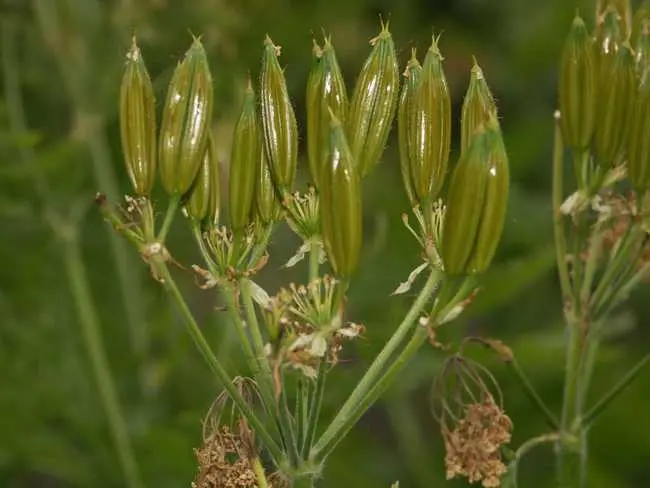
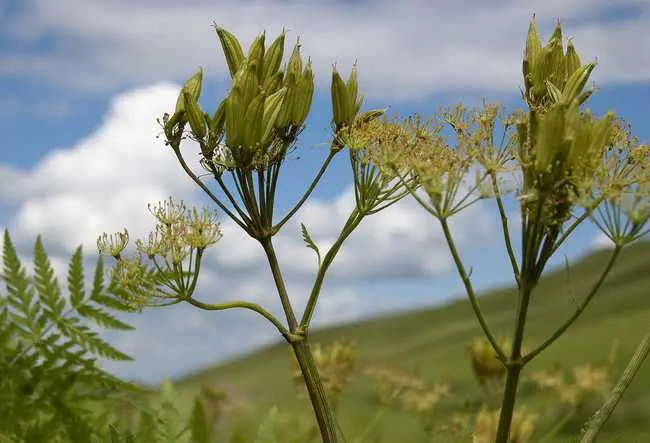
The dried resin of Commiphora myrrha Engl. or Commiphora molmol Engl. (Burseraceae).
Identification性状特征
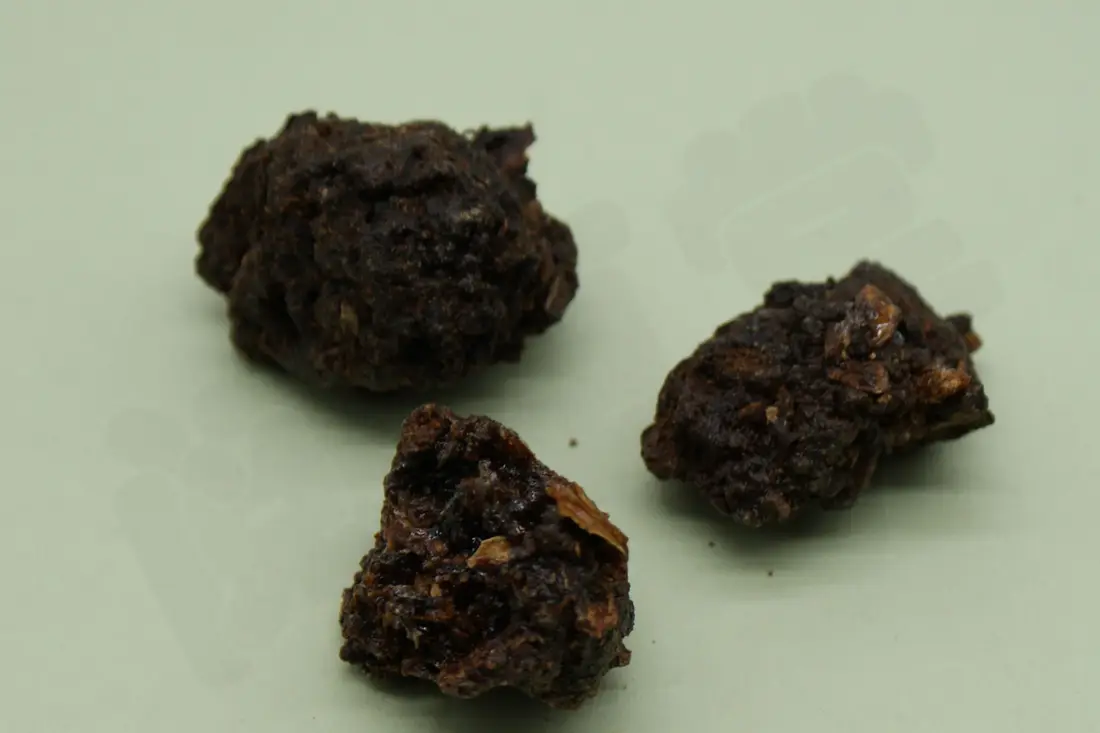
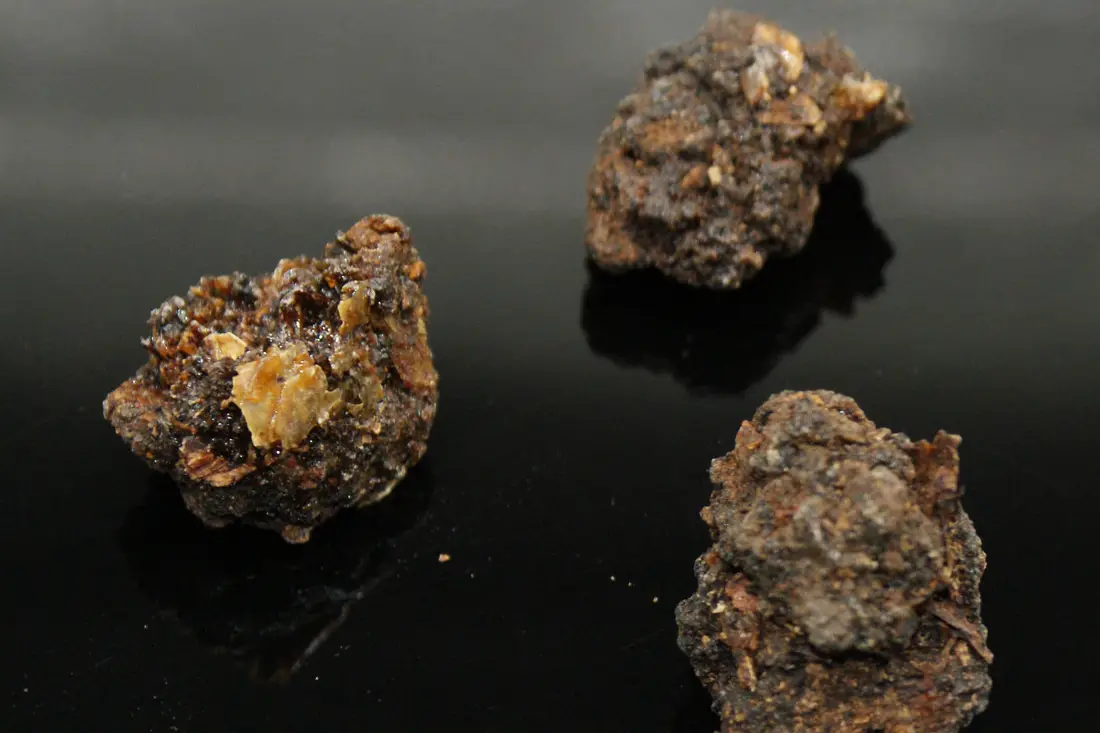
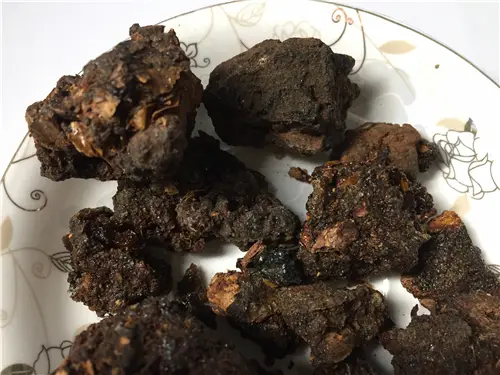
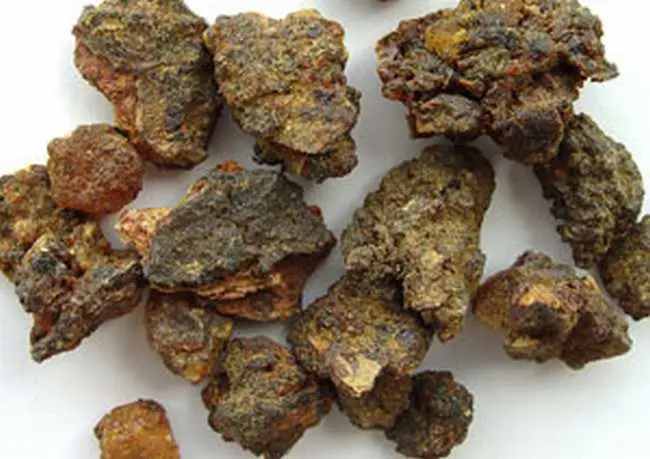
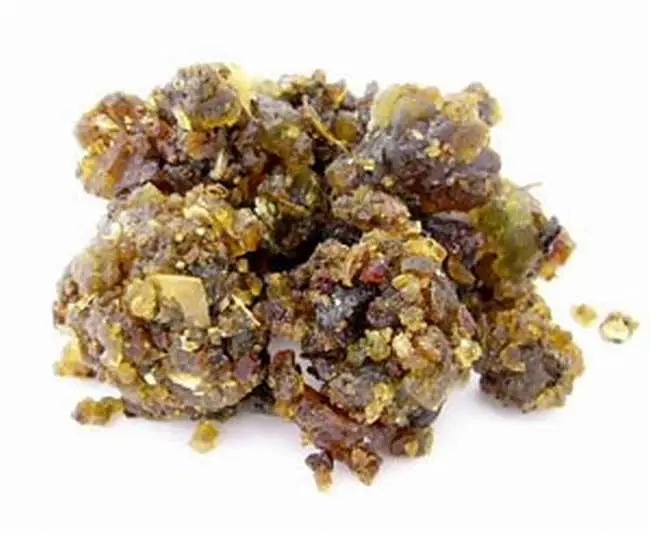
Natural myrrh: irregular granular masses of varying sizes, up to over 6 cm in diameter. Surface yellowish-brown or reddish-brown, semi-translucent parts brownish-black, covered with yellow dust. Hard and brittle, fractured surface uneven and lusterless. Characteristic odor, taste bitter and slightly pungent. Gum myrrh: irregular lumps and granules, often agglutinated into masses up to over 6 cm in diameter, surface brownish-yellow to brownish-black, opaque, hard or loose, characteristic odor, taste bitter and sticky.
Properties and actions性味与功效
ActionsInvigorate blood and dispel stasis · Relieve pain · Reduce swelling and promote tissue regeneration
IndicationsDisperse stasis and relieve pain, reduce swelling and promote tissue regeneration. Used for chest obstruction and heart pain, stomach pain, dysmenorrhea and amenorrhea, postpartum blood stasis, abdominal masses and pain, wind-dampness arthralgia, traumatic injuries, and carbuncles, swellings, and sores.
Dosage3–5 g, processed to remove oil, mostly used in pills and powders.
CautionContraindicated in pregnancy. Not suitable for patients with blood deficiency without blood stasis, excessive lochia after childbirth, or already ulcerated carbuncles. Use with caution in those with deficiency-cold of the spleen and stomach due to its stimulant effect on the stomach.
Processing炮制
Myrrh (raw)Remove impurities and crush into small pieces.
Vinegar-processed myrrhTake clean myrrh pieces, place in a frying container, heat over gentle fire until smoking and surface slightly melted, spray with a measured amount of rice vinegar while stirring until the surface becomes glossy, then quickly remove and spread to cool. Use 5 kg rice vinegar per 100 kg myrrh pieces.
Stir-fried myrrhTake clean myrrh pieces, place in a frying container, heat over gentle fire until smoking and surface becomes glossy, then quickly remove and spread to cool.
Modern research现代药理
Antifungal effectAqueous infusion of myrrh inhibits various pathogenic fungi.
Cholesterol-lowering effectThe oleoresin in myrrh has a cholesterol-lowering effect.
Anti-inflammatory effectJiufen San, composed of frankincense and myrrh, has anti-inflammatory effects. Topical myrrh also has astringent and anti-inflammatory actions.
Local irritationRaw myrrh has a local stimulant effect and may cause nausea and vomiting.
Classical records历代本草
In Bencao Gangmu, Li Shizhen notes that frankincense invigorates blood and myrrh disperses blood, both relieving pain, reducing swelling, and promoting tissue regeneration. The Bencao Mengquan records its use for traumatic injuries and ulcerated carbuncles. The Kaibao Bencao describes its action in breaking blood stasis and relieving pain. The Bencao Jingshu explains its use for blood-heat stasis and warns against use in pregnancy and blood deficiency.《本草纲目》:乳香活血,没药散血,皆能止痛消肿生肌。故二药每相兼用。散血消肿,定痛生肌。
《本草蒙筌》:味甘、辛,气平。无毒。主坠堕跌打损伤,疗痈疽疮瘘溃腐。破血立效。止痛如神。
《开宝本草》:味苦,平,无毒。主破血止痛,疗金疮杖疮,诸恶疮痔漏,卒下血,目中翳晕痛肤赤。
《海药本草》:味苦、辛,温,无毒。主折伤马坠,推陈置新,能生好血。凡服皆须研烂,以热酒调服,近效。堕胎,心腹俱痛,及野鸡漏痔,产后血气痛,并宜丸散中服尔。
《本草经疏》:没药禀金水之气以生,故味苦平无毒。然平应作辛,气应微寒。气薄味厚,阴也,降也。入足厥阴经。凡恶疮痔漏,皆因血热瘀滞而成。外受金刃及杖伤作疮,亦绵血肉受病,血肉伤则瘀而发热作痛。此药苦能泄,辛能散,寒能除热,水属阴,血亦属阴,以类相从,故能入血分散瘀血,治血热诸疮,及卒然下血证也。肝开窍于目,目得血而能视,肝经血热则目为赤痛浮翳,散肝经之血热则目疾除矣。
简误:孕妇不宜服。凡骨节痛,与夫胸腹胁肋痛,非瘀血停留,而因于血虚者不宜用。产后恶露去多,腹中虚痛者不宜用。痈疽已溃不宜用。目赤浮翳,非血热甚者不宜用。大概其功善于通滞血,血滞则气亦壅,气血壅滞则经络满急,经络满急故发肿作痛,打扑踠跌易伤筋络血分,血气不行故壅滞作止痛也。没药善通壅滞之血,血行则气亦行,气血流通则止痛自止矣。故为诸疮痈,及金疮、杖疮、跌扑损伤、腹中血结作痛之要药,而不主诸虚也。
Culinary use民间药膳
Myrrh congeeMyrrh 10 g, rice 100 g, appropriate amount of white sugar.
Clean myrrh, soak in water for 5–10 minutes, decoct and strain. Add rice to the decoction and cook into congee. When done, add sugar to taste. Alternatively, grind myrrh into powder and add 2–3 g to the congee, bring to a boil once or twice. Take once daily for 3–5 days.
Invigorates blood and relieves pain, reduces swelling and promotes tissue regeneration. Suitable for dysmenorrhea, amenorrhea, stomach pain, wind-dampness arthralgia, traumatic pain, and carbuncle swelling.
Tangerine seed and honey drinkTangerine seed, frankincense, and myrrh in equal amounts.
Sun-dry tangerine seeds, then dry together with frankincense and myrrh. Grind into fine powder and store in a glass bottle. Take 10 g each time, mix with an equal amount of honey and take.
Promotes qi movement and unblocks collaterals, resolves stasis and relieves pain. Suitable for pain due to qi stagnation and blood stasis in breast cancer patients.
Cultivation and authentication栽培与鉴别
0 cultivation notes and 4 authentication articles exist for this herb. They are long-form field material and are published in Chinese only.
Read them in Chinese →