Lotus rhizome node (Ou Jie)
Ou Jie
NELUMBINIS RHIZOMATIS NODUS
Nature and flavorSweet, astringent, neutral; enters the Liver, Lung and Stomach meridians.
Meridians enteredLiver, Lung, Stomach
Dosage9–15 g
Reference market price¥14 / kgBozhou market · spec common grade · 湖南 · snapshot 2026-11-21
Lotus rhizome node is a traditional hemostatic herb used to stop bleeding and resolve blood stasis.
Source药物来源
The dried rhizome node of Nelumbo nucifera Gaertn. (Nymphaeaceae).
Identification性状特征
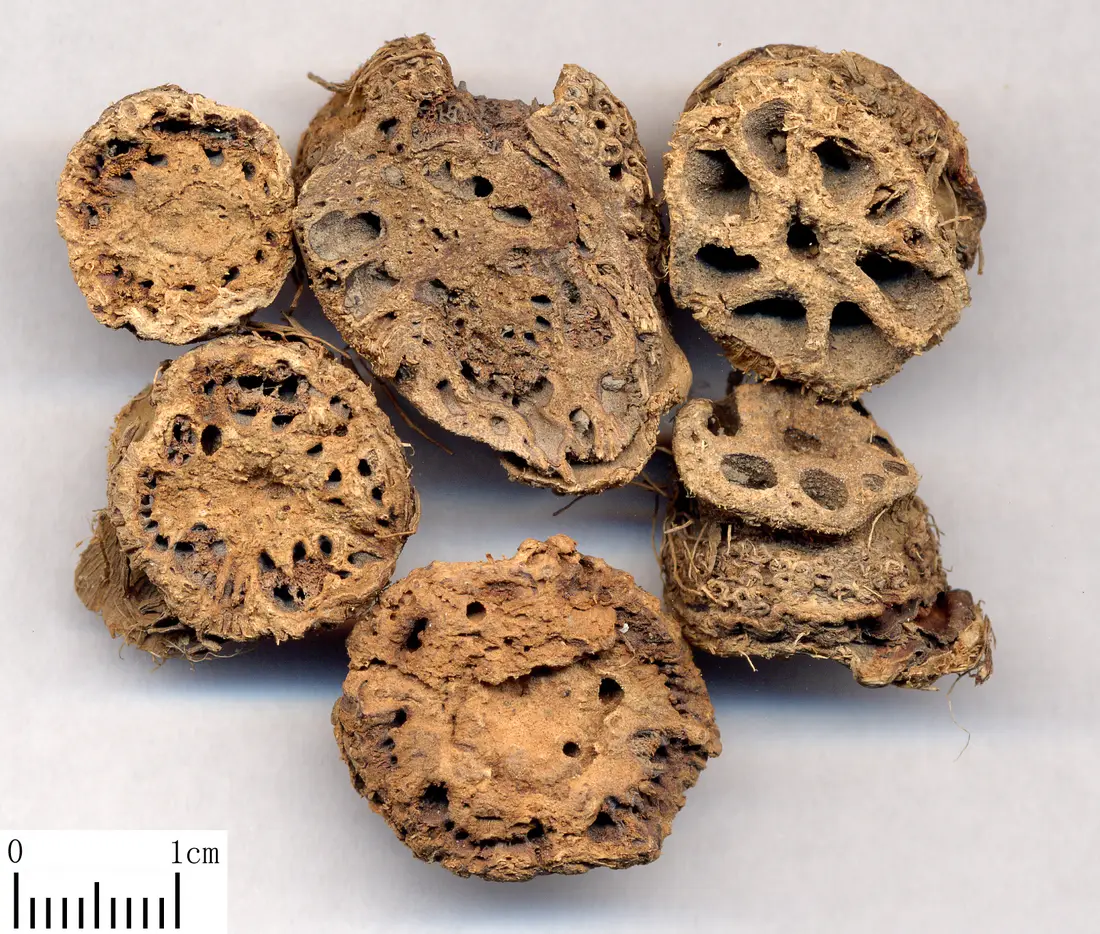
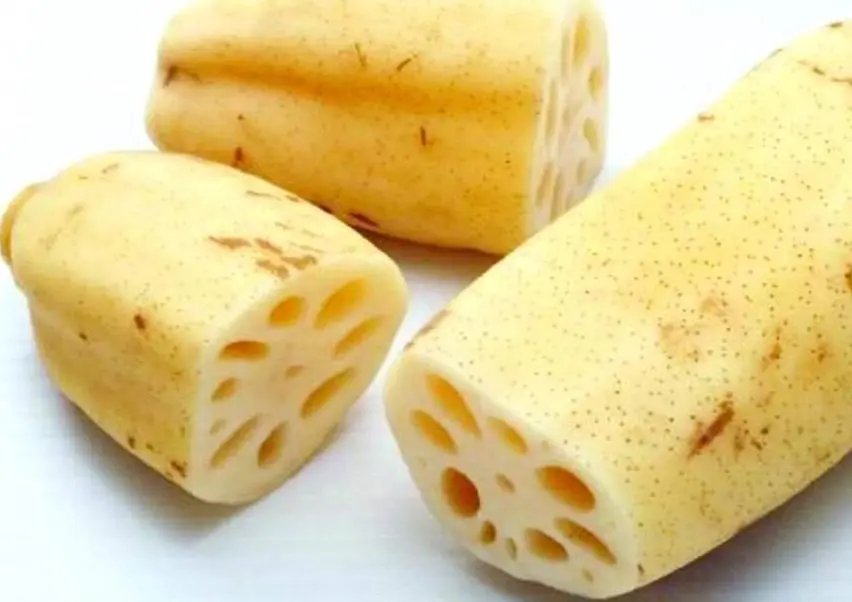
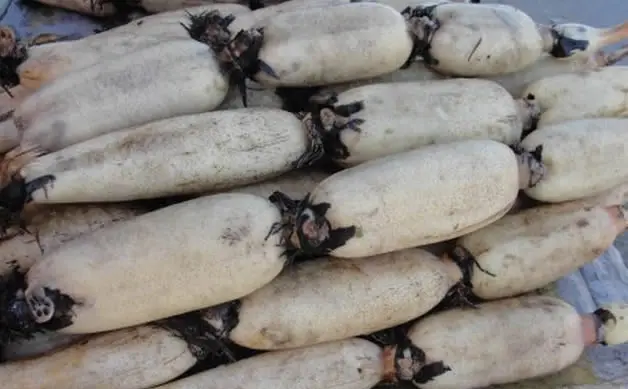
Short cylindrical, slightly swollen in the middle, 2–4 cm long, about 2 cm in diameter. Surface grayish-yellow to grayish-brown, with residual fibrous roots and rootlet scars, occasionally dark reddish-brown scale-leaf remnants. Both ends show residual lotus rhizome, wrinkled with longitudinal striations. Hard; fracture with numerous subrounded holes. Slight odor; taste slightly sweet and astringent.
Properties and actions性味与功效
ActionsStop bleeding by astringency · Resolve blood stasis
IndicationsUsed for hematemesis, hemoptysis, epistaxis, hematuria and metrorrhagia.
CautionUse with caution in cases of deficiency-cold of the spleen and stomach.
Processing炮制
Lotus rhizome node (raw)Take the crude drug, remove impurities, trim off the lotus head and fibrous hairs, wash, and dry.
Lotus rhizome node charcoalTake clean lotus rhizome nodes, place in a preheated frying container, heat over strong fire until the outside is charred black and the inside is yellowish-brown, spray a little water, extinguish sparks, take out, dry, and cool.
Modern research现代药理
Hemostatic effectFresh use clears heat and cools the blood; calcined charcoal resolves stasis and stops bleeding with stronger astringent action. Experiments show it shortens bleeding time.
Classical records历代本草
The Bencao Gangmu records a case of bloody strangury relieved by lotus juice with burned hair. The Bencao Jing Shu notes that lotus root is sweet and cold when raw, warm when cooked, enters the Heart, Spleen and Stomach, and can cool the blood, stop bleeding, and resolve stasis.《本草纲目》:一男子病血淋,痛胀祈死。予以藕汁调发灰,每服二钱,服三日而止痛除。《养疴漫堂》:宋孝宗患痢,众医不效。高余偶见一小药肆,召而问之。其人问得病之由,乃食湖蟹所致,遂诊脉曰:此冷痢也。乃用新采藕节捣烂,热酒调下,数服即愈。高宗大喜,以捣药金杵臼赐之,人遂称为金杵臼,严防御家,可谓不世之遇也。大抵藕能消瘀血,解热开胃,而又解蟹毒故也。
止咳血、唾血、血淋、溺血、下血、血痢、血崩。
《本草经疏》:藕禀土气以生,其味甘,生寒熟温。入心、脾、胃三经。生者甘寒,能凉血止血,除热清胃,故主消散瘀血,吐血,口鼻出因,产后血闷,掩金疮伤折,及止热渴,霍乱烦闷,解酒等功。熟者甘温,能健脾开胃,益血补心,故主补五脏,实下焦,消食止泄,生肌,及久服令人心欢止怒也。本生于污泥之中,而体至洁白,味甚甘脆,孔窍玲珑,丝纶内隐,疗血止渴,补益心脾,真水果中之嘉品也。又能解蟹毒。
《药性解》:藕,味甘,性平,无毒,入脾经。主散瘀血,止吐衄,解热毒,消食止渴,除烦解酒。和蜜食之,能肥腹脏,不生诸虫;煮熟食之,能实下焦,大开胃脘。其节尤佳。其皮散血不凝。
《药性论》:捣汁,主吐血不止,口鼻并皆治之。
《本经逢原》:莲出淤泥,而无浊气沾染,其根通达诸窍,联绵诸络,允为交媾黄宫,通调津液之上品。入心脾血分,冷而不泄,涩而不滞,产后血闷,及血淋尿血宜之。新产生冷皆忌,独生藕不禁,为其能止热渴,破留血也。生食止霍乱虚渴,蒸食开胃实下焦。捣浸澄粉服食,治虚损失血,吐利下血。又血痢口噤不能食,频服则结粪自下,胃气自开,便能进食。但市者皆豆麦、菱粉伪充,不可混用。
藕节之味大涩,能止骤脱诸血,产后闷乱,隔水顿热,和童子小便饮之。一人患血淋胀痛,百药不应,以生藕汁调发灰服之,三日血止痛除。以其性专散血,而无伤耗真元之患也。
莲房入厥阴,功专止血,故血崩下血溺血,皆烧灰用之。虽能止截,不似棕灰之兜塞也。
Folklore本草传说
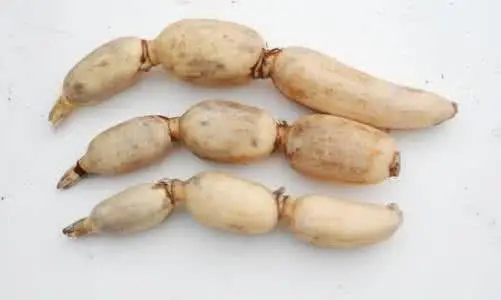
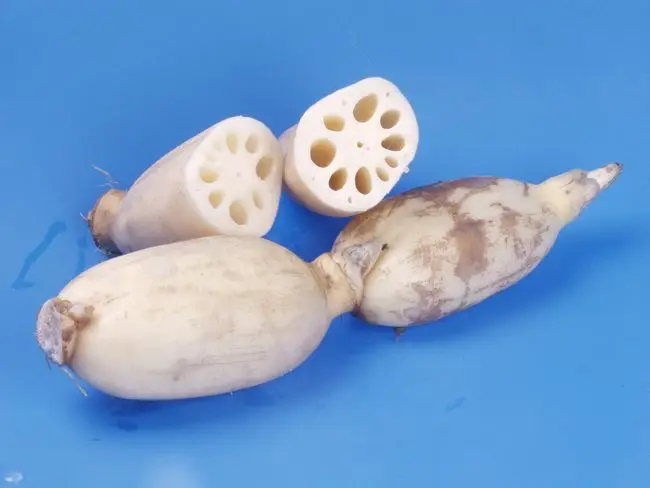
In ancient times, the beautiful Lotus Fairy stole seeds of various plants and descended to Dongting Lake, where she met a young man named Ou Lang. They planted water chestnuts, foxnuts, reeds and willows, making the lake more beautiful than any place on earth. They married and lived happily. When the Heavenly Emperor learned of this, he sent heavenly troops to arrest the fairy. She hid in the lake, giving Ou Lang a pearl formed from her essence. Ou Lang was captured; as the soldiers cut his neck, he bit the pearl and swallowed it. Though decapitated, white fibers connected his head and neck, and after eighty-one cuts he could not be killed. The emperor then bound his neck with a magic hoop and threw him into the lake. Ou Lang took root in the mud and grew white, tender lotus roots. The hoop bound one node, but the root grew another node forward, and the hoop became the lotus node. The Lotus Fairy also hid in the lake; when the emperor came, lotus leaves, flowers and roots spread everywhere, and the emperor had to withdraw. Since then, white lotus roots and flowers have thrived in Dongting Lake.
Culinary use民间药膳
Couch grass and lotus node teaFresh couch grass rhizome 30 g, lotus rhizome node 15 g
Take fresh couch grass rhizome 30 g and lotus rhizome node 15 g, put into a pot, add 500 ml cold water, boil, remove residue, and drink as tea.
This formula clears heat, cools the blood and stops bleeding; it can prevent and treat nosebleeds caused by excessive internal heat.
Cultivation and authentication栽培与鉴别
1 cultivation notes and 0 authentication articles exist for this herb. They are long-form field material and are published in Chinese only.
Read them in Chinese →