Ephedra herb (Ma Huang)Materia Medica

Ephedra herb (Ma Huang)

Ma Huang
EPHEDRAE HERBA
Nature and flavorPungent, slightly bitter, warm. Enters the lung and bladder meridians.
Meridians enteredLung and bladder meridians
Dosage2-10 g
Reference market price¥18 / kgBozhou market · spec common grade · 内蒙古 · snapshot 2026-11-21

Ephedra herb is a key herb in traditional medicine for releasing the exterior and dispersing wind-cold.

Source药物来源

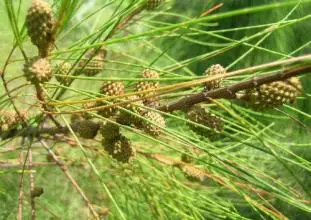
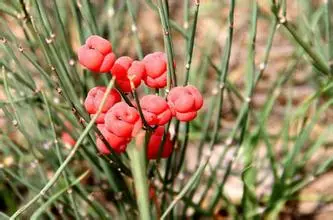
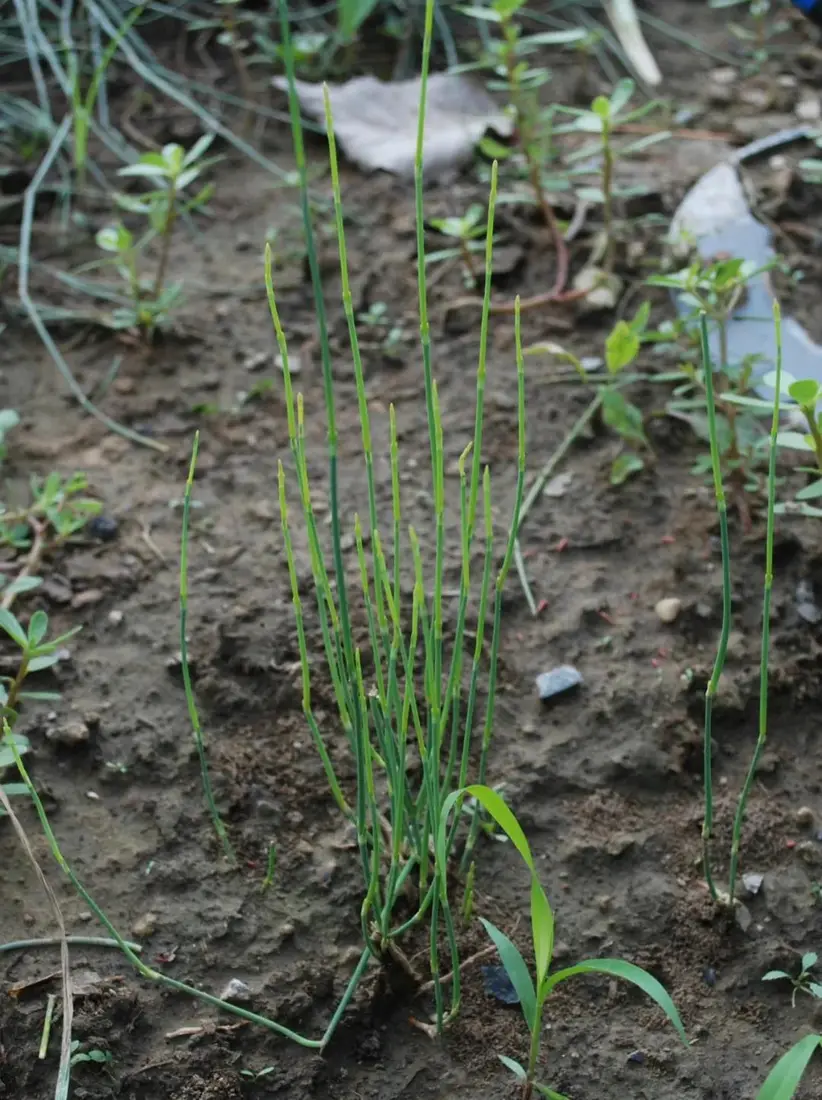
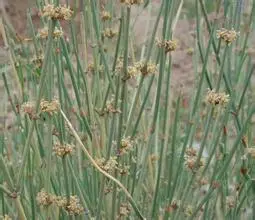
The dried herbaceous stems of Ephedra sinica Stapf, Ephedra intermedia Schrenk et C.A.Mey., or Ephedra equisetina Bge. (family Ephedraceae). Name origin: The name comes from its numbing taste (ma) and yellow color (huang) as recorded in the Bencao Gangmu.

Identification性状特征

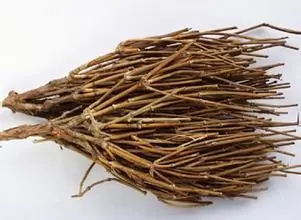
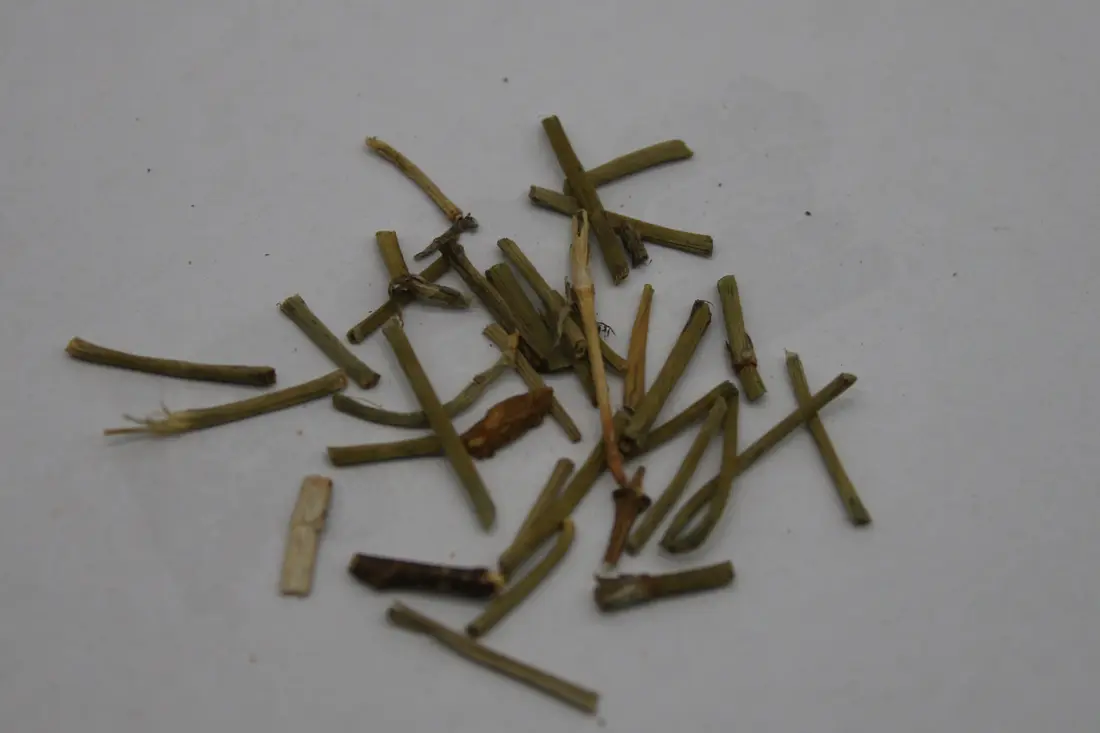
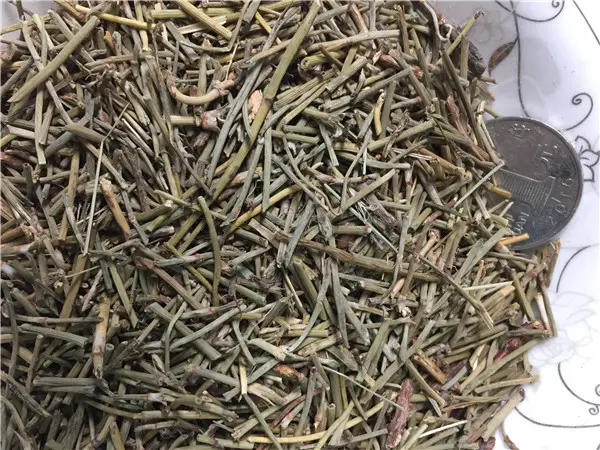
Herba Ephedrae sinicae: slender cylindrical, few branches, 1-2 mm in diameter. Some with brown woody stems. Surface pale green to yellow-green, with fine longitudinal ridges, slightly rough to touch. Nodes distinct, internodes 2-6 cm long. Membranous scale leaves at nodes, 3-4 mm long; lobes 2 (rarely 3), acute-triangular, apex grayish-white, recurved, base united into a reddish-brown tube. Light, brittle, easily broken, fracture slightly fibrous, periphery greenish-yellow, pith reddish-brown, nearly round. Slight aromatic odor, astringent and slightly bitter taste. Herba Ephedrae intermediae: much branched, 1.5-3 mm in diameter, rough to touch. Membranous scale leaves at nodes 2-3 mm long, lobes 3 (rarely 2), apex acute. Fracture pith triangular-rounded. Herba Ephedrae equisetinae: more branched, 1-1.5 mm in diameter, not rough. Internodes 1.5-3 cm long. Membranous scale leaves 1-2 mm long; lobes 2 (rarely 3), upper part short-triangular, grayish-white, apex mostly not recurved, base reddish-brown to brownish-black.

Properties and actions性味与功效
Actions
Induce sweating and dissipate cold · Disperse lung qi and relieve wheezing · Promote urination and reduce swelling
Indications
Used for common cold of the wind-cold type, chest oppression with wheezing and cough, and wind-water edema. Honey-fried ephedra moistens the lung and stops cough, often used for cough and wheezing after the exterior syndrome has resolved.
Dosage
2-10 g.
Caution
Contraindicated in patients with deficiency-cold of the spleen and stomach; use with caution in those with yin deficiency or chronic illness. Overdose may cause sweating and consumption of qi.
Processing炮制
Ephedra (raw)
Remove woody stems, residual roots and impurities; wash, soften slightly, cut into sections, and dry.
Honey-fried ephedra
Mix cleaned ephedra sections with refined honey diluted in boiling water (20 kg honey per 100 kg ephedra), moisten until absorbed, then stir-fry over gentle heat until no longer sticky. Cool.
Ephedra floss
Grind ephedra sections into floss and sift out powder.
Honey-fried ephedra floss
Mix ephedra floss with refined honey diluted in boiling water (25 kg honey per 100 kg floss), moisten, stir-fry over gentle heat until deep yellow and no longer sticky. Cool.
Modern research现代药理
Central nervous system
Ephedra has an excitatory effect on the central nervous system, mainly due to ephedrine, which raises the pain threshold and produces analgesia.
Antipyretic effect
The volatile oil and terpineol have a cooling and antipyretic effect.
Bronchial smooth muscle
Ephedrine is a sympathomimetic that relaxes bronchial smooth muscle with a mild and lasting effect. The aqueous extract has an antitussive effect.
Cardiovascular system
Ephedrine stimulates adrenergic nerves, increasing heart rate, myocardial contractility, and cardiac output; it constricts blood vessels and raises blood pressure (slow, mild, sustained, more on systolic). It also dilates coronary, cerebral and muscular vessels but constricts visceral and cutaneous vessels. Ephedra root has hypotensive components.
Antithrombotic and renal effects
The aqueous extract has antithrombotic action; it reduces serum urea nitrogen by 29% after 8 hours. Oxyephedrine reduces blood viscosity, hematocrit and plasma viscosity, and increases erythrocyte electrophoretic mobility.
Diuretic effect
Ephedra has a diuretic effect.
Anti-inflammatory and immunosuppressive effects
Ephedra has anti-inflammatory and immunosuppressive actions.
Smooth muscle effects
It relaxes intestinal smooth muscle, stimulates the uterus and vas deferens smooth muscle, and increases tension of the bladder trigone and sphincter.
Antimicrobial effects
In vitro, ephedra inhibits various pathogenic cocci and bacilli; the volatile oil inhibits influenza A virus.
Other effects
It also has anti-allergic, choleretic, and hypoglycemic effects.
Classical records历代本草
The <i>Shennong Bencao Jing</i> records ephedra as bitter and warm, used for stroke, cold, headache, malaria, promoting sweating, stopping cough and wheezing, and breaking accumulations. The <i>Bencao Gangmu</i> emphasizes it as a specific herb for lung diseases, and notes that in Zhang Zhongjing's formulas, ephedra is used for cold with no sweating, while cinnamon twig is used for sweating. The <i>Bencao Mengquan</i> states it is incompatible with asarum and pyrrosia, and should be used after processing to remove roots and nodes.
《神农本草经》:味苦,温。主治中风伤寒头痛,温疟,发表出汗,去邪热气,止咳逆上气,除寒热,破症坚积聚。 《本草纲目》:麻黄乃治肺经之专药,故治肺病多用之。仲景治伤寒,无汗用麻黄,有汗用桂枝。……余思之,津液为汗,汗即血也。在营则为血,在卫则为汗。夫寒伤营,营血内涩,不能外通于卫,卫气闭固,津液不行,故恶寒发热而憎寒。夫风伤卫,卫气外泄,不能内护于营,营气虚弱,津液不固,故有汗,发热而恶风。然风寒之邪,皆由皮毛而入,皮毛者,肺之合也。肺主卫气,包罗一身,天之象也。是证虽属乎太阳而肺实受邪。故其面赤怫郁,咳嗽有痰,喘而胸满。盖皮毛外闭,则邪热内攻而肺气愤郁。故用麻、甘同桂,引出营分之邪,达之肌表,佐以杏仁泄肺以利气。汗后无大热而喘者,加以石膏。《活人书》夏至后加石膏、知母,皆为泄肺火之药。是则麻黄汤虽太阳发汗重剂,实为发散肺经火郁之药也。腠理不密,则津液外泄,而肺气自虚,虚则补其母,故用桂枝同甘草,外散风邪以救表,内伐肝木以防脾。佐以芍药,泄木而固脾,使以姜枣,行脾之津液而和营卫也。下后微喘者,加厚朴、杏仁,以利肺气。汗后脉沉迟,加人参以益肺气。朱肱加黄芩为阳旦汤,以泄肺热也。皆是脾胃之药。是则桂枝虽太阳解肌轻剂,实为理脾救肺之药也,此千古未发之秘旨。又少阴病发热脉沉,有麻附辛汤、麻附草汤。少阴与太阳为表里,乃赵嗣真所谓熟附配麻黄,补中有发也。 《本草蒙筌》:恶细辛石韦,宜陈久年深。凡欲用之,须依法制去根节;单煮数沸,倾上沫用火焙干。任合丸散煎汤,方不令人烦闷。以厚朴为使,入手足四经。手太阴经本经之药,阳明经荣卫之药,而又入足太阳经、手少阴经也。发汗解表,治冬月正伤寒如神;驱风散邪,理春初真温疫果胜。泄卫实消黑斑赤疹,去荣寒除身热头疼。春末温疟勿加,夏秋寒疫切禁。因时已变,温热难抵,剂之轻扬,仍破积聚癥坚,更劫咳逆痿痹。山岚瘴气,亦可御之。若蜜炒煎汤,主小儿疮疱。患者多服,恐致亡阳。止汗固虚,根节是妙。 《开宝本草》:味苦,温、微温,无毒。五脏邪气缓急,风胁痛,字乳馀疾,止好唾,通腠理,疏伤寒头疼,解肌,泄邪恶气,消赤黑斑毒。不可多服,令人虚。 仲景治伤寒,有麻黄汤,葛根汤,大小青龙,皆用麻黄。治肺痿上气,有射干麻黄汤,厚朴麻黄汤,皆大方也。 《名医别录》:微温,无毒。主治五藏邪气缓急,风肋痛,字乳余疾,止好唾,通腠理,束伤寒头痛,解肌,泄邪恶气,消赤黑斑毒。不可多服,令人虚。
Folklore本草传说

In the <i>Shennong Bencao Jing</i>, ephedra is listed as a middle-grade herb. Its ability to induce sweating and release the exterior has been praised by physicians through the ages as the first herb for releasing the exterior and for treating colds. The stems contain ephedrine and induce sweating, while the root lacks ephedrine and can stop sweating. Zhang Xichun, a famous physician, noted that ephedra with nodes has weaker diaphoretic effect, and honey-frying reduces it. Lu Jiuyun observed that southerners need only a few fen to sweat, while northerners may need seven or eight qian.
Culinary use民间药膳
Cordyceps stewed with fresh placenta
1 fresh placenta, 45 g ginkgo kernels, 10 g cordyceps, 9 g ephedra, 9 g fresh ginger.
Clean the placenta by cutting blood vessels and washing; wash cordyceps; shell and blanch ginkgo kernels, remove skin and bitter taste; wash and chop ephedra, wrap in gauze; peel and crush ginger. Put all in a clay pot, add water, stew until placenta is tender, remove ephedra bag, add salt. Eat every morning for 5-7 days as a course.
Tonifies lung and kidney, relieves wheezing and resolves phlegm, also disperses cold and disseminates lung qi.
Ephedra root soup for sweating
30 g ephedra root, 30 g oyster shell, 30 g cistanche, 1 hen, salt and MSG to taste.
Slaughter hen, remove feathers, innards, head and feet, wash and put with ephedra root in a clay pot, add water, simmer until chicken is tender, remove bones and dregs, add washed cistanche and oyster shell, cook until done, season with salt and MSG. Take 2-3 times a week, eat meat and soup.
Tonifies qi and consolidates the exterior, astringes yin and stops sweating.
Ephedra root medicinal dish
50 g ephedra root, 1 sheep lung, scallion, ginger, salt, MSG to taste.
Wash sheep lung, put with ephedra root in a pot, add scallion and ginger, stew until done, add salt and MSG, remove lung, slice and eat 30 g each time, 3 times daily.
Prevents chronic bronchitis and asthma attacks.
Mint tea
30 mint leaves, 2 slices ginger, 5 g ginseng, 30 g gypsum, 2 g ephedra.
Grind herbs into coarse powder, decoct in water, filter. Drink warm as tea in divided doses.
Tonifies qi and releases the exterior, disperses wind and clears heat.
Sweating fermented soybean porridge
27 g fermented soybean, 1 handful schizonepeta, 22.5 g ephedra, 30 g kudzu root, 22.5 g gardenia seed, 90 g gypsum, 7 scallion stalks, 15 g ginger, 54 g rice.
Decoct herbs first, remove dregs, add rice to make thin porridge. Take warm on empty stomach, then stay in bed covered to induce mild sweating.
Dispels wind and clears heat.
Audio and video语音与视频
Narration · Chinese · 7:34
Latin name · pronunciation
Narration and video are shared by all language versions and are in Chinese; the images and footage themselves are language-independent.
Photographs药材图片
Ephedra herb (Ma Huang)
Cultivation and authentication栽培与鉴别

9 cultivation notes and 2 authentication articles exist for this herb. They are long-form field material and are published in Chinese only.

Read them in Chinese →

Compiled from public Chinese materia medica sources for study and reference. Not medical advice.
Chinese version · All herbs